
Listen to this article
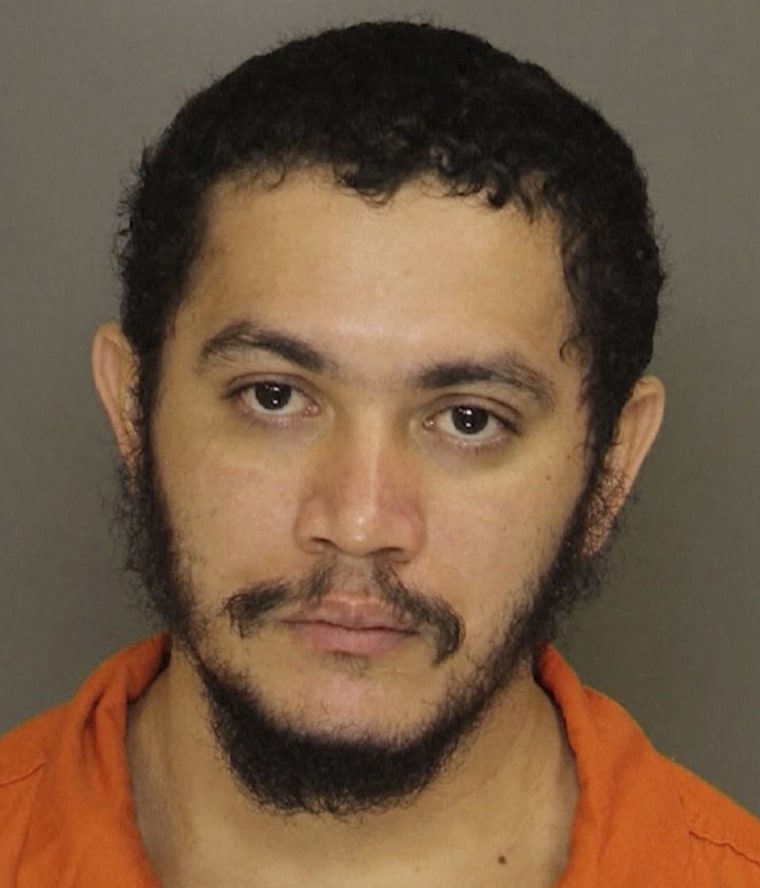
An escaped prisoner is making headlines after a video surfaced online, seemingly taunting the police. Daniel Boakye, a 21-year-old drill rapper, has recently gained notoriety for absconding from custody not once but twice in just a week. After his daring escape from Lewisham Hospital while receiving medical treatment, the Met Police launched a manhunt in search of him. Just days prior, Boakye had managed to evade prison guards at another medical facility, raising concerns about security protocols. His social media presence has only intensified the situation, as he boasts of his freedom in a rap that references his dramatic jailbreak, captivating the public’s attention.
The narrative surrounding the fugitive has attracted significant media interest, particularly given the circumstances of his escape and subsequent online behavior. Known for his involvement in serious criminal activities, including a robbery that involved high-stakes theft of cryptocurrency, this individual has painted himself as a controversial figure within the drill music scene. His online antics, combined with the police’s ongoing efforts to recapture him, underscore a larger conversation about security measures for incarcerated individuals undergoing medical treatment. The implications of such escapes are profound, raising questions not only about law enforcement efficacy but also about the societal impact of criminal behavior echoed in contemporary music culture. As the search continues, many are left pondering the broader questions of justice and rehabilitation in cases like Boakye’s.
The Rise of Drill Rap in London: A Reflection of Street Culture
Drill rap has emerged as one of the defining musical genres associated with London’s urban environment, serving as both a canvas for creativity and a reflection of the community’s struggles. Artists like Daniel Boakye, known in the music scene as dsavv, represent the raw energy and harrowing narratives that characterize this style. Through their lyrics, these drill rappers are not only telling their stories but also addressing broader societal issues, including crime, violence, and economic disparity. This genre has gained considerable traction, resonating heavily with youth across London and beyond.
However, drill rap has not come without controversy. While it serves as an outlet for self-expression and a platform for discussing important issues, drill music is often scrutinized by law enforcement and politicians, who link it to rising incidents of violence in urban areas. The Metropolitan Police’s attention to artists like Daniel Boakye underscores a complicated relationship between creativity and law enforcement, further fueling discussions about censorship versus artistic freedom.
Daniel Boakye: From Drill Rapper to Escaped Prisoner
Daniel Boakye’s transition from a promising drill rapper to an escaped prisoner has captured public attention and raised questions about the factors leading to his absconding. After being sentenced to six years and five months for his involvement in a robbery gang, Boakye’s narrative shifted dramatically when reports surfaced about his escapes from custody. His clever evasion from both the West Middlesex University Hospital and later Lewisham Hospital highlights significant lapses in security, which are now under scrutiny by the Met Police.
In a recent online video, Boakye appeared to taunt the police, celebrating his freedom with lyrics and references to popular culture, creating a surreal juxtaposition against his legal troubles. Such behavior raises critical discussions about accountability and the motivations driving an individual in his situation. Is Boakye’s taunting a cry for help, a display of bravado, or an indication of deeper societal issues that need addressing?
The Implications of Absconding from Custody
Absconding from custody is not just an individual issue, but a systemic problem that questions the efficacy of current protocols in handling inmates, particularly those undergoing medical treatment. Daniel Boakye’s escapes bring to light potential weaknesses within the prison healthcare system, as well as the security measures in place at facilities like Lewisham Hospital. As Boakye managed to evade guards, discussions about how such incidents can be prevented are crucial for improving safety and accountability.
The consequences of such escapes can be far-reaching, affecting not just the individuals involved but also the broader community’s perception of law enforcement. As the Met Police intensify their search for Boakye, the public reaction brings forth debates about the risks associated with allowing inmates access to medical facilities without proper safeguards. Balancing the need for humane treatment and the protection of society represents a challenge that requires careful consideration and innovative solutions.
Metropolitan Police Response to Escapes
The Metropolitan Police have responded vigorously to the incidents involving Daniel Boakye, recognizing the implications of his actions on public safety and the integrity of law enforcement. Their initial statement confirmed the urgency in locating the escaped prisoner while reflecting on the incidents leading to his escapes. The mention of reviewing the events indicates that the Met is committed to understanding how such lapses occurred, ensuring that similar situations do not arise in the future.
Moreover, the involvement of the Directorate of Professional Standards in reviewing the incidents exemplifies the accountability measures in place within the Met Police. This response not only highlights the police’s proactive stance on handling such cases but also reassures the public of their dedication to maintaining safety and order. As they navigate the complexities of this case, the need for transparency in their investigation will be crucial in fostering trust among community members.
The Role of Social Media in Shaping Public Perception
Social media plays a pivotal role in how incidents like Daniel Boakye’s escape are perceived and discussed in public discourse. Boakye’s choice to post a video online, seemingly flaunting his freedom, has sparked debates about the influence of platforms such as Instagram on youth culture and criminality. The immediacy of social media allows for rapid dissemination of information, but it also blurs the lines between personal expression and public safety.
The viral nature of such content can lead to heightened public scrutiny and emotions, as viewers feel a direct connection to the unfolding events. As discussions surrounding drill rap intersect with crime narratives, social media becomes both a tool for self-advocacy and a potential catalyst for ongoing criminal behaviors. Understanding this duality is essential for law enforcement and community leaders aiming to address the complex dynamics at play.
Crime and Consequences: Analyzing Boakye’s Criminal History
Analyzing Daniel Boakye’s criminal history reveals the nuanced realities of youth involved in gang-related activities. His involvement in a robbery gang that used threats to execute highly planned heists raises important questions about the socio-economic factors that can drive young people into a life of crime. For many, the allure of quick financial gain often overshadows the potential long-term consequences, such as incarceration and the loss of community bonds.
Boakye’s case serves as a cautionary tale about the destructive cycle of crime and its repercussions. As the public learns more about his background and the events that led to his sentencing, there’s an opportunity for significant dialogue around prevention methods. By focusing on educational initiatives and support systems for at-risk youth, communities can hope to break this cycle and encourage positive pathways to success.
Exploring the Cultural Context of Drill Music
Drill music reflects the cultural context of the environments that produce it, blending artistry with the harsh realities faced by many young people in London. Daniel Boakye’s music captures not only his personal experiences but also resonates with a generation grappling with issues of violence, poverty, and community disarray. The genre has emerged as a form of storytelling that seeks to convey the truths of life on the streets, which can be both liberating and limiting for its artists.
Yet, the cultural implications extend beyond entertainment; they delve into discussions about identity, belonging, and expression within marginalized communities. As drill artists gain notoriety for both their music and their legal troubles, the fine line between artist and outlaw becomes increasingly blurred. Recognizing the significance of cultural narratives in shaping perceptions around crime and justice is essential for fostering understanding and transformative change.
Security Measures for Inmates in Medical Facilities
The circumstances surrounding Daniel Boakye’s escapes have initiated broader discussions about the security measures implemented for inmates receiving medical care. While healthcare access is a fundamental aspect of inmate rights, ensuring that appropriate security protocols are in place is equally crucial to prevent future escapes. The incidents at Lewisham Hospital and West Middlesex University highlight a potential oversight that needs addressing.
Moving forward, law enforcement agencies must prioritize enhancing security without compromising the humane treatment of inmates. This may include revisiting policies around escorting prisoners, increasing the presence of guards, or employing surveillance technology to monitor high-risk individuals during hospital visits. Such reforms would not only help deter potential escapes but also ensure that the welfare of other patients is safeguarded.
The Impact of Media Portrayal on Public Perception of Crime
The portrayal of Daniel Boakye and similar figures in media narratives influences public perception significantly. When incidents are sensationalized, as seen in various reports about his escapes, they can contribute to a distorted view of crime and those involved. It raises questions about media responsibility in depicting stories that involve young individuals struggling against systemic issues rather than merely focusing on sensational elements of their actions.
The ongoing coverage of Boakye’s case provides an opportunity for media outlets to delve deeper into the socio-economic backgrounds of individuals involved in crime, encouraging a dialogue that is constructive rather than punitive. Understanding root causes—and not just the actions of individuals—can lead to more informed discussions about policy and intervention strategies that could prevent similar situations in the future.
Frequently Asked Questions
Who is Daniel Boakye, the escaped prisoner in the news?
Daniel Boakye is a 21-year-old drill rapper known by his stage name dsavv. He recently made headlines for escaping custody twice within a week, once from West Middlesex University Hospital and again from Lewisham Hospital after being taken there for medical treatment.
What charges led to Daniel Boakye’s imprisonment prior to his escape from custody?
Daniel Boakye was sentenced to six years and five months in 2023 for being part of a robbery gang that used knives to threaten victims, resulting in the theft of approximately £115,000 worth of cryptocurrency and the misuse of bank details.
How did the Metropolitan Police respond to Daniel Boakye’s escapes from custody?
The Metropolitan Police are actively searching for Daniel Boakye after he absconded from Lewisham Hospital. They reported that officers attempted to give chase but were unable to detain him before he exited the building.
What was the content of the video posted by escaped prisoner Daniel Boakye?
In the video, Daniel Boakye appears to taunt the police by performing in front of a screen displaying a newspaper article about his first escape. He includes lyrics that boast about escaping jail and enjoying life’s luxuries, highlighting his audacity after absconding from custody.
What safety measures are in place to prevent escaped prisoners like Daniel Boakye from fleeing custody?
Safety measures usually include enhanced security protocols during hospital escorts for prisoners. However, after the incidents involving Daniel Boakye, the Metropolitan Police are reviewing their procedures to better understand how he managed to abscond from custody multiple times.
Is Daniel Boakye still at large after his escape from Lewisham Hospital?
Yes, as of now, Daniel Boakye remains at large following his escape from Lewisham Hospital, and the Metropolitan Police are continuing their search to recapture him.
What impact does Daniel Boakye’s escape have on public safety and trust in law enforcement?
Daniel Boakye’s escapes from custody raise concerns about public safety and the effectiveness of law enforcement in managing prisoners. The Met Police’s subsequent review of events aims to restore trust and ensure better control to prevent similar situations in the future.
| Key Points | Details |
|---|---|
| Escaped Prisoner | Daniel Boakye, a 21-year-old drill rapper, has escaped from custody twice within a week. |
| First Escape | Boakye fled from West Middlesex University Hospital after being taken for medical treatment on February 10. |
| Second Escape | He escaped from Lewisham Hospital on Sunday afternoon, February 15, 2023. |
| Taunting Police | He posted a video on Instagram taunting police and referencing his escape with lyrics from his song. |
| Background | Boakye was sentenced to over six years for involvement in a robbery gang that stole £115,000 in cryptocurrency, |
| Police Response | The Metropolitan Police confirmed they are investigating the incidents surrounding Boakye’s escapes. |
Summary
The escaped prisoner, Daniel Boakye, has made headlines after taunting police in a recent video. This dramatic series of events not only showcases his brazen attitude towards law enforcement but also highlights serious gaps in the security protocols within the healthcare facilities he managed to escape from. As the investigation unfolds, it raises questions about how such an audacious escape was allowed to occur, particularly by a figure of criminal notoriety.