Listen to this article
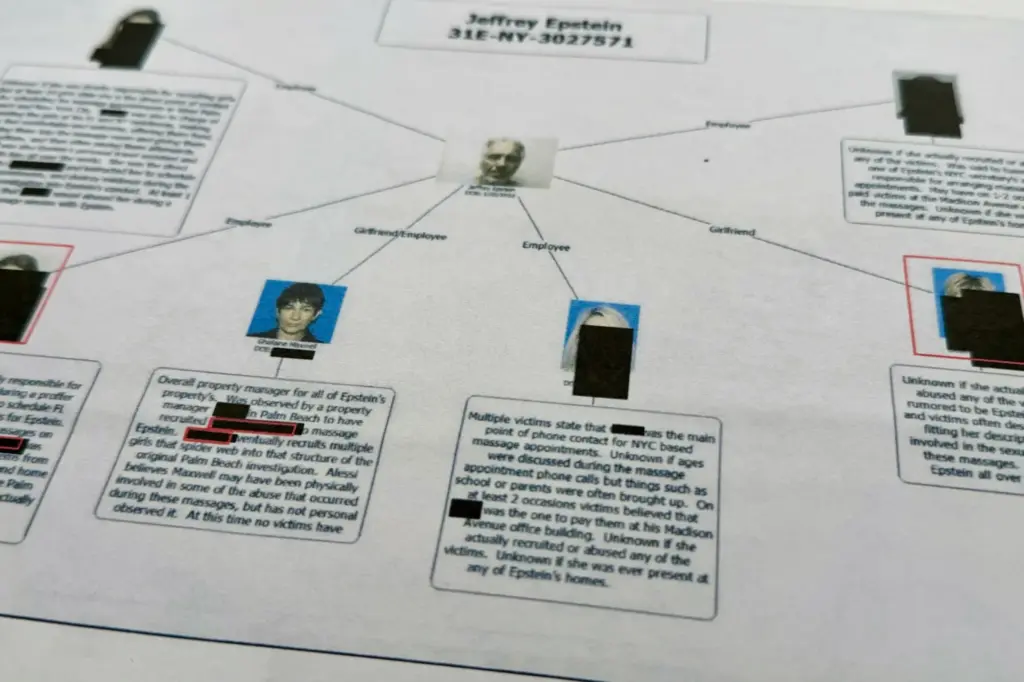
The ongoing scrutiny surrounding the Epstein files redaction raises significant concerns about transparency in the judicial process. Recently, US lawmakers have accused the Department of Justice (DOJ) of inappropriately handling the release of documents related to the notorious Jeffrey Epstein case, sparking a heated debate on Epstein transparency issues. With the recent rollout of approximately three million pages under the Epstein Files Transparency Act (EFTA), critics argue that vital information has been obscured, particularly the identities of key individuals implicated in Epstein’s illicit activities. This redacted documents controversy is not merely a legal oversight; it highlights broader implications of accountability for those connected to sexual exploitation. As public trust in governmental transparency wanes, the importance of a thorough examination of these redactions becomes ever more critical.
The debate over the redaction of Epstein-related documents has intensified, as legislators voice their frustrations over the handling of sensitive information. Critics have pointed to the potential mishandling by the Department of Justice concerning the examination of Jeffrey Epstein’s files, an act that raises pivotal questions about the integrity of the judicial process. With many documents being expurgated before their release, the call for openness echoes through discussions on the Epstein Files Transparency Act, which mandates the public’s right to access unfiltered data. As lawmakers delve into these controversial files, the implications of their findings could resonate far beyond the Epstein case, potentially implicating a network of influential figures. Such transparency issues underscore the need for vigilance in ensuring that justice is not hindered by bureaucratic obstacles.
Controversial Redactions in Epstein Files
The ongoing debate surrounding the redaction of files related to Jeffrey Epstein highlights serious transparency issues within the Department of Justice (DOJ). Lawmakers have voiced their concerns, claiming that numerous significant details have been improperly concealed, which undermines the intention of the Epstein Files Transparency Act (EFTA). Since the law was enacted to ensure accountability, the accusations of ‘inappropriate’ redactions raise questions about the DOJ’s compliance and commitment to transparency in the Epstein case.
The recent review of the unredacted files has revealed alarming instances of sensitive information still obscured, including critical names and affiliations tied to potential co-conspirators. Representatives like Ro Khanna and Thomas Massie have pointed out that many crucial names remain blacked out, which not only shrouds the investigation in secrecy but may protect influential individuals who should be held accountable. This situation fuels public distrust and calls for corrective measures to ensure that justice prevails.
Frequently Asked Questions
What are the main concerns regarding the Epstein files redaction by the Department of Justice?
The Epstein files redaction has raised significant concerns among lawmakers, primarily about the improper removal of information that should remain transparent. Critics, including Representative Ro Khanna, argue that the DOJ failed to comply with the Epstein Files Transparency Act (EFTA) when redacting names and details that are crucial for accountability. Specific instances include the redaction of potential victim names and individuals who may be implicated in Epstein’s crimes.
How did the Epstein Files Transparency Act impact the release of redacted documents?
The Epstein Files Transparency Act mandated the release of documents related to Jeffrey Epstein, intending to enhance transparency. However, its implementation has faced criticism due to excessive redactions by the Department of Justice. Lawmakers have stated that many names and details were unnecessarily blacked out, undermining the goals of the EFTA to reveal the full extent of Epstein’s network and ensure accountability.
What actions have lawmakers taken in response to the redacted documents related to Epstein?
Lawmakers such as Representatives Ro Khanna and Thomas Massie have taken a proactive stance in response to the redacted Epstein documents. They are actively reviewing the unredacted versions, urging the DOJ to comply with the EFTA by unredacting important names and information. Their focus is on identifying individuals implicated in Epstein’s activities and ensuring that the victims’ identities are protected without unnecessary redactions.
Why did some documents in the Epstein files leak personal information against protocols?
Recent reviews of the Epstein files revealed instances of email addresses and potentially identifiable information being disclosed, which prompted outrage from victims’ advocates. The DOJ attributed these mistakes to ‘technical or human error.’ They have since committed to correcting these oversights and ensuring compliance with privacy standards as mandated by the Epstein Files Transparency Act.
What are the implications of the DOJ’s redactions in the Epstein case files?
The implications of the DOJ’s redactions in Epstein case files are significant. They potentially hinder transparency, complicate ongoing investigations, and affect the victims’ willingness to come forward. Lawmakers fear that unnecessary redactions protect powerful individuals rather than revealing the full extent of Epstein’s sex trafficking operations. This situation raises questions about accountability within the justice system and the need for proper compliance with the EFTA.
How has the Department of Justice responded to criticisms about the Epstein files redaction?
In response to criticisms surrounding the Epstein files redaction, the DOJ has stated their commitment to transparency and has begun unredacting names where appropriate. Deputy Attorney General Todd Blanche acknowledged the concerns raised by lawmakers and emphasized the DOJ’s efforts to comply with the Epstein Files Transparency Act. The department also seeks to clarify that certain information, such as personally identifiable information and the names of victims, will remain protected.
| Aspect | Details |
|---|---|
| Accusation against DOJ | US lawmakers accuse the DOJ of improperly redacting Epstein files prior to their release. |
| Legislative Background | Files reviewed under the Epstein Files Transparency Act (EFTA) revealed major redaction issues. |
| Lawmakers’ Reactions | Rep. Ro Khanna criticizes the DOJ for non-compliance; Rep. Massie calls for more transparency. |
| Nature of Redactions | Edits included names, email addresses, and potentially incriminating details of other individuals linked to Epstein. |
| DOJ’s Justification | Attribution to technical or human error; claims commitment to transparency. |
| Lawmakers’ Continued Scrutiny | Demand for transparency continues; lawmakers express concern over findings after unredacted files. |
| Access Issues | Limited access to unredacted files for Congress alleged to be obstructive. |
Summary
Epstein files redaction has become a contentious issue as US lawmakers allege that the Department of Justice has improperly processed documents related to Jeffrey Epstein, highlighting concerns over transparency and accountability in handling sensitive information. As investigations continue, calls for clearer access and proper compliance with the Epstein Files Transparency Act are crucial for restoring public trust.