
Listen to this article
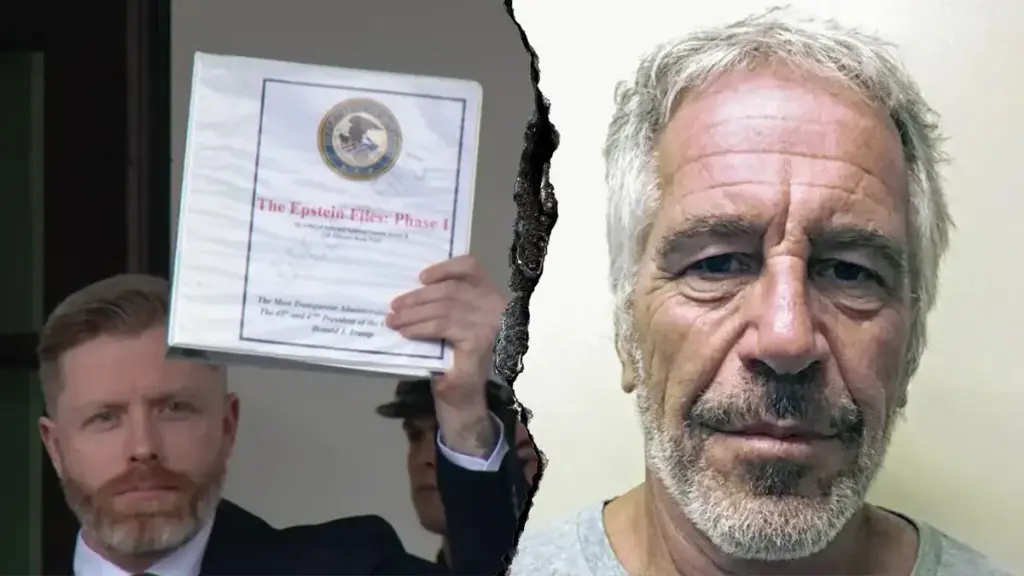
The Epstein files have remained a point of intense scrutiny and public intrigue, especially following the recent release of thousands of documents linked to Jeffrey Epstein’s sordid activities. Among these, a controversial photo featuring Donald Trump was briefly removed from the Justice Department’s website, sparking discussions about the implications of such high-profile connections. Critics have raised concerns, with the Deputy Attorney General, Todd Blanche, clarifying that the removal was a precautionary measure, not a cover-up related to Trump’s involvement. This incident highlights the ongoing Epstein investigation news, particularly in light of Ghislaine Maxwell’s association with the infamous financier and the various revelations contained within the DOJ files Epstein that aim to shed light on these dark matters. As the conversation continues, the public eagerly awaits further updates and transparency from the Justice Department regarding these sensitive documents.
In recent discussions, the collection of documents surrounding the Epstein case has drawn sharp focus, particularly toward the controversy surrounding a certain image of a well-known public figure. These documents, often referred to as the Epstein dossier or the Justice Department’s releases, encapsulate a broader investigation into the high-profile connections of individuals like Epstein and Maxwell. Notably, the implications of such documents extend beyond just names and images; they resonate deeply with the ongoing quest for justice among the victims of these heinous crimes. As criticisms mount over the handling of these investigative releases, the urgency for comprehensive transparency and accountability within these files cannot be overstated. As society grapples with the revelations brought to light by the Epstein case, the call for an unfiltered examination of these vital documents becomes ever more pressing.
The Controversial Removal of Epstein Files
The Justice Department’s recent action to temporarily remove certain files from its website, including items from the Epstein files, has sparked significant controversy. This decision was made after concerns were raised by victims, prompting the Deputy Attorney General to take swift action. A notable image featuring Donald Trump, taken from one of Jeffrey Epstein’s properties, was among those files temporarily withdrawn for review. The Deputy Attorney General, Todd Blanche, emphasized that this removal was purely precautionary, aimed at protecting the interests of identified victims whose identities might be linked to the image.
Lawmakers, particularly Democrats from the House Oversight Committee, have expressed their skepticism regarding the motivations behind these removals. They questioned if the actions taken by the Justice Department were meant to shield certain individuals from scrutiny. Social media discussions have reflected the idea that everything related to the Epstein investigation should be transparently managed, demanding accountability from officials. This incident certainly raises broader questions about the ethics of public access to such sensitive materials.
Justice Department’s Response and Epstein Investigation News
In a bid to clarify the actions taken regarding the Epstein files, the DOJ issued a statement addressing criticisms of its decision to temporarily withdraw certain images. According to the DOJ, the photo of Trump was flagged for its potential sensitivity, demonstrating a commitment to the rights of Epstein’s victims, which is essential in ongoing investigations. Todd Blanche reiterated that the removal of the Trump photo was not indicative of impropriety, noting that numerous other photos with Trump had been made public in past releases.
The communications surrounding the Epstein investigation and the release of related files highlight the tension between public interest and victim safety. Following the release deadline set by Congress, there has been criticism regarding the volume and quality of the documents presented. Many experts and advocates are demanding more transparency in how the Justice Department handles such significant inquiries, particularly those involving high-profile figures like Epstein, Trump, and Ghislaine Maxwell.
Implications of the Epstein Files on Public Figures
The implications of the Epstein files extend beyond the immediate concerns of victims and their privacy. Public figures depicted in these files, including Donald Trump and Ghislaine Maxwell, find themselves in a precarious position as public interest surges around their associations with Epstein. The presence of Trump in photographic evidence alongside Epstein has ignited speculation and scrutiny, affecting their public perception. However, Trump has vocally denied any allegations of wrongdoing linked to Epstein, maintaining that his social interactions with Epstein were not indicative of deeper involvement.
Moreover, the fallout from the Epstein investigation showcases the broader societal challenges we face in addressing issues of accountability and justice for victims of sexual abuse. As more documents are released amidst ongoing scrutiny, clarity around these associations becomes paramount. The need for a thorough examination of the Epstein scandal is necessary not only for the victims’ justice but also to inform the public about the potential failings within our justice system.
Political Repercussions of the Epstein Files Release
The political aftermath surrounding the release of the Epstein files has intensified as lawmakers take a stance on the accountability of the Justice Department. With the backdrop of a tightly contested political climate, Republicans and Democrats are using the circumstances to leverage their positions, calling for a transparent investigation into the handling of Epstein’s case. The pressure exerted on the DOJ to release files by the specified deadline reflects a legislative interest not just in justice, but also in ensuring electoral integrity.
This politicization of the Epstein files serves to highlight the intersections between justice, politics, and public perception. As public figures attempt to distance themselves from Epstein’s criminal enterprise, it becomes essential for the DOJ to navigate the demand for transparency while also considering the impact on victims. This delicate balance of safeguarding victim interests while addressing political concerns will pose ongoing challenges for lawmakers and law enforcement moving forward.
The Role of Ghislaine Maxwell in the Epstein Scandal
Ghislaine Maxwell, a close associate of Jeffrey Epstein, plays a pivotal role in the unfolding narrative surrounding Epstein’s criminal activities and the subsequent investigations. As she has been convicted on charges related to her involvement in Epstein’s sex trafficking operation, the continued focus on Maxwell in relation to the Epstein files is critical for understanding the full scope of the scandal. Many believe that disclosing her connections through images and documents is imperative for a complete accountability process, as she faces considerable scrutiny from the public and the justice system.
The DOJ’s handling of Maxwell’s information in the context of Epstein’s documented crimes further complicates the legal landscape. As investigations continue, it remains crucial for officials to address any remaining links and minimize potential cover-ups that could jeopardize justice for myriad victims. Public interest remains piqued as new developments emerge, particularly regarding the extent of Maxwell’s involvement and the potential role she played in facilitating Epstein’s operations.
Justice for Epstein Victims: Challenges and Progress
Justice for Jeffrey Epstein’s victims has remained a topic of national discussion, particularly in light of the ongoing investigations and the release of the Epstein files. Advocacy groups and lawmakers have rallied for transparency in the investigation, demanding that the Justice Department uphold its commitment to the victims. However, the challenges are substantial, as many victims may still feel marginalized within legal proceedings, especially with the ongoing scrutiny and sensationalism surrounding the high-profile nature of this case.
Furthermore, the perceived inadequacies in how the Justice Department has handled the release of documents raise concerns about the agency’s dedication to victim justice. Limited information has emerged from the various investigations, leaving many to question whether sufficient action is being taken to support survivors and secure accountability. The commitment to justice requires continuous advocacy and support for victims, ensuring they are not overshadowed by the complex political narratives surrounding Epstein’s high-profile connections.
Ethical Considerations in Epstein Investigation Documentation
The ethical considerations surrounding the release and presentation of the Epstein files prompt significant reflection on the responsibilities of government agencies, particularly the DOJ, in managing sensitive information. When dealing with highly charged materials that include personal identifiers and graphic content, the ethical obligation to protect the privacy and dignity of victims must take precedence. The complexity of these ethical challenges is underscored by the necessity to balance public interest and the right to information against victim protections.
Moving forward, society must engage in deeper discourse about how such information should be shared, the implications for all involved, and the expectations placed on government institutions. The Epstein case signals a significant need for policy review surrounding how sensitive justice matters are unveiled to the public while ensuring the victims’ voices are prioritized and preserved. Through these reflections, we can funnel direct action toward implementing ethical frameworks for handling documentation in sensitive investigations.
Future Investigations Stemming from the Epstein Files
The release of documents linked to Jeffrey Epstein has opened the door for future investigations that may reveal additional truths and accountability concerning Epstein’s extensive web of connections. With numerous related files and potential evidence still under review, legal scholars and advocates are calling for persistent scrutiny into all implicated parties. The emerging details suggest that further inquiries could involve not just Epstein’s inner circle but also a wider range of individuals who may have participated or turned a blind eye to the criminal activities exposed throughout his scandal.
Moreover, the implications of these future investigations extend beyond mere accountability; they may serve to inspire legislative reforms aimed at strengthening protections for victims and enhancing the accountability of those in power. As the Epstein files continue to unravel and more information becomes available, stakeholders are hopeful that justice can be better achieved, and future abuses prevented through vigilant oversight and legal reform.
Public Engagement and Reaction to Epstein Files
The public engagement surrounding the Epstein files reflects deep-seated anxieties about power dynamics, sexual abuse, and the judicial system’s reliability. Various online platforms have become venues for discussions dissecting the implications of the released documents, calling into question the narratives perpetuated by the media and government. As public interest intersects with political discourse, the narrative surrounding Epstein and his possible accomplices continues to evolve, impacting how individuals perceive responsibility and justice within their communities.
Moreover, the reactions to the release of Epstein’s files underscore a societal demand for systemic change in how abuse is treated and reported. Victims and advocates echo calls for comprehensive reforms that not only address the failings of the current justice system but also emphasize the importance of victim-centric approaches, ensuring that those affected by abuse receive the support and justice they deserve. This mass mobilization highlights the enduring need for collective action in combating sexual violence and holding offenders accountable.
Frequently Asked Questions
What are the latest updates on the Epstein files regarding the DOJ release?
The latest updates on the Epstein files reveal that the Department of Justice (DOJ) initially removed some files, including a controversial photo featuring Donald Trump with Epstein, due to concerns for victims’ rights. After a review determined that the image did not depict any Epstein victims, it was reinstated. The DOJ released thousands of files related to Epstein, although many were heavily redacted to protect identifiable information and ongoing investigations.
Why was the photo of Trump with Epstein removed from the DOJ files?
The photo of Trump with Epstein was temporarily removed from the DOJ files as a precautionary measure after being flagged by the Southern District of New York for potential further action to protect victims. The Deputy Attorney General, Todd Blanche, clarified that the removal was out of an abundance of caution and was not intended to cover up any wrongdoing.
What concerns did the House Oversight Committee raise about the Epstein files?
Members of the House Oversight Committee expressed concerns over the removal of images from the Epstein files, questioning whether there was a cover-up involved. They specifically directed their inquiries to Attorney General Pam Bondi, demanding transparency about what additional information may have been withheld.
How does the DOJ handle the release of sensitive information in the Epstein files?
The DOJ handles the release of sensitive information in the Epstein files by redacting personally identifiable details about the victims, as well as any content related to child sexual abuse or active federal investigations. The intent is to comply with congressional mandates while safeguarding the rights and privacy of victims and potential ongoing cases.
What implications does the release of the Epstein investigation news have for victims?
The release of Epstein investigation news and related files aims to provide transparency and fulfill the demand for accountability regarding Epstein’s crimes. However, the heavy redactions and removal of certain materials raise concerns among victims and advocates about whether all pertinent information is being disclosed to the public.
What role did Ghislaine Maxwell play concerning the Epstein investigation?
Ghislaine Maxwell was a convicted associate of Jeffrey Epstein and is implicated in his criminal activities. Her involvement has been scrutinized in the context of Epstein’s sex trafficking operations. The release of the Epstein files may contain information pertinent to her activities and the broader investigation.
What actions are being taken by Congress regarding the Epstein files and the DOJ?
Congress has taken significant actions regarding the Epstein files, including passing legislation demanding their full release. Congressman Thomas Massie, who spearheaded this effort, has expressed frustration over the DOJ’s delays in providing complete access to the documents and is considering drafting contempt charges against the Attorney General for not complying with congressional requests.
Are there any connections between President Trump and the Epstein files?
While a photograph of President Trump with Jeffrey Epstein was included in the released files, Trump has consistently denied any wrongdoing related to Epstein. The DOJ clarified that the removal of the photo was not due to Trump’s involvement but was part of a precautionary review process connected to victims’ rights.
What can be found in the Epstein files that were released by the DOJ?
The Epstein files released by the DOJ contain a variety of documents, including photographs, videos, and investigative materials related to Epstein’s criminal activities. However, many of these documents were heavily redacted, and some were removed due to concerns about depicting Epstein’s victims or ongoing investigations.
What is the significance of the release date for the Epstein investigation files?
The significance of the release date for the Epstein investigation files stems from legislation that mandated their public disclosure by a specific deadline. This release aimed to ensure transparency and provide insights into the scope of Epstein’s criminal conduct and the federal responses involved.
What has the response been to the DOJ’s handling of the Epstein files release?
The response to the DOJ’s handling of the Epstein files release has been controversial, with criticism directed at the agency for not meeting the required deadline and for the extent of redactions applied to the documents. Many advocates and lawmakers are dissatisfied and are pressing for further transparency and accountability.
| Topic | Details |
|---|---|
| Removal of Photo | A photo showing Donald Trump with Epstein was temporarily removed from the DOJ website for review. |
| Justification for Removal | Deputy Attorney General Todd Blanche explained the removal was to protect victims’ identities, not due to Trump’s presence. |
| Reinstatement of Photo | After review, the DOJ reinstated the photo, concluding no victims were depicted. |
| Democratic Concerns | Democrats raised questions regarding the removal, hinting at potential cover-ups. |
| Congressional Criticism | Critics, including Congressman Thomas Massie, expressed dissatisfaction over incomplete releases and potential violations of law. |
| Nature of Released Files | The released files included many redacted images and documents, with limited new information about Epstein’s crimes. |
Summary
The Epstein files have sparked significant attention, particularly regarding the removal and subsequent reinstatement of a photo featuring Donald Trump. This situation highlights concerns over victim protection and transparency surrounding the release of sensitive information. The DOJ’s actions and the scrutiny from Congress reflect the ongoing complexities involved in addressing the legacy of Jeffrey Epstein and ensuring justice for his victims. Moving forward, it is critical to maintain transparency while respecting the rights of those affected by Epstein’s actions.

