
Listen to this article
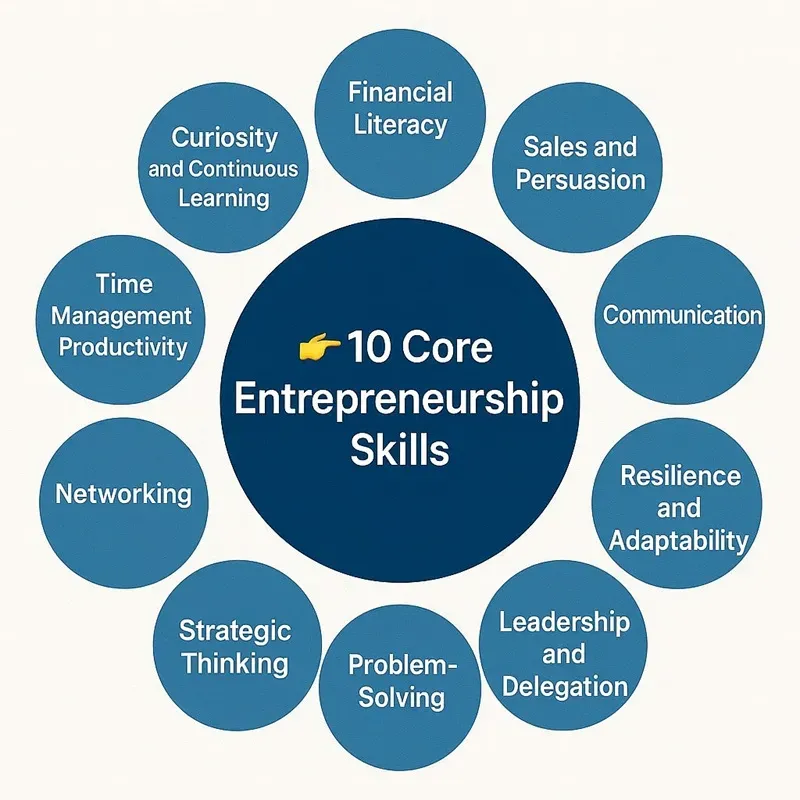
Entrepreneurship skills are the cornerstone of successfully starting a business and navigating the complex landscape of entrepreneurship. Essential for aspiring business owners, these skills not only encompass financial literacy and strategic planning but also extend to leadership in business and effective marketing. In today’s competitive market, comprehending business management theories and developing strong entrepreneur skills can significantly enhance your chances of success. Mastery in these areas equips you with the tools to craft a compelling business strategy and engage with potential clients effectively. As you embark on your entrepreneurial journey, cultivating these vital abilities will pave the way for a thriving business venture.
When we talk about the essential abilities needed to launch a business, we often refer to the vital competencies that empower individuals to succeed in their entrepreneurial endeavors. These competencies include not just the knack for strategic thinking and strong financial management, but also the art of effective marketing for entrepreneurs and the importance of teamwork. Mastering these proficiencies enhances an entrepreneur’s capacity to innovate and adapt to market demands while fostering valuable relationships within their industry. Developing a strong foundation in these entrepreneurial competencies will fortify your preparation and ensure your venture leads to sustained growth.
The Importance of Entrepreneurship Skills in Today’s Business Landscape
In today’s fast-paced world, possessing well-rounded entrepreneurship skills is more valuable than ever. With shifting market dynamics and consumer preferences, these skills equip aspiring business owners to not only survive but thrive. Entrepreneurs need to be versatile, adapting their strategies to meet emerging trends and customer demands. For instance, an entrepreneur skilled in digital marketing can effectively pivot their tactics to capitalize on online consumer behavior, which is increasingly significant in a post-pandemic economy.
Moreover, embracing entrepreneurship skills fosters a proactive mindset. By understanding essential aspects such as business management, marketing for entrepreneurs, and financial literacy, individuals are better prepared to face challenges head-on. Entrepreneurs with robust capabilities in these areas are more likely to innovate and subsequently contribute positively to their respective industries.
Mastering Strategic Planning for Business Success
Strategic planning serves as a cornerstone in the realm of entrepreneurship. It involves a systematic process that ensures that all business activities align with the long-term vision and goals. Entrepreneurs must be adept at identifying opportunities, assessing risks, and carving out a niche in the market. Crafting detailed business strategies invites clarity, allowing business owners to steer their organizations towards growth while minimizing pitfalls associated with inadequate planning.
A comprehensive strategic plan also enhances potential investors’ confidence in your venture. When entrepreneurs articulate a clear path to success backed by solid research and business management principles, they are more likely to attract funding. This financial backing is essential for scaling operations, launching new products, and executing marketing plans effectively.
Financial Literacy: The Backbone of a Successful Business
Financial literacy is not merely a skill; it is an essential lifeline for any entrepreneur looking to establish a sustainable business. Understanding the nuances of budgeting, forecasting, and cash flow management allows business owners to make informed decisions that directly affect the scalability and viability of their enterprises. With a firm grasp of financial concepts, an entrepreneur can better allocate resources, monitor expenses, and invest wisely in business strategies that yield substantial returns.
Additionally, financial literacy promotes transparency and accountability within the business. By being knowledgeable about financial statements and reporting, entrepreneurs can measure performance accurately and identify areas requiring improvement. This level of clarity not only reassures stakeholders but also aids in mitigating risks associated with poor financial management.
Enhancing Marketing Skills for Competitive Advantage
In an increasingly competitive marketplace, marketing is no longer an option; it is a necessity. Entrepreneurs must harness marketing skills effectively to differentiate their brands and connect profoundly with their audiences. By exploring various marketing strategies—from traditional media to innovative digital platforms—entrepreneurs can promote their products and services effectively while capturing the attention of potential clients and investors alike.
Furthermore, entrepreneurs equipped with marketing skills can navigate the intricate landscape of consumer behavior and preferences. An understanding of target demographics, engagement metrics, and market insights enables business owners to tailor their strategies effectively, ultimately enhancing brand loyalty and customer retention. This strategic approach not only boosts sales but also solidifies a company’s reputation within the industry.
Fostering Adaptability and Resilience in Business Practices
Adaptability and resilience are indispensable qualities for entrepreneurs embarking on their business journey. The ability to pivot when confronted with obstacles ensures that a business can survive the inevitable downturns without succumbing to pressure. For instance, during economic downturns or unexpected market shifts, resilient entrepreneurs can reevaluate their business strategies and adjust their operational models to better meet consumer needs.
Embracing adaptability also fosters a culture of innovation within the organization. Entrepreneurs who are open to change often promote an environment where team members feel encouraged to propose new ideas, thus driving creativity and position their businesses advantageously against competitors. This mindset not only helps in overcoming challenges but also positions the business for long-term success.
Networking and Building Meaningful Relationships
Networking is another critical entrepreneurship skill that cannot be overlooked. The power of building relationships within your industry can lead to valuable partnerships and opportunities. Engaging with other entrepreneurs, mentors, and potential clients allows business owners to leverage their networks for insights and support, paving the way for growth and collaboration.
Moreover, a strong network can be instrumental during challenging times. Friends and colleagues within the entrepreneurial community often share resources, advice, and best practices that can help navigate business hurdles. By fostering these connections, entrepreneurs not only enhance their knowledge base but also create a support system that can be invaluable in their growth journey.
Customer Service Excellence as a Competitive Edge
Exceptional customer service skills are pivotal for entrepreneurs eager to create lasting impressions with their clients. Understanding how to engage customers effectively, address their concerns, and provide solutions to their problems builds a foundation of trust and loyalty. Entrepreneurs must invest time in developing these skills, as they play a significant role in enhancing overall customer experience and satisfaction.
A business that prioritizes customer service will often see higher retention rates and strong word-of-mouth referrals. By making each customer interaction positive, entrepreneurs are not only competing on the basis of quality products or services but also on the quality of customer care they provide, thus giving their venture a unique edge in the marketplace.
Frequently Asked Questions
What are the essential entrepreneurship skills needed for starting a business?
Essential entrepreneurship skills for starting a business include strategic planning, financial literacy, marketing proficiency, leadership abilities, adaptability, networking, and exceptional customer service. Mastering these skills will significantly enhance your chances of successfully launching and managing your venture.
How does financial literacy play a role in business management for entrepreneurs?
Financial literacy is crucial in business management as it involves understanding budgeting, cash flow, and financial statements. Entrepreneurs with strong financial skills can make informed decisions that aid in growth and prevent mismanagement of funds, which is a common reason for business failure.
What marketing strategies should entrepreneurs focus on to succeed?
Entrepreneurs should focus on a mix of digital marketing, social media engagement, and traditional marketing methods. Understanding customer needs and effectively communicating your value proposition through these channels is vital for attracting and retaining customers in a competitive market.
Why is leadership important in entrepreneurship?
Leadership is vital in entrepreneurship because it involves motivating and managing a team effectively. Strong leadership skills help entrepreneurs foster a positive work environment, resolve conflicts, and inspire team members to perform at their best, ultimately driving business success.
How can adaptability and resilience enhance an entrepreneur’s success?
Adaptability and resilience are essential entrepreneurship skills that enable business owners to navigate challenges and changes in the market. Entrepreneurs who embrace failure as a learning opportunity can pivot their strategies, helping them build sustainable businesses that thrive over time.
What role does networking play in entrepreneurship?
Networking is a key component of entrepreneurship as it helps in building relationships with mentors, suppliers, and potential clients. Actively engaging in industry events expands your network, providing valuable support, collaboration opportunities, and insights that can enhance your business strategy.
What problem-solving skills are necessary for successful entrepreneurship?
Successful entrepreneurs need critical thinking and creative problem-solving skills to address unique challenges that arise in business. Being solution-oriented helps them evaluate situations effectively, develop actionable strategies, and navigate obstacles that may hinder their business growth.
| Skill | Description |
|---|---|
| Strategic Planning Skills | Creating actionable plans aligned with long-term goals, including business objectives and target audience. |
| Financial Literacy | Understanding financial concepts, budgeting, cash flow management, and reading financial statements. |
| Marketing and Sales Proficiency | Knowledge of marketing strategies including digital and traditional marketing, along with strong sales skills. |
| Adaptability and Resilience | The capability to adapt to changes and recover from setbacks in various market conditions. |
| Leadership and Team Management | Skills in motivating and managing a team, including delegation and conflict resolution. |
| Networking and Relationship Building | Building a professional network for support and opportunities through various events. |
| Customer Service Skills | Providing exceptional service and support to enhance customer loyalty. |
| Time Management | Management of various entrepreneurial tasks through prioritization and goal setting. |
| Problem-Solving and Critical Thinking | Innovative solution-finding techniques for unique entrepreneurial challenges. |
| Risk Management | Understanding and mitigating risks associated with business ventures. |
Summary
Entrepreneurship skills are vital for anyone looking to successfully launch and manage their own business. As we’ve discussed through various points, mastering skills like financial literacy and strategic planning will equip you to face challenges head-on. Moreover, having strong leadership and networking abilities can pave the way for significant opportunities. Engaging in continual learning and development in these areas not only prepares you for potential pitfalls but also enables you to build a resilient and thriving business. So, as you embark on your entrepreneurship journey, remember that honing these skills is not just beneficial; it is essential for achieving long-term success.

