
Listen to this article
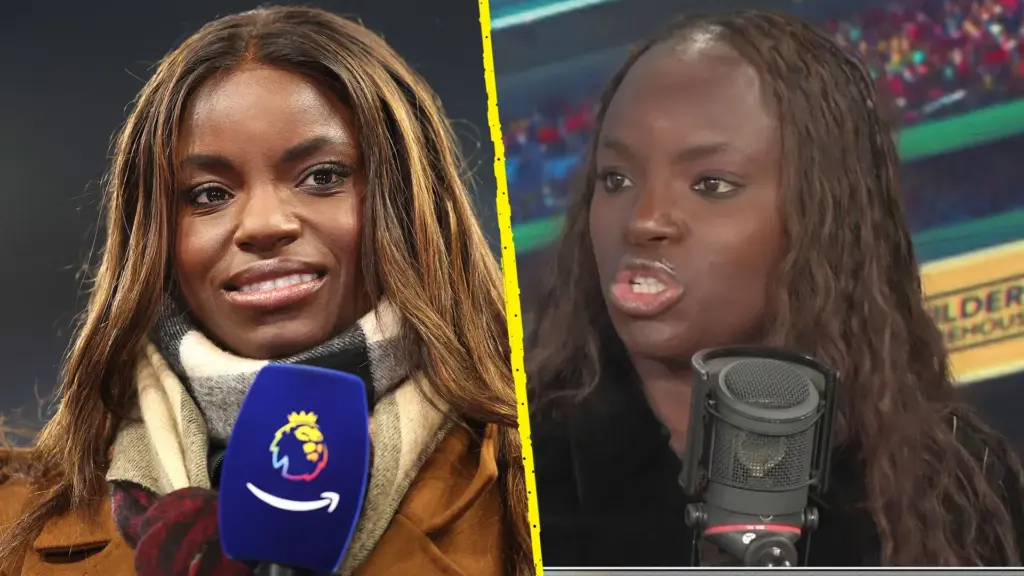
In a heated debate that highlights the complexities of women’s football punditry, Eni Aluko has accused Laura Woods of gaslighting her following comments suggesting Aluko’s remarks could set women’s sport back. This conflict brings to light the ongoing tensions between female pundits and their male counterparts, particularly with male pundits’ impact on women’s opportunities in the industry. Aluko, a former England footballer, has continually criticized figures like Ian Wright for allegedly hindering women’s progression in sports media. In response to Aluko’s plea for a gatekeeping approach to women’s football commentary, Woods made pointed remarks on social media, claiming such views would backtrack the progress women have made in punditry. Aluko’s feelings of being gaslit by Woods’ public comments reveal deeper issues surrounding the representation and treatment of women in sports media, as both pundits navigate the complexities of their professional identities and the nuances of their public discourse.
The ongoing dispute between Eni Aluko and Laura Woods sheds light on the intricate dynamics within the realm of sports commentary, particularly for women. Aluko’s allegations of emotional manipulation come amid a broader conversation about the roles of female voices in an industry still dominated by male pundits. Striving for visibility and respect, women in sports media face unique challenges as they negotiate their narratives against established male figures. The friction between Aluko and Woods encapsulates a common struggle in women’s football, where each comment and critique resonates with the larger fight for gender equality in sports commentary. This feud not only echoes the Aluko-Wright discord but also reflects a crucial dialogue about the place of women in the ever-evolving landscape of punditry.
The Controversy Around Eni Aluko and Laura Woods
The recent public spat between Eni Aluko and Laura Woods has highlighted the sensitive dynamics within women’s football punditry. Aluko’s bold assertion that male pundits, especially notable figures like Ian Wright, are gatekeeping opportunities for female commentators has stirred debate. Woods, responding to Aluko’s comments, argued that such statements risk dragging women’s punditry backward, an assertion that Aluko felt was an example of gaslighting. This incident underscores a larger issue regarding how women navigate the sports media landscape, especially when confronted by established male pundits.
The feud between Aluko and Wright is particularly telling of the challenges female pundits face in a predominately male industry. Aluko’s previous claims regarding Wright’s influence on women’s opportunities have made her a controversial but important voice in this discourse. As the conflicts and reactions continue, they shed light on the broader impact that male pundits have on women in sports media. The confrontation between two prominent figures like Aluko and Woods embodies the tension within the industry as it evolves and seeks equality for female representation.
Gaslighting and Its Impact in Sports Media
Eni Aluko’s reference to feeling gaslit by Laura Woods brings to light an important phenomenon in sports media and public discussions about gender dynamics. Gaslighting, a term often used to describe psychological manipulation that makes someone doubt their perceptions or experiences, can have particularly pronounced effects in environments where women are trying to assert their professionalism. The reactions Aluko received from a peer like Woods illustrate how intra-gender rivalries can complicate the advancement of women in punditry.
The term gaslighting conjures strong emotional responses, especially in the context of professional behavior and credibility. Aluko’s situation exemplifies how a female pundit facing critiques from another woman can lead to feelings of alienation and misunderstanding. This dynamic reflects a greater societal issue where women in sports media must continually navigate the complexities of public perception while battling the impact of male-dominated narratives about their capabilities. As Aluko continues to challenge the status quo, her experiences remind us of the ongoing struggles faced by women in sports.
The Role of Male Pundits in Women’s Football
In her comments, Eni Aluko has emphasized the role of male pundits in shaping the narrative of women’s football, especially concerning their impact on female punditry. She argues that individuals like Ian Wright, despite their contributions, inadvertently contribute to a culture that limits opportunities for women. This brings forth a critical discourse on how male figures in sports can be gatekeepers, either intentionally or unintentionally, hindering the growth of women’s representation in the industry. Woods’ reaction to Aluko’s statements adds another layer, as it reflects the defensive posture many male pundits take to protect their positions in a changing media landscape.
Moreover, the intersection of Aluko’s critique and Woods’ response illustrates the complexities of male influence over women’s sports narratives. The hesitance of some male pundits to support their female counterparts openly can perpetuate a cycle of exclusion. As women like Aluko speak out about these challenges, their voices are crucial in reshaping the conversation around inclusivity in sports media. Recognizing the historical strengths and weaknesses of both men and women in punditry can lay the groundwork for more equitable opportunities.
Understanding Laura Woods’ Position
Laura Woods’ position in the ongoing discourse surrounding women’s football punditry is significant as she attempts to defend the meritocracy of the profession. Her assertion that Aluko’s remarks could harm the perception of women in punditry reflects a desire to maintain professional standards. Woods emphasizes the importance of dialogue and expertise within the sport, suggesting that not all commentary should be accepted uncritically, even from established figures within women’s football. This stance showcases the essence of healthy criticism within the realm of sports media.
Woods’ approach also raises questions regarding the notion of visibility within women’s sports media. It challenges the prevailing narrative that associates being on-screen with expertise and the right to voice opinions. By calling out Aluko’s comments, Woods aims to protect the integrity of the space for female pundits and ensure that discussions remain constructive and forward-looking. This complex relationship among female pundits represents the ongoing evolution of women’s sports commentary, aiming for a balance between critique and support.
The Importance of Representation in Punditry
The clash between Eni Aluko and Laura Woods highlights a crucial aspect of women’s football punditry: representation. As more women strive for visibility and recognition in sports media, the commentaries made by established figures can either uplift or hinder these efforts. Aluko’s calls for gatekeeping in punditry suggest that she believes not just representation, but the quantity and quality of female voices is essential for the sport’s growth. The opinions of established male pundits, however, weigh heavily in the ongoing narrative surrounding women’s roles.
The pressures of representation further emphasize the need for collective support among women in sports media. As Aluko and Woods navigate their differing opinions, they are also reflecting the experiences of many women attempting to carve out space within a male-dominated industry. Ensuring diverse perspectives in commentary can enrich discussions around women’s football and help propel the sport to new heights. The call for more female voices remains urgent as the landscape of women’s sports continues to evolve.
Analyzing the Aluko-Wright Feud
The Aluko-Wright feud sheds light on the complexities of relationships among pundits, especially when discussing sensitive issues such as gender dynamics and representation in football. Aluko’s initial remarks regarding Wright’s influence represent broader frustrations many women feel regarding male-dominated narratives in sports. This feud was not merely a personal spat but a reflection of the discussions surrounding women’s roles in the game, opening a necessary conversation about the structures of power that govern these dynamics.
Critics of Aluko would argue that her comments about Wright could be perceived as divisive, yet her motivations speak to a deeper concern about inclusivity in sports. Wright’s public disappointment reflects the backlash that can arise when prominent figures feel their intentions are misconstrued. The Aluko-Wright conflict illustrates the need for dialogue about how male pundits can consciously work to support female commentators, thus fostering a more inclusive environment within sports media.
Social Media’s Influence on Pundit Discourse
Social media platforms have revolutionized the way pundits engage with fans and each other, offering a space for immediate response and critique. Laura Woods’ commentary on Aluko’s statements through X demonstrates how quickly the public can become involved in discussions of football punditry. This instant interaction can amplify voices but can also contribute to quick escalations in conflicts, as seen with Aluko’s feelings of being gaslit. The immediacy of social media can distract from the substance of conversations, leading to more sensational exchanges rather than constructive dialogue.
The ability to engage directly with audiences on social media has given pundits, particularly women, new avenues to share their perspectives and experiences. However, this also invites scrutiny and backlash, as Aluko’s recent experiences illustrate. The pressure to maintain a specific public image can lead to instances where women feel compelled to defend their critiques or experiences. Managing one’s professional identity in the public sphere thus becomes an essential skill for female pundits, necessitating a careful balance between authenticity and professionalism.
Navigating Professional Relationships in Sports Commentary
The professional relationships among pundits are critical in shaping the discourse around women’s football. Eni Aluko’s experiences with Laura Woods illustrate the intricacies of peer interactions within a competitive environment. Building rapport is essential, yet disagreements can fracture relationships and lead to public disputes that capture media attention. Navigating these relationships with respect and professionalism is paramount to ensure a collaborative atmosphere, especially as women push for recognition in an industry often governed by male narratives.
The nuances of professional relationships are further complicated in a field where visibility equates to credibility. Aluko’s feelings of being gaslit reflect the emotional toll that such interactions can take. As women like Aluko continue to advocate for their place in football commentary, they also highlight the importance of supportive networks among female pundits. Fostering a sense of solidarity can bolster the presence of women in sports media and challenge the existing power structures that have historically sidelined their voices.
Future Prospects for Women in Football Punditry
The current discourse surrounding figures like Eni Aluko and Laura Woods signals a potential turning point for women in football punditry. As debates continue about the role of male pundits and the challenges female commentators face, there is a growing recognition of the need for change. Initiatives to promote inclusivity and equity in sports media are becoming more prevalent, opening doors for new voices to enter the field. This shifting landscape presents unique opportunities for women to redefine their positions and assert their influence in football commentary.
Looking ahead, the future of women in sports media appears promising as more individuals challenge outdated norms and advocate for representation. Aluko’s strong stance against the gatekeeping practices of male pundits can inspire further conversations about the value of diverse perspectives in football. The evolution of women’s punditry must prioritize equity and support to ensure that all voices are heard and respected, paving the way for a more inclusive and vibrant media landscape that accurately reflects the realities of women’s football.
Frequently Asked Questions
What happened between Eni Aluko and Laura Woods regarding gaslighting accusations?
Eni Aluko accused Laura Woods of gaslighting her after Woods criticized Aluko’s remarks on male pundits’ impact on women’s football punditry. Aluko stated that Woods’ comments were detrimental to women’s punditry and implied that Aluko’s views were regressive.
How did Aluko’s views on male pundits like Ian Wright lead to the feud with Laura Woods?
Aluko’s criticism of male pundits, particularly Ian Wright, suggested they were hindering opportunities for female pundits in sports media. This retrospective view reignited the feud and led to Woods’ backlash, asserting Aluko’s remarks would harm women’s football punditry.
What are the implications of Eni Aluko’s comments on women’s football and punditry?
Eni Aluko’s comments highlighted the ongoing challenges women face in sports media, drawing attention to the gatekeeping by male pundits. This discourse emphasizes the need for more equitable representation in women’s football punditry.
What did Laura Woods say about Eni Aluko’s statements in reaction to the gaslighting accusations?
Laura Woods expressed that Aluko’s comments would ‘drag women’s sport backwards’ and critiqued the impact her statements might have on women’s punditry in various sports, underscoring the importance of unity and progress in women’s sports media.
Why did Eni Aluko refer to feeling gaslit by Laura Woods?
Eni Aluko felt gaslighted because Woods, who previously praised her as a pundit, publicly criticized Aluko’s standpoint on male pundits. Aluko believed this contradicted Woods’ prior support and suggested an insinuation that Aluko did not meet the standards for punditry.
What does the feud between Aluko and Wright reveal about women in sports media?
The Aluko-Wright feud reveals the underlying tensions regarding representation and the perceived influence of male pundits over women’s opportunities in sports media, highlighting the need for a more supportive environment for women in football punditry.
How can Eni Aluko’s allegations about male pundits impacting women’s punditry be interpreted?
Aluko’s allegations underscore the systemic barriers women face in football punditry, suggesting that the dominance of male pundits, like Ian Wright, can overshadow female voices and limit their representation in the industry.
| Key Point | Details |
|---|---|
| Gaslighting Accusation | Eni Aluko accuses Laura Woods of gaslighting her regarding her critique on women’s punditry. |
| Criticism of Comments | Woods states that Aluko’s remarks hinder the progress of women’s sport and punditry. |
| Background of Feud | Aluko criticized male pundit Ian Wright for limiting opportunities for female pundits. |
| Aluko’s Experience | Despite her accolades in football, Aluko feels undervalued as a pundit compared to her male counterparts. |
| Emotional Response | Aluko expresses disappointment at the insinuation that her abilities do not meet the perceived standard. |
| Support for Women | Aluko acknowledges the importance of young boys supporting women’s football, indicating shift in perceptions. |
Summary
Eni Aluko gaslighting Laura Woods represents a significant moment in the dialogue surrounding women’s punditry and the experiences of female commentators in sports. Aluko’s accusations highlight the complexities involved in advocating for greater representation in male-dominated areas, while also addressing criticism from fellow professionals like Woods. This discourse sheds light on the ongoing challenges faced by women in sports media, indicating that while progress is being made, the fight for equality still requires constant effort from within the community.

