Listen to this article
The Eni Aluko controversy has reignited discussions in the realm of women’s football, particularly surrounding the roles of male pundits in broadcasts of women’s matches. Aluko’s bold assertion that female pundits should take precedence over their male counterparts has stirred a significant public debate. With the next major event, the Euro 2025, fast approaching, her criticism regarding the lack of female representation among broadcasters has garnered attention. This controversy underscores the broader issue of female pundit representation and raises questions about how broadcasting decisions impact the visibility of women’s football. As major networks continue to wrestle with their choices, the call for equitable representation remains a focal point in shaping the future of sports commentary.
The recent uproar concerning Eni Aluko’s remarks highlights a critical examination of gender dynamics within sports commentary, particularly as it pertains to female analysts in football. Aluko’s perspective challenges the status quo by proposing that women ought to be prioritized in broadcast roles, especially as the women’s game gears up for future competitions like Euro 2025. This debate also brings to light the implications of having male pundits overshadow their female colleagues in what is perceived as a traditionally male-dominated industry. Aluko’s viewpoints open up a necessary dialogue about inclusivity and access in the sports broadcasting arena, examining how the actions of veteran analysts reflect on the burgeoning landscape of women’s football. The controversy signifies a turning point as commentators and audiences alike advocate for a more balanced representation in sports media.
The Eni Aluko Controversy: Pushing for Female Representation in Women’s Football
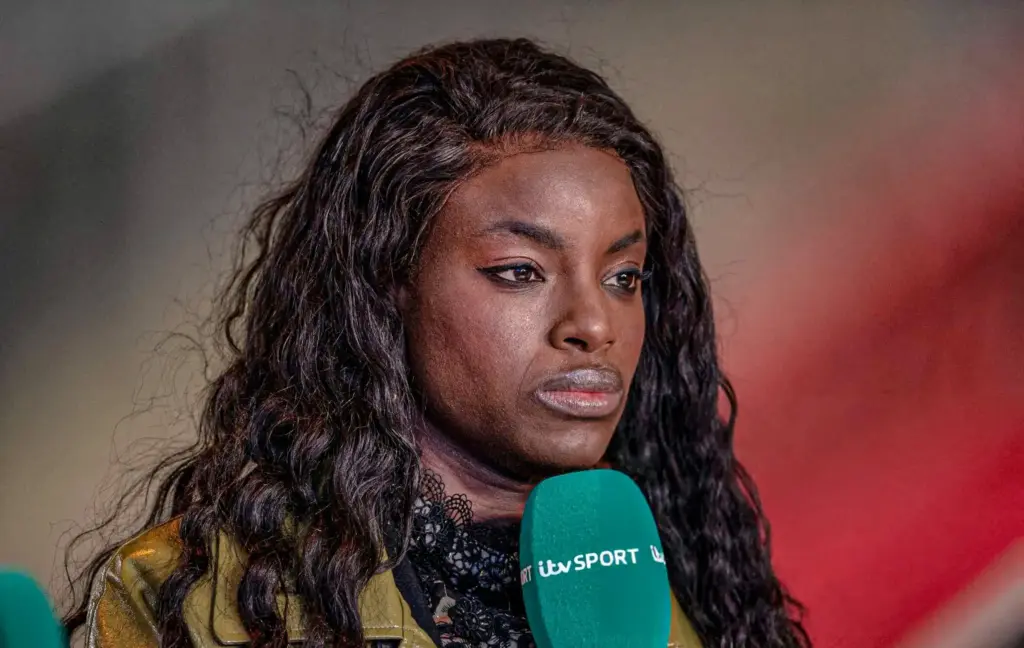
Eni Aluko has once again become a controversial figure in the realm of women’s football punditry with her recent remarks on the role of male pundits in broadcasts of women’s matches. Her assertion that female pundits should have prominence over their male colleagues during women’s football coverage has ignited a lively discussion about gender representation in sports media. Aluko contends that the historical context where women have been sidelined in sports commentary needs to shift, especially in areas where female players are the focal point.
Her comments come as a reaction to her own experiences while attempting to secure major broadcasting roles, notably during significant events such as the Women’s Euro 2025 final. Aluko’s feelings of being overlooked, alongside her fellow pundit Fara Williams, highlights broader issues that female commentators face in a landscape traditionally dominated by men. This controversy has called into question the effectiveness and fairness of current broadcasting practices in sports, specifically regarding the necessity of equal representation in women’s football.
The Role of Male Pundits in Women’s Football Broadcasting
The debate surrounding Aluko’s comments brings to light the ongoing presence of male pundits in women’s football and the implications this has for broadcasts of women’s matches. Supporters of female pundit representation argue that having male commentators in prominent roles often undermines the visibility of Women’s football and its athletes, reducing their stories to mere side notes in commentary focused primarily on the men’s game.
Moreover, as the landscape of women’s sports continues to evolve, many believe that the focus should shift toward amplifying female voices. The argument posits that male pundits, while knowledgeable, often dominate discussions, which can hinder the growth and inclusiveness of women’s football. Advocates for change argue that broadcasting decisions must favor those who genuinely bring the most relevant insights about women’s sport to the table, indicating a pressing need for broadcasters to reassess their talent choices.
Balancing Gender Representation in Sports Commentary
Laura Woods has weighed in on the importance of balanced gender representation in sports commentary, where a diverse mix of voices can enhance viewer experience. She argues that providing equal airtime for both male and female pundits is essential, but it shouldn’t come at the cost of quality or insight. Woods contends that qualifications for being a successful pundit aren’t solely based on playing experience but also on the ability to communicate effectively, engage with the audience, and provide insightful commentary.
This perspective opens a broader dialogue on what constitutes effective punditry in women’s football. It’s crucial for networks to focus on talent beyond just gender, ensuring that audiences receive high-quality content, regardless of whether it comes from male or female pundits. This approach could, ultimately, foster a more inclusive environment that champions the women’s game while still acknowledging the contributions of male commentators where appropriate.
Impact of the Euro 2025 Broadcasting Influences
The upcoming Euro 2025 tournament is set to be a significant moment for women’s football, not just on the field but also in terms of its broadcast coverage. As controversies arise regarding pundit selection and representation in media, this event could be a pivotal opportunity to lay the foundation for a new standard in how women’s football is presented to the public. With Aluko’s remarks making headlines, it raises the stakes for broadcasters to not only make decisions based on talent but also to ensure that female voices are adequately represented.
The importance of representation cannot be overstated, especially in light of the Euro 2025 broadcasting controversy. This tournament offers a chance for networks to reshape perceptions and prove their commitment to gender equality in sport. By creating an inclusive platform that showcases both male and female pundits in equal measure, broadcasting decisions made during this event could set a precedent for future competitions, potentially transforming the landscape of sports commentary for women.
Female Pundit Representation: A Call for Change
The call for enhanced female pundit representation in sports media has gained momentum, especially following Eni Aluko’s critiques. Many believe it is crucial to prioritize women for broadcasting roles in women’s football, as this not only validates the contributions of female athletes but also resonates with audiences seeking authentic connections to the sport. By elevating female pundits, networks can create a more relatable viewing experience for fans, showcasing the depth of knowledge and passion that exists in the women’s game.
Furthermore, empowering female commentators can start to dismantle the traditional narratives that have long dominated sports media. When women’s football is covered predominantly by men, it risks presenting a skewed perspective that fails to highlight the unique stories and experiences of female players. Advocates argue that fostering a diverse pool of pundits can enrich dialogues surrounding the sport, and ultimately lead to a more comprehensive and celebratory representation of women’s achievements.
The Future of Women’s Football Commentary
Looking ahead, the future of commentary in women’s football could provide exciting opportunities for female pundits, particularly as consciousness surrounding gender representation grows. With influential platforms like Euro 2025 on the horizon, there is a unique chance to redefine what sports commentary looks like. It is imperative for stakeholders to ensure that women are not only included but celebrated in the discourse of women’s sports.
As these conversations unfold, networks must remain vigilant in their broadcasting choices, actively seeking to highlight the stories of female athletes through a diverse range of commentators. By creating an environment where female pundits thrive, sports media can foster a culture of empowerment that reflects the genuine dynamics and narratives of women’s football, encouraging future generations of players and fans alike.
Gaining Allyship in Women’s Football Media
The issue of allyship in the realm of women’s football media has surfaced poignantly during this controversy. Aluko’s remarks about Ian Wright’s role and responsibilities as a male pundit illuminate the complexities of allyship. True support involves not only acknowledgment but also active engagement in promoting opportunities for female peers within the industry. This highlights a need for male colleagues to leverage their status to elevate female voices, serving as advocates rather than gatekeepers.
However, narratives of allyship can be nuanced. Critics of Aluko’s stance, like Laura Woods, argue that focusing too heavily on exclusionary practices may detract from a more inclusive approach to sports commentary. Real progress comes from collaborating across gender lines to create diverse panels that reflect the richness of women’s football. For the media landscape to evolve effectively, it is essential for all commentators, regardless of gender, to work together in furthering the profession’s equity.
The Influence of Audience Preferences on Broadcasting Choices
As the landscape of women’s football evolves, so do audience preferences for who they see representing them on broadcasts. Viewers are increasingly calling for representation that reflects their own identities and experiences, prompting broadcasters to reevaluate their talent lineups. This shift could lead to greater demand for female pundits and ensure that broadcasts of women’s matches feature those who truly resonate with the audience.
Moreover, understanding audience preferences offers networks an opportunity to engage in strategic broadcasting that leads to greater visibility and validation for female athletes. By employing a mix of talent that adequately represents the female game, broadcasters not only cater to viewer demands but also fortify their commitment to the growth of women’s sports. Creating compelling narratives through diverse commentary can enhance fans’ connection to the game and promote greater investment in women’s football as a whole.
Building an Inclusive Narrative in Women’s Football
Developing an inclusive narrative around women’s football is fundamental to promoting the sport and its commentators. Eni Aluko’s comments serve as a catalyst for bigger conversations about who tells the stories of female athletes and how those narratives shape public perception. Thus, broadcasters face the challenge of fostering a culture that actively celebrates women’s contributions to the sport while ensuring that all voices are represented.
To build this inclusive narrative effectively, media outlets must take proactive steps to elevate the voices of female pundits. Engaging female experts not only enhances the narrative presented during broadcasts but also empowers a new generation of women in sports media. Ultimately, this inclusivity is essential for the legitimacy and growth of women’s football in a competitive sporting environment.
Frequently Asked Questions
What is the Eni Aluko controversy related to women’s football pundits?
The Eni Aluko controversy revolves around her recent comments suggesting that women’s football broadcasts should feature more female pundits than male pundits. Aluko feels that female representation is often overlooked, especially in pivotal broadcasting positions. Her remarks were sparked by her exclusion from key roles during the Women’s Euro 2025 final, where male pundits were favored over her and fellow pundit Fara Williams.
How did Eni Aluko’s comments affect the discussion about male pundits in women’s football?
Eni Aluko’s comments heightened discussions about the role of male pundits in women’s football. She argued that male pundits typically occupy a dominant position in broadcasts and proposed that this should change to elevate female pundits. Her statements have prompted debates regarding the inclusivity and representation of women in sports broadcasting.
What critiques did Laura Woods offer regarding the Eni Aluko controversy?
Laura Woods challenged Eni Aluko’s stance by arguing that framing the women’s game as ‘by women for women’ could create barriers, or ‘gatekeeping’, which might hinder the growth of women’s football. Woods emphasized the importance of qualities beyond playing experience, such as communication skills, for effective punditry.
Why does Eni Aluko believe women should have a more significant role in broadcasting women’s matches?
Eni Aluko advocates for increased female representation in the broadcasting of women’s matches because she believes that the contributions of female players and pundits are often undervalued. She argues that the success of women’s football is largely due to female athletes, and their perspectives should take precedence in coverage.
What was Ian Wright’s response to Eni Aluko’s accusations about support in media opportunities?
Ian Wright faced accusations from Eni Aluko regarding his lack of support in helping her secure broadcasting opportunities. However, Aluko’s supporters defended Wright, citing his longstanding commitment to promoting women’s football and his historical involvement with the England Women’s team.
How has the Euro 2025 broadcasting controversy evolved from Eni Aluko’s comments?
The Euro 2025 broadcasting controversy evolved from Eni Aluko’s challenge about the representation of female pundits. This sparked discussions about the balance of male and female talents in sports commentary. Critics, like Laura Woods, argue that the mixed approach in broadcasting has been successful, as evidenced by the accolades received for ITV’s coverage.
What are the implications of Eni Aluko’s call for change in female pundit representation?
Eni Aluko’s call for increased female pundit representation in women’s football broadcasting highlights ongoing issues of gender inequality in sports media. It emphasizes the need for equitable opportunities and visibility for women, potentially leading to a more diverse and inclusive environment in sports journalism.
| Key Point | Details |
|---|---|
| Eni Aluko’s Comments | Aluko suggested that women’s football broadcasts should prioritize female pundits over men. |
| Public Debate | Her remarks ignited discussions about gender representation in sports commentary. |
| Personal Frustration | Aluko felt overlooked for major roles in broadcasting during key events. |
| Laura Woods’ Response | Woods countered that the ‘women for women’ view could harm inclusivity and development. |
| Accusations Against Ian Wright | Aluko accused Wright of not using his influence to promote her career opportunities. |
| Defenders of Wright | Supporters highlighted Wright’s historical support for women’s football and his contributions. |
| Aluko’s Clarification | She does not seek complete exclusion of men but emphasizes the importance of female focus in women’s football. |
| ITV’s Approach | Woods defended ITV’s balanced male and female mix in punditry, noting an award for their Euro 2025 coverage. |
Summary
The Eni Aluko controversy highlights significant discussions surrounding gender representation in sports commentary. Eni Aluko’s assertion that women’s football broadcasts should favor female pundits over male counterparts has prompted a heated debate about inclusivity and effectiveness in sports media. While Aluko’s frustration with her sidelined role is understandable, the opposing viewpoints from pundits like Laura Woods emphasize the importance of a diverse broadcasting team. Ultimately, this controversy sheds light on broader issues within the sporting community, advocating for equal opportunities and representation for both male and female pundits.