
Listen to this article
Energy efficiency targets for social homes are a critical element in the ongoing effort to upgrade housing standards and reduce living costs for tenants. As part of Labour’s ambitious plans, the aim is to elevate all social housing to achieve a minimum energy performance certificate (EPC) rating of C by 2030. This initiative is designed not only to alleviate affordability concerns in housing by lowering fuel bills but to also align with national climate goals in social housing. However, recent revisions have granted social landlords more flexibility in meeting these targets, addressing previous apprehensions expressed by councils about the financial burden of compliance. As social housing energy targets become more attainable, the focus remains on ensuring that these upgrades enhance energy performance ratings, contributing to a more sustainable future for disadvantaged communities.
The issue of enhancing energy efficiency in social housing has become increasingly vital amidst rising living costs and urgent climate change discussions. With the government’s revised approach to minimum energy performance ratings for affordable homes, attention is now on ensuring these housing units meet modern EPC standards. This strategy seeks to balance the social responsibility of providing safe, well-insulated homes with the practicality of managing costs and economic constraints. By addressing these challenges, the aim is to foster a more sustainable housing environment that not only meets energy performance goals but also alleviates financial burdens on residents. Ultimately, the transformation of social dwellings into energy-efficient structures is a step toward fulfilling broader climate sustainability objectives, reinforcing community resilience.
Understanding Energy Efficiency Targets for Social Homes
Energy efficiency targets for social homes have become a focal point in the ongoing dialogue surrounding social housing reforms in England. With Labour’s introduction of these minimum energy performance ratings, the goal is to lower tenants’ fuel bills while simultaneously working towards crucial climate goals. One of the critical aspects of this initiative revolves around the Energy Performance Certificate (EPC) standards. By aiming for all social homes to achieve at least a C rating by 2030, the government illustrates its commitment to fostering affordable and sustainable living conditions for all individuals.
However, the recent decision to extend deadlines and grant more flexibility to social landlords raises important questions about the efficacy and feasibility of achieving these energy efficiency targets. Many social homes currently fall below the desired energy performance ratings, highlighting the challenge ahead. The government’s revised timetable not only aims to ensure these upgrades are financially manageable but also stresses the importance of balancing ecological needs with economic realities in the housing landscape.
Frequently Asked Questions
What are the new energy efficiency targets for social homes in England?
The new energy efficiency targets for social homes in England aim for all properties to reach a minimum Energy Performance Certificate (EPC) score of at least C by the year 2030. This initiative is designed to reduce fuel bills for tenants and align with broader climate goals.
How will EPC standards for social homes impact tenants?
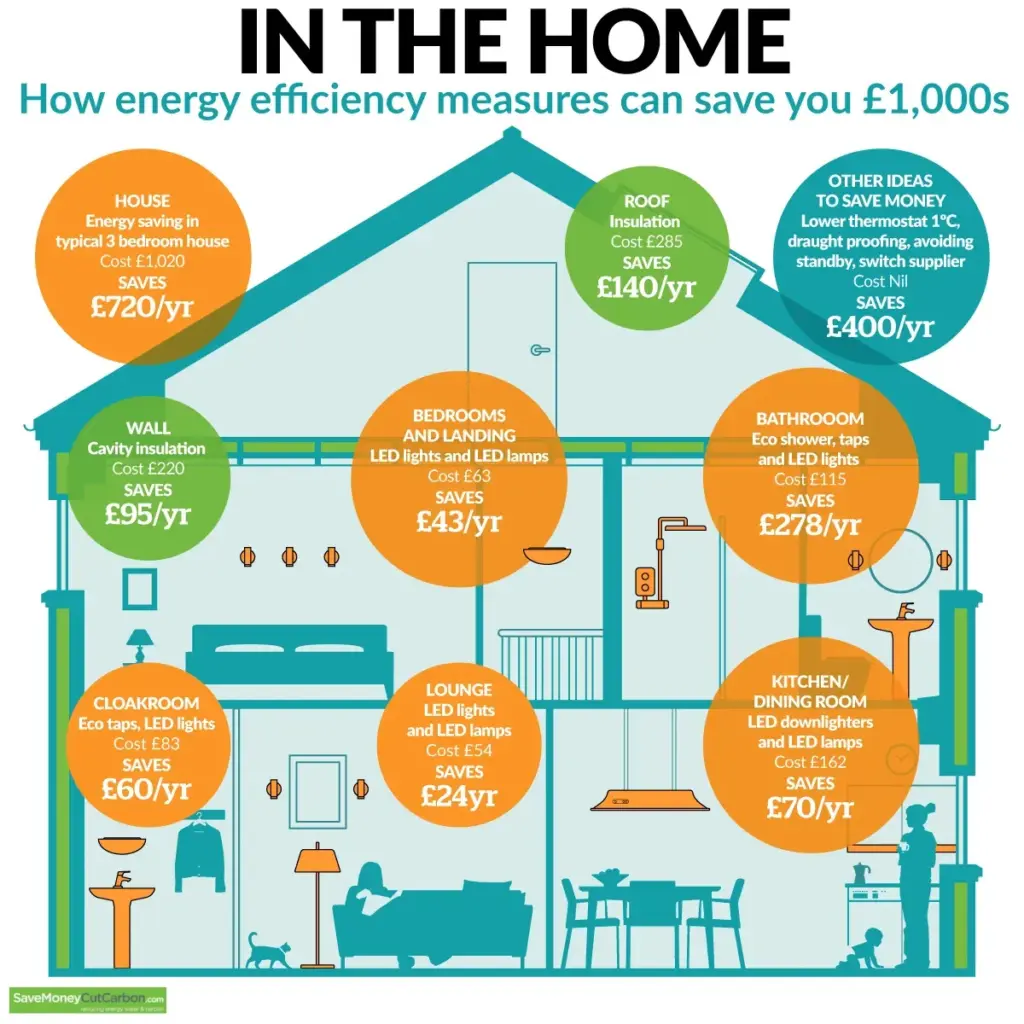
The implementation of EPC standards for social homes is expected to enhance energy efficiency, resulting in lower energy costs for tenants. By achieving a C rating or higher, social homes will be equipped with improved insulation and heating systems, creating more affordable living conditions.
What measures are being taken to ensure social housing energy targets are met?
To meet the social housing energy targets, the government has introduced a revised plan allowing more time and flexibility for social landlords. By 2030, providers can achieve the required EPC C rating through improvements in insulation, heating systems, or low-carbon technologies, addressing affordability concerns.
What challenges are associated with meeting energy performance ratings for social homes?
Challenges in meeting energy performance ratings for social homes include high costs of upgrades, which are estimated between £7.8bn and £8.2bn. The financial burden arises from the need to implement infrastructure such as heat pumps, solar panels, and improved insulation to meet EPC standards.
Is there a timeline for achieving energy efficiency targets in social housing?
Yes, the timeline for achieving energy efficiency targets in social housing includes a phased approach where social homes must meet a minimum EPC C rating by 2030. Additionally, the government has extended the deadline to 2039 for full compliance, allowing for better planning and resource allocation.
What are the potential benefits of improving energy efficiency in social homes?
Improving energy efficiency in social homes can lead to several benefits, including reduced energy bills for tenants, enhanced comfort through better insulation, and contributions to climate goals. Proper implementation of these upgrades can also alleviate issues of fuel poverty among low-income households.
How do affordability concerns affect the implementation of energy efficiency targets for social homes?
Affordability concerns significantly impact the implementation of energy efficiency targets for social homes. The costs associated with necessary upgrades have prompted the government to offer more flexible compliance deadlines, ensuring that housing providers can balance financial capacity for new builds while upgrading existing homes.
What role do housing associations play in achieving social housing energy targets?
Housing associations are crucial in achieving social housing energy targets by overseeing the upgrades necessary to meet EPC standards. They engage in planning and execution of energy efficiency improvements, ensuring that commitments to both enhance existing properties and construct new social homes are met.
What types of upgrades are needed for homes to meet energy performance standards?
To meet energy performance standards, homes may need various upgrades, including improved insulation, the installation of energy-efficient heating systems, integrating low-carbon technologies such as smart meters and heat pumps, and enhancements like double glazing.
How does the government plan to support the energy efficiency upgrades in social homes?
The government plans to support energy efficiency upgrades in social homes by extending compliance deadlines and providing guidance to housing providers. This support aims to facilitate the gradual transition to meeting EPC standards while ensuring financial feasibility for councils and housing associations.
| Key Point | Details |
|---|---|
| Energy Efficiency Targets | Labour plans for social homes in England to meet a minimum EPC rating of C by 2030, with a new assessment system in place. |
| Current Status | Approximately 1.1 million social homes need upgrades as they currently fall below the C rating. |
| Flexibility for Providers | Ministers have decided to give social landlords more time and options for compliance, suggesting phased deadlines. |
| Cost Concerns | The estimated cost for upgrades ranges from £7.8bn to £8.2bn, with previous plans criticized for affordability. |
| Implementation Feedback | The National Housing Federation supports the new timelines, while consumer protection groups desire faster action to alleviate fuel poverty. |
Summary
Energy efficiency targets for social homes have been adjusted to reflect the financial realities faced by housing associations and councils. The Labour government’s revised approach aims to balance the ambitious goal of all social homes achieving an EPC rating of at least C by 2030 with the practicalities of implementation, ensuring that providers are not overburdened financially. While this strategy extends deadlines and allows for more flexible compliance, stakeholders continue to push for comprehensive solutions that not only meet energy efficiency goals but also prioritize tenant welfare by minimizing energy costs.