Listen to this article
Endometriosis is a chronic and often painful condition that affects millions of women worldwide, yet remains largely misunderstood. This disorder arises when tissue similar to the lining of the uterus grows outside the uterine cavity, leading to debilitating symptoms that can severely impact quality of life. Unfortunately, many women experience significant delays in endometriosis diagnosis, sometimes enduring painful symptoms for nearly a decade before receiving appropriate medical attention. As advocates raise awareness about endometriosis pain and its symptoms, it becomes crucial for society to understand the importance of early diagnosis and effective management options. With ongoing endometriosis advocacy, efforts are being made to change perceptions and improve support for those afflicted, paving the way for a brighter future in women’s health.
Often referred to as a complex reproductive health condition, endometriosis manifests through the presence of endometrial-like tissue outside the uterus, causing a range of physical and emotional challenges. Many women with this condition report experiencing severe pelvic discomfort, irregular menstrual cycles, and other distressing symptoms similar to those associated with hormonal imbalances or pelvic inflammatory disease. The misdiagnosis of this condition is alarmingly common, prompting significant discourse around the need for enhanced training and awareness among healthcare providers. As the conversation surrounding women’s health evolves, it is essential to ensure that endometriosis is recognized not just as a medical issue, but as a pivotal aspect of women’s rights and health advocacy. Increased support for endometriosis awareness initiatives can empower women while fostering a healthcare system that prioritizes timely and accurate diagnosis.
Understanding Endometriosis: A Personal Journey
Endometriosis is a chronic condition that affects countless women across the globe, like Amy Peckham-Driver, who endured years of severe pain prior to receiving her diagnosis. The journey to understanding and addressing this often-misunderstood disease begins with acknowledging the pain and suffering that many women, including Amy, experience. Symptoms of endometriosis can include debilitating abdominal pain, heavy menstrual bleeding, and gastrointestinal distress, but these signs are frequently overlooked or misdiagnosed by healthcare professionals. Yet, the strength of women like Amy, who bravely share their stories, sheds light on the realities of living with endometriosis.
The personal narratives surrounding endometriosis also illustrate how deeply this condition impacts not just physical health, but mental and emotional wellbeing. Ami Clarke’s experience reflects a critical gap in endometriosis awareness: too many young women are dismissed when they seek help for their pain. Misdiagnoses lead to failings in proper treatment, exacerbating stress and anxiety levels. As Amy fights for recognition and treatment, she highlights the importance of advocacy for every woman who has felt unheard, and underscores the need for more informed healthcare providers committed to understanding endometriosis.
The Long Road to Endometriosis Diagnosis
The journey to endometriosis diagnosis can be fraught with obstacles and frustrations. According to research from Endometriosis UK, the average wait time for an accurate diagnosis is over nine years, leading many women, like Faye Ramsey, to a prolonged state of uncertainty and pain. The symptoms of endometriosis can often mimic those of other medical issues, leaving healthcare providers unsure and patients feeling hopeless. Women often visit multiple specialists, yet many remain undiagnosed for years, exacerbating their condition and leading to significant emotional distress.
The importance of timely and accurate diagnosis cannot be overstated. As advocates call for systemic changes in treatment protocols, the urgency for improved endometriosis advocacy has never been more critical. A diagnosis should not take a decade, and with efforts from organizations like Endometriosis UK, the aim is to reduce this timeline to one year or less by 2030. It is vital that awareness about the signs and symptoms of endometriosis reaches both women and healthcare providers, fostering environments where concerns are met with the seriousness they deserve.
Symptoms of Endometriosis: Recognizing the Signs
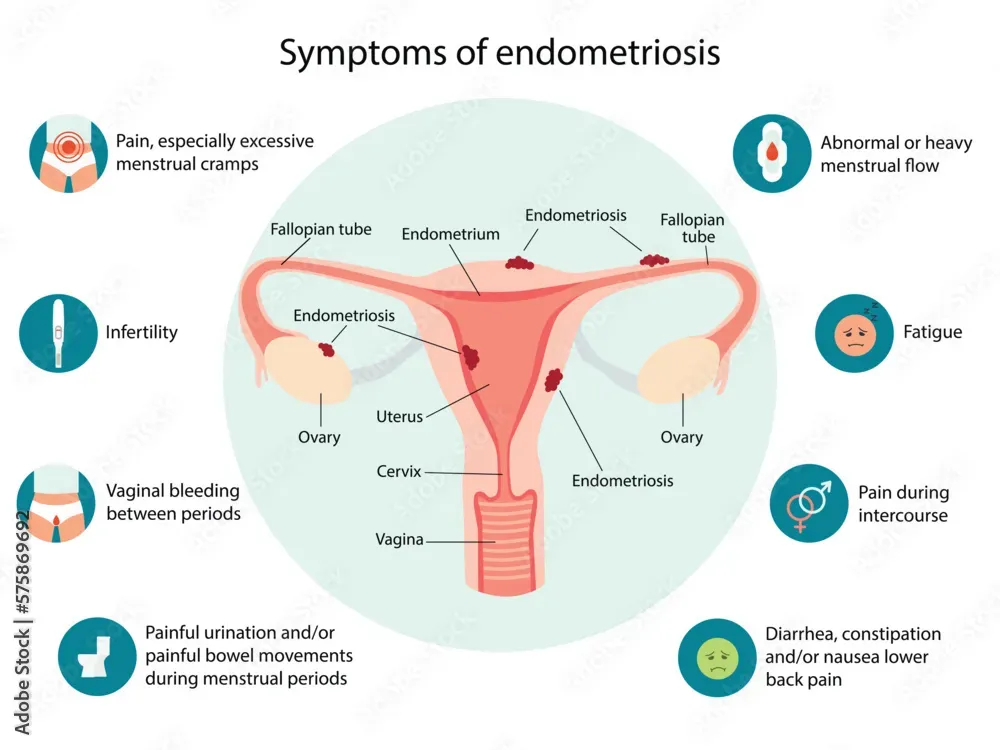
Symptoms of endometriosis can vary significantly from one woman to another, complicating both recognition and diagnosis. While many women experience excruciating pelvic pain, this symptom can sometimes be dismissed as normal menstrual discomfort. Patients like Amy and Ami recount instances where their symptoms were minimized, leading to years of untreated pain. Heavy menstrual bleeding, pain during intercourse, and gastrointestinal issues are but a few manifestations that can indicate endometriosis, and awareness of these signs is paramount for early intervention.
Recognizing the symptoms of endometriosis is a vital step toward achieving better health outcomes. Unfortunately, the emotional toll of living with a chronic condition can lead to mental health challenges, compounding the overall burden of the disease. Advocates emphasize that by understanding the full spectrum of symptoms associated with endometriosis, more women can seek the appropriate care they need without feeling dismissed or invalidated. Education is an essential tool in this battle, empowering women to advocate for themselves and demand the careful consideration their health deserves.
The Importance of Advocacy in Endometriosis Awareness
Endometriosis awareness has gained momentum thanks to passionate advocates fighting for change in how this condition is perceived and treated. Women like Ami Clarke, who have bravely shared their stories, spotlight the urgent need for improved understanding and education surrounding endometriosis. Advocacy efforts aim to inform both the public and healthcare professionals about the reality of living with this chronic illness, with the hope that increased recognition will lead to better funding for research and quicker access to treatment.
Systems that currently overlook the issues surrounding endometriosis often lead to delayed diagnoses and inadequate treatment. The call for enhanced endometriosis advocacy is loud and clear. Organizations like Endometriosis UK are at the forefront of these initiatives, pushing for legislative changes to ensure women receive proper care and support. The goal is not only to reduce diagnosis times but also to foster a healthcare environment that prioritizes compassion and understanding of women’s health issues, paving the way for better outcomes.
Overcoming Emotional and Mental Health Challenges with Endometriosis
Living with endometriosis can take a significant toll on a woman’s mental health. The feelings of isolation, frustration, and despair—given the lengthy diagnosis process—can lead to anxiety and depression, as highlighted by Ami Clarke’s journey. Women may feel their pain is not recognized or understood, creating barriers to emotional well-being and quality of life. It is crucial for healthcare providers to consider the psychological impact of chronic health conditions like endometriosis alongside physical symptoms for comprehensive patient care.
Support systems, including therapy and support groups, can be integral for women navigating the emotional landscape of endometriosis. By joining forces with fellow sufferers, women can share their experiences, fostering a sense of community and understanding that helps combat feelings of loneliness. The importance of mental health care in conjunction with treatment for physical symptoms is undeniable; effective management of endometriosis should encompass both dimensions of health, affirming the need for holistic approaches in patient care.
The Impact of Delayed Treatment on Women with Endometriosis
Delayed treatment for endometriosis can have profound implications on women’s lives, affecting their physical health, career trajectories, and interpersonal relationships. For instance, Faye Ramsey’s continued struggles with symptoms post-diagnosis underscore how inadequate care can lead to chronic pain that disrupts everyday life. The lack of timely intervention often transforms menstrual health issues into larger, more complex medical problems, causing unnecessary suffering and diminished quality of life.
Moreover, the societal impact of delayed treatment can extend beyond the individual, affecting families and workplaces. The need for education and increased awareness about endometriosis among employers and coworkers is vital, enabling more supportive environments for those affected. Understanding the trajectory of endometriosis—from symptom onset to diagnosis—can prompt changes in workplace policies that accommodate the unique challenges faced by women suffering from this condition.
Future Directions for Endometriosis Research
Advancing research on endometriosis is crucial for uncovering effective treatment options and possibly, routes to prevention. Advocacy groups like Endometriosis UK strive to increase funding and support for comprehensive studies aimed at better understanding the condition’s origins, progression, and impacts. As researchers aim to develop more precise diagnostic tools and treatment protocols, the knowledge gained can significantly alter how we approach endometriosis management in the future.
Moreover, an increased focus on research not only holds the key to medical breakthroughs but also fosters greater awareness within society. By highlighting the urgent need for research, advocates can help to elevate endometriosis on the public health agenda, ensuring that it receives the attention and resources needed to improve the lives of millions of women. The future of endometriosis research promises new insights that could transform patient care and redefine what living with this condition looks like.
The Role of Healthcare Providers in Endometriosis Management
Healthcare providers play an essential role in managing endometriosis, yet many still lack adequate training and understanding of the condition. The narratives of women like Amy and Faye reveal a concerning trend: dismissive attitudes during initial consultations can lead to prolonged suffering. For effective endometriosis management, it is critical that medical professionals not only recognize the physical symptoms but also address the emotional needs of their patients with empathy and care.
To bridge the gap in effective treatment, ongoing education for healthcare providers regarding the latest findings in endometriosis research is paramount. This includes understanding the psychological implications of the disease and promoting a multidisciplinary approach to treatment that incorporates both medical and psychological support. A collaborative effort among specialists can facilitate a more accurate diagnosis and tailored treatment plans, ultimately improving the patient experience and health outcomes for women living with endometriosis.
Empowering Women: Sharing Stories and Building Community
Sharing stories about living with endometriosis not only empowers the individuals involved but also creates a supportive community that fosters healing and understanding. When women like Ami and Amy publicly speak about their experiences, it encourages others to vocalize their own struggles, reducing feelings of isolation. Community-building initiatives, including workshops and online forums, provide spaces where women can exchange information, resources, and emotional support.
In advocating for endometriosis awareness, sharing these personal stories becomes a powerful tool for education and change. As women unite in their experiences, they collectively drive the conversation forward, pushing for necessary reforms in the healthcare system. The more voices that join the discourse, the greater the potential for creating a future where endometriosis is recognized, understood, and effectively treated. Empowering women through storytelling amplifies their agency and fosters resilience within the community.
Frequently Asked Questions
What are the common symptoms of endometriosis that patients should be aware of?
Common symptoms of endometriosis include severe pelvic pain, painful periods, pain during intercourse, excessive bleeding, and infertility. Many women, like Amy Peckham-Driver, endure debilitating pain that may initially be dismissed by healthcare providers. Recognizing these symptoms is crucial for early endometriosis diagnosis.
How is endometriosis diagnosed, and why is early diagnosis important?
Endometriosis is diagnosed through pelvic exams, ultrasounds, or laparoscopy. Early endometriosis diagnosis can significantly improve treatment outcomes and quality of life. Unfortunately, studies show that the average wait time for diagnosis can exceed nine years, which underscores the need for greater endometriosis awareness among medical professionals.
What is the role of advocacy in the fight against endometriosis?
Endometriosis advocacy plays a vital role in raising awareness about the condition, promoting education, and supporting those affected. Advocates like Ami Clarke highlight the personal struggles faced by many and strive for systemic changes that lead to improved care and a reduced diagnosis time for endometriosis.
What treatment options are available for managing endometriosis pain?
Treatment options for endometriosis pain may include hormone therapy, pain management medications, and surgical interventions. It’s essential to work closely with healthcare providers to develop a personalized plan. Increasing endometriosis awareness can help patients receive appropriate care more quickly.
How does endometriosis impact mental health and quality of life?
Endometriosis can significantly impact mental health, causing stress, anxiety, and depression due to chronic pain and its effects on daily life. Patients like Faye Ramsey and Ami Clarke have experienced these challenges, highlighting the need for comprehensive care that addresses both the physical and emotional aspects of endometriosis.
What steps can individuals take to raise awareness about endometriosis?
Individuals can raise endometriosis awareness by sharing personal stories, participating in local advocacy events, using social media platforms to educate others, and supporting organizations like Endometriosis UK. Advocacy helps encourage discussions about the condition and promotes understanding in the medical community.
Why is it critical to reduce the diagnosis time for endometriosis?
Reducing the diagnosis time for endometriosis is essential to alleviate unnecessary suffering and provide timely treatment. The chief executive of Endometriosis UK emphasizes aiming for a diagnosis within one year or less by 2030, which could lead to better health outcomes and improved quality of life for those affected.
| Key Challenges | Patient Experiences | Statistics/Advocacy |
|---|---|---|
| Long diagnostic wait times | Amy Peckham-Driver faced pain and misdiagnosis, receiving a diagnosis after 10 years | Over 1.5 million women affected by endometriosis in the UK, average wait time for diagnosis over 9 years |
| Repeated doctor visits with no resolution | Ami Clarke’s job loss and mental health struggles due to pain | Call for reducing diagnosis time to 1 year or less by 2030 |
| Misdiagnosis is common while symptoms persist | Faye Ramsey’s ongoing symptoms affecting family life despite a late diagnosis | Advocacy for increased awareness and better treatment options |
| Emotional and physical toll of the condition | Marleaid Morgan diagnosed at 38 after years of suffering | CEO of Endometriosis UK emphasizes the need for systemic changes |
Summary
Endometriosis continues to be a significant health issue for many women, as highlighted by the testimonials of Amy Peckham-Driver, Ami Clarke, Faye Ramsey, and Marleaid Morgan. Their experiences reveal a troubling pattern of misdiagnosis and neglect that often results in years of suffering before accurate diagnosis and treatment. With over 1.5 million women in the UK living with this condition and an alarming average wait time for diagnosis exceeding nine years, it is essential to raise awareness and push for systemic changes in healthcare. Advocacy efforts, such as those from Endometriosis UK, aim to reduce diagnosis times dramatically and improve the overall care for women suffering from endometriosis.