Listen to this article
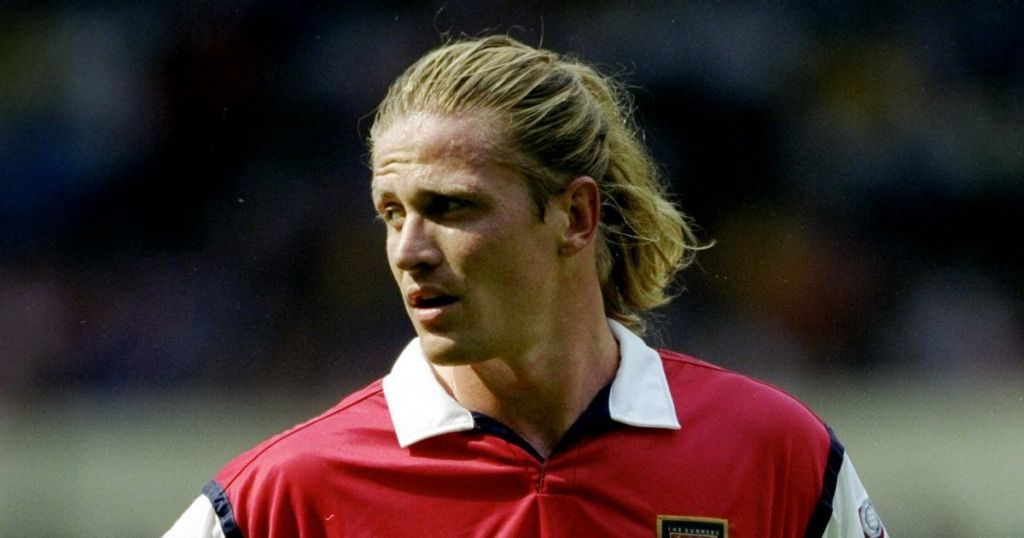
Emmanuel Petit regrets leaving Arsenal, a decision that has haunted him since his departure in 2000 for Barcelona. The former Gunners midfielder experienced immense success at Arsenal, winning the Premier League and FA Cup in his debut season. Following his spell in Spain, Petit moved on to Chelsea, but he later expressed remorse over not choosing Manchester United instead. In reflecting on his career, the regret is palpable as he questions his choice to leave the competitive landscape of the Premier League for the uncertainties of La Liga. The rich history of Petit’s career at Arsenal stands in stark contrast to his feelings about his subsequent moves, marking a pivotal point in Premier League history that continues to resonate with fans today.
The narrative surrounding Emmanuel Petit’s departure from Arsenal reveals a complex web of ambition and emotion that defined his football journey. This saga highlights not only his successful tenure in north London but also the subsequent choices that shaped his path in European football. Transitioning from Arsenal to Barcelona, his yearning for the vibrant Premier League intensified, especially with offers from clubs like Manchester United lingering in the background. As he navigated his later career at Chelsea, Petit’s reflections on his past choices underscore the significance of feeling valued and desired in professional sports. The entire episode serves as a cautionary tale for future athletes, emphasizing the importance of staying true to one’s roots within the competitive structures of clubs.
Emmanuel Petit Regrets Leaving Arsenal for Barcelona
Emmanuel Petit has often voiced his remorse over his monumental decision to leave Arsenal in 2000, trading in his Gunners jersey for a spot at Barcelona. The talented midfielder had an illustrious run with Arsenal, where he secured both the Premier League and FA Cup in his first season. In hindsight, Petit reflects on his choice with a sense of longing, questioning whether the allure of La Liga eclipsed the vibrant Premier League atmosphere he once thrived in. He poignantly expressed his sentiments by recalling moments in Barcelona where he couldn’t shake the feeling of regret for leaving a club that had become synonymous with his identity as a player.
In interviews, Petit has candidly shared that leaving Arsenal felt like severing ties with a family and that the transition to Barcelona was not as fulfilling as he anticipated. His struggles in finding a sense of belonging in Spain often drew comparisons to Philippe Coutinho’s journey, suggesting that the grass isn’t always greener on the other side. He firmly believes that the passion and connection he had with Arsenal surpass any fame he gained while playing in Spain, making it clear that his heart still beats for the North London club.
The Impact of Emmanuel Petit’s Chelsea Career
Following his departure from Barcelona, Emmanuel Petit signed with Chelsea, marking a significant chapter in his career. Yet, his tenure at Stamford Bridge was plagued by the absence of success, as the Frenchman went through three seasons without lifting any major trophies. Many fans expected him to replicate the monumental success he enjoyed with Arsenal, but the reality proved to be starkly different. The pressure to perform at a club of Chelsea’s stature coupled with personal expectations created a challenging environment for Petit, further complicating his feelings toward his earlier decisions.
Despite the hurdles faced during his time at Chelsea, Petit tried to contribute positively to the team. He often reminisces about the intensity of Premier League battles and the rivalries that shaped his playing style. His choice to stay in London instead of reuniting with his former club showcases not only the intricacies of player relationships but also how personal circumstances can significantly influence career paths. As he reflects on his time at Chelsea, he recognizes that his decisions were not purely professional but were profoundly intertwined with personal choices and aspirations.
Emmanuel Petit’s Markets in the Premier League
The Premier League has long served as a bustling marketplace where talent transcends borders, and Emmanuel Petit was no exception. His time in England positioned him as a coveted asset, especially after playing a pivotal role in Arsenal’s triumphs. His skills, which helped Arsenal secure the Premier League title, made him a compelling target for many clubs, not just Arsenal as he departed in 2000. Back then, the Premier League reinforced itself as a competitive field, where every player aimed to leave their mark, making Petit’s choices all the more impactful.
After Petit’s transition from Arsenal, the rich tapestry of the Premier League continued to weave itself with extraordinary talents and formidable players. This vibrant market enables clubs like Manchester United to lure noteworthy names into their fold, showcasing the league’s ability to attract the best. Petit admits that had he chosen Manchester United over Chelsea, his legacy might have taken a different trajectory. Such pivotal decisions underline the relentless pressure athletes face while navigating their careers in a fiercely competitive landscape.
The Allure of Manchester United in Petit’s Career
Emmanuel Petit found himself caught in a crossroads when Manchester United expressed interest in him following his stint at Barcelona. Despite the undeniable allure of joining the Red Devils and working under the legendary Sir Alex Ferguson, Petit ultimately opted against this golden opportunity. His profound respect for Arsenal and the emotional turmoil of his previous departure led him to decline. In hindsight, Petit recognizes that this might have been a miscalculation, as Manchester United was consistently dominating the Premier League and often viewed as the pinnacle of success.
Reflecting on his conversations with Sir Alex Ferguson, Petit realizes that he had failed to recognize the significance of such an opportunity. He describes it as one of those rare instances where a club of Manchester United’s caliber comes knocking, yet personal considerations led him astray. The remorse he expresses about not pursuing the move underscores the complexity of life choices athletes face, balancing professional ambitions with personal motives.
The Evolution of the Premier League Since Petit’s Era
Since Emmanuel Petit graced the Premier League, the dynamics of the league have significantly evolved. With new talents emerging each season, the competition has intensified substantially, making it one of the most watched football leagues worldwide. Clubs invest heavily in their squads, and the financial influx has elevated the level of play, both tactically and physically. In this modern context, players who once were cornerstones, such as Petit, often find their roles diminished. The fierce competition presents both challenges and opportunities for those looking to make their mark perpetually.
Petit’s experiences reverberate through the ages as fans continue to romanticize the days when players transitioned between clubs more freely. Comparisons to present-day stars moving between established clubs highlight how the landscape of football has transformed. The move dynamics now often hinge on financial incentives rather than the local loyalties exhibited in the past, leading many former players like Petit to muse about their decisions with a hint of nostalgia for a time when personal connections were emphasized over economic gain.
Understanding Player Loyalty in Football: Petit’s Perspective
Player loyalty has become a fleeting concept in modern football, with athletes constantly changing clubs for better opportunities, often leaving fans confused. Emmanuel Petit, from his perspective, emphasizes the importance of emotional ties and mutual respect that once flourished between players and clubs. His candid reflections about his departure from Arsenal convey a sentiment rooted deeply in loyalty. Even though he was courted by several clubs, his decision to leave Arsenal remains a source of regret and highlights how athlete’s connections can prominently shape their careers.
For Petit, loyalty isn’t just about the years spent with a club; it’s about camaraderie, respect, and shared goals. His idea of loyalty also extends to the emotional bonds established with fans, as he considers his journey through various clubs. The contrasting realities faced by modern-day players—including market pressures and the quest for success—prompt Petit to advocate for a return to the values he cherished during his playing years. His stance presents an intriguing reflection on the essential nature of loyalty, reimagining how players perceive their commitments in the ever-changing world of football.
The Rivalry Between Arsenal and Chelsea: A Historical Context
The rivalry between Arsenal and Chelsea is steeped in history and passion, showcasing some of the most memorable moments in Premier League history. For Emmanuel Petit, having played for both clubs provides him a unique perspective on this fierce competition. Arsenal historically held a stronger grip on the London football narrative, primarily during the late 1990s, when Petit was an instrumental figure in their success. However, as Chelsea evolved into a powerhouse with significant investments, the dynamics shifted, generating a fierce rivalry that captivated fans.
Petit’s insider knowledge of this rivalry underscores the stakes involved when these two teams clash. Matches are imbued with not just historical significance, but a fierce determination that pushes players to their limits. For fans, these encounters evoke memories of past glories and intense battles, making them a highlight of the Premier League calendar. The passion with which both clubs approach these fixtures resonates with Petit, serving as a reminder of how football can ignite emotions and foster a sense of belonging.
Emmanuel Petit’s Legacy and Influence on Future Generations
Emmanuel Petit’s career has left an indelible mark on the fabric of football, especially within the Premier League. As one of the transformative players who shifted the league’s focus towards international talents, he opened up pathways for future generations of players. His journey from Arsenal to Barcelona to Chelsea serves as a case study for aspiring athletes on the significance of making choices that align with personal and professional aspirations, resonating with many young footballers today.
Moreover, Petit continues to impact the football community as he shares his experiences and lessons learned over his illustrious career. By addressing the importance of loyalty, emotional ties, and making shrewd career decisions, he influences young players navigating their paths in the sport. As football continues to evolve, Petit’s insights remain relevant, encouraging future stars to balance ambition with the essential values that underpin the beautiful game.
Frequently Asked Questions
Why does Emmanuel Petit regret leaving Arsenal?
Emmanuel Petit regrets leaving Arsenal primarily because he felt a deep attachment to the club after winning the Premier League and FA Cup in his first season. After joining Barcelona in 2000, he often found himself reflecting on his decision and questioning why he left such a successful team for a club where he felt less at home.
How did his move from Arsenal to Barcelona affect Emmanuel Petit’s career?
Emmanuel Petit’s move from Arsenal to Barcelona in 2000 significantly impacted his career. Although he made the switch as a star player, he later revealed that he regretted leaving the Premier League and losing the connection he had at Arsenal. His subsequent move to Chelsea did not yield the same success or satisfaction, further cementing his feelings of regret.
What did Emmanuel Petit say about returning to Arsenal after joining Barcelona?
After joining Barcelona, Emmanuel Petit was tempted to return to Arsenal but ultimately decided against it. He felt that the desire from Arsenal was lacking, stating, ‘I didn’t feel that you wanted me to stay when I signed for Barcelona.’ This sentiment contributed to his regret of leaving in the first place.
Which Premier League club did Emmanuel Petit wish he had joined instead of Chelsea?
Emmanuel Petit expressed regret over not joining Manchester United instead of Chelsea after leaving Arsenal. He had conversations with Sir Alex Ferguson, who showed interest in bringing him to Old Trafford, but ultimately made his decision based on family preferences.
How does Emmanuel Petit’s legacy at Arsenal factor into his regrets?
Emmanuel Petit’s legacy at Arsenal is marked by success, including a Premier League title and an FA Cup victory. His regrets about leaving the club stem from the strong emotional connection he had with Arsenal and the successes he enjoyed there. By later switching to Barcelona and Chelsea, he missed the opportunity to build upon his legacy in the Premier League.
What reflections did Emmanuel Petit have on his time in Spain compared to Arsenal?
Emmanuel Petit frequently reflected on his time in Spain, expressing regret after leaving Arsenal. He mentioned waking up in Barcelona and questioning his move, indicating that he felt nostalgic for the environment and success he experienced with the Gunners.
Did Emmanuel Petit have any desire to return to Arsenal after leaving?
Yes, Emmanuel Petit had a desire to return to Arsenal after leaving for Barcelona. He felt tempted when approached by Arsene Wenger but ultimately decided against it due to feelings of being undervalued during his exit from the club.
What lessons did Emmanuel Petit learn from his transfer decisions?
Emmanuel Petit learned valuable lessons regarding player loyalty and personal happiness from his transfer decisions. His regrets over leaving Arsenal highlight the importance of considering not just career moves for financial or professional reasons, but also the personal connections that make a club feel like home.
| Key Points |
|---|
| Emmanuel Petit regrets leaving Arsenal in 2000 to join Barcelona. He felt unsettled in Spain and missed England. |
| He considered rejoining Arsenal but ultimately chose Chelsea. |
| Petit stated he should have joined Manchester United instead, as Sir Alex Ferguson expressed genuine interest. |
| His departure from Arsenal was spurred by feelings of being unwanted. |
| Petit’s reflections reveal a sense of regret over pivotal career decisions. |
Summary
Emmanuel Petit regrets leaving Arsenal, as he reflects on his career choices with a sense of nostalgia and longing for the Premier League. Initially, when he departed for Barcelona, Petit believed he was pursuing greater opportunities; however, over the years, he realized that he missed the environment and competitiveness of English football. His thoughts around possibly rejoining Arsenal or joining Manchester United highlight his unfulfilled potential and indicate that he may have made decisions based on external pressures rather than his own desires. Ultimately, Petit’s regrets serve as a cautionary tale for athletes about the importance of aligning career choices with personal satisfaction and feelings of being valued.