Listen to this article
The Eminem Swim Shady lawsuit has captured attention since the rap icon filed a legal challenge against the Australian beach brand, alleging that its name evokes a “false association” with his alter ego, Slim Shady. Eminem, legally named Marshall B. Mathers III, took action in September, petitioning the US Patent and Trademark Office to cancel Swim Shady’s recently acquired trademark. The rapper’s legal team argues that the similarity in names infringes on his existing Slim Shady trademark, which he has owned since 1999. As this notable Eminem trademark lawsuit unfolds, Swim Shady contends it will vigorously defend its brand and intellectual property rights. This case highlights the significance of trademark protection in the competitive world of branding, especially in the creative industries.
In a fresh legal development, the renowned rapper Eminem has initiated litigation against the beachwear company known as Swim Shady, which hails from Australia. This Australian brand’s name, reminiscent of Eminem’s famous rap persona, Slim Shady, has raised concerns about potential trademark infringement. Eminem’s legal pursuit aims not only to safeguard his established brand but also to prevent any misleading associations that may arise from Swim Shady’s branding efforts. As the case continues to gain traction, it places a spotlight on the complexities of trademark law and the implications for emerging brands in the marketplace. Eminem’s action reflects a broader conversation about the importance of protecting artistic identities within the fast-evolving landscape of business and branding.
Eminem’s Legal Action Against Swim Shady Brand
In a bold move, Eminem has initiated legal proceedings against the Australian beachwear company Swim Shady, claiming a substantial conflict over the brand name that closely resembles his famous alter ego, Slim Shady. The rapper filed a petition with the U.S. Patent and Trademark Office, aiming to cancel Swim Shady’s trademark due to the potential for public confusion and a ‘false association’ with his own trademarked identity. This lawsuit isn’t just a trademark dispute; it underscores Eminem’s vigilance in protecting his brand and legacy, which he has cultivated since the late 90s.
The allegations state that the name Swim Shady not only poses a risk of misrepresentation but could mislead consumers into believing there is an affiliation between Eminem and the brand. Eminem, whose real name is Marshall B Mathers III, has long fought to maintain a distinct separation between his artistic persona and any commercial enterprises that could exploit his fame without permission. As the case unfolds, the focus will be on how trademarks are protected, especially in the face of emerging brands that may unintentionally tread on established intellectual property.
The Implications of the Eminem Trademark Lawsuit
Eminem’s trademark lawsuit against Swim Shady is significant not only for the direct parties involved but also for broader intellectual property rights enforcement. It raises important questions about the boundaries of trademark protections and the criteria for establishing a ‘false association.’ Eminem’s legal team argues that his Slim Shady trademark has gained considerable notoriety and should be safeguarded against any exploitive brand marketing under similar names. This legal action highlights the importance for every brand to conduct thorough research before finalizing their names, especially when operating in a saturated market.
Furthermore, the lawsuit could set a precedent on how hip-hop and entertainment personalities can protect their established trademarks against new entrants in the brand world. With Eminem’s legacy tied to the authenticity and recognition of the Slim Shady persona, his pushback against Swim Shady exemplifies a proactive approach to brand integrity. The outcome of this case may influence how future startups approach branding and trademark applications, particularly in contexts that intertwine with well-known cultural figures.
Swim Shady’s Defense of Its Brand Identity
In response to Eminem’s lawsuit, Swim Shady has expressed its commitment to protecting its intellectual property and has made it clear that it views Eminem’s claims as unfounded. The Sydney-based startup, which specializes in beachwear and accessories, was established with the intent to provide stylish solutions tailored for outdoor use in Australia’s intense sun. The company has publicly stated its determination to defend its brand against the legal challenges presented by Eminem, focusing on the grassroots nature of the business and its community-oriented mission.
Swim Shady’s argument pivots on the idea that their brand was developed independently, and they have cultivated a separate identity distinct from Eminem’s Slim Shady. Such defenses often include evidence of the brand’s evolution, market position, and target customer base, which the startup will likely employ to argue that no real confusion has occurred. In light of Eminem’s fame, Swim Shady is prepared to mount a vigorous defense, emphasizing that their emergence in the market is unrelated to any personal gain from Eminem’s long-standing reputation.
The Importance of Trademark Protection for Artists
The ongoing legal feud between Eminem and Swim Shady underscores the critical nature of trademark protection, especially for artists and public figures. For musicians like Eminem, their name and associated trademarks are invaluable assets that contribute to their overall brand image and marketability. Protecting these trademarks from potential infringement or misuse is essential to ensuring that their legacy remains intact, maintaining the uniqueness and exclusivity associated with their persona. Eminem’s case illustrates the challenges artists face in the pursuit of safeguarding their intellectual property in a global marketplace.
Moreover, trademark laws serve not only to prevent public confusion but also to promote fair competition among businesses. The legal action taken by Eminem is a reminder of the stakes involved in branding and the responsibilities that come with creating a recognizable name. For aspiring entrepreneurs in creative fields, this case acts as a lesson on the paramount importance of understanding both the opportunities and the legal protections that defined trademarks offer. The implications of this lawsuit extend beyond just Eminem’s brand; they signal to newcomers in the industry the worthiness of thorough trademark research and protection.
Understanding Slim Shady Trademark History
Eminem’s Slim Shady trademark has a rich history that dates back to the late 1990s when he first established his musical identity with the release of the acclaimed album ‘The Slim Shady LP.’ Since then, his alter ego has become synonymous with provocative lyrics and powerful performances, earning him both critical acclaim and commercial success. The original trademark, filed in 1999, was a strategic move to secure his name and persona within the entertainment industry, ensuring that anyone using the name Slim Shady would require permission, thereby protecting his intellectual property rights.
Interestingly, Eminem has only recently sought trademark protection for Slim Shady in Australia, filing in January 2025. This timeline reflects a growing global recognition of his brand and a proactive approach to securing his name even in international markets. The trademark’s development alongside his career trajectory exemplifies how artists can adapt their branding strategies over time while maintaining legal protections that support their brand identity across different cultural landscapes, especially as global markets emerge.
Cultural Relevance of Eminem’s Trademark
The cultural relevance of Eminem’s trademark extends beyond simple name recognition; it encapsulates themes of authenticity, identity, and the struggles faced by artists in the public eye. His persona Slim Shady has become a symbol of rebellion and individuality, resonating with fans worldwide. It’s essential for artists to maintain the integrity of their trademarks because these names often signify more than just a brand – they represent the values and stories of the people behind them. Eminem’s legal stance against Swim Shady reaffirms his commitment to preserving the unique cultural significance associated with his work.
Moreover, as artists face the challenges of evolving market dynamics and brand appropriation, Eminem’s legal actions serve as a beacon for other creatives. They offer a blueprint for navigating the complexities of branding in the digital age, where new competitors may rapidly arise. Recognizing the cultural weight of names and trademarks is crucial in ensuring that artists are not only protected legally but also honored in their contributions to the creative landscape. Eminem’s ongoing fight emphasizes the importance of advocacy for one’s work and the enduring impact that trademarks have in safeguarding artistic legacies.
Future Challenges for Emerging Brands
The challenges faced by emerging brands are amplified through cases such as Eminem’s legal dispute with Swim Shady. As new companies enter the marketplace with the hopes of carving out a distinctive niche, they must navigate a landscape laden with potential legal pitfalls associated with trademark infringement. Swim Shady’s situation exemplifies the risks involved when a brand’s name closely mirrors that of an established trademark holder, prompting necessary considerations around brand development and trademark registration strategies.
For startups, innovating within a crowded space can be daunting, especially when competing for attention against well-known figures like Eminem. This legal conflict highlights the importance of exhaustive research into existing trademarks to avoid any unintended conflicts. Successful brands must proactively build their identity while respecting existing trademarks and perceiving potential overlaps that could lead to costly legal confrontations. As the market evolves, emerging brands will need to adopt preventive strategies that prioritize both innovation and adherence to intellectual property laws.
The Role of Legal Representation in Trademark Disputes
Legal representation plays a crucial role in navigating trademark disputes, such as the one between Eminem and Swim Shady. Knowledgeable legal experts can provide invaluable guidance on the complexities of trademark law, helping clients make informed decisions about protecting their intellectual property. In this scenario, Swim Shady has engaged a competent intellectual property law firm to defend its brand identity and argue its case effectively against Eminem’s claims. The support of legal professionals can make a profound difference in the outcomes of such cases.
Moreover, the strategic decisions made by lawyers can significantly influence the trajectory of a legal dispute. From assembling evidence to presenting compelling arguments in court, the way a case is managed can determine how successfully a brand is able to retain its trademark rights. As such, it is essential for companies, particularly startups with limited resources, to choose legal representation that understands the nuances of both the market and the law. The Eminem lawsuit showcases the critical importance of having strong legal backing when contending with well-established figures, ensuring that new brands receive fair treatment in their pursuit of success.
Frequently Asked Questions
What are the details of the Eminem Swim Shady lawsuit?
Eminem has filed a lawsuit against the Australian beachwear brand Swim Shady, claiming that its name closely resembles his trademarked pseudonym, Slim Shady. He alleges that Swim Shady creates a ‘false association’ with his brand. Eminem’s legal action includes a petition to the US Patent and Trademark Office to cancel Swim Shady’s trademark, which had been granted earlier in September 2023.
Why did Eminem file a trademark lawsuit against Swim Shady?
Eminem’s lawsuit against Swim Shady is based on the belief that the brand’s name causes confusion with his established trademark, Slim Shady. Eminem argues that this similarity could mislead consumers and falsely associate the brand with his famous alter ego. His legal team claims that the name Slim Shady has become distinctively tied to his music career since 1999.
What is Swim Shady’s response to Eminem’s legal action?
Swim Shady has stated that they intend to defend their trademark vigorously. They consider their name, which was registered in September 2023, as a valuable part of their intellectual property. The brand emphasizes its roots in providing functional beach gear tailored for the Australian sun and has refrained from commenting in detail due to the ongoing litigation with Eminem.
What products does Swim Shady offer that are at the center of the lawsuit?
Swim Shady specializes in beach accessories, including portable beach umbrellas and swim bags. The legal dispute revolves around their brand name, which Eminem claims could mislead consumers due to its similarity to his trademark, Slim Shady. The lawsuit highlights the potential for confusion in the market.
How might the Eminem Swim Shady trademark dispute affect the Australian brand?
The outcome of the Eminem Swim Shady trademark dispute could significantly impact the Australian brand’s future. If Eminem is successful, Swim Shady may lose its trademark protection, necessitating a rebranding or halting their operations in certain markets, especially in the United States.
What history does Eminem’s Slim Shady trademark have?
Eminem trademarked the name Slim Shady in the US in 1999, coinciding with his rise to fame. His trademark has been recognized as a distinctive brand associated with his music career. Although recently filed in Australia in January 2025, it has become an established name linked to his identity and brand.
How does Eminem’s legal action against Swim Shady compare to other trademark cases?
Eminem’s legal action against Swim Shady is reminiscent of other trademark disputes, such as the Katy Perry case with Australian designer Katie Perry. Similar to those instances, this situation illustrates the complexities of intellectual property protection, particularly in cross-border scenarios where brand names may overlap.
| Key Point | Details |
|---|---|
| Eminem’s Lawsuit | Eminem has filed a lawsuit against the Australian company Swim Shady for trademark infringement, alleging false association with his persona Slim Shady. |
| Trademark Details | Swim Shady filed for its trademark in September 2023, while Eminem’s trademark for Slim Shady dates back to 1999. |
| Defendant’s Response | Swim Shady plans to defend its trademark, stating it is a grassroots company aimed at creating sun protection gear. |
| Legal Timeline | Eminem’s petition to cancel the trademark was filed at the US Patent and Trademark Office, and Swim Shady must respond soon. |
| Previous Cases | There have been other trademark disputes in Australia, such as Katy Perry’s case with a local designer. |
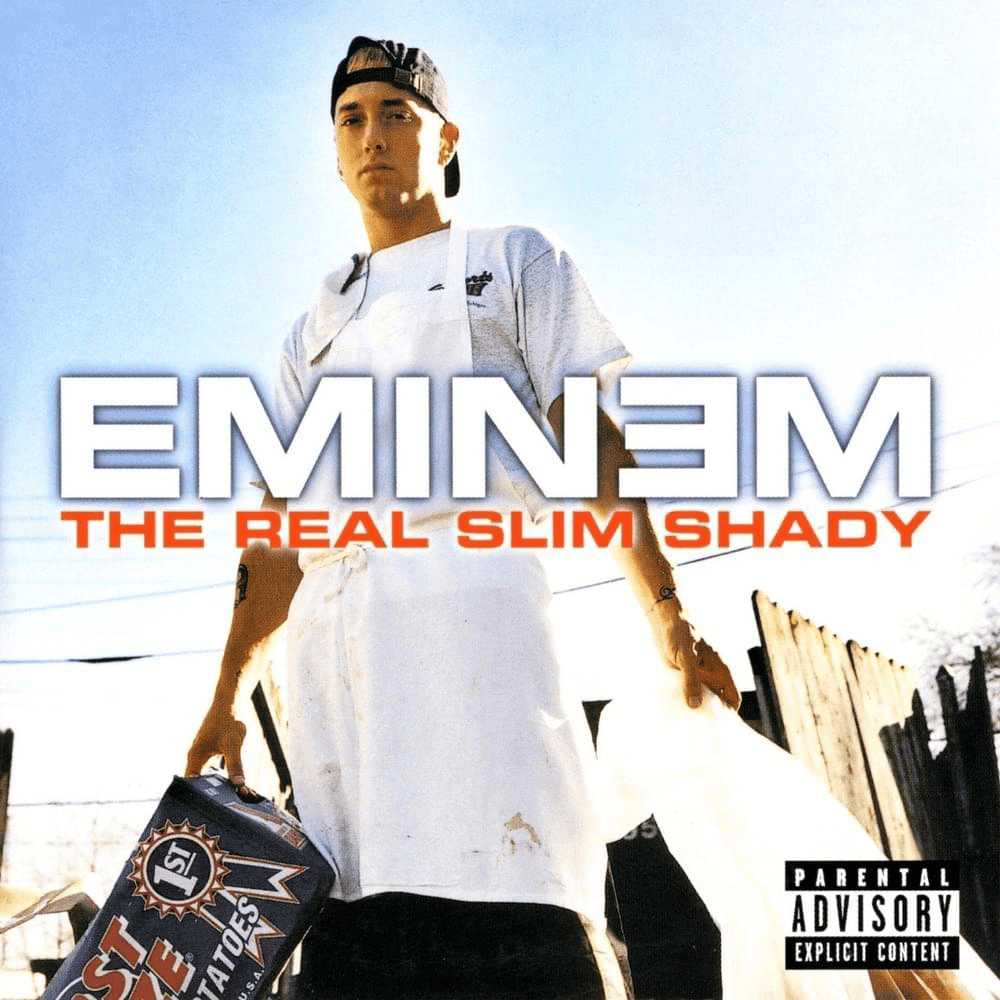
| Eminem’s Fame | Eminem’s Slim Shady has become a famous and distinctive identity in the music industry, particularly after his 2000 hit ‘The Real Slim Shady’. |
Summary
The Eminem Swim Shady lawsuit highlights the ongoing battle over trademark rights and the protection of intellectual property in the music and fashion industries. Eminem alleges that the Australian beachwear brand Swim Shady is infringing on his well-established trademark associated with his alter ego, Slim Shady. This legal action underscores the challenges that emerging brands can face when their names bear resemblance to established intellectual property. As this case unfolds, it will be watched closely for its implications on how trademarks are enforced and the balance between new ventures and existing rights.