Listen to this article
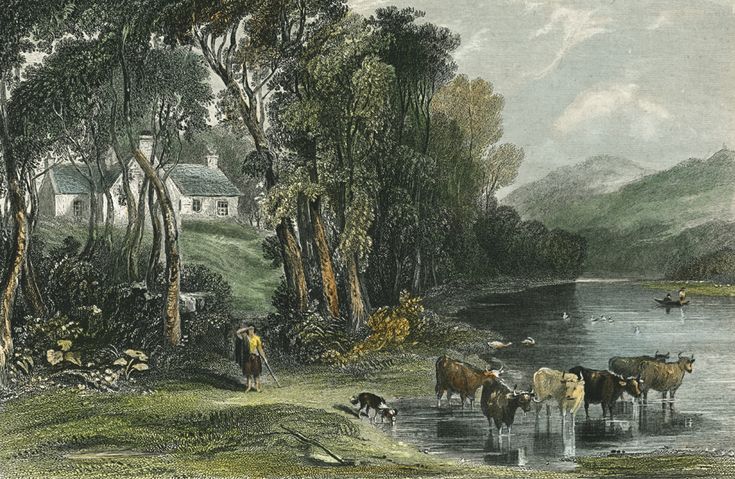
Ellisland Farm restoration is an ambitious project aimed at preserving the historic site where Robert Burns wrote the beloved poem “Auld Lang Syne.” Nestled north of Dumfries, this cultural destination has been plagued by years of neglect, facing serious challenges such as damp and deterioration. To combat this, campaigners are seeking to raise £12 million to not just restore the farm but to transform it into a prominent national landmark celebrating Scottish heritage. The project promises to bring extensive historical preservation while also providing economic regeneration to the area, attracting thousands of visitors eager to connect with Burns’ legacy. As plans for the restoration unfold, it is clear that Ellisland Farm has the potential to become a source of enduring inspiration for generations to come.
The revitalization of Ellisland Farm represents a unique opportunity to breathe new life into the historical home of Robert Burns, one of Scotland’s most cherished poets. This initiative focuses on the careful conservation of the A-listed property, ensuring that future generations can appreciate the significance of this iconic site. By fostering a cultural legacy, the restoration endeavors to create a vibrant hub for tourists, thereby boosting local economic growth. As the plans progress, the importance of creating a sustainable, heritage-focused destination cannot be overstated, reinforcing the community’s commitment to historical preservation. Ultimately, this endeavor aims to honor Burns’ contributions while establishing Ellisland as a beacon for cultural tourism.
The Restoration of Ellisland Farm: A Celebration of Robert Burns’ Legacy
Ellisland Farm, the historic dwelling of renowned Scottish poet Robert Burns, stands as a testament to his literary genius, particularly as the birthplace of the iconic song, Auld Lang Syne. The current campaign to raise £12 million for the farm’s restoration is not merely about structural repairs; it is about reviving a crucial piece of Scotland’s cultural heritage. The Robert Burns Ellisland Trust (RBET) aims to transform the site into a world-class cultural destination that reflects Burns’ life and works, ensuring that visitors from around the globe can appreciate the historical significance of this landmark.
Preserving Ellisland Farm is essential for historical preservation and serves as an inspiration for future generations. With detailed plans set to be unveiled soon, the hope is to recreate the farm as it existed during Burns’ time, which will allow visitors to immerse themselves fully in the surroundings that inspired the poet’s creations. This restoration is crucial in safeguarding not only Burns’ legacy but also in enhancing Scotland’s cultural tourism offerings.
Economic Regeneration through Cultural Restoration
Reviving Ellisland Farm is poised to provide significant economic regeneration for the Dumfries area. Joan McAlpine, the project director, has highlighted the potential benefits, suggesting that a restored Ellisland could attract around 17,000 visitors annually. This influx of visitors is expected to create jobs and stimulate local businesses, revitalizing the regional economy. By focusing on both heritage and sustainability, the project aims to ensure that the cultural and economic revitalization go hand in hand.
As the campaign progresses, community engagement and support will be vital in securing the necessary funding and resources. The trust’s previous successes, like the Burrell Renaissance project, demonstrate that strategic investment in cultural destinations can lead to pronounced economic benefits. By positioning Ellisland Farm as a center for song and a dedicated museum space, the local economy can thrive, fostering a renewed pride in the area’s rich history while attracting tourism that celebrates Scotland’s literary giants.
Auld Lang Syne: More than Just a Song
Auld Lang Syne, written by Robert Burns, transcends its humble origins to become an anthem celebrated worldwide during New Year’s Eve. This song encapsulates themes of nostalgia and friendship, resonating across generations. The song’s popularity underscores the importance of cultural artifacts that connect us to our past, and it serves as a reminder of the bonds we share with each other. By restoring Ellisland Farm, we are not just preserving a physical space but also paying homage to the cultural significance of the song that has shaped Scottish identity.
The revival of Ellisland as a cultural destination dedicated to celebrating songs like Auld Lang Syne can foster a deeper appreciation for Scottish heritage. The intended development will include educational programs and interactive experiences designed to engage visitors of all ages. This initiative aims to ensure that the spirit of Burns and his poignant expressions continue to inspire and unite people through the universal themes embedded in his work.
Community Involvement in the Restoration Campaign
Community involvement is a central pillar of the Ellisland Farm restoration campaign. The Robert Burns Ellisland Trust has engaged local residents, cultural enthusiasts, and international supporters to gather feedback and ideas about the future of the site. This participatory approach not only helps tailor the restoration to the community’s vision but also fosters a sense of ownership and pride among those who will benefit from the enhanced cultural destination.
Through various events and outreach programs, community members are encouraged to contribute their thoughts and experiences related to Burns and his works. Such engagement not only raises awareness about the campaign’s goals but also strengthens the community’s connection to its historical heritage. As visitors flock to the restored Ellisland Farm, it will serve as a source of inspiration, and by involving the community, the project promises to sustain local culture while enhancing economic opportunities.
The Importance of Historical Preservation in Scotland
Historical preservation is critical in Scotland, especially concerning sites that hold cultural significance, such as Ellisland Farm. The protection and restoration of these sites serve not only as a means of preserving history but also as a tool for educating future generations about their cultural heritage. The efforts to restore Ellisland highlight the need for balance in heritage conservation that respects the past while adapting to contemporary needs.
Additionally, preserving sites like Ellisland can have far-reaching implications for national pride and cultural identity. By ensuring that landmarks associated with iconic figures such as Robert Burns remain intact, Scotland can maintain a strong connection to its literary and artistic history. This importance of preservation transcends local boundaries, contributing to a global appreciation of Scottish culture, art, and literature.
Funding the Future: Financial Commitments for Ellisland Farm
To realize the vision of restoring Ellisland Farm, a total of £12 million must be raised. This ambitious fundraising goal underscores the significance of public and private partnerships in cultural projects. As the campaign gains momentum, the trust’s ability to attract donations from individuals, organizations, and grants will be crucial. Highlighting the economic and cultural benefits of the project can encourage stakeholders to invest in this transformative endeavor.
The trust has already secured initial funding, including nearly £500,000, indicating a strong start toward achieving the target. Future fundraising efforts will also focus on showcasing the various opportunities that a revitalized Ellisland presents, from job creation to enhanced tourism. The collaboration of the community, businesses, and cultural institutions will be essential in sustaining these efforts, ensuring a financially sound future for both the farm and the surrounding area.
A Cultural Destination: The Vision for Ellisland
The vision for Ellisland Farm extends beyond mere restoration. It aims to create a vibrant cultural destination that celebrates the literary contributions of Robert Burns while providing visitors with unique experiences. Plans include establishing a dedicated center for song as well as visitor accommodation that meets modern standards while respecting the historical context of the site. This multifaceted approach will attract diverse audiences, from literary enthusiasts to families seeking educational trips.
By positioning Ellisland as a cultural hub, the project seeks to honor Burns’ legacy while providing a dynamic space for the local community and visitors alike. Events, performances, and educational programs will be conducted throughout the year, allowing for ongoing engagement with the rich cultural history of Scotland. Such a destination will not only enhance the visitor experience but also contribute to the long-term sustainability of the heritage and culture of the region.
Lessons from Previous Restoration Projects
The success of previous restoration projects serves as a blueprint for the Ellisland Farm campaign. Initiatives like the Burrell Renaissance have demonstrated the transformative power of preserving cultural heritage while fostering local economic growth. The experiences learned from such projects emphasize the importance of community involvement, strategic planning, and the pursuit of public-private partnerships to secure necessary funding and support.
By learning from these lessons, the Robert Burns Ellisland Trust can navigate potential challenges while maximizing the impact of its efforts. The integration of innovative design and sustainability practices into the restoration process will not only preserve the site’s authenticity but also ensure its relevance in today’s cultural landscape. With careful planning and execution, Ellisland Farm can become a shining example of how cultural restoration can benefit both heritage and community alike.
The Role of Education in Cultural Preservation
Education plays a fundamental role in cultural preservation, and the upcoming plans for Ellisland Farm will incorporate educational initiatives to communicate the significance of Robert Burns’ life and works. Interactive exhibits, workshops, and programs for schools will engage the community and visitors in the rich narratives that define Scotland’s cultural identity. Through educational outreach, the aims of the restoration can be shared widely, fostering greater appreciation for the site.
Moreover, education can ignite passion for the arts and heritage among younger generations. With a dedicated focus on storytelling and immersive experiences related to Burns and his contributions, Ellisland Farm can become a platform for inspiring future poets, writers, and musicians. By prioritizing education in the restoration efforts, the campaign ensures that Ellisland will serve not only as a memorial to Burns but also as a living, breathing entity promoting cultural knowledge and creativity for years to come.
Frequently Asked Questions
What is the goal of the Ellisland Farm restoration project?
The goal of the Ellisland Farm restoration project is to raise £12 million to restore the historic site where Robert Burns wrote ‘Auld Lang Syne’ and transform it into a world-class cultural destination that preserves its historical significance.
How will the restoration of Ellisland Farm impact the local economy?
The restoration of Ellisland Farm is expected to provide a significant economic boost for the Dumfries area by attracting around 17,000 visitors annually, creating job opportunities, and generating income to support cultural and heritage initiatives.
What are the current challenges faced by Ellisland Farm?
Ellisland Farm currently faces serious challenges, including years of damp, decay, and structural deterioration. The restoration campaign aims to address these issues and preserve the category A-listed building for future generations.
Why is Ellisland Farm considered a cultural and historical landmark?
Ellisland Farm is considered a cultural and historical landmark because it was built by Robert Burns, one of Scotland’s most famous poets, and is where he penned the iconic song ‘Auld Lang Syne’. The site has immense significance in the context of Scottish heritage and literature.
What plans are being developed for Ellisland Farm’s future?
Plans for Ellisland Farm’s future include recreating the farm as it was during Burns’ time, establishing a ‘centre for song’, providing visitor accommodation, and creating a dedicated museum space, all aimed at enhancing its status as a cultural destination.
Who is leading the restoration efforts at Ellisland Farm?
The restoration efforts at Ellisland Farm are led by the Robert Burns Ellisland Trust (RBET), with Duncan Dornan as its chairperson. The trust is committed to preserving the site and ensuring it becomes a source of inspiration and cultural enrichment.
How can people contribute to the Ellisland Farm restoration project?
People can contribute to the Ellisland Farm restoration project by donating to the campaign, attending events, and spreading awareness about the significance of the site and its restoration efforts. Support from the community and beyond is essential to safeguard its future.
| Key Point | Details |
|---|---|
| Fundraising Goal | £12 million to restore Ellisland Farm. |
| Cultural Importance | The farm is where Robert Burns wrote ‘Auld Lang Syne’. |
| Restoration Plans | Plans to revive the home Burns built will be revealed next year. |
| Current Condition | The building is facing serious challenges due to damp and decay. |
| Economic Impact | The project is expected to boost local economy and support dozens of jobs. |
| Visitor Goals | Anticipated 17,000 visitors a year with a dedicated museum and accommodation. |
| Global Support | The campaign seeks worldwide backing to ensure the farm’s future. |
Summary
Ellisland Farm restoration is a crucial initiative aimed at saving the historic site where Robert Burns penned “Auld Lang Syne.” With a goal of raising £12 million, this project not only seeks to repair the building but also to turn it into a vibrant cultural destination that celebrates Burns’ legacy. The plan includes addressing structural issues, enhancing visitor experience, and ultimately boosting the local economy. By bringing together community support and international attention, the restoration of Ellisland Farm promises to preserve a significant piece of history for future generations.