Listen to this article
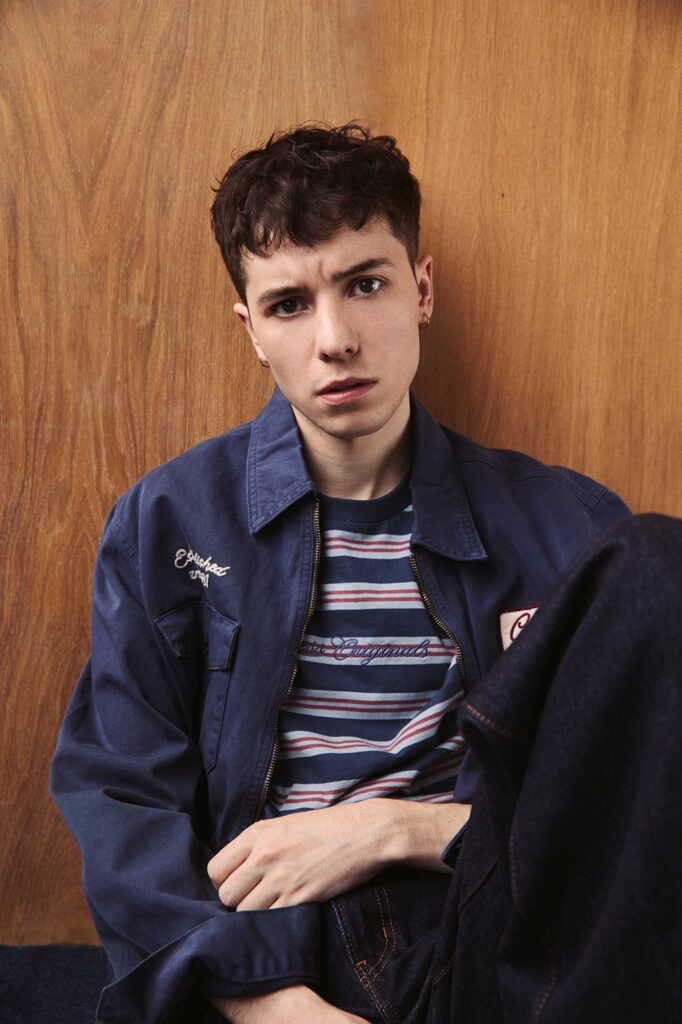
Ellis Howard is a rising star who is making waves in the entertainment industry, particularly for his role in the BBC Three drama “What It Feels Like For A Girl.” This powerful series highlights LGBTQ+ representation, bringing important narratives to the forefront that resonate with many. A recent recipient of the esteemed Bafta Breakthrough title, Howard’s journey exemplifies the impact social media can have in cultivating a creative career. As he boldly encourages independent artists to “make the art you want to see,” his message of empowerment speaks volumes. For aspiring artists seeking creative career advice, Ellis Howard serves as a beacon of hope and inspiration.
In an era where representation matters more than ever, Ellis Howard stands out as a torchbearer for inclusive storytelling in film and television. His portrayal in “What It Feels Like For A Girl” not only challenges societal norms but also gives a voice to underrepresented communities. Now part of the Bafta Breakthrough initiative, Howard exemplifies how young creatives can find success by staying true to themselves. This spotlight on independent artists reflects a shift in the industry towards embracing diverse narratives and providing platforms for unique experiences. With an emphasis on self-expression and authenticity, Howard’s journey offers invaluable guidance for those looking to navigate their own paths in the creative landscape.
Ellis Howard: A Rising Star in LGBTQ+ Representation
Ellis Howard, a name that has rapidly gained recognition, embodies the spirit of independent artistry with his vibrant expressions of gender identity and creative storytelling. As a powerful advocate for LGBTQ+ representation, Howard’s recent work in the BBC Three series “What It Feels Like For A Girl” has positioned him at the forefront of contemporary television narratives. The show, inspired by the autobiography of prominent activist Paris Lees, delves deeply into the complexities of gender identity, offering a sincere portrayal of adolescent experiences. For Howard, being part of this groundbreaking project means not only embodying a character but also providing visibility and voice to underrepresented communities in the media.
In his journey as an actor, Howard emphasizes the importance of authenticity and self-expression, urging young artists to pursue their passions without seeking permission from conventional gatekeepers. By creating art that reflects his personal experiences and identity, he connects with audiences on a profound level, challenging stereotypes and stereotypes in the industry. His inclusion in this year’s Bafta Breakthrough list underscores his commitment to enriching the portrayal of LGBTQ+ narratives, while advocating for a more inclusive landscape in the creative arts.
The Impact of Bafta Breakthrough on Independent Artists
The Bafta Breakthrough initiative serves as an invaluable platform for independent artists, providing them with the recognition and opportunities necessary for their creative endeavors. With the backing of industry giants like Netflix, this initiative highlights the contributions of emerging talent across various media fields, particularly in TV and film. The inclusion of artists like Ellis Howard and Stanley Baxton showcases how these creators are redefining narratives and pushing boundaries within their crafts. Their stories reflect a larger conversation about representation and diversity in the entertainment sector, shedding light on experiences that resonate with many but are often overlooked.
Through programs like Bafta Breakthrough, independent artists not only gain exposure but also receive crucial mentorship and resources to help enhance their projects. This support is especially vital for those in the LGBTQ+ community, where the journey to recognition can be fraught with challenges. By amplifying diverse voices and narratives, Bafta is contributing to a cultural shift that prioritizes inclusion and authentic storytelling, ensuring that the stories of marginalized groups receive the visibility they deserve in mainstream media.
What It Feels Like For A Girl: Breaking Barriers in Storytelling
The BBC series “What It Feels Like For A Girl” has emerged as a poignant exploration of gender identity, challenging societal norms and expectations surrounding adolescence and self-discovery. By centering the experiences of a transgender teen, the show not only humanizes complex issues but also serves as a vital resource for individuals grappling with their own identities. This coming-of-age narrative resonates with a broad audience, particularly young people who may feel isolated or misunderstood in their journeys. Critics praise the series for its raw portrayal of real-life experiences, linking it closely to the growing demand for authentic LGBTQ+ representation in media.
Moreover, Ellis Howard’s portrayal of the lead character is laden with empathy and depth, reflecting his commitment to truthful storytelling. The series acts as a mirror for viewers from similar backgrounds, offering a sense of belonging and relevance in a world that often marginalizes their experiences. The initiative encourages discussions about the importance of seeing oneself represented in media—a sentiment echoed by industry professionals advocating for increased diversity within creative projects. As more productions like “What It Feels Like For A Girl” emerge, the conversation surrounding LGBTQ+ representation continues to evolve, paving the way for future artists to bring their stories to life.
Navigating a Creative Career: Advice from Ellis Howard
In the ever-evolving landscape of creative careers, Ellis Howard offers invaluable insights for aspiring artists. His mantra, “Don’t wait for permission,” encourages young creators to take initiative and seize opportunities, rather than relying on traditional pathways. This proactive approach is crucial in a landscape where independent artistry is increasingly celebrated. By leveraging social media platforms to share their work and connect with audiences, artists can cultivate their unique styles and elevate their visibility. Howard’s own experience underscores the transformative potential of self-promotion and authentic engagement, proving that the internet can be a powerful ally for burgeoning talents.
Additionally, Howard emphasizes the significance of mentorship in shaping one’s career. Having secured guidance from seasoned professionals through his online presence, he advocates for building networks that support and uplift one another. This sense of community is essential, particularly for those within the LGBTQ+ space, where shared experiences foster resilience and empowerment. By encouraging collaboration and dialogue among independent artists, a more inclusive environment can be cultivated, ultimately leading to a richer tapestry of stories and perspectives within media.
Ellis Howard’s Role in Advancing LGBTQ+ Narratives
As a vibrant figure in the entertainment industry, Ellis Howard’s contributions extend beyond acting; he plays a crucial role in advancing LGBTQ+ narratives in storytelling. By participating in projects that naturally resonate with biographical elements of LGBTQ+ experiences, he offers a platform for dialogue and education. His work in “What It Feels Like For A Girl” is a testament to his dedication to representing the complexities of gender identity, showcasing the struggles and triumphs of youth navigating their journeys. Such representations are vital in normalizing LGBTQ+ experiences and fostering acceptance within society.
Moreover, Howard’s rise as an artist symbolizes a shift in the representation of queer individuals in mainstream media. As the visibility of LGBTQ+ artists increases, it allows for a broader spectrum of narratives to be portrayed authentically and sensitively. With Wilson’s engagement in storytelling that reflects contemporary issues, he not only entertains but also educates audiences on the realities of living as a queer person. Through his advocacy and creative works, Howard is paving the way for future generations of artists who aspire to tell their stories unapologetically.
Creativity and Autonomy in the Arts
The essence of creativity lies in autonomy—the freedom to explore and express oneself without constraints. Ellis Howard’s perspective on making art that resonates personally reflects a broader trend among independent artists who prioritize authenticity over commercially driven narratives. In an industry increasingly characterized by conformity, Howard’s directive to “make the art you want to see” inspires others to carve their own paths. This approach aligns with the growing movement towards self-expression and diverse storytelling, particularly within underrepresented demographics.
By embracing their unique experiences and perspectives, artists can create work that not only entertains but also initiates conversations about important social issues. For independent artists, the refusal to adhere to conventional standards opens up a world of creative possibilities. This freedom fosters innovation and diversity in storytelling, ensuring that a multitude of voices are heard and valued in the arts. As more creators step into their power and express their truths, the landscape of media becomes richer and more reflective of society at large.
The Future of LGBTQ+ Representation in Media
As discussions around LGBTQ+ representation continue to gain momentum, the future of media is poised for a transformation that mirrors the diversity of contemporary society. Initiatives like Bafta Breakthrough play a significant role in launching the careers of artists, ensuring that stories reflecting the LGBTQ+ experience are produced and promoted. With voices like Ellis Howard at the helm, there is a growing push for narratives that delve into the realities of queer lives—stories that need to be told with honesty and sensitivity. The increasing visibility of LGBTQ+ characters in various forms of media not only validates the experiences of many but also educates audiences about the rich diversity of human identities.
However, there remain challenges ahead for sustained LGBTQ+ representation amid potential backlashes, such as those indicated in recent reports by advocacy groups. As artists continue to push boundaries, the importance of robust support systems within the industry cannot be understated. By championing inclusivity and fostering collaborative environments, the media can reflect a more nuanced and diverse society. The continued advocacy for diverse storytelling is essential in creating an environment where LGBTQ+ narratives thrive, ensuring that all individuals can find representation and acknowledgment within the arts.
The Role of Independents in Shaping Artistic Landscapes
Independent artists are crucial in shaping the artistic landscapes of today, breaking away from traditional formats and storytelling methods to create more engaging and diverse content. The work of creators like Ellis Howard and Stanley Baxton illustrates how independent voices can intersect with vital cultural narratives, pushing for inclusivity and authenticity in storytelling. These artists often harness the power of social media and online platforms to share their work, reaching audiences that larger institutions may overlook. This democratization of content creation allows for a more diverse array of voices and stories to emerge.
Moreover, independent artists frequently take it upon themselves to address issues such as inequality, representation, and social justice through their work. As evidenced by the themes in Howard’s performances and Baxton’s game development, there is a conscious effort to reflect authentic experiences, particularly within marginalized communities. This shift not only enhances creative expressions but also builds a stronger community among artists who share similar goals and experiences. As independent creators continue to cultivate their narratives, they play a pivotal role in redefining what art can and should represent in our increasingly complex world.
A Call to Action for Future Creatives
Ellis Howard’s message to aspiring artists serves as a powerful call to action: embrace your unique voice and don’t hesitate to share your perspective with the world. As he emphasizes, the most impactful and relatable art often comes from personal experiences and the courage to address difficult subjects. In a world where some narratives are still marginalized, future creatives must harness their influences and experiences to create art that matters. By diversifying the stories we tell and who tells them, artists can reshape the cultural fabric of society, making it more inclusive and representative of all voices.
As budding artists navigate their journeys, support from established figures like Howard, along with initiatives such as Bafta Breakthrough, becomes crucial. These resources and mentorships can provide invaluable insights and help foster the next generation of storytellers. Future creatives should be encouraged to not only create for themselves but also to consider the broader impact of their work on audiences and communities. Ultimately, by sharing their stories, artists can contribute significantly to a more empathetic and understanding society.
Frequently Asked Questions
What is Ellis Howard’s advice for aspiring artists?
Ellis Howard, the rising star featured on the Bafta Breakthrough list, advises aspiring artists to ‘make the art you want to see.’ He emphasizes the importance of creating without seeking permission and advises young artists to pursue their passions on their own terms.
How did Ellis Howard gain recognition in his acting career?
Ellis Howard gained recognition in his acting career when he began posting Instagram videos that addressed themes of inequality. This newfound visibility helped him secure a writing agent and mentor, paving the way for his role in the BBC Three series ‘What It Feels Like For A Girl,’ which explores LGBTQ+ representation.
What role did Ellis Howard play in ‘What It Feels Like For A Girl’?
In ‘What It Feels Like For A Girl,’ Ellis Howard plays the role of 15-year-old Byron. The series highlights the challenges faced by LGBTQ+ individuals and is inspired by the autobiography of trans activist Paris Lees, showcasing the journey of a teenager grappling with their gender identity.
How is ‘What It Feels Like For A Girl’ significant for LGBTQ+ representation?
‘What It Feels Like For A Girl’ is significant for LGBTQ+ representation as it provides a heartfelt and raw portrayal of a transgender experience, promoting visibility and understanding. Ellis Howard believes it’s crucial for such stories to be told, allowing viewers to see themselves reflected on screen.
What does being selected for the Bafta Breakthrough list mean for Ellis Howard?
Being selected for the Bafta Breakthrough list is immensely meaningful for Ellis Howard, as he views it as a ‘stamp of approval’ for his work. The initiative recognizes creatives in the entertainment industry who are on the verge of significant breakthroughs, highlighting the importance of diverse voices and stories.
How does Ellis Howard view the current state of LGBTQ+ representation in media?
Ellis Howard expresses concern about the decline in LGBTQ+ representation in the media, particularly following recent legal changes regarding gender identity. He believes that these shifts pose challenges for authentic storytelling but underscores the importance of showcasing diverse experiences in art.
What background does Ellis Howard have in performing arts?
Ellis Howard received free arts training at Rare Studio in Liverpool, which helped him gain acceptance to the prestigious Guildhall School of Music & Drama. His diverse background has informed his approach to acting and storytelling, particularly in projects like ‘What It Feels Like For A Girl’ that explore LGBTQ+ themes.
What challenges does Ellis Howard highlight regarding the representation of LGBTQ+ individuals in storytelling?
Ellis Howard highlights that representation of LGBTQ+ individuals often falls short, as many stories fail to realistically portray their lives. He advocates for more authentic narratives in media that reflect the true experiences of queer individuals, particularly in light of the ongoing shifts in societal perspectives on gender identity.
| Key Point | Details |
|---|---|
| Career Change | Ellis Howard gained attention through social media, especially Instagram videos. |
| Advice to Artists | “Don’t wait for permission” – Ellis encourages young artists to create art on their own terms. |
| Notable Role | Ellis stars as Byron in the BBC Three teen drama “What It Feels Like For A Girl”. |
| Bafta Recognition | Included in the 2023 Bafta Breakthrough list, recognizing emerging talent. |
| Representation of LGBTQ+ | Ellis believes representing LGBTQ+ narratives is crucial for LGBTQ+ acceptance. |
| Broader Issues | Concerns over decreasing representation of LGBTQ+ characters in media. |
Summary
Ellis Howard exemplifies the journey of emerging artists and the importance of creating one’s own opportunities in the creative field. His advocacy for representing LGBTQ+ experiences through art not only transforms perceptions but also resonates deeply with audiences. As Ellis continues to break barriers in the entertainment industry, his work exemplifies the need for diverse representations, highlighting the narratives that matter to underrepresented communities.