
Listen to this article
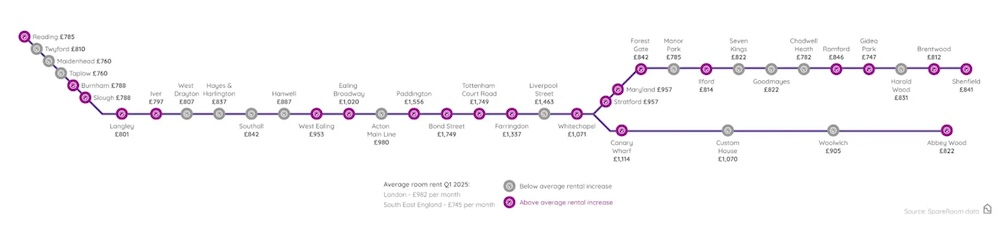
The recent Elizabeth line rent increases have become a hot topic among London renters, revealing a dramatic shift in the housing market since its opening in May 2023. Newly released data indicates that rents around Elizabeth line stations have surged by an impressive 12.9% on average, significantly outpacing the overall London rent prices, which rose by just 10.1% during the same timeframe. With an average monthly cost of £2,252 to live near these convenient transport links, the implications of this commute and rental growth extend far beyond mere numbers. Areas previously underserved by public transport, such as Chadwell Heath and Gidea Park, have seen even more pronounced increases, highlighting urban rental trends that reflect the increasing value of accessibility. As the Elizabeth line reshapes the London housing market, it’s clear that connectivity is driving demand and influencing rental dynamics in profound ways.
The emergence of the Elizabeth line has triggered notable fluctuations in nearby rental rates, spotlighting the significant impact of improved transit options on housing choices. With this modern underground service efficiently linking previously neglected areas to central London, prospective tenants are keenly eyeing these locations, driving up demand and consequently rental prices. Properties in regions that were once largely reliant on bus transport are now fetching higher rents, as urban dwellers prioritize shorter commute times. This trend underscores a shift in the overall landscape of the London rental market, where accessibility becomes a key factor influencing renters’ decisions. As cities evolve and public transportation expands, the relationship between transit accessibility and rental prices will continue to be pivotal.
The Elizabeth Line Effect on Local Rents
The introduction of the Elizabeth line has significantly transformed the rental landscape in London, particularly around its stations. Research indicates that rents near these stations increased by an astonishing 12.9% shortly after the line became operational in May 2023. This outpaces the average London rent increase of 10.1% during the same timeframe, highlighting a growing demand for properties close to enhanced transport facilities. Areas like Chadwell Heath have seen rents soar by over 32%, underscoring the high premium renters are willing to pay for convenient access to quick transit options.
As tenants prioritize reduced commute times, rental growth around the Elizabeth line stations has become a noteworthy trend in the urban rental market. This shift reflects the changing preferences of London renters, who increasingly value proximity to efficient travel routes. Consequently, landlords in these desirable locations have capitalized on the trend, often commanding premium prices that can significantly elevate their earning potential. Overall, the Elizabeth line’s impact is reshaping local rental markets by underscoring the strategic importance of transport connectivity in determining rental prices.
London Rent Prices and the Elizabeth Line
The Elizabeth line has played a pivotal role in driving up rent prices across London, particularly in previously underserved areas. Tenants near stations now face an average monthly rental cost of £2,252, a rise that reflects broader urban rental trends influenced by public transport improvements. Even traditionally less accessible neighborhoods like Gidea Park have seen remarkable increases due to the arrival of the line, pushing rents up by more than 22%. This escalated pricing trend highlights the rising allure of locations with robust commuting options.
These fluctuations in London rent prices underscore how newly introduced transit routes can drastically reshape the housing market dynamics. Potential renters are increasingly drawn to areas with reliable transport links, fueling competition and leading to higher rental costs. As demand surges near Elizabeth line stations, other regions also feel the ripple effect, creating a complex interplay between commuting infrastructure and housing affordability that is essential for prospective tenants to understand.
The Impact of Commute on Rental Growth
The correlation between improved commute options and rental growth cannot be overstated, particularly with the recent enhancements brought about by the Elizabeth line. Areas that previously lagged in transportation services have become highly sought after as swift access to central London becomes a reality. For example, regions like Forest Gate and Seven Kings, which were once limited in their connectivity, are now witnessing substantial rent hikes, with increases of 18.4% and 18.2%, respectively. Such statistics illustrate that renters are now willing to pay a premium for locations that offer ease of travel.
As the preference for longer commutes fades in favor of more efficient travel options, the Elizabeth line has reshaped rental trends across London. This shift suggests that as working patterns evolve, with a notable return to in-person roles, a significant proportion of tenants will prioritize rental properties with easy access to public transport. The implications for the rental market are profound, suggesting that rental growth in areas benefiting from such improvements could easily continue on an upward trajectory, affecting overall housing market trends.
Urban Rental Trends Post-Elizabeth Line
The arrival of the Elizabeth line has catalyzed notable urban rental trends in London, primarily by enhancing the appeal of areas previously overlooked by urban dwellers. Renters are increasingly attracted to neighborhoods like Chadwell Heath and Paddington, which have recorded some of the highest increases in rent since the line’s launch. The trend of urban migration is illustrating a new dynamic where formerly car-reliant households are now looking for affordable yet accessible rental properties that offer convenience.
Additionally, the rapid rental increments seen in places served by the Elizabeth line indicate how vital transit links have become to the modern renting ethos. As the London housing market evolves, areas with limited transport options may continue to suffer in terms of desirability and price, while those on the Elizabeth line are expected to flourish. This shift highlights a broader transformation within urban rental markets, where proximity to effective commuting options provides a competitive edge in attracting tenants.
Affordability Challenges Linked to Commuting
Rising rent prices around the Elizabeth line stations pose significant affordability challenges for many prospective tenants in London. With average rents now exceeding £2,200 per month in desirable locations, many individuals and families are grappling with the financial strain of securing housing within reasonable access to work. This trend not only exacerbates existing affordability issues in one of the most expensive cities globally but may also drive renters to seek alternative locations further from the city center.
Consequently, the financial pressures stemming from skyrocketing rents near efficient transport links prompt questions about housing sustainability in London. Renters are increasingly forced to evaluate their options, weighing distance against affordability as they navigate the changing landscape of London’s housing market. This constant tension suggests that while desirability may grow in key transit areas, it simultaneously leads to longer-term questions regarding rent stabilization and housing equity.
Real Estate Investment in Elizabeth Line Locales
The introduction of the Elizabeth line has created fertile ground for real estate investment, as developers and landlords recognize the growing demand for properties in transit-oriented neighborhoods. With rent increases often exceeding 12%, the financial incentives to invest in areas surrounding Elizabeth line stations are compelling. Investors are leveraging this trend by building or renovating properties to cater to the influx of tenants seeking the convenience of urban living with accessible transit.
Moreover, the significant uptick in rental prices underscores the critical role that improved transport infrastructure plays in enhancing property values. Investors who capitalize on this trend not only enjoy immediate financial returns but also contribute to the overall market dynamism in London. As the Elizabeth line holds promise for continued growth in rental demand, investors are likely to find new opportunities in previously undervalued areas, solidifying a cycle of urban renewal and economic expansion.
The Future of London’s Housing Market Post-Elizabeth Line
As the Elizabeth line continues to reshape the transport landscape of London, its effects on the housing market will likely persist in the coming years. The prevailing trends of rising rents and increased demand for properties near stations point towards a robust future for both residential leasing and investment opportunities in the region. However, this rapid transformation also raises questions regarding sustainable growth and the need for balanced urban development to mitigate affordability challenges.
Looking ahead, London’s housing market must adapt to the evolving needs of its rental population as more tenants prioritize convenience and connectivity in their housing choices. As areas along the Elizabeth line become more desirable, it will be vital for policymakers and real estate professionals to address the accompanying affordability crisis. Ensuring equitable access to housing throughout the capital will be crucial for maintaining London’s diverse social fabric amid these rapid changes.
Post-Pandemic Rental Shifts in London
The post-pandemic landscape has brought about substantial shifts in rental preferences across London, with the Elizabeth line’s introduction playing a critical role. The pandemic altered how individuals perceive urban living, with many prioritizing access to efficient transport, workspace proximity, and outdoor amenities. As businesses encourage employees to return to physical offices, locations with renewed transit connectivity, such as those along the Elizabeth line, are becoming increasingly desirable.
In this context, cities that can provide an attractive work-life balance will see their rental demand surge, further propelling rent increases in areas near key transport links. The Elizabeth line enhances this balance, inviting a new wave of tenants looking for lower commute times and higher quality living environments. This evolving narrative speaks to a broader trend where public transport developments contribute not only to increased rental prices but also to the very fabric of social and economic interactions in London.
Navigating Rent Prices Near Elizabeth Line Stations
For tenants eager to tap into the benefits offered by the Elizabeth line, understanding the implications on rent prices is crucial. The influx of renters seeking homes near stations can lead to significant rental competition, thereby driving prices higher. Awareness of this trend enables potential renters to better strategize their housing choices, exploring alternative neighborhoods or considering properties slightly further from the immediate vicinity of station access.
As the demand continues to soar, renters should prepare for a competitive market, where factors such as rental growth rates and the desirability of neighborhoods can impact their search significantly. Furthermore, being informed about shifting urban trends linked to the Elizabeth line will empower renters to make decisions that not only meet their commuting needs but also align with their financial capabilities.
Understanding the Rental Market Dynamics Post-Elizabeth Line
As the Elizabeth line establishes itself as a crucial component of London’s public transportation framework, understanding the dynamics of the rental market becomes increasingly essential. New patterns of rental growth indicate that proximity to effective transit options is becoming a top priority for current and prospective renters. Key insights from market analysts highlight how these changes are reshaping the landscape and underscoring the interplay between commuting needs and housing affordability.
Tenant preferences are also shifting in response to the heightened focus on transit accessibility, with many willing to pay a premium for nearby locations. Recognizing that these dynamics will likely influence rental prices long-term, industry stakeholders must stay attuned to how shifts in commuting patterns can shape overall market stability. By understanding these dynamics, tenants and investors alike can make informed decisions that align with the evolving rental landscape fostered by the Elizabeth line.
Frequently Asked Questions
What is the impact of the Elizabeth line on rent prices in London?
Since the Elizabeth line opened in May 2023, rents near its stations have surged by an average of 12.9%, surpassing the overall London rent increase of 10.1%. This significant rise indicates a strong demand for housing close to this new transport link.
How much have rents increased near Elizabeth line stations since its launch?
Rents near Elizabeth line stations have increased from an average of £1,995 to £2,252 per calendar month, a rise of £257. This marks a greater increase compared to the average rent rise in London during the same period.
Which areas have seen the highest rent increases due to the Elizabeth line’s impact?
Areas like Chadwell Heath have experienced dramatic rent increases, soaring by 32.3% from £1,430 to £1,892. Other notable increases include Paddington with 30.4% and Gidea Park with 22.6%, highlighting substantial rental growth linked to the Elizabeth line.
How does the Elizabeth line affect the rental market in outer London?
The Elizabeth line’s introduction has led to notable rental growth in outer London, particularly in areas previously underserved by public transport. Increased accessibility has made these regions more desirable, driving up rents significantly.
What rental trends are emerging around the Elizabeth line stations?
As the Elizabeth line reshapes the rental landscape, trends indicate a shift towards higher rents in previously less accessible areas. The newfound convenience of commuting has made proximity to the line a high-value asset, driving demand and rental prices higher.
Are there any areas near the Elizabeth line where rents have decreased?
Yes, West Ealing is an exception where rents have slightly decreased by 0.2% since the Elizabeth line launched. This indicates that not all areas are experiencing rent hikes, even as many others see significant increases.
What is the average cost of renting near the Elizabeth line stations now?
Currently, tenants can expect to pay an average of £2,122 per month to live near an Elizabeth line station, reflecting a 13.3% increase since its opening.
Is there a significant difference in rental increases between London and areas outside of London near the Elizabeth line?
Yes, outside of London, rental prices have risen even more dramatically, with an average increase of 14.6%. Specific areas like Iver have seen a staggering 40.9% increase in rents, highlighting the Elizabeth line’s influential reach.
Why are rents increasing so significantly near the Elizabeth line?
The explosion in rents can be attributed to the line’s ability to connect tenants to central London more efficiently, making these locations appealing for commuters. This heightened demand greatly exceeds the overall trends seen in the London housing market.
What are the implications of the Elizabeth line on commuting patterns and rental growth?
The Elizabeth line has significantly altered commuting patterns, enhancing access to central London, which in turn has led to an increased demand for rental properties nearby. As job commuting ramps up, rental growth along the route is expected to continue.
| Location | Average Rent (May 2023) | Current Average Rent | Rent Increase (%) | Rent Increase (£) |
|---|---|---|---|---|
| London Average | £1,893 | £2,085 | 10.1% | £192 |
| Elizabeth Line Overall | £1,995 | £2,252 | 12.9% | £257 |
| Chadwell Heath | £1,430 | £1,892 | 32.3% | £462 |
| Gidea Park | £1,360 | £1,668 | 22.6% | £308 |
| Paddington | £4,109 | £5,359 | 30.4% | £1,250 |
| Whitechapel | (not stated) | (not stated) | 19% | (not stated) |
| Iver | (not stated) | (not stated) | 40.9% | (not stated) |
Summary
Elizabeth line rent increases have significantly impacted the cost of living for renters near the stations since the line’s opening in May 2023. The surge in demand for rental properties close to the Elizabeth line, due to a more efficient commute, has led to rent hikes far exceeding the average increases across London. As highlighted in recent reports, many areas have witnessed staggering percentage increases in rental prices, making it crucial for prospective tenants to weigh the benefits of location against rising living costs.