
Listen to this article
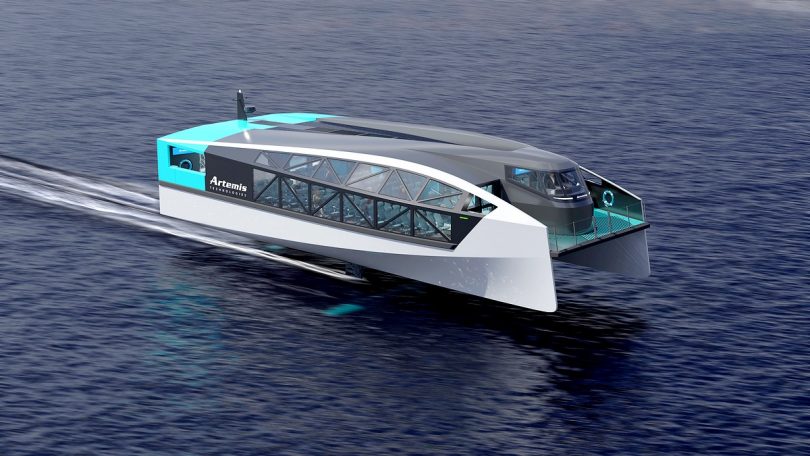
The launch of the electric passenger ferry, dubbed the Orbit Clipper, marks a transformative moment for green transport in London. Traveling across the delightful stretches of the River Thames, this innovative vessel offers a sustainable travel option for commuters, tourists, and triathletes alike. With a charging system that allows it to power up overnight, the ferry operates efficiently, ensuring frequent departures every ten minutes between Canary Wharf and Rotherhithe. This clean and eco-friendly mode of transport not only helps reduce carbon emissions in the city but is also designed to cater to modern needs with the capacity for 100 bicycles. As London embraces electric ferries, it paves the way for a greener future while enhancing accessibility to its vibrant waterways.
Introducing a new era of eco-friendly water transport, the recently inaugurated electric vessel on the River Thames is set to redefine commuting in the city. Known locally as the Orbit Clipper, this state-of-the-art ferry allows passengers to traverse the river effortlessly, bridging key locations with remarkable efficiency. This environmentally conscious alternative embodies sustainable travel principles by providing an accessible mode of transit that significantly cuts carbon outputs. Designed for diverse users, from everyday commuters to adventurous cyclists, this ferry enhances urban mobility while promoting a cleaner London. As cities increasingly focus on reducing their environmental impact, innovations like this highlight the importance of integrating sustainable options into the public transport network.
The Rise of Electric Passenger Ferries in London
The launch of the fully electric passenger ferry on the River Thames marks a significant advancement in London’s transportation landscape. Known as the Orbit Clipper, this innovative vessel not only reduces reliance on traditional fuel sources but also promotes sustainable travel within the city. By offering frequent crossings every 10 minutes on weekdays and 15 minutes on weekends, the electric ferry caters to daily commuters and enhances connectivity between key areas such as Canary Wharf and Rotherhithe.
This progressive shift towards using electric-powered boats embodies London’s commitment to green transport solutions. The initiative aligns with the city’s broader environmental goals of achieving a 50% reduction in carbon emissions by 2035 and aiming for net zero by 2050. As part of London’s ongoing efforts to integrate sustainable technologies into public transportation, the electric passenger ferry serves as an excellent model for other cities aiming to decrease their ecological impact.
Orbit Clipper: A Green Transport Solution
The Orbit Clipper is specifically designed to meet the needs of modern urban passengers looking for eco-friendly transit options. By being charged overnight through a plug-in system, it ensures minimal carbon footprint before setting off on its journey. Featuring capacity for 150 passengers and up to 100 bicycles, the ferry is optimally designed to cater to a diverse range of users, including tourists, commuters, and triathletes participating in international competitions.
This new ferry not only provides an environmentally safe mode of travel but also promotes the dual-purpose use of transporting people and their bicycles, thereby encouraging healthier, more active lifestyles among Londoners. The Orbit Clipper’s role in sustainable transport can redefine how residents and visitors move around the city, particularly in the bustling areas alongside the River Thames.
Impact of Electric Ferries on Commuting Patterns
With the introduction of the Orbit Clipper, commuters on the River Thames can expect reduced travel times and increased efficiency in their daily journeys. This electric passenger ferry operates on a schedule that allows frequent crossings, making it a reliable transportation option for those traveling between crucial points in London. The timely service can potentially shift commuting patterns, encouraging more people to utilize public transport rather than driving, thus reducing traffic congestion in the city.
Furthermore, the accessibility of the ferry supports inclusivity in public transportation, accommodating diverse passenger needs. As more Londoners turn to sustainable travel solutions, initiatives like the Orbit Clipper promise to lead the way in enhancing urban mobility while promoting a cleaner environment. With carbon reduction goals firmly in sight, electric ferry services can continue to evolve and inspire innovation in the transport sector.
Sustainability Goals and Public Response
The launch of the Orbit Clipper has been met with enthusiasm from both city officials and the public. Mayor of London, Sir Sadiq Khan, emphasizes that the innovative ferry system not only constitutes a cleaner travel option but also addresses the increasing need for efficient public transport. The community response highlights the recognition of sustainable transport as a critical component in maintaining a healthy urban environment. This positive reception suggests a readiness among residents to shift towards more sustainable transportation modes.
Public engagement is essential in ensuring the success of such initiatives, and the electric passenger ferry is a step towards fostering a culture of green transport in London. As citizens become more aware of the environmental benefits associated with using electric modes of transport, it amplifies the demand for services like the Orbit Clipper. Such developments may inspire further investment in similar projects, ultimately supporting London’s goal of becoming a greener city.
The Future of River Thames Transport
Looking ahead, the Orbit Clipper represents just the beginning of the transformation of the River Thames’ transport infrastructure. With the increasing emphasis on sustainability and environmental responsibility, it is anticipated that more electric ferries will emerge, expanding services along the river. This transition will enhance not only the efficiency of public transport but also the overall aesthetic and eco-friendliness of London’s waterways.
Moreover, integrating electric ferries into the existing transport network has the potential to reshape public perceptions of river travel. As more people turn to the River Thames as a viable option for commuting, the impact on traffic and pollution levels could be substantial. Continued investment and innovation in services like the Orbit Clipper are essential for fostering sustainable urban development, ultimately leading to a healthier and greener London.
Connecting Communities through Green Transport
The Orbit Clipper’s introduction highlights the importance of connecting disparate communities through sustainable transport options. By linking areas like Canary Wharf and Rotherhithe with a consistent and eco-friendly ferry service, the city fosters a sense of community while promoting responsible travel. These connections can lead to economic benefits by increasing foot traffic and encouraging exploration of local businesses along the route.
Furthermore, the availability of bicycle storage on the Orbit Clipper encourages individuals to combine cycling with ferries, offering a truly integrated travel option. This multi-modal transport system not only enhances convenience for travelers but also contributes positively to local economies and tourism. Encouraging green transport in this manner paves the way for a more interconnected and environmentally conscious London.
Technology and Innovation in Electric Ferries
The technology behind the Orbit Clipper embodies the innovation needed to drive sustainable public transportation forward. With overnight charging capabilities, the ferry maximizes its efficiency and readiness for daily operations, addressing current challenges in energy consumption within public transport systems. The design and tech behind electric ferries are crucial in advancing the larger goal of achieving greener urban mobility.
As electric propulsion technology continues to evolve, we can expect further enhancements in performance, capacity, and environmental impact. Investments in such innovations not only make travel easier and more convenient but also reflect a commitment to reducing the carbon footprint of urban transport systems. The success of the Orbit Clipper may set a precedent for future endeavors in transforming transportation infrastructures across cities worldwide.
Supporting Events and Competitions with Sustainable Solutions
The Orbit Clipper will play a vital role in supporting major events like the World Triathlon Championship Series, as highlighted by Ruth Daniels, CEO of British Triathlon. With accommodations for a significant number of bicycles, it offers a unique, efficient route for competitors and attendees, emphasizing the importance of accessible transport solutions for large-scale events. This capability underscores the ferry’s relevance not only for everyday commuters but also for special occasions.
As London positions itself as a host for international events, sustainable transport options like the Orbit Clipper become critical in showcasing the city’s commitment to eco-friendly practices. Efficient transportation can enhance the overall experience for participants and spectators, building a legacy of responsible travel that resonates beyond the immediate timeframe of events. Furthermore, leveraging electric ferries as part of major logistics supports the narrative of a modern, progressive London, dedicated to sustainability.
Embracing the Future with Electric Ferries
The arrival of electric ferries, exemplified by the Orbit Clipper, marks a transformative moment in London’s ongoing transition towards more sustainable urban transportation solutions. As citizens, businesses, and visitors recognize the advantages of this shift, the momentum may inspire further advancements in the maritime sector, ultimately leading to a more environmentally responsible way to traverse the River Thames.
Looking towards the future, the integration of electric passenger ferries into London’s transport infrastructure will contribute significantly to achieving both local and global sustainability goals. As initiatives like this gain traction, they create opportunities for cities around the world to adopt similar measures, reinforcing the idea that urban environments can prioritize innovation while protecting the planet.
Frequently Asked Questions
What is the Orbit Clipper electric passenger ferry on the River Thames?
The Orbit Clipper is a fully electric passenger ferry launched on the River Thames, designed to offer a sustainable travel option for Londoners. It operates between Canary Wharf and Rotherhithe every 10 minutes on weekdays and every 15 minutes on weekends, providing an eco-friendly alternative to traditional river transport.
How does the electric ferry London contribute to reducing carbon emissions?
The electric ferry London, specifically the Orbit Clipper, aims to reduce carbon emissions by 50% by 2035 and achieve net zero by 2050. It operates on electricity and substitutes traditional fuel-powered ferries, helping lower the environmental impact of river transport.
What are the benefits of using the Orbit Clipper electric passenger ferry for commuters in London?
The Orbit Clipper electric passenger ferry offers several benefits for commuters in London, including quicker and more accessible journeys across the River Thames, as well as the capacity to carry up to 100 bicycles, making it ideal for triathletes, tourists, and daily commuters.
How often does the River Thames ferry run?
The River Thames ferry service provided by the Orbit Clipper runs every 10 minutes during weekdays and every 15 minutes on weekends, ensuring frequent travel options for passengers looking for greener transport in London.
What impact does the Orbit Clipper have on sustainable travel in London?
The Orbit Clipper significantly enhances sustainable travel in London by offering a cleaner, fully electric option that aligns with the city’s goals for reducing carbon footprints. This initiative promotes environmentally friendly transport for both locals and tourists exploring the River Thames.
Is the Orbit Clipper electric ferry suitable for tourists?
Yes, the Orbit Clipper electric ferry is highly suitable for tourists as it provides a unique and efficient route across the River Thames, making it a convenient mode of transport for exploring attractions on both sides of the river.
How does using the Orbit Clipper contribute to a greener London?
Using the Orbit Clipper contributes to a greener London by reducing reliance on emission-heavy transport options. This electric passenger ferry embodies the city’s commitment to innovative, sustainable travel solutions while encouraging eco-conscious commuting efforts.
What capacity does the Orbit Clipper have for bicycles?
The Orbit Clipper has the capacity to carry up to 100 bicycles, making it an ideal choice for cyclists, triathletes, and pedestrians looking for a convenient way to cross the river while promoting sustainable travel.
How does the Orbit Clipper align with London’s green transport initiatives?
The Orbit Clipper aligns with London’s green transport initiatives by utilizing electric power instead of fossil fuels, aiming to decrease carbon emissions and contribute to a cleaner, more sustainable urban environment for its residents.
When is the Orbit Clipper expected to be fully operational?
The Orbit Clipper is fully operational now, providing electric ferry services on the River Thames with a scheduled frequency to accommodate daily commuters and tourists visiting London.
| Key Features | Details |
|---|---|
| Ferry Name | Orbit Clipper |
| Route | Between Canary Wharf and Rotherhithe |
| Frequency | Every 10 minutes on weekdays, every 15 minutes on weekends |
| Capacity | 150 passengers and 100 bicycles |
| Environmental Goal | Reduce carbon emissions by 50% by 2035, achieve net zero by 2050 |
| Mayor’s Statement | A fantastic transport option, cleaner and greener compared to predecessors |
| CEO’s Comment | Provides efficient transport for triathletes and commuters, easier and greener travel |
Summary
The introduction of the electric passenger ferry, the Orbit Clipper, marks a significant advancement in sustainable transportation across the River Thames. This fully electric vessel not only doubles as a commuter service but also as a greener alternative to traditional ferries, supporting London’s ambitions to reduce carbon emissions and promote eco-friendly travel solutions. With its capability to carry bicycles and frequent service intervals, the Orbit Clipper caters to the diverse mobility needs of Londoners while contributing to a cleaner and more efficient urban transport network.