Listen to this article
Election delays in England are becoming a hot topic as numerous councils request to postpone the upcoming local government elections scheduled for May 2024. A recent report reveals that approximately one-third of eligible councils have voiced concerns about conducting elections amidst significant council restructuring efforts. With 21 councils formally requesting a postponement, the implications of these delays could reshape the political landscape ahead of the UK elections 2024. Critics and leaders from various parties, including Labour, Conservative, and Liberal Democrats, are debating the necessity and impact of these council election postponements on local governance. As calls for accountability rise, many wonder whether the elections will proceed as planned, further complicating the future of local government representation in England.
In recent months, the topic of postponed ballots for local elections in England has attracted significant attention and scrutiny. As councils undergo substantial restructuring in preparation for new governance frameworks, many local authorities have expressed hesitation about moving forward with scheduled council elections. This predicament has led to various calls for delaying electoral processes, raising questions about the democratic implications of such actions. The ongoing discussions surrounding these election delays illustrate the tension between political parties and their responsibilities towards local constituents. With the impending elections set to influence the UK’s political dynamics, understanding this electoral dilemma becomes increasingly crucial.
Understanding Election Delays in England
In recent developments, twenty-one councils in England have formally requested delays for their upcoming elections. This move comes as local authorities grapple with the implications of a significant restructuring of local government that the UK is about to undertake. According to reports, approximately one-third of eligible councils have indicated concerns about the feasibility of conducting elections amidst the government’s overhaul plans, setting the stage for potential election delays.
The critical decision to postpone elections may stem from the need to address ‘genuine concerns’ regarding the management of local services and the implications of merging councils. These delays, particularly for council elections scheduled for May 2024, reflect the complexities of reorganizing council governance and the potential impact on local representation.
The Impact of Local Government Restructuring
The drive to restructure local councils in England seeks to replace the existing two-tier system with new unitary councils. This initiative aims to streamline local government operations, eradicating duplication in service delivery. However, it raises critical questions regarding the timing of local elections, particularly for those councils that may be merged, leaving councillors potentially serving only a year before facing another election.
As the restructuring takes hold, councils like West Sussex and Suffolk have raised concerns that upcoming elections may compound existing administrative challenges, making it increasingly difficult to effectively serve their communities. The tension between ensuring democratic representation through elections and managing significant institutional change adds a layer of complexity in decision-making for local leaders.
Political Reactions to Proposed Election Delays
Political leaders have expressed mixed reactions to the requests for election delays, reflecting the contentious nature of local government politics in England. Critics, particularly from the Conservative Party, accuse Labour-led councils of ‘running scared’ from the electorate by postponing elections, framing the decision as an affront to democracy. They argue that local authorities should be held accountable and that delaying elections undermines public trust in democratic institutions.
On the other hand, some political figures have called for legislative clarity to limit the powers of ministers over election timings. Sir Ed Davey, leader of the Liberal Democrats, has been particularly vocal, calling for a change that guarantees elections cannot be delayed arbitrarily. This political tension underscores the deeper implications of postponing council elections against the backdrop of significant reforms in the UK’s local government landscape.
Examining Council Election Postponements
The postponement of council elections draws attention to the broader landscape of local governance in the UK. With the impending changes set to reshape the framework of local councils, these delays may serve to catalyze discussions about the future of local governance and democracy. As councils like Peterborough and Preston contemplate their election strategies, the move to request delays could signal a re-evaluation of how local authorities engage with their constituents.
Election postponements raise legitimate concerns regarding representation and accountability at local levels. As councils prepare for significant structural changes, the implications for voter engagement and electoral integrity become critical. The current landscape calls for robust dialogue about the role of elections in democratic governance, particularly as many councillors may soon find themselves in ‘zombie councils’ with limited electoral mandates.
Council Restructuring and its Influence on Elections
The impending restructuring of local councils in England is set to have profound effects on the elections scheduled for May 2024. As local authorities transition to unitary councils, many are faced with the dilemma of holding elections for councils that may not exist in their current form much longer. This uncertainty is one of the primary drivers for the election delays being requested by various councils.
Additionally, the merger of councils introduces complexities into the electoral process, raising concerns about voter representation. For instance, the realignment of council boundaries and responsibilities means potential shifts in how constituents engage with local governance. The ill-timed elections could further complicate these transitions, highlighting the urgent need for a conscientious approach to local democratic processes.
Analyzing the Role of Parties in Election Delays
Party dynamics play a significant role in shaping perspectives on election delays among English councils. The requests for postponements have predominantly come from Labour-led councils; however, there are notable instances where Conservative and Liberal Democrat councils have also joined the call for delays. This cross-party phenomenon suggests a widespread concern about the implications of the government’s restructuring plans on local governance.
Political leaders from different parties have utilized the issue of election postponement to advance their respective narratives, whether it be decrying what they perceive as an undemocratic tactic or advocating for a thorough restructuring process. As the groundwork for the May 2024 elections unfolds, the interplay between these parties will critically influence how eligible voters perceive the election process and their trust in local government.
Public Sentiment Regarding Election Postponements
Public opinion on the proposed delays to local elections is mixed and heavily influenced by the broader political landscape. While some citizens express understanding of the need for postponements due to council restructuring, others view these requests as an affront to democratic principles. The notion that councils might skip essential public consultations and oversight generates skepticism and concern about long-term democratic engagement.
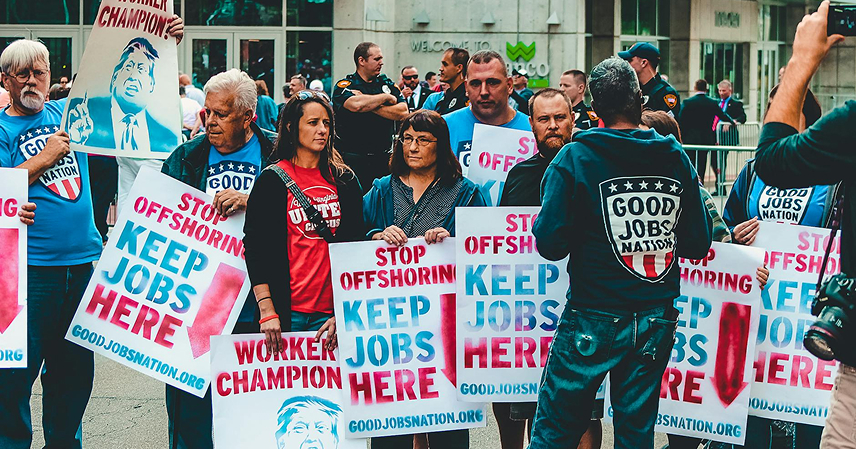
Moreover, protests have erupted in response to council decisions to seek delays, showcasing the frustration of those who feel disenfranchised by potential legislative maneuvers. Public sentiment thus becomes a significant factor in the discourse surrounding election delays, pushing local governments to remain accountable to the very citizens they serve.
Next Steps for Local Councils and Elections
With the deadline for election requests fast approaching, councils must now navigate their next steps with careful consideration of both restructuring plans and public sentiment. Political leaders are under pressure to balance the mandates of their constituents with the administrative realities of local governance. The challenge lies in effectively communicating these decisions to voters and demonstrating that their governance structures remain accountable and transparent.
As local councils assess their positions on the elections scheduled for May 2024, it remains crucial for them to engage openly with the public, providing clear explanations for any decisions regarding delays or elections. Moving forward, it will be important for councils to prioritize fostering community confidence and ensuring that local democratic practices remain intact amidst significant changes.
The Future of Local Elections in the UK
The future of local elections in the UK hinges on the impending council restructuring and the associated election delays. With the government working to implement a new governance structure through unitary councils, the landscape of local representation is poised for transformation. It remains to be seen how this will shape voter engagement and electoral participation in the long run.
As these changes unfold ahead of the May 2024 council elections, it will be important to monitor the implications on local democracy, accountability, and voter trust. Stakeholders must work collaboratively to ensure that the transition to new councils provides a robust framework for future elections and that local electoral processes adapt positively to these major shifts.
Frequently Asked Questions
What are the current election delays in England regarding local government elections?
As of now, approximately 21 councils in England have formally requested delays for local government elections scheduled for May 2024. This has arisen due to concerns about the government’s restructuring plan, which is expected to merge several councils into new unitary authorities by 2027 or 2028.
How could council election postponements affect voters in the UK elections 2024?
Council election postponements could lead to voters having to wait longer to express their opinions in the UK elections 2024. Additionally, if councils are merged before elected officials serve a full term, voters might face political representation challenges.
Which councils in England are requesting delays to the May 2024 elections?
Among the councils requesting delays to the May 2024 elections are East and West Sussex County Councils, Suffolk County Council, and Exeter City Council, along with several others including Preston City Council and Peterborough City Council.
What is the reason behind the council restructuring affecting election delays in England?
The council restructuring is aimed at implementing a unitary council system that will replace the existing two-tier system of district and county councils. This reorganization is believed to create more efficient local governance, but it is also causing concerns regarding the legitimacy of conducting elections for potentially short-lived council positions.
What are the implications of elections delays due to council restructuring in England?
Elections delays resulting from council restructuring could undermine democratic processes as eligible voters may be deprived of their right to elect representatives. Critics argue that postponing elections allows current councillors to serve longer terms without a mandate from the electorate.
How do party politics influence council election postponements in England?
The request for election delays has been predominantly initiated by Labour-led councils, although some Conservative and Liberal Democrat-led councils are also partaking. Many critics assert that these party leaders are ‘running scared’ of potential electoral losses amid restructuring.
Are there any protests against the election delays in local councils in England?
Yes, there have been protests against the decision for election delays. Notably, some residents expressed their frustrations during council meetings, and police were called to intervene in discussions regarding postponements, indicating a robust public interest in maintaining electoral processes.
What’s the government’s stance on election delays due to local government restructuring?
The government, particularly Local Government Secretary Steve Reed, has expressed that allowing election delays is necessary to avoid wasting resources on short-term councils. However, this has faced criticism for undermining democratic ideals and the public’s right to vote.
Will council restructuring alter the timeline for elections in May 2024?
While council restructuring is expected to influence the timeline of elections, the exact impact remains to be seen. Current requests for postponements indicate that a decision on the final schedule may still be pending as government approvals are awaited.
| Council Name | Request Status | Party Control |
|---|---|---|
| East Sussex County Council | Requesting Delay | Labour-led |
| West Sussex County Council | Requesting Delay | Conservative-led |
| Suffolk County Council | Requesting Delay | Labour-led |
| Exeter City Council | Requesting Delay | Labour-led |
| Preston City Council | Requesting Delay | Labour-led |
| Peterborough City Council | Requesting Delay | Labour-led |
| Cheltenham Borough Council | Requesting Delay | Liberal Democrat-led |
| Hastings Borough Council | Requesting Delay | Labour-led |
| Nuneaton and Bedworth Borough Council | Requesting Delay | Labour-led |
| Ipswich Borough Council | Requesting Delay | Labour-led |
| Redditch Borough Council | Requesting Delay | Labour-led |
Summary
Election delays in England have become a pressing issue, with twenty-one councils formally requesting a postponement of elections scheduled for May. This movement towards delaying elections arises from the government’s significant restructuring of local councils, transitioning from a two-tier system to new unitary councils. The implications of these changes raise concerns about democratic representation, with many councils expressing that running elections for potentially short-lived councils could undermine public trust and lead to costs that divert resources from essential services. As the situation unfolds, it is crucial for citizens and stakeholders to consider how these delays may affect local governance and accountability.