Listen to this article
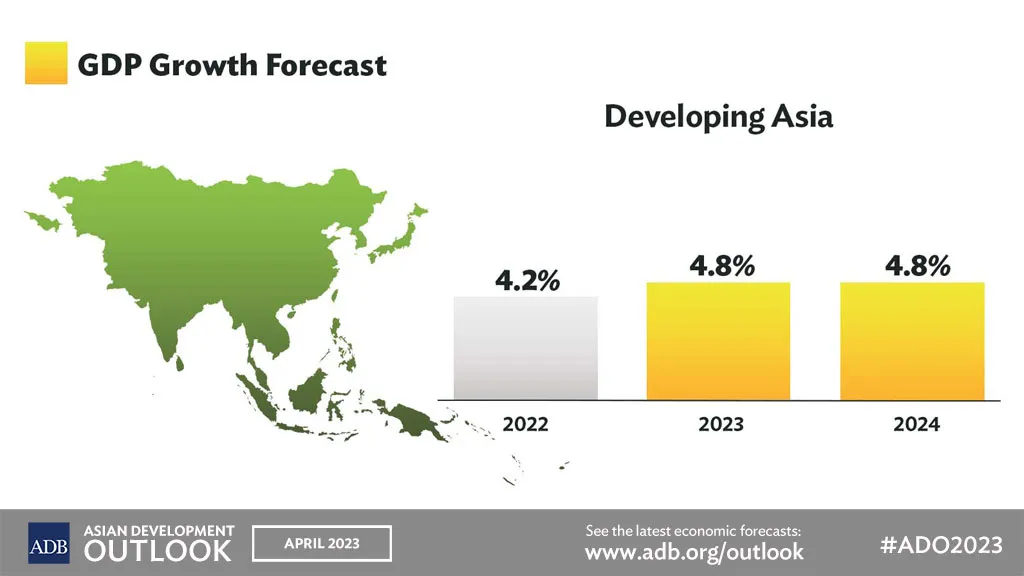
Economic developments in Asia are shaping the future of global finance, making it imperative for stakeholders to stay updated with the latest trends and news. The region has become a powerhouse of economic growth, with nations like India exhibiting impressive GDP growth and attracting significant foreign direct investment. Meanwhile, China is implementing crucial adjustments to strengthen its economy amidst rising inflation trends that are affecting many Asian countries. Initiatives like the Regional Comprehensive Economic Partnership (RCEP) are redefining trade relations and opening doors for new business opportunities. Observing the emergence of green industries in Southeast Asia also highlights a shift towards sustainability, potentially transforming traditional economic practices.
As the economic landscape evolves throughout Asia, a closer examination of regional commerce reveals essential growth patterns characterized by various factors. Notably, emerging economies are setting themselves apart through innovative initiatives, fueling advancements not only in manufacturing but also in digital economies. The impact of strategic trade agreements like RCEP cannot be overstated, offering a framework that benefits participating nations and reshapes traditional trade barriers. Alongside this, countries are redirecting resources to build sustainable practices in their industries, which is progressively attracting both investment and interest. Monitoring these economic shifts is crucial, as they define the trajectory of markets and investment opportunities across the continent.
Economic Developments in Asia: Key Trends to Monitor
Asia’s economic landscape is incredibly dynamic, making it essential for stakeholders to keep abreast of key developments. As the region continues to evolve, understanding the trends that shape its economies will empower investors and businesses to make informed decisions. Recent economic indicators have showcased growth potential in various sectors, from technology to green industries. By monitoring these trends, one can gauge the overall trajectory of Asia’s economy and spot emerging opportunities for investment.
Furthermore, investors should consider the implications of the Asian markets becoming increasingly interconnected through trade agreements like the RCEP. This landmark agreement not only streamlines trade processes but also opens doors to collaboration across borders, promoting more robust economic ties. The RCEP has the potential to reshape supply chains and drive economic progress across Asia, making it imperative for businesses to stay informed about its developments.
India’s Economic Growth: A Closer Look
India’s position as a fast-growing economy has attracted global investors eager to capitalize on its potential. With the recent surge in foreign direct investment (FDI), largely fueled by government initiatives such as the ‘Make in India’ campaign, the landscape is shifting towards a vibrant manufacturing hub. This not only enhances India’s economic prospects but also positions it as a robust contender in the global market.
As businesses look to enter the Indian market, they must remain vigilant of regulatory changes and potential policy shifts that could impact investment and operational strategies. Economic reforms aimed at improving the ease of doing business are constantly evolving, thus creating a landscape that requires continuous monitoring for strategic advantages.
Understanding the RCEP Trade Agreement and Its Implications
The Regional Comprehensive Economic Partnership (RCEP) represents a transformative shift in trade relations within Asia, encompassing several major economies. By reducing tariffs and establishing uniform trade standards, the RCEP seeks to enhance economic cooperation among member nations, which includes China, Japan, and Australia, among others. Understanding the implications of this agreement is crucial for businesses looking to navigate the intricate web of Asian trade.
Moreover, the RCEP’s creation is expected to stimulate economic activity by facilitating smoother trade flows. As countries adjust their trade policies to align with the RCEP standards, businesses must be proactive in adapting their strategies to leverage the benefits brought by this agreement. The enhanced trade connections signify a future of increased market accessibility, making it an area to watch closely.
The Surge of Green Industries in Southeast Asia
Southeast Asia is emerging as a critical player in the global push for sustainability, with many nations prioritizing green industry initiatives. Countries like Thailand and Vietnam are making substantial investments in clean energy projects, signifying a shift from traditional practices towards sustainable growth. This transition not only addresses environmental concerns but also opens up new markets and business avenues for investors.
Furthermore, the government’s commitment to support green projects through incentives and development programs indicates a promising future for green technologies. Businesses that align with these sustainability goals may find themselves at the forefront of significant growth opportunities. Monitoring the policies around green industries will be vital to capitalize on these emerging trends and drive investment decisions.
The Challenges of Inflation Trends in Asia
With rising inflation rates becoming a pressing concern across Asia, it is crucial for stakeholders to understand the underlying factors and potential impacts. Supply chain disruptions stemming from geopolitical tensions and the COVID-19 pandemic have contributed to inflationary pressures, affecting consumer prices and market stability. Countries like the Philippines and Thailand are grappling with increased costs, prompting central banks to adjust monetary policy accordingly.
As central banking systems respond with interest rate hikes, businesses and investors need to carefully evaluate how these changes affect spending behavior and investment strategies. Inflation trends can significantly influence economic landscapes, and keeping an eye on inflation metrics will be essential for making informed decisions moving forward in the Asian markets.
Frequently Asked Questions
What are the latest economic developments in Asia that investors should follow?
Investors should closely monitor key economic developments in Asia, including India’s GDP growth, China’s structural economic adjustments, the Regional Comprehensive Economic Partnership (RCEP), and the rising green industries in Southeast Asia. These factors greatly influence market opportunities and economic dynamics across the region.
How is India’s economic growth impacting the broader Asian economy?
India’s economic growth, fueled by increased foreign direct investment and government initiatives like the ‘Make in India’ campaign, is significantly impacting the Asian economy. As India strives to become one of the largest economies globally, its growth can provide substantial market opportunities and drive regional economic collaboration.
What does the RCEP trade agreement mean for Asia’s economic landscape?
The RCEP trade agreement is a pivotal element in Asia’s economic landscape, as it is the world’s largest trade deal. By reducing tariffs and enhancing trade among member countries, including China and Japan, the RCEP is expected to streamline trade policies and foster economic cooperation, ultimately benefiting businesses and economies throughout the region.
What trends are emerging in Southeast Asia’s green industries?
Southeast Asia is experiencing a significant shift toward green industries, with governments in countries like Vietnam and Indonesia investing heavily in sustainable technologies and clean energy initiatives. These developments present new market opportunities and are transforming traditional industries, thus making it essential for stakeholders to stay informed about policies promoting sustainability.
How are inflation trends affecting Asia’s economic climate?
Inflation rates are rising in many Asian countries due to supply chain disruptions and geopolitical factors, impacting economic conditions across the region. In response, central banks, particularly in Thailand and the Philippines, are adjusting interest rates, influencing investment decisions and consumer behavior. Monitoring these inflation trends is vital for understanding economic stability in Asia.
| Economic Development Aspect | Details | Key Takeaway |
|---|---|---|
| Economic Growth in India | India’s GDP is growing, with a focus on attracting foreign direct investment through initiatives like ‘Make in India’. | Track regulatory changes and corporate announcements for market insights. |
| Trade Relations and RCEP | The RCEP is the largest trade agreement by countries in Asia, focused on reducing tariffs and encouraging trade. | Stay updated on negotiations that shape trade policies in the region. |
| Rise of Green Industries | Southeast Asian countries are investing in green technologies and sustainable solutions. | Monitor policies promoting green tech for investment opportunities. |
| China’s Economic Adjustments | China focuses on tech innovation while managing debt and boosting consumption. | Track economic metrics to identify growth opportunities in China. |
| Impact of Inflation in Asia | Inflation rates are rising, affecting central bank policies and interest rates across Asia. | Watch inflation trends and policies impacting investment and spending. |
| Digital Economy Growth | The digital economy in Asia is expanding with investments in tech and e-commerce. | Focus on sectors like fintech and e-commerce for high-growth potential. |
| Labor Market Trends | Labor markets are shifting due to technology and demand for re-skilling initiatives. | Understand workforce changes to inform business expansion and hiring. |
Summary
Economic developments in Asia are characterized by dynamic changes that shape its growth and investment landscape. Key areas such as India’s burgeoning economy, the significant impact of RCEP on trade, and the shift towards sustainability in Southeast Asia are vital for understanding regional trends. Additionally, inflationary pressures and the rise of the digital economy contribute to a complex economic environment. By staying informed about these developments, stakeholders can better navigate the evolving Asian markets and leverage new opportunities for growth.