
Listen to this article
EasyJet baggage fees have recently come under scrutiny following a ruling by the Advertising Standards Authority (ASA), which mandated the airline to clarify its pricing strategies. Previously, EasyJet had advertised that carry-on baggage fees started from just £5.99, a claim that was misleading according to the ASA, as they required evidence that passengers could actually board flights with luggage at that price. This incident highlights ongoing concerns regarding airline pricing transparency, especially in relation to budget airline baggage costs. With many consumers seeking clarity on EasyJet fees, the airline has updated its website to ensure customers understand that prices vary based on demand and availability. As more travelers navigate the complexities of airline charges, awareness of the true costs of carry-on baggage is essential for informed travel planning.
The recent developments surrounding EasyJet’s baggage policies highlight broader issues within the airline industry related to fee structures and consumer transparency. Terms such as “add-on charges” and “luggage fees” are becoming common conversational points among budget-conscious travelers, aiming to understand the true cost of their flights. With a focus on understanding what it truly costs to bring items on board, many are questioning the fairness of advertised rates versus actual booking prices. Arbitrary pricing tactics, particularly in budget carriers, often lead to confusion and discontent among passengers. As legal changes loom regarding carry-on allowances and pricing, the conversation surrounding EasyJet and other airlines could lead to significant shifts in how luggage fees are presented to consumers.
Understanding EasyJet Baggage Fees
EasyJet baggage fees have recently come under scrutiny due to misleading advertising practices. The airline previously claimed that carry-on baggage could be added to flights for as low as £5.99, a statement that the Advertising Standards Authority (ASA) deemed false. Customers assumed that such a low fee would be widely applicable across various routes; however, EasyJet could not substantiate this claim with proof. This regulatory action highlights the need for greater transparency in airline pricing, particularly concerning additional charges like baggage fees.
The ASA’s ruling serves as a reminder for travelers to be vigilant when comparing airline fares. While EasyJet continues to offer competitive base prices on tickets, the reality is that additional costs such as carry-on baggage charges can inflate the overall price significantly. Consumers should always request clarification on fees associated with their flights to avoid unpleasant surprises. By understanding EasyJet’s baggage policies, passengers can budget more accurately for their trips.
The Impact of the ASA Ruling on EasyJet
The recent ASA ruling against EasyJet underscores a growing demand for airline pricing transparency. The authority reiterated that airlines must avoid using terms that could mislead consumers about the cost of services like baggage. EasyJet’s initial claim suggested that low-cost carry-on options were available across a significant number of routes, which was not the case. As a result, the airline’s advertising strategy will need to adjust to align with the ASA’s expectations, ensuring that consumers receive accurate information that reflects the true cost of air travel.
This ruling could potentially reshape how other budget airlines present their pricing structures. In an industry where low headline fares attract customers, the addition of substantial fees can deter travelers. Other budget airlines may face similar scrutiny as the ASA emphasizes the need for clear communication regarding any supplementary fees. By adhering to transparent pricing guidelines, companies not only comply with regulations but can also foster customer trust and satisfaction.
Consumer Advice on Carry-On Baggage
As travel experts suggest, passengers should approach budget airlines like EasyJet with caution regarding carry-on baggage. While the allure of low base prices can be tempting, unanticipated fees can significantly raise total travel costs. Potential travelers should inform themselves about the specific baggage policies of airlines they choose to fly with. Researching typical carry-on bag prices can help avoid the shock of needing to pay excessive fees at check-in.
In addition to understanding EasyJet baggage fees, customers might benefit from considering airlines that incorporate free carry-on baggage in their base ticket price. Looking for budget airlines with straightforward pricing policies can prove advantageous, as it may reduce overall trip costs and enhance the travel experience. It’s essential for travelers to plan ahead and ensure they are well-informed about the regulations surrounding cabin baggage to avoid last-minute scrambles or hefty charges.
Why Baggage Transparency Matters
Pricing transparency in the airline industry, particularly with respect to baggage fees, is crucial for consumer trust. The ASA’s decision regarding EasyJet highlights a larger issue where consumers often feel misled by the travel industry’s complex pricing systems. Clear and honest communication about fees helps travelers make informed decisions and reinforces their confidence in choosing a particular airline. When customers are fully aware of what they’re paying for, they are more likely to have a positive travel experience.
Furthermore, enhanced transparency can also influence consumer behavior. As passengers become aware of the total costs associated with flights, they may opt for airlines that uphold ethical pricing practices. Companies like EasyJet that fail to provide clear information risk alienating potential customers, who might look to competitors that offer more clarity with their baggage policies. Therefore, the importance of fostering a transparent industry cannot be understated as it directly impacts customer loyalty and airline reputation.
Comparing Airline Baggage Policies
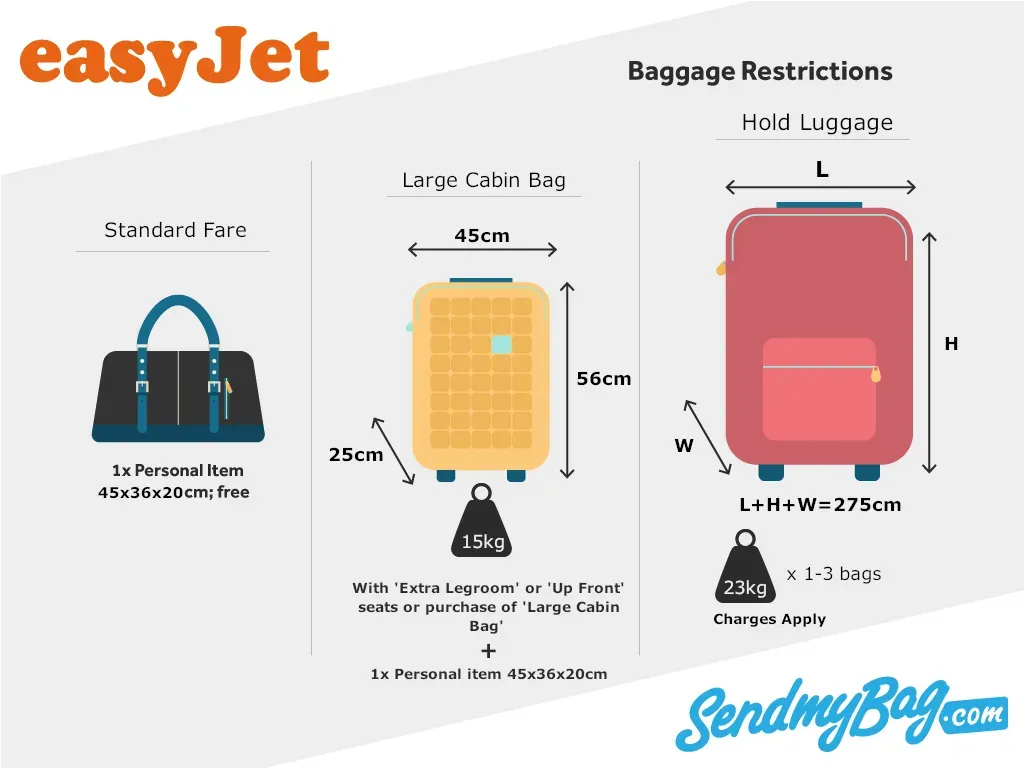
When selecting an airline, it’s essential to compare baggage policies beyond just the ticket price. Budget airlines, including EasyJet, are notorious for advertising low fares while implementing additional fees for services like carry-on luggage. Understanding these policies allows travelers to make informed decisions based on their specific needs. Some airlines may include a free small cabin bag, while others charge extra, which can significantly affect overall travel costs.
Additionally, readers might find it interesting to evaluate alternative options that can provide more value, such as airlines with all-inclusive pricing. These carriers often have fewer unexpected charges, making it easier for consumers to budget their trips accurately. Conducting thorough research on various airlines’ policies, especially regarding carry-on baggage costs, can ultimately save travelers time and money.
Key Takeaways from EasyJet’s Baggage Challenges
The situation involving EasyJet and the ASA illustrates the challenges consumers face in understanding airline charges. The discrepancy between advertised fares and the actual cost to travel can lead to frustration and confusion among passengers. This incident serves as a wake-up call to both consumers and airlines about the importance of clear advertising practices.
Travelers should not only focus on finding the cheapest ticket but also consider the associated fees that may arise during the booking process. Being proactive in understanding the additional costs related to baggage can enhance the overall travel experience. Ultimately, this awareness encourages consumers to choose airlines that prioritize transparency in their pricing structures.
Consumer Group Engagement on Airline Fees
Organizations like Which? play a significant role in advocating for consumer rights in the travel sector. Their consistent efforts to challenge misleading advertising practices, such as those employed by EasyJet, pave the way for improvements in airline transparency. By scrutinizing airline fees and promoting fairness, they empower consumers to make more informed decisions about their travel options.
Engagement with consumer groups can also lead to increased awareness among travelers about the additional charges that airlines may impose. This proactive approach can result in a better travel landscape where consumers demand transparency and accountability from airlines. By supporting initiatives that stress clear communication regarding fees, consumers not only benefit individually but contribute to a broader change in the industry.
The Future of Airline Pricing Transparency
The recent ruling against EasyJet may indicate a shift towards enhanced accountability in airline pricing practices. As consumer awareness grows and more organizations step up to challenge misleading claims, airlines may adapt to survive in a competitive marketplace. It is crucial that travelers remain vigilant and continue to advocate for fair pricing policies.
A future where airlines are required to offer clear, straightforward information about all fees, including baggage costs, seems promising. With ongoing developments in consumer protection legislation, it is essential for the airline industry to embrace transparency as a value proposition to retain customer trust. As EasyJet’s situation has demonstrated, misleading practices can backfire and lead to regulatory actions that push for more honest communication with customers.
Frequently Asked Questions
What are the EasyJet baggage fees for carry-on baggage?
EasyJet baggage fees for carry-on items vary based on factors like route, demand, and date of booking. While they have previously claimed that carry-on baggage costs start from £5.99, the Advertising Standards Authority ruled this statement as misleading. Passengers should check the exact prices when booking their flights, as they might be significantly higher than this initial figure.
How do EasyJet fees compare with other budget airline baggage charges?
EasyJet fees, particularly for carry-on baggage, can sometimes be higher than advertised. Research from consumer group Which? indicates that EasyJet’s cabin bag prices may be up to five times the advertised minimum of £5.99. Travelers concerned about hidden fees should compare EasyJet’s baggage costs with other budget airlines to make informed choices.
What is the ASA ruling on EasyJet baggage fees?
The ASA ruling on EasyJet baggage fees requires the airline to stop claiming that carry-on costs start from £5.99. The ruling stated that this was misleading as it suggested that customers could consistently find prices at that rate across various flights. EasyJet must provide clear pricing information that reflects actual costs at the time of booking.
Are there any transparency issues regarding EasyJet’s carry-on baggage costs?
Yes, there have been transparency issues regarding EasyJet’s carry-on baggage costs. The ASA found that EasyJet’s claim of starting prices was misleading, creating customer confusion. The airline has since updated its website to clarify that carry-on baggage fees vary and that customers will see the actual cost during the booking process.
What should I know about EasyJet’s budget airline baggage pricing?
When booking with EasyJet, it’s important to be aware that budget airline baggage pricing can lead to higher overall costs. While they advertise low fares, additional fees for cabin bags are not always straightforward. Passengers are advised to thoroughly check baggage costs during the booking process to avoid unexpected charges.
How can I avoid high EasyJet baggage fees?
To avoid high EasyJet baggage fees, consider traveling with only a personal item that fits their size requirements or budget for a larger carry-on in advance. Additionally, reviewing the airline’s pricing policies and checking for any promotions related to baggage can help mitigate costs. Planning ahead and understanding fee structures can save money.
| Key Point | Details |
|---|---|
| Regulatory Ruling | The ASA ruled that EasyJet’s claim of carry-on baggage fees starting at ‘from £5.99’ was misleading. |
| Consumer Group Involvement | Which? highlighted that EasyJet’s pricing could create confusion and reported the misleading claim to the ASA. |
| EasyJet’s Response | EasyJet stated that it aims to provide clarity on pricing and updated its website following the ASA’s feedback. |
| Baggage Pricing Dynamics | Cabin bag prices vary based on demand, route, date, and time of booking, making it hard to provide consistent pricing. |
| Expert Opinions | Experts noted that low base fares often come with high additional fees for baggage, impacting overall travel costs. |
Summary
EasyJet baggage fees have come under scrutiny following a ruling by the Advertising Standards Authority (ASA) that declared the airline’s claims of fees starting ‘from £5.99’ as misleading. This decision arose after complaints from the consumer group Which?, which pointed out that such pricing often misleads customers about the actual cost of travel. EasyJet has since revised its website to provide clearer information, emphasizing that baggage fees vary significantly based on several factors. As travelers choose airlines, it is essential to consider total trip costs, including baggage fees, to avoid unexpected expenses.