
Listen to this article
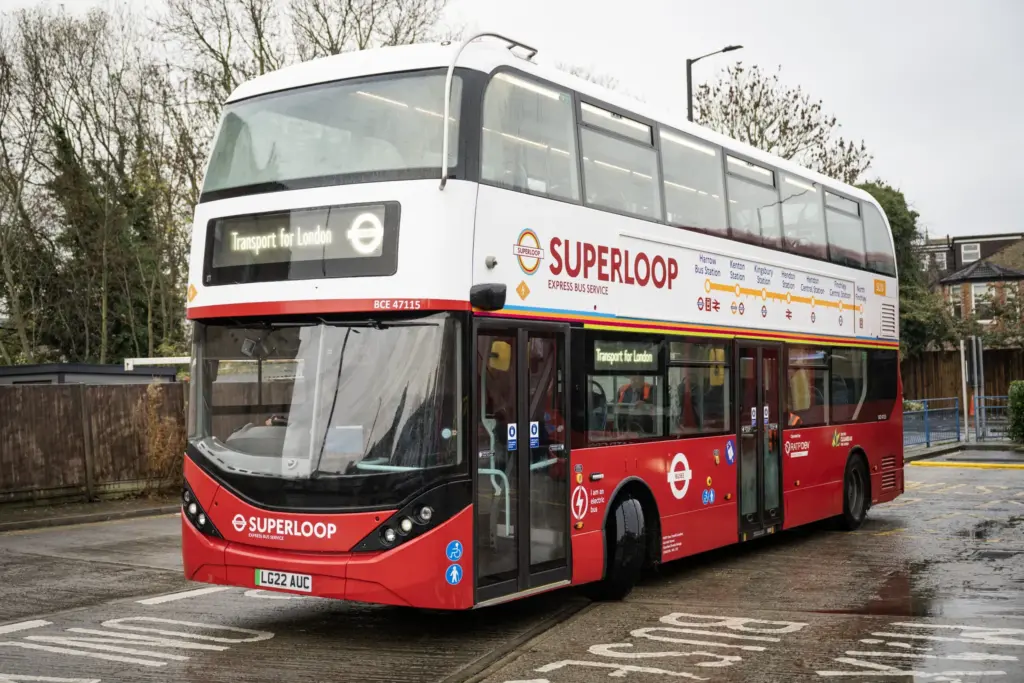
The East London Superloop is set to revolutionize public transport in North East London with the upcoming SL14 bus route, launching next year. This limited-stop express service promises to enhance connectivity by facilitating quicker journeys between key locations such as Stratford and Chingford Hatch, while also serving popular stations including Leyton and Blackhorse Road. With 83 percent of respondents in a recent Transport for London (TfL) consultation expressing approval, it’s clear that local support is strong for these vital London transport improvements. The anticipated launch aligns with the broader Superloop expansion initiative, aimed at transforming bus routes across the capital. As TfL prepares for operation, residents can look forward to more efficient and convenient travel options that will significantly reduce journey times in the region.
The new express bus service, often referred to as the SL14 route, is part of a broader initiative to bolster public transportation systems across East London. Unveiled by Transport for London (TfL), this limited-stop route will not only foster improved travel times between major hubs, but it also addresses long-standing issues with accessibility in areas like Chingford Hatch. The Superloop network, an exciting development in London transport, aims to enhance connectivity by serving residents in underserved zones. Local consultations have indicated strong public enthusiasm for these improvements, showing that community engagement plays a pivotal role in shaping effective transport solutions. With the SL14 set to launch next year, the commitments made today will pave the way for a more integrated and responsive public transport system in East London.
Enhancing Connectivity with the East London Superloop
The introduction of the East London Superloop, particularly the SL14 bus route, represents a significant step towards improving public transport services in North East London. With anticipated faster travel times and increased convenience, the SL14 will enable residents to easily move between key areas, including Stratford and Chingford Hatch. This new express route, accelerated by high public endorsement, reflects Transport for London’s commitment to enhancing transport connections in London’s outer boroughs. The new service is particularly critical as it’s designed to bridge transport gaps that many residents have faced, showcasing an adaptive approach to London’s evolving transport needs.
Moreover, the SL14 route perfectly aligns with London’s broader transport improvement strategies. As part of the expansion of the Superloop network, it emphasizes the significance of integrating well-established bus routes with local needs, as seen during consultations where residents expressed their views. The successful rollout of such routes not only alleviates traffic congestion but also facilitates smoother commuting experiences, essential for maintaining the vibrancy of urban life. Thus, the SL14 serves as a prototype for how public transport consultations can transform into actionable improvements, securing benefits for commuters and residents alike.
Understanding Transport for London’s Superloop Expansion
Transport for London’s (TfL) Superloop initiative marks a revolutionary advancement in London’s public transport landscape by responding to community needs and operational efficiency. By launching new routes such as the SL14, TfL is not just improving existing services but actively rethinking how bus routes can best serve populations, especially those in underserved areas. This line of thought is apparent from the 83 percent of respondents who supported the SL14 in recent consultations, highlighting the public’s eagerness for convenient transport solutions.
As TfL moves forward with the Superloop expansion, residents are encouraged to remain engaged in future consultations regarding bus routes and services. The combination of community feedback and practical adaptations, as seen with the SL14, is critical in laying down a true reflection of commuter needs. The interrelationship between expansion projects and user satisfaction underscores the necessity of ongoing dialogue about London transport improvements, setting a precedent for inclusive planning in urban systems.
Consultation Results and Impact on London Transport
The recent consultation results shed light on the public sentiment surrounding the new SL14 bus route and its implications for London transport. A remarkable 81 percent of participants believed that the SL14 would significantly reduce journey times, indicating a widespread acknowledgment of the need for efficient public transport solutions. Such feedback is testament to the collective understanding among residents of how vital an effective transport network is to their everyday lives, cementing the need for continuous dialogue between TfL and the communities it serves.
Moreover, the results of the public consultation serve not only as validation for the SL14 route but also highlight the potential for future enhancements within London’s transport infrastructure. Addressing the concerns raised about extending the SL14 to Chingford station reflects TfL’s commitment to responsive planning. While challenges exist, including resource allocation for additional buses, the engagement from local residents positions TfL to explore more routes and connections, ultimately leading to a more integrated transport framework for the benefit of all commuters.
The Future of London’s Bus Services: SL14 and Beyond
With the launch of the SL14 on the horizon, the future of London’s bus services looks promising. The SL14 is expected to set a benchmark for new routes under the broader Superloop initiative, which aims to ensure that all areas, particularly those currently underserved, have robust transport options. The strategic placement of limited-stop services such as the SL14 not only expedites travel but also opens up new opportunities for local businesses and communities, enhancing the economic vitality of the regions they serve.
Additionally, the success of the SL14 could pave the way for further consultations regarding transport needs across different London boroughs. Initiatives like the SL14 serve as valuable case studies in how targeted bus service enhancements can lead to substantial improvements in public transport. As London continues to grow and evolve, strategies like these will be crucial in maintaining an accessible, reliable, and efficient transport network that meets the demands of its residents.
Empowering Local Communities through Transport Innovations
The rollout of the SL14 bus route reflects a significant trend towards empowering local communities through proactive transport innovations. By listening to community feedback and acting upon it, TfL demonstrates that it values the opinions of residents and aims to create solutions that directly improve their daily commuting experiences. This participatory approach ensures that transport developments are not imposed from the top down, but rather co-created with those who rely on these services.
Furthermore, as the Superloop expansion progresses, it fosters a sense of ownership among local residents who feel their voices contribute to the transformation of their neighborhoods. The SL14 represents more than just a bus route; it embodies a commitment to address transport inequities and enhance overall quality of life for residents in East London. In the long run, these innovations in public transport are likely to inspire greater community engagement in other urban planning initiatives throughout the city.
Challenges and Expectations for New Route Implementation
While the SL14 bus route is poised for success, there remain inherent challenges in implementing this and other routes within the Superloop initiative. One significant challenge highlighted by Transport for London is the need for additional buses to support an extended route to Chingford station, prompting discussions about resource allocation and operational efficiency. The ability to balance public demand with logistical feasibility will be crucial in ensuring the SL14’s success as a new transport route.
Additionally, the complexity of reworking existing routes and ensuring seamless connections underscores the need for meticulous planning and execution. Transport for London must navigate these challenges while maintaining transparency with the public through updates and consultations. By prioritizing community input in these processes, TfL can establish trust and ensure that the expectations surrounding the SL14 are met, creating a reliable and effective service that residents can depend on.
Examining the Feedback from the Public Consultation
The overwhelming support for the SL14 route, as evidenced by the public consultation, brings to light important themes concerning community engagement and service effectiveness. The feedback gathered indicates that residents are eager for improvements in their local transport networks, suggesting that when public input is prioritized, it directly correlates with the perceived effectiveness of services. Engaging the community in consultations not only helps in designing efficient transport solutions but also cultivates a sense of shared ownership among users.
That said, it is essential for Transport for London to continue this practice of regular consultations as they implement the SL14 and future routes. Continuous dialogue with residents will be key to adapting services to meet evolving urban needs, especially as London grapples with increased population density and environmental challenges. The insights gained from these consultations provide invaluable data that can guide future transport improvements, ensuring that London’s public transport system remains sustainable, accessible, and reflective of the communities it serves.
The Role of the Deputy Mayor in Transport Enhancements
Seb Dance, the Deputy Mayor for Transport, plays a crucial role in advocating for London’s public transport developments, including the introduction of the SL14 bus route. His public statements highlight the importance of community support for the new express route, indicating that local voices significantly shape the transport planning process. By endorsing the SL14, Dance reinforces the message that these transport enhancements are part of a broader strategy to create a fairer and more sustainable transit landscape for all Londoners.
Moreover, his involvement suggests a commitment to ensuring that every new route not only meets immediate transport needs but also contributes positively to the urban environment. In promoting the SL14, Dance emphasizes the importance of integrating transport improvements with London’s ecological goals, particularly in the context of the expanding ULEZ. The intersection of transport, community well-being, and environmental sustainability positions the Deputy Mayor as a key figure in shaping the future of London’s public transport system.
Integrating Transport Strategies for Comprehensive Improvement
The integration of various transport strategies is vital as London seeks to improve its public transport network comprehensively. The SL14 route, as part of the East London Superloop, plays an essential role in delivering a cohesive transport experience, ensuring that every area connects seamlessly with various parts of the city. By implementing limited-stop services, TfL can optimize its bus routes to cater to the needs of multiple communities, efficiently addressing the demands of urban residents.
To create a truly integrated transport system, ongoing assessments of routes, services, and commuter needs are necessary. The feedback lens provided by public consultations will be key in guiding these assessments, allowing for adjustments where required to improve overall service delivery. Thus, the SL14’s introduction is just one component of a larger framework aimed at establishing a reliable transport ecosystem that enhances quality of life for all Londoners, reflecting TfL’s dedication to progressive transport planning.
Frequently Asked Questions
What is the East London Superloop and how does the SL14 bus route fit into it?
The East London Superloop is a network of limited-stop express bus routes designed to enhance public transport connectivity in Outer London. The SL14 bus route, set to launch next year, will connect key areas such as Stratford and Chingford Hatch, improving journey times for commuters. This route will significantly enhance transport links in North East London, aligning with the objectives of the Superloop initiative.
How will the SL14 bus route improve transport in North East London?
The SL14 bus route will improve transport in North East London by providing faster connections between major hubs like Stratford and Chingford Hatch. By incorporating stops at Leyton, St James’s Street, and Blackhorse Road, the SL14 is expected to reduce journey times significantly, as indicated by 81% of respondents in the consultation recognizing its potential benefits.
What were the public’s responses to the SL14 bus route consultation?
The consultation regarding the SL14 bus route received overwhelmingly positive support, with 83% of respondents believing the route would be more convenient, and 81% expressing that it would reduce current journey times. This strong public backing is a key factor in Transport for London’s decision to move forward with the East London Superloop’s expansion.
Will the SL14 bus route be extended to Chingford station in the future?
Currently, there are no plans to extend the SL14 bus route to Chingford station. Although residents have voiced the need for better transport connections to Chingford station, Transport for London indicated that extending the route would require additional buses and adjustments to existing local services. The SL14 route will initially focus on connecting Stratford and Chingford Hatch.
What are the key benefits of the East London Superloop for residents?
The East London Superloop, including the new SL14 bus route, aims to provide improved public transport options for residents in previously underserved areas. Key benefits include reduced journey times, enhanced connectivity between important locations, and a more efficient transport network that aligns with London transport improvements, addressing community needs and expanding access to essential services.
When is the SL14 bus route expected to launch and what are the preparations in place?
The SL14 bus route is set to launch in 2027, with preparations already underway by Transport for London. TfL has committed to updating the public ahead of the launch, ensuring that residents are informed of the new service, which is part of the broader Superloop expansion aimed at enhancing transport across East London.
What other routes are part of the East London Superloop initiative?
Beyond the SL14 route, the East London Superloop initiative includes other routes such as the SL11, which connects North Greenwich and Abbey Wood, and the SL12, scheduled to link Gants Hill with Rainham. Future consultations are underway for SL13 and SL15 routes, showcasing the ongoing commitment to improving London transport.
How does the SL14 bus route impact existing bus services in the area?
The introduction of the SL14 bus route will necessitate some adjustments to existing services, including a diversion of the D8 route. This strategic planning aims to optimize the transport network, minimize congestion, and provide a reliable express service without redundant overlaps between routes, ultimately enhancing the overall efficiency of London transport.
| Key Point | Details |
|---|---|
| New Route Approved | The SL14 bus route will launch next year, providing faster connections. |
| Route Coverage | Connects Stratford, Leyton, St James’s Street, Blackhorse Road, and Chingford Hatch. |
| Public Support | 83% of respondents believe it will make travel more convenient. |
| Journey Time Reduction | 81% feel that the new route will reduce journey times. |
| Related Changes | The D8 bus route will be diverted to support the SL14 operations. |
| TfL’s Plans | Preparation for SL14 operation is already underway. |
| Further Extensions | There are discussions on extending the SL14 to Chingford station, but no current plans. |
Summary
The East London Superloop is set to enhance public transport in North East London significantly. With the SL14 route being launched next year, it will provide crucial connections, making travel more convenient and quicker for thousands of commuters. The strong public support for the route demonstrates the demand for improved transport links in the area. The initiative reflects Transport for London’s commitment to establishing a more efficient and connected bus system, ultimately improving the daily commute for residents and supporting the growth of East London.