
Listen to this article
The East London meat cleaver incident has raised significant concerns regarding knife crime in London. Footage of the event, which occurred near Shaftesbury Theatre, shows police engaging in a dramatic chase after a man named Michael Tadese, who was discovered concealing a meat cleaver in his waistband. This alarming occurrence highlights the ongoing issue of offensive weapon arrests in urban areas, as law enforcement strives to combat rising incidents of violence. Reports indicate that neighbors were startled by the sight of officers pursuing a suspect armed with such a dangerous weapon. Fortunately, no injuries were reported during this police operation, but the incident serves as a stark reminder of the challenges faced by authorities as they work to ensure public safety in the capital.
In recent events surrounding urban violence, the incident involving a concealed meat cleaver in East London has sparked much discussion. A man, identified as Michael Tadese, engaged in a police chase after being spotted with a dangerous item hidden in his clothing. This alarming event sheds light on the broader issue of violent crime associated with knives and other offensive weapons across London’s streets. As police departments tackle the rise in such incidents, the case serves as a poignant example of the risks involved in policing knife crime. Ultimately, the incident not only highlights individual accountability but also the community’s growing concern over safety.
Understanding the East London Meat Cleaver Incident
The East London meat cleaver incident involving Michael Tadese has brought attention to the ongoing issues of knife crime in the capital. This alarming event occurred near the Shaftesbury Theatre, where police observed a man with a concealed offensive weapon. At the heart of this incident is the broader context of knife-related offenses that have been on the rise, prompting law enforcement to enhance their patrols in areas plagued by such crimes. The footage capturing the police chase reveals the seriousness and immediacy with which officers respond to potential threats in the community.
In this specific case, Michael Tadese was apprehended after discarding a large knife when confronted by the Metropolitan Police. Such swift action highlights the police’s commitment to tackling knife crime in London, which has been a crucial part of their public safety strategy. The fact that no injuries occurred during the episode is fortunate, but it also underscores the need for continued vigilance and proactive measures against individuals who may carry weapons. This incident is more than just an isolated case; it reflects a critical confrontation between law enforcement and the persistent issue of violent crime.
The Role of Police in Mitigating Knife Crime in London
The Metropolitan Police have been increasing their efforts to combat knife crime across London, particularly in areas with a high incidence of reported incidents. The police chase involving Michael Tadese serves as a reminder of the risks they face while striving to maintain public safety. Through enhanced patrols and community engagement, law enforcement aims to deter potential offenders from carrying weapons like the concealed meat cleaver found on Mr. Tadese. Their proactive approach is essential in fostering a safer environment for Londoners.
In addition to reacting to incidents like the Shaftesbury Theatre affair, the Metropolitan Police are also focused on preventive measures. They engage with local communities to create awareness about the dangers of carrying offensive weapons and to encourage community members to report suspicious activities. The arrest of individuals involved in knife crime not only helps in removing weapons from the streets but also sends a clear message that such behavior will not be tolerated. The commitment to reducing knife crime in London is underscored by the police’s recent responses and the legal consequences faced by those who engage in such activities.
Legal Consequences of Carrying Offensive Weapons in London
Michael Tadese’s conviction and subsequent six-month prison sentence highlight the serious legal ramifications of possessing an offensive weapon in London. Under current laws, individuals caught with knives or similar weapons face stringent penalties, which reflect the seriousness with which the legal system views knife crime. The quick action taken by the police in this incident signifies the importance of enforcing these laws to protect public safety and deter future offenses.
The legal framework surrounding knife regulations is designed to ensure that those who violate these laws face appropriate consequences. The case of Tadese illustrates the judicial system’s response to a growing concern over knife-related violence. With knife crime statistics showcasing troubling trends in certain boroughs, such as increased incidents and arrests, the judiciary’s role in imposing sentences serves both as punishment and as a warning to potential offenders.
Community Responses to Knife Crime in East London
In light of incidents such as the one involving Michael Tadese, there has been a rising call for community involvement in addressing the issue of knife crime. Residents in East London have voiced their concerns and are increasingly participating in local initiatives aimed at reducing violence and ensuring safer neighborhoods. Community engagement not only fosters a sense of security amongst residents but also aids in building trust between the public and law enforcement agencies.
Various community programs have been initiated to educate young people about the dangers of carrying weapons and the consequences of falling into a cycle of violence. Local organizations are collaborating with schools and youth clubs to provide mentorship and support for at-risk youth, helping to steer them away from gang influences and criminal activities. The collaboration between the community and police is essential in tackling the complex issue of knife crime and making lasting changes in East London.
The Importance of Public Awareness in Preventing Violence
Public awareness plays a critical role in preventing knife crime, as exemplified by the response to the East London meat cleaver incident. As communities grapple with the realities of violent offenses, initiatives aimed at educating the public about the dangers and consequences of carrying weapons become increasingly vital. Campaigns that focus on awareness can help dispel myths about the necessity of carrying knives for self-defense and encourage individuals to seek safer alternatives.
By fostering a culture of openness regarding the issues of knife crime, communities can work together to challenge the normalization of violence. Public forums, workshops, and educational programs can empower individuals to report suspicious activities and engage in constructive conversations about safety. The collective effort of the community, supported by police initiatives, is essential in shifting perceptions and ultimately reducing the incidents of knife-related violence in London.
Shaftesbury Theatre Incident: A Case Study in Knife Crime
The incident near Shaftesbury Theatre involving Michael Tadese serves as an illustrative case study of the challenges surrounding knife crime in urban settings. The presence of a concealed meat cleaver on a public street during the early hours raises significant concerns about public safety and the unpredictable nature of individuals willing to carry weapons. This incident not only showcases the quick response of law enforcement but also spotlights the pressing issue of mental health and societal factors contributing to such behavior.
Investigating the background and motivations behind the actions of individuals like Tadese can provide crucial insights into the underlying issues associated with knife crime. Factors such as socioeconomic status, mental health challenges, and exposure to violence may all play a role in escalating such dangerous situations. Understanding these dynamics is essential for developing targeted interventions that can effectively reduce the risks associated with knife crime in densely populated areas like London.
Addressing Mental Health in Relation to Knife Crime
The relationship between mental health and knife crime has gained attention in recent years, especially in incidents such as the East London meat cleaver case. Individuals who may not be in a stable mental state could engage in violent behavior out of desperation or emotional distress. Addressing mental health issues within communities is a vital component of comprehensive crime prevention strategies, highlighting the necessity for accessible mental health services.
Programs aimed at supporting at-risk individuals can help mitigate the factors that lead to violent actions, thereby contributing to a decrease in knife crime rates. Collaborative efforts between mental health professionals, community organizations, and law enforcement can create a holistic approach to crime prevention. By providing adequate support and intervention strategies, communities can not only prevent potential crimes but also promote a healthier and more supportive environment for all.
Knife Crime Statistics and Their Implications for London
Tracking knife crime statistics is vital for understanding the severity and trends of violent offenses in London. The statistics surrounding incidents like the meat cleaver incident involving Michael Tadese contribute to broader discussions about public safety and law enforcement effectiveness. With ongoing debates about how to address the rising tide of knife crime, policymakers rely on accurate data to inform their strategies and responses.
These statistics also have implications for community resources, necessitating targeted initiatives to address specific hotspots within London. As knife crime continues to be a pressing issue, regular analysis of data allows authorities to allocate resources effectively and implement preventive measures tailored to the communities most affected. The ongoing collaboration between data analysts, law enforcement, and community organizations is essential in driving meaningful change and fostering a safer environment for all residents.
The Future of Knife Crime Prevention in London
As London grapples with the challenges of knife crime, the future of prevention lies in a multifaceted approach that involves law enforcement, community engagement, and mental health support. The arrest of Michael Tadese over the East London meat cleaver incident highlights the need for continued vigilance and innovative strategies in tackling such offenses. Developing programs that educate and empower local communities plays a crucial role in shaping a safer environment.
Future strategies may include expanding youth outreach programs and fostering strong partnerships between local organizations and law enforcement. By targeting the roots of violence and providing individuals with necessary resources, London can cultivate an atmosphere where knife crime becomes increasingly rare. Continuous assessment and adaptation of these strategies will be vital in navigating the complexities associated with urban violence and ensuring lasting change.
Frequently Asked Questions
What happened in the East London meat cleaver incident involving Michael Tadese?
The East London meat cleaver incident involved Michael Tadese, a 44-year-old man who was chased by police near Shaftesbury Theatre. Officers spotted him concealing a meat cleaver in his waistband on November 16, 2023. As they approached, he discarded the cleaver and was arrested for possessing an offensive weapon.
How did the police respond to the East London meat cleaver incident?
During the East London meat cleaver incident, police responded promptly after noticing Michael Tadese concealing an item in his waistband. When the officers approached him on Shaftesbury Avenue at around 12:13 AM, he fled and discarded the meat cleaver. The police apprehended him shortly after, ensuring public safety.
What charges followed the East London meat cleaver incident involving Michael Tadese?
Following the East London meat cleaver incident, Michael Tadese was charged with possessing an offensive weapon. He pleaded guilty to the charges and was sentenced to six months in prison on November 19, 2023, at Highbury Corner Magistrates’ Court.
What are the implications of knife crime in London as seen in the East London meat cleaver incident?
The East London meat cleaver incident underscores the challenges of knife crime in London. It highlights the police’s vigilance in addressing potential threats, as seen when they apprehended Michael Tadese while he concealed a meat cleaver. This incident raises awareness about public safety and the ongoing issue of offensive weapons in urban areas.
Where did the East London meat cleaver incident take place?
The East London meat cleaver incident took place near Shaftesbury Theatre in Camden. This area was the scene of the police chase involving Michael Tadese, who was arrested for possessing a meat cleaver.
| Key Point | Details |
|---|---|
| Incident Date | November 16, 2023 |
| Location | Shaftesbury Theatre, East London |
| Suspect | Michael Tadese, 44, from Belly Road, Plaistow |
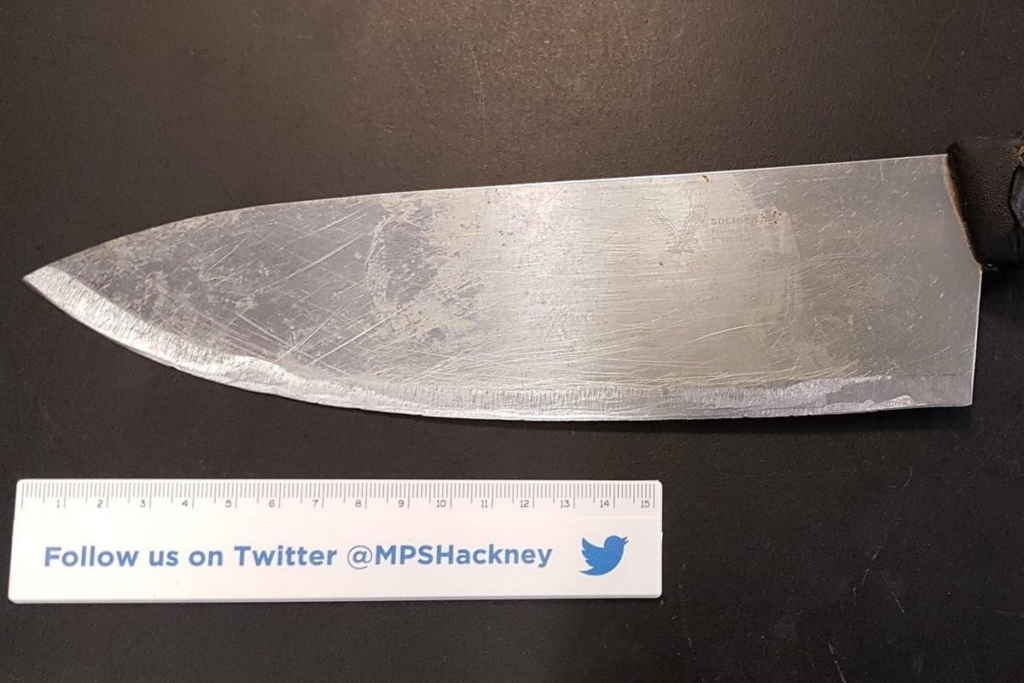
| Weapon | Hidden meat cleaver with a wooden handle |
| Police Action | Chased and arrested Mr. Tadese after he discarded a knife |
| Charges | Possession of an offensive weapon |
| Court Outcome | Pleaded guilty; sentenced to 6 months on November 19, 2023 |
Summary
The East London meat cleaver incident brought to light a concerning episode involving a man arrested for concealing a dangerous weapon in public. On November 16, 2023, police officers apprehended Michael Tadese after he was seen with a hidden meat cleaver. The timely action of the police ensured that no injuries occurred, leading to successful charges and a conviction shortly after the arrest. This case highlights the importance of vigilant policing in preventing potential threats to public safety.