
Listen to this article
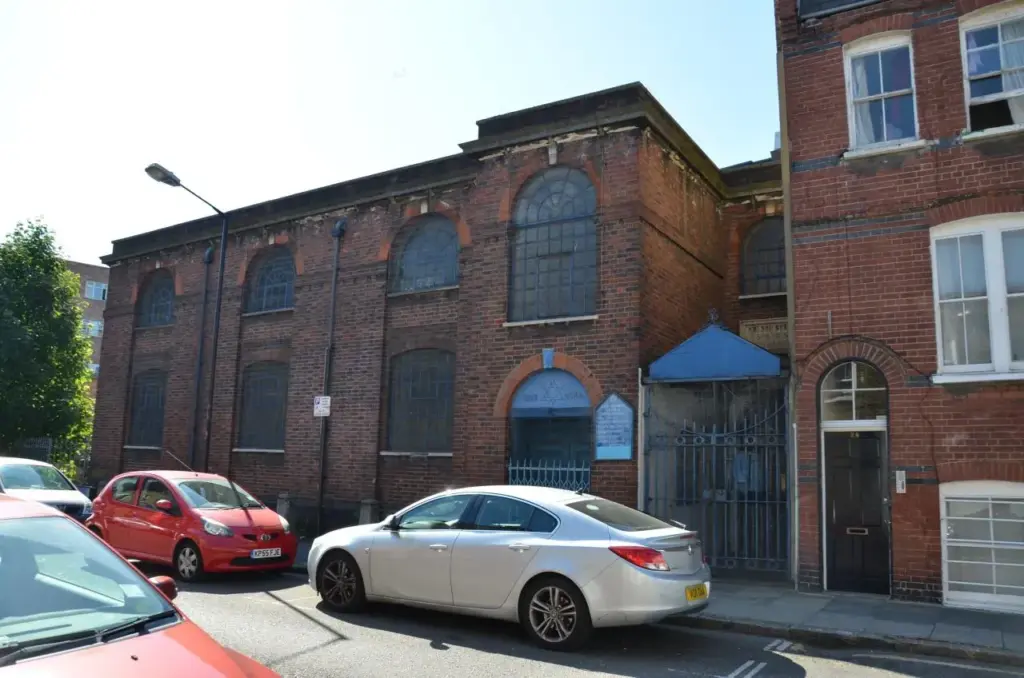
The East London Central Synagogue, prominently known as the Nelson Street Synagogue, stands as a testament to the rich tapestry of East London history. Established over a century ago in Whitechapel, this historic synagogue has served as a vital community hub for the Jewish population, particularly those of Ashkenazi descent. However, after closing its doors in 2020 due to a collapsing ceiling, the synagogue is now set to be auctioned for a striking guide price of £2 million. This opportunity presents not only a chance for preservation but also for new development ventures at a site steeped in cultural significance. With potential alternate uses highlighted by Acuitus, the auction is stirring interest among both occupiers and developers keen to explore possibilities for this landmark in East London’s storied past.
The Nelson Street Synagogue, also referred to as the East London Central Synagogue, exemplifies the architectural and cultural heritage found in historic synagogues across the city. After a century of service, this cherished place of worship faces a pivotal moment as it is prepared for sale through a property auction. Once thriving as the oldest purpose-built Ashkenazi synagogue in the region, its closure in 2020 due to structural issues reflects broader themes of change in urban landscapes. The auction, set for February 12, offers an exciting opportunity for new custodians to redefine this site, which holds strong connections to the narrative of East London history. As interest grows, the vacant land adjacent to the synagogue adds another layer of potential, highlighting its importance in ongoing urban development discussions.
Historic Significance of East London Central Synagogue
The East London Central Synagogue, also known as Nelson Street Synagogue, carries immense historic significance as one of the region’s oldest Ashkenazi synagogues. Established over 100 years ago, it stands as a testament to the vibrant Jewish community that has flourished in East London. The synagogue has been a place of worship, cultural gatherings, and community support, playing a critical role in shaping the area’s religious landscape. Its unique architecture and historical value highlight the importance of preserving such historic synagogues, not only for the Jewish community but for all of East London’s diverse cultural heritage.
As East London continues to evolve, the architectural footprint of such significant structures becomes ever more crucial. While the present condition of the East London Central Synagogue may be in disrepair due to the roof collapse and its prolonged closure, the potential for revitalization is immense. The site’s designation as locally listed emphasizes its unique character and community value, compelling developers to consider adaptive reuse that honors its storied past. By auctioning the synagogue, the opportunity arises not only to restore it but also to incorporate its rich history into future developments that can serve the community.
The Prospective Auction and Its Implications
The upcoming auction of the East London Central Synagogue has garnered considerable attention not only due to its substantial guide price of over £2 million but also because of the myriad possibilities it presents. Being put up for auction by Acuitus, this property is expected to attract interest from both occupiers looking to create a new cultural hub and developers interested in tapping into the rich history of the site. With the potential for alternative uses, bidders are likely to explore various options, including residential development or community-centric projects.
Importantly, the auction sheds light on the broader implications for historic properties across East London. The sale of Nelson Street Synagogue is emblematic of the delicate balance between development and preservation. Local planning permissions will play a significant role in determining the future of this site, and any proposed changes could spark discussions on maintaining the integrity of existing historical landmarks while accommodating the growing need for urban development. Developers must navigate these complexities carefully as they seek to breathe new life into such iconic sites.
Challenges Facing Nelson Street Synagogue’s Future
Despite its historical importance, the future of Nelson Street Synagogue faces significant challenges. The site’s listing as a locally protected property means that any redevelopment must comply with specific planning permissions, which could complicate potential projects. With the roof collapse rendering the synagogue in desperate need of restoration, the costs associated with repairing and maintaining the structure add another layer of complexity for prospective buyers. Accordingly, those interested in the property will need to consider both its financial viability and the commitment required to preserve its historical essence.
Moreover, the lingering impacts of the Covid-19 pandemic have made many reconsider their investments in historic properties. The challenges posed by the collapsed ceiling and the site’s subsequent inaccessibility have likely discouraged some potential bidders. However, for those with a genuine appreciation for East London’s history, particularly its Jewish heritage, the auction presents a unique opportunity to play a role in the revival of a significant cultural landmark. As they consider their options, it is essential that buyers approach the acquisition with respect for the synagogue’s past and an eye toward a sustainable and inclusive future.
The Role of Nelson Street Synagogue in East London History
The Nelson Street Synagogue, now known as the East London Central Synagogue, is entwined with the narrative of East London’s rich history. Founded during a time of considerable Jewish immigration, it served as a beacon of hope and community for countless Ashkenazi families seeking refuge and a new life in Britain. The synagogue functioned not just as a religious institution but also as a cultural epicenter for Jewish traditions, fostering a sense of belonging and identity among its members.
Over the years, the synagogue has witnessed significant historical events impacting the Jewish community and East London at large. From celebrating festivals to providing support during challenging times, its walls have echoed with the experiences of those who attended. Today, as the property prepares for auction, discussions about its historical narrative are paramount. Understanding the significance of such establishments is essential in advocating for their preservation, ensuring that the story of the Jewish community in East London continues to be recognized and honored.
Potential for Development Near Nelson Street Synagogue
The auction of Nelson Street Synagogue also includes adjacent vacant land that holds further potential for development. With lapsed planning permissions for a five-storey building comprising four residential units, the site presents an opportunity for expansion while honoring the historical context of the synagogue. Smart and respectful development near such historic synagogues can facilitate community growth and enhance the area’s character, drawing in new residents and rejuvenating the local economy.
Developers considering this adjacent land must balance modern needs with the preservation of historical integrity. The challenge lies in integrating contemporary living spaces within an area rich in heritage, ensuring that new constructions respect and enhance the existing architectural landscape. Such balanced approaches could lead to a revitalization of the neighborhood, echoing the synagogue’s legacy while also catering to the increasing demand for housing in East London.
Community Impact of the East London Central Synagogue
The East London Central Synagogue has been a cornerstone for the local Jewish community for over a century, providing not just a place of worship but also a venue for education, cultural events, and social gatherings. Its potential redevelopment could revitalize community connections, making it a hub once again for Jewish teachings and traditions, especially for the younger generations who seek to connect with their heritage.
Moreover, the significance of having a functioning synagogue in the community extends beyond just religious practices; it provides a sense of stability and identity. The revival of the East London Central Synagogue could lead to more cultural programs and interfaith dialogues that bridge communities, fostering understanding and collaboration among diverse groups in the region. As such, the involvement of local residents and stakeholders in discussions about the site’s future is crucial to ensuring it meets the needs of all community members.
Preserving the Heritage of Historic Synagogues
The impending sale of Nelson Street Synagogue raises essential questions about how historic synagogues can be preserved amidst urban development pressures. Efforts to conserve these architectural landmarks are crucial not only for their aesthetic value but also for their role in preserving cultural memories and narratives that define communities. Recognizing the heritage of these sites in East London will require innovative approaches that integrate preservation with modern use, allowing them to thrive in contemporary society.
Local authorities, heritage groups, and the community must work collaboratively to establish guidelines that protect such properties while encouraging responsible development. Strategies might include establishing conservation areas, providing incentives for developers willing to commit to restoration, and promoting education on the importance of these historic synagogues. By investing in preservation, communities can honor their past while paving the way for a vibrant future.
The Future of Jewish Architecture in East London
As the auction for the East London Central Synagogue approaches, it signals a pivotal moment for Jewish architecture in East London. Historic structures like the Nelson Street Synagogue are not just remnants of the past; they are integral parts of the cultural tapestry of the area. The outcomes of this auction will have a lasting impact on how Jewish architectural heritage is viewed and preserved in the context of a rapidly changing urban landscape.
Looking forward, it will be essential for community stakeholders, architects, and developers to collaborate on future projects that honor and respect the historical context of existing synagogues while embracing innovative designs that meet modern needs. By emphasizing the importance of balancing heritage conservation with contemporary development, East London can serve as a model for other cities grappling with similar challenges in preserving their historical architecture amidst urbanization.
Frequently Asked Questions
What is the significance of the East London Central Synagogue in East London history?
The East London Central Synagogue, also known as Nelson Street Synagogue, plays a significant role in East London history as the oldest and only purpose-built Ashkenazi synagogue in the area, having served the local Jewish community for over 100 years.
When is the auction for the East London Central Synagogue scheduled?
The auction for the East London Central Synagogue is scheduled to take place on February 12, 2023, via live stream, organized by Acuitus on behalf of the Federation of Synagogues.
What is the current condition of the East London Central Synagogue?
The East London Central Synagogue has experienced significant deterioration since it closed its doors in 2020 due to a collapsing ceiling caused by a leaking roof. Since the Covid-19 lockdowns, the site has been largely unused.
How much is the East London Central Synagogue expected to sell for in the property auction?
The East London Central Synagogue is expected to attract a guide price of over £2 million in the upcoming property auction, highlighting its potential value for both occupiers and developers.
What planning permissions are applicable to the East London Central Synagogue?
As a locally listed building, the East London Central Synagogue is subject to stricter local planning permissions, which means any significant alterations or redevelopments must adhere to local regulations.
What additional property is included in the auction of the East London Central Synagogue?
The auction of the East London Central Synagogue includes adjacent vacant land that previously had lapsed planning permission for a five-storey development featuring four residential units, making it an attractive opportunity for investors.
Why did the East London Central Synagogue close?
The East London Central Synagogue closed its doors in 2020 primarily due to a structural issue where the ceiling collapsed as a result of a leaking roof, leading to a cessation of its regular functions.
What opportunities does the auction present for developers interested in the East London Central Synagogue?
Developers interested in the East London Central Synagogue have opportunities to explore alternative uses for the site, given its historical context and the potential for redevelopment on the related vacant land.
| Key Point | Details |
|---|---|
| Historic Synagogue Sale | The East London Central Synagogue is set to be auctioned for over £2 million. |
| Location | The synagogue is located in Whitechapel, East London, and has a history of 100 years. |
| Closure Reason | The synagogue closed in 2020 due to a leaking roof that caused the ceiling to collapse. |
| Current Condition | Since the Covid-19 lockdowns, the site has remained largely unused and neglected. |
| Auction Details | The auction will be held on February 12, streamed live, by Acuitus. |
| Local Listing | The synagogue is locally listed, requiring stricter local planning permissions. |
| Development Potential | Interested parties may have options for alternative uses, including residential development. |
| Significance | Before its closure, it was the oldest and only purpose-built Ashkenazi synagogue in the area. |
| Adjacent Land | The sale includes adjacent land with lapsed planning permission for a five-storey residential development. |
Summary
The East London Central Synagogue, a historical landmark in Whitechapel, faces an uncertain future as it heads to auction for over £2 million. Once a thriving center for the Ashkenazi community, the synagogue’s closure due to structural issues has left it in a neglected state since 2020. The upcoming auction, organized by Acuitus, presents a significant opportunity for developers or other stakeholders to breathe new life into this historic site. With the potential for alternative uses, including residential developments on the adjacent land, the East London Central Synagogue remains a poignant reminder of the community’s cultural heritage, awaiting its next chapter.