
Listen to this article
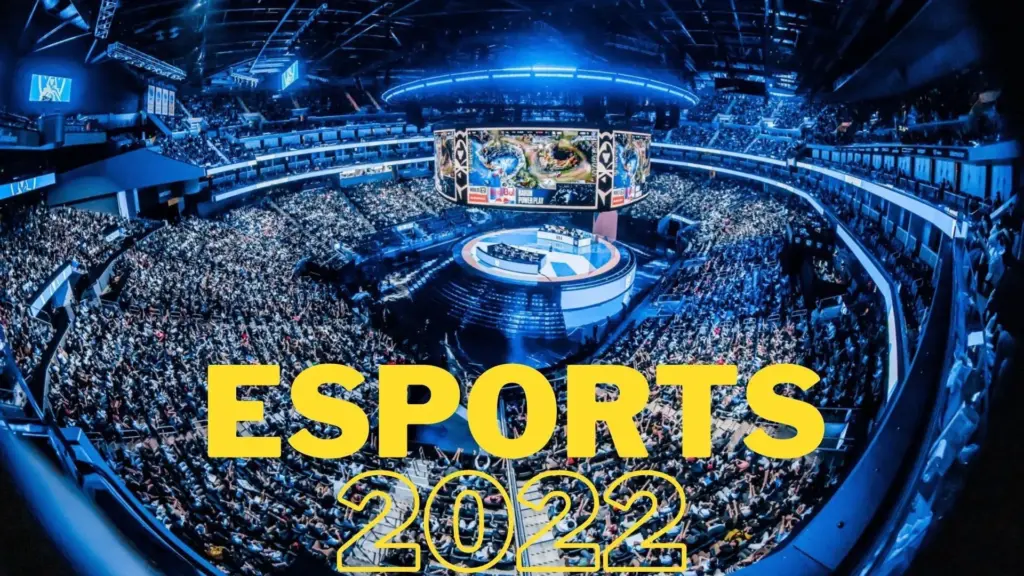
E-sports has revolutionized the entertainment landscape, ushering in a new era of competitive gaming that captivates millions worldwide. Once viewed as a niche activity, the e-sports industry now enjoys explosive growth and significant recognition, with professional gaming tournaments boasting substantial prize pools and massive audiences. From popular titles like League of Legends to Fortnite, video game competitions have transformed into a mainstream spectacle that rivals traditional sports in both spectator appeal and investment. As gamers hone their skills to compete at the highest levels, the atmosphere of e-sports tournaments resembles that of prestigious athletic events, fueling a vibrant community around these exhilarating contests. With a unique blend of strategy, skill, and entertainment, e-sports offers something for everyone, making it a thrilling topic in today’s gaming culture.
Often referred to as competitive video gaming, the phenomenon known as e-sports has garnered immense popularity as a form of professional entertainment. Bridge between gaming and sports, this discipline showcases adept players competing in rigorous video game competitions that draw significant viewership and sponsorships. As the landscape of esports evolves, new terms like electronic sports encapsulate the essence of these thrilling events, which have transitioned from local meetups to massive tournaments with global reach. Additionally, the influx of investment into this burgeoning field signifies a legitimate professional path for dedicated gamers, paralleling conventional sports careers. Altogether, this surge in interest highlights how competitive gaming is rapidly becoming a key player in modern entertainment.
Understanding the E-Sports Phenomenon
E-sports, or electronic sports, has transformed into a significant cultural and economic phenomenon nearly overnight. Defined as competitive video gaming practiced at a professional level, the industry has captivated millions across the globe. Games like League of Legends, Dota 2, and Fortnite showcase elite players battling in real time, drawing in vast online audiences that rival traditional sports. The appeal lies not only in the thrilling competition itself but also in the community-based aspect of streaming services where fans can interact, cheer, and engage with their favorite players.
The phenomenon of e-sports has opened avenues for player engagement and sponsorships that were previously unheard of in the gaming community. Rather than relegating gaming to a niche hobby, competitive gaming has carved a path for varying levels of involvement—from spectator to professional player—making competitions accessible and engaging. The growing recognition from mainstream media and sports organizations further bolsters the legitimacy of e-sports as a valid career path and form of entertainment.
The Economic Impact of E-Sports
The financial ecosystem around e-sports has exploded, thanks to increased viewership and participation. The global e-sports market is projected to generate billions in revenue, spurred by various monetization strategies that include sponsorships, advertising, and merchandise sales. Major brands are willing to invest significantly to capture the attention of dedicated gaming audiences, which showcases the economic potential of this industry. Companies such as Red Bull, Intel, and Coca-Cola have transformed their marketing strategies by partnering with e-sports teams, seeking to foster deeper connections with the youth demographic.
Moreover, with e-sports tournaments often filling arenas and drawing millions online, the event economics are impressive. Prize pools for competitions can reach millions of dollars, incentivizing players to pursue competitive gaming as a viable career option. This financial influx not only supports professional players but also aids the development of e-sports infrastructure, fostering even more events and promoting growth within the industry.
E-Sports and Its Global Community
The e-sports community spans continents and cultures, uniting players and fans worldwide. Platforms such as Twitch and YouTube Gaming provide venues for live streaming, allowing audiences to witness the action in real time while interacting through chat features. This sense of community is essential, as it drives engagement and loyalty among fans, creating vibrant environments where gamers can thrive. The shared experience of watching competitions promotes camaraderie among fans, turning spectators into a global network of supporters.
Furthermore, e-sports foster inclusivity, providing a space where anyone can participate, regardless of background. Diverse gaming genres attract varied audiences, and events often feature multicultural player rosters that exemplify global collaboration. Through tournaments and community-driven initiatives, e-sports break down barriers, allowing players from different regions to experience competitive gaming together.
The Role of Streaming in E-Sports Success
Streaming has undeniably revolutionized the e-sports landscape, enhancing the way competitions are consumed and experienced. Platforms such as Twitch provide gamers with avenues to showcase their skills; players stream practice sessions, host Q&A segments, and broadcast live tournaments. This interactivity keeps fans engaged and allows for feedback, making spectators feel more connected to the action on-screen. Additionally, streaming serves to build player brands by allowing them to cultivate personal connections with fans.
Moreover, the rise of live broadcasts has contributed significantly to the popularity and profitability of e-sports tournaments. With millions tuning in to watch significant competitions, sponsorship deals have flourished. Brands are eager to advertise during these highly-watched events, capitalizing on the enthusiasm within the gaming community. The intertwining of streaming and competitive gaming solidifies the relationship between players, fans, and sponsors, creating a substantial ecosystem that supports the growth of e-sports.
Professional Gaming as a Viable Career
Professional gaming has emerged as a legitimate career, offering players the chance to turn their passion into a source of income. Talented gamers who participate in e-sports tournaments can earn substantial prize money while enjoying sponsorship deals that supplement their income. The appeal of pursuing a career in competitive gaming is enticing, as it allows individuals to combine their love for video games with the potential for financial reward. Over the past few years, the increase in educational institutions offering e-sports scholarships has further legitimized this career path.
Additionally, the lifestyle of a professional gamer can be both rewarding and challenging. Players often adhere to rigorous training schedules, requiring them to focus intensely on skill development and strategy refinement. While competitive gaming opens the door to exciting opportunities, it also demands hard work and dedication. Understanding this balance is crucial for aspiring pro gamers looking to navigate the pressures of this exhilarating yet demanding field.
Embracing Inclusivity in E-Sports
Inclusivity in e-sports has become a considerable focus, as the industry works to create welcoming environments for diverse participants. The gaming community is home to individuals from multiple backgrounds and identities, and organizers strive to break down barriers to ensure everyone has equal opportunities to participate. By promoting initiatives that encourage varying levels of skill and engagement, e-sports can foster a more diverse and accepting culture that embraces all gamers.
Additionally, organizations are increasingly recognizing the value of inclusivity within competitive gaming. Workshops, forums, and tournaments that specifically support underrepresented groups provide platforms for emerging talent to thrive. As the e-sports community continues to evolve, the commitment to inclusivity will enhance the industry’s overall growth, as a diverse lineup of players not only enriches competitions but also attracts wider audiences who feel represented.
The Future Trends in E-Sports
As the e-sports industry matures, several trends are emerging that could shape its future landscape. Firstly, we might see technology integration, including virtual reality (VR) and augmented reality (AR) becoming commonplace within competitions. These technologies can significantly enhance the spectator experience, offering them a front-row seat to events that blend the physical and digital realms. The incorporation of such innovations is crucial for keeping audiences engaged and excited about the future of competitive gaming.
Moreover, with expanding internet connectivity around the world, previously unexplored markets may become significant participants in the e-sports phenomenon. Regions with rising gaming communities could produce homegrown talent, paving the way for fresh competition dynamics. This globalization of e-sports emphasizes the industry’s potential to captivate new audiences, further solidifying its status as a leading form of entertainment.
Gaming Technology Advancements
Innovations in gaming technology serve as a catalyst for the growth of competitive gaming as a prominent form of entertainment. New gaming consoles, graphics enhancements, and high-speed internet connectivity enable gamers to experience unparalleled gameplay settings. These advancements not only improve player performance but also elevate the viewing experience for spectators, making entertainment more dynamic and engaging.
Moreover, advancing artificial intelligence (AI) in games influences competitive edges, leading developers to create more complex and rewarding gaming experiences. As AI evolves, players face increasingly challenging competitors, necessitating the continuous development of their skills and strategies. The interplay between improving technology and player engagement will undoubtedly shape the future of e-sports as it integrates more seamlessly with everyday entertainment options.
Mental Health and E-Sports: Addressing the Challenges
As the e-sports sector expands, mental health issues among professional gamers have surfaced as a critical area that demands attention. High-pressure environments often lead to burnout, anxiety, or depression, impacting players’ overall well-being. The competitive nature of e-sports necessitates prolonged training sessions and constant performance evaluations, which can take a toll on mental health. In recognizing this challenge, many organizations are beginning to implement support systems that prioritize mental wellness for athletes.
Conversations surrounding mental health in professional gaming are also becoming more prevalent, allowing players to share their experiences and exacerbating the need for a healthier balance between competition and self-care. As the insight into these challenges grows, the industry can better support players, fostering an atmosphere where mental health is prioritized alongside the pursuit of excellence in competitive gaming.
Frequently Asked Questions
What are the most popular games in the e-sports industry?
The e-sports industry boasts several popular games that draw massive audiences. Titles such as League of Legends, Dota 2, Counter-Strike: Global Offensive, and Fortnite regularly feature in e-sports tournaments, showcasing the competitive gaming skills of top players.
How do e-sports tournaments operate?
E-sports tournaments operate similarly to traditional sports events, featuring both online and offline competitions. Teams or players compete in brackets, with the structure determining winners who progress through the rounds until a champion is crowned at the end of the tournament.
Can anyone participate in professional gaming?
While professional gaming is accessible, it requires exceptional skill, dedication, and often prior competitive experience in e-sports. Players usually start in grassroots competitions before moving to higher-level tournaments as they gain recognition.
What is the impact of sponsorship on e-sports?
Sponsorship plays a crucial role in the growth of e-sports, providing financial backing for teams, tournaments, and streaming platforms. Major brands, such as Red Bull and Intel, enhance the industry’s visibility and legitimacy through these investments.
Are e-sports recognized as a sport?
E-sports are increasingly recognized as a legitimate form of sport. Major sports leagues have begun partnering with e-sports organizations, signaling acceptance within the traditional sports community and further legitimizing competitive gaming.
What challenges do e-sports face in terms of regulation?
The e-sports industry faces challenges related to regulation as there is no standardized governing body overseeing competitive gaming. This can lead to inconsistencies in rules, player treatment, and competition structures, highlighting the need for establishment of clear regulations.
How has streaming changed the e-sports landscape?
Streaming platforms like Twitch and YouTube have revolutionized the e-sports landscape by providing fans with access to live games and tournaments. This engagement fosters community interaction and grows the e-sports audience, enhancing the popularity of competitive gaming.
What career opportunities exist within the e-sports industry?
The e-sports industry offers various career opportunities outside of professional gaming, including roles in event management, content creation, marketing, and team management. As the industry expands, job prospects in e-sports continue to grow.
How is mental health addressed in professional e-sports?
Mental health is a growing concern in professional e-sports due to intense training schedules and performance pressures. Teams and organizations are beginning to implement support systems and resources to help players maintain their mental well-being and combat burnout.
What does the future hold for competitive gaming?
The future of competitive gaming looks promising, with advances in technology, including virtual reality and augmented reality, expected to enhance the e-sports experience. Additionally, the growing interest in diverse gaming genres indicates exciting developments ahead for the e-sports industry.
| Key Points | Details |
|---|---|
| What are E-Sports? | Competitive video gaming at a professional level, with games like League of Legends, attracting millions of viewers globally. |
| Birth of a New Industry | E-sports originated in the late 1970s, gaining momentum in the 2000s with major tournaments offering prize money. |
| Growth of Competitive Gaming | Factors include increased accessibility, social media impact, and corporate sponsorships fueling the rise of e-sports. |
| E-Sports as a Career | Players can earn a living from tournaments, sponsorships, and streaming, alongside rigorous training regimens. |
| Mainstream Acceptance | Traditional sports leagues and colleges acknowledging e-sports, with scholarships and partnerships emerging. |
| Challenges Facing E-Sports | Regulation issues and mental health concerns are significant challenges that need addressing in the industry. |
| The Future of E-Sports | Continued growth with more integration in daily life, and potential for new gaming formats with technological advancements. |
Summary
E-Sports represents a revolutionary change in the landscape of competitive gaming, marking its evolution from a niche activity to a mainstream global phenomenon. The increasing popularity of e-sports can be attributed to several factors, including the accessibility of games, advancements in technology, and the rise of streaming platforms that connect gamers and fans. As the industry continues to expand, it brings with it the promise of lucrative careers for players and recognition from traditional sports organizations, indicating that e-sports is here to stay. However, as it grows, the industry faces challenges that need to be tackled, such as regulatory standards and player mental health. Addressing these issues will be crucial for ensuring that e-sports thrives as a legitimate form of competition and entertainment for generations to come.

