
Listen to this article
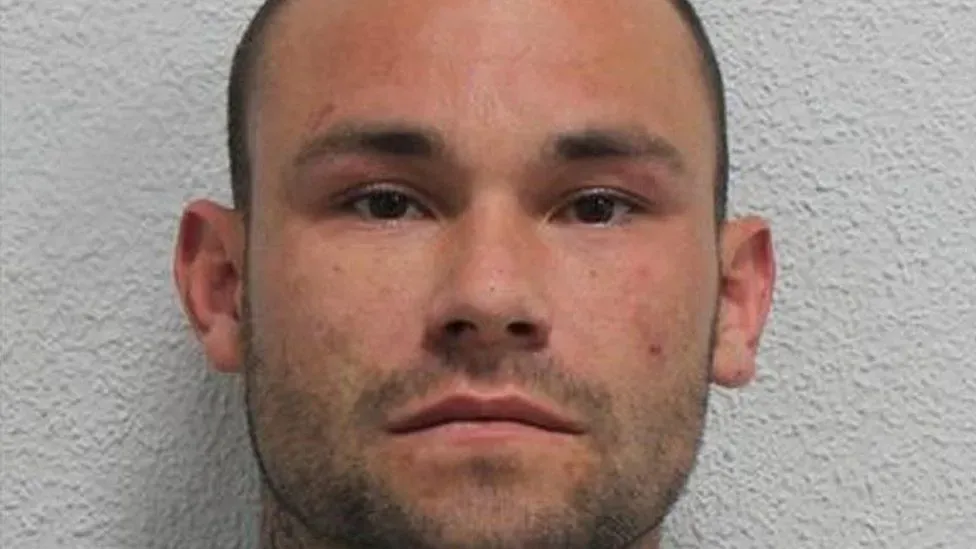
In a shocking turn of events, a driver has been jailed for killing a man during a horrific drink-fueled rampage in London’s West End, a tragedy that occurred on Christmas Day 2024. Anthony Gilheaney, 32, was sentenced to life imprisonment after being found guilty of the murder of Aidan Chapman and causing serious injuries to four others. The court revealed that Gilheaney drove his high-powered Mercedes into innocent bystanders on Shaftesbury Avenue, resulting in catastrophic injuries that left Chapman dead just days later. The case, which has made waves in London criminal news, has left the victims’ families devastated and raised serious questions about the impact of alcohol on aggressive driving behavior. Gilheaney’s conviction marks a significant moment in the fight against reckless driving and hate-fueled violence, underscoring the devastating consequences of such actions on the lives of victims and their loved ones.
A driver has been sentenced to life imprisonment after taking the life of a young man during a violent spree in the heart of London. The incident, widely reported as part of a broader discussion on drink-fueled aggression, involved Anthony Gilheaney targeting individuals with a high-speed vehicle following a night of drinking. This case has generated significant attention due to the tragic outcome for Aidan Chapman, who succumbed to his injuries and left behind a grieving family. As further details emerge about Gilheaney’s actions and his motives, including racial and homophobic motivations, the public grappled with the implications of such senseless violence in urban areas. This devastating event not only highlights the need for stricter measures against drink driving but also reflects a growing concern for safety in nightlife districts.
The Impact of the West End Rampage on Victims and Families
The horrific events of the West End rampage on Christmas Day began with a night of reckless behavior fueled by alcohol. Anthony Gilheaney, after spending time at a nightclub, unleashed chaos on the streets, targeting innocent victims indiscriminately. Among those affected was Aidan Chapman, whose tragic death represents not only a profound personal loss for his family but also a chilling reminder of the potential consequences of drink-fueled violence. The testimonies shared during the trial revealed the deep emotional scars left behind, not just for Chapman’s family, but for all victims involved in this horrifying attack.
Victim Impact Statements painted a heartbreaking picture of how Aidan Chapman’s murder has altered the lives of those close to him. His father, Darren, recounted the unshakeable grief of losing his only son, who left behind a young son. The anguish articulated by Chapman’s family emphasized that Gilheaney’s actions on that fateful night extended beyond legal repercussions; they irrevocably changed lives and shattered a community. The collision sparked discussions on the necessity for stricter laws regarding driving under the influence and the prevention of similar future tragedies.
Understanding the Legal Consequences of Gilheaney’s Actions
After the West End rampage, Anthony Gilheaney faced a range of serious charges including murder, attempted murder, and causing grievous bodily harm. The Old Bailey’s proceedings highlighted the legal consequences of his recklessness, with the court handing him a life sentence reflective of the severity of his offenses. This case serves as a pivotal example within London’s criminal news, illustrating how the justice system approaches cases involving drink-fueled violence and hate crimes. Gilheaney’s conviction sends a strong message that such behavior will incur significant penalties, emphasizing public safety over personal excuses.
Sentencing Gilheaney to life imprisonment with a minimum term of 37 years was not just about punishment; it was a declaration that society will not tolerate acts driven by hate, prejudice, or sheer negligence. The judge noted that nothing could undo the damage inflicted on Aidan Chapman’s family and friends. As Gilheaney shouted his denial of intent at the conclusion of the trial, it became evident that the court’s decision was influenced heavily by the man’s extensive history of criminal behavior, reinforcing the notion that individuals like him pose an ongoing risk to innocent lives.
The Aftermath of the Incident: Community Reactions and Changes
In the wake of Gilheaney’s conviction for the murder of Aidan Chapman, the London community has begun to reflect on the implications of this tragic event. Local residents and activists are rallying for greater measures to ensure public safety, particularly in nightlife regions where alcohol-fueled violence can escalate unchecked. The West End rampage reignited conversations around the effectiveness of current laws governing public drinking and driving, as well as the urgent need for more comprehensive educational campaigns about the risks associated with drinking and driving.
Furthermore, community leaders emphasized the importance of addressing the underlying issues of racism and homophobia highlighted by the attack. Gilheaney’s behavior was not an isolated event but rather part of a broader pattern of social challenges that need to be tackled. Programs aimed at promoting inclusivity and condemning hate should be prioritized to prevent future sentiments of violence and division. Collectively, the community seeks healing through awareness and action, ensuring that events like the West End rampage remain remarkable only for their legal repercussions, not for the bloodshed.
Victim Advocacy and Support Systems Post-Rampage
In the aftermath of the West End rampage, victim advocacy groups have gained prominence in pushing for better support systems for those affected by violent crimes. The tragic death of Aidan Chapman serves as a pivotal case drawing attention to the need for accessible resources for victims’ families, including emotional support, legal guidance, and community aid. Advocacy organizations are working to create platforms where families can share their stories, fostering a stronger support network that addresses the devastating emotional turmoil following such violent incidents.
As communities grapple with the impact of the rampage, there is a renewed focus on ensuring that victims and their families are not left to navigate their grief alone. Initiatives aimed at supporting victims of hate-driven violence are being prioritized, emphasizing the need for swift and accessible help in times of despair. By shining a light on the individual stories behind tragic events, organizations hope to not only honor the memories of victims like Aidan Chapman but also to inspire legislative changes that could greatly reduce incidents of drink-fueled rampages in the future.
The Role of the Media in Highlighting Cases like Gilheaney’s
The media plays a crucial role in shaping public perceptions and understanding of criminal cases, especially those as shocking as the West End rampage. Reporting on Anthony Gilheaney’s trial and the tragic death of Aidan Chapman illuminates not only the facts of the case but also the larger societal issues of racism, homophobia, and the dangers of excessive drinking. Responsible journalism can inform the public while advocating for change, ensuring that victims’ stories and their families’ suffering are not forgotten amidst the headlines.
Moreover, media coverage of such incidents can spark essential conversations about community attitudes towards violence and discrimination. By highlighting the consequences of Gilheaney’s actions, the media emphasizes the severity of hate crimes and the need for collective action to prevent future tragedies. As headlines fill news outlets regarding the conviction in this case, they serve as a call to action for society to address the root causes of violence and to pursue justice not just in individual cases, but for communities as a whole.
Public Awareness Campaigns Following the Rampage
In light of the events surrounding the West End rampage, extensive public awareness campaigns are emerging to combat drink driving and hate crimes. These campaigns aim to educate the public on the implications of their actions and to foster a culture of responsibility among individuals, particularly during festive celebrations when alcohol consumption tends to peak. Educational initiatives targeted at young adults emphasize the dangers of reckless behavior and encourage safe alternatives to driving after drinking.
Furthermore, these campaigns extend beyond just addressing alcohol-related incidents; they also tackle the problem of hate-based violence. By focusing on the narratives surrounding cases like Aidan Chapman’s murder, activists are advocating for a zero-tolerance approach towards racism and homophobia in all forms. The West End rampage has become a catalyst for dialogue, urging communities to come together and stand firm against prejudice while promoting inclusiveness and respect for all individuals.
The Long-Term Effects of Sentencing in Hate Crime Cases
The sentencing of Anthony Gilheaney to life imprisonment has far-reaching implications for how hate crimes are treated within the UK judicial system. The length of his sentence, particularly in the context of the murder of Aidan Chapman, sends a clear message that society condemns such acts and is willing to impose severe consequences for offenders. This case may influence future legal proceedings involving hate crimes, as prosecutors may seek harsher penalties for individuals whose actions are driven by prejudice and hate.
Additionally, the long-term effects of this high-profile case may encourage lawmakers and judicial authorities to reevaluate existing policies surrounding hate crimes. Advocates for justice are calling for the establishment of guidelines that ensure consistency in sentencing, reflecting the societal commitment to combating bigotry. As public awareness grows around these topics, the legal system’s responsiveness to community concerns about hate-driven violence may shape the future landscape of UK crime legislation.
Community Resilience and Solidarity Post-Rampage
In the aftermath of the West End rampage, communities are coming together in an impressive display of resilience and solidarity. The tragedy of Aidan Chapman’s murder has sparked a movement among local residents to stand against hate and violence, promoting unity and strength in diversity. Community members are organizing vigils, memorials, and support groups to honor Chapman’s memory while forging connections among those who wish to contribute to positive change.
This united front acts as both a healing process for those affected by the rampage and a deterrent against future acts of violence. The collective response encourages local authorities to deepen their commitment to anti-discrimination initiatives and safety measures in nightlife areas. By fostering an environment of inclusivity and support, communities are transforming the sorrow stemming from tragic events into a powerful force for social good, ensuring that love and respect triumph over hate.
Lessons Learned from the Trial of Anthony Gilheaney
The trial of Anthony Gilheaney has provided critical lessons for both the legal system and the public regarding the nature of hate crimes and the consequences of reckless behavior. As the judicial process unfolded, it became evident that the complexities of such cases require careful consideration, not only for what they reveal about individual defendants but also for what they signify about societal attitudes. It is essential for legal professionals to remain vigilant in addressing underlying issues of discrimination and inequality, especially in violent crimes.
By analyzing the trial’s outcomes, legal experts and advocates can work together to develop more effective strategies for both prosecuting hate crimes and supporting victims. Recognizing the significance of public sentiment in these cases can motivate necessary legislative changes and community engagement. As the society absorbs the lessons from Gilheaney’s conviction, there remains an imperative to foster dialogue around preventing such tragedies from occurring again.
Frequently Asked Questions
What happened to the driver jailed for killing a man in the West End rampage?
The driver, Anthony Gilheaney, was sentenced to life imprisonment for killing Aidan Chapman and injuring four others in a drink-fueled rampage in London’s West End. He received a minimum term of 37 years for his actions.
What charges did Anthony Gilheaney face following the West End rampage?
Anthony Gilheaney was found guilty of murder, attempted murder, wounding with intent, and causing grievous bodily harm during the trial resulting from the West End rampage.
Who was Aidan Chapman and what was the outcome of the driver who killed him?
Aidan Chapman was a 25-year-old victim of Anthony Gilheaney’s rampage; tragically, he died from catastrophic head injuries sustained when Gilheaney mowed him down with his vehicle.
What was the nature of Anthony Gilheaney’s rampage in London’s West End?
The West End rampage involved Anthony Gilheaney driving his high-powered Mercedes into multiple pedestrians during a drunken night out, resulting in one fatality and serious injuries to others.
What led to Anthony Gilheaney’s conviction for the murder of Aidan Chapman?
Gilheaney was convicted for the murder of Aidan Chapman after evidence showed he intentionally targeted individuals while operating his vehicle under the influence of alcohol.
How did the court describe Anthony Gilheaney’s actions during the drink-fueled rampage?
The court described Anthony Gilheaney’s actions as reckless and intentionally violent, motivated by racist and homophobic sentiments, leading to the tragic death of Aidan Chapman.
What impact did Aidan Chapman’s family express regarding his death?
Aidan Chapman’s family expressed profound grief over his untimely death, with his father describing the devastating emotional toll it has taken on them, particularly on Chapman’s six-year-old son.
What defense did Anthony Gilheaney offer during his trial?
Anthony Gilheaney claimed he was not in control of his vehicle during the rampage, alleging he had been attacked earlier that night, but this defense did not absolve him of responsibility.
What does the sentencing of Anthony Gilheaney signify for similar criminal cases?
The sentencing of Anthony Gilheaney to a lengthy prison term reflects the legal system’s stance against violent behavior, particularly in cases involving reckless driving under the influence that result in loss of life.
How has the public reacted to the Anthony Gilheaney conviction and the death of Aidan Chapman?
Public reactions have included outrage over the circumstances of Aidan Chapman’s death during the West End rampage, alongside a call for stricter penalties for similar crimes to prevent future tragedies.
| Key Points |
|---|
| Driver Anthony Gilheaney sentenced to life imprisonment (minimum 37 years) for killing Aidan Chapman and injuring others during a rampage. |
| Incident occurred in London’s West End on Christmas Day 2024 after a night of drinking. |
| Gilheaney was found guilty of murder, attempted murder, and grievous bodily harm after a trial. |
| Victim Aidan Chapman succumbed to injuries sustained in the incident on New Year’s Eve. |
| Prosecution highlighted Gilheaney’s history of racism and homophobia as motives for the attack. |
| Gilheaney had a long criminal history and had never held a driver’s license. |
| Judge noted nothing could rectify the suffering caused by Chapman’s murder. |
| Gilheaney claimed he lost control of the vehicle after being attacked, showing no remorse in court. |
Summary
The case of the driver jailed for killing a man highlights the severe consequences of reckless and violent behavior fueled by substance abuse. Anthony Gilheaney’s actions not only resulted in the loss of an innocent life but also left lasting grief and trauma for the victims’ families. His lengthy prison sentence reflects the judicial system’s commitment to addressing such heinous crimes and serves as a stark reminder of the urgent need for responsible behavior, particularly when driving under the influence. This tragic event underscores the importance of awareness around the dangers of impaired driving and the profound impact it can have on the lives of many.