
Listen to this article
Drink spiking incidents are a serious and alarming crime that can happen in social settings, and the recent case involving restaurateur Vikas Nath shines a spotlight on this disturbing issue. Nath was found guilty of spiking a woman’s drink with a date-rape drug at the prestigious Mayfair club, Annabel’s, intending to render her vulnerable. In a calculated attempt to overpower the victim, he added gamma-butyrolactone (GBL) to her spicy margarita, showcasing a heinous disregard for consent and safety. Thankfully, vigilant staff at Annabel’s intervened before the woman could consume the tainted drink, highlighting the importance of awareness in preventing such dangerous situations. This incident serves as a reminder of the risks associated with drink spiking and the necessity for vigilance among patrons in nightlife settings.
Incidents of drink tampering, often referred to as drugging or beverage spiking, raise significant concerns about personal safety in social gatherings. In the recent GBL spiking case involving Vikas Nath, the victim, who was targeted at the elite Annabel’s club, experienced a shocking violation of trust. The unfortunate reality is that many individuals may unknowingly become victims of such predatory acts, which often involve substances like date-rape drugs being added to drinks. This underscores the critical need for education and awareness surrounding these dangers so that individuals can better protect themselves when enjoying nightlife activities. As the dialogue surrounding such incidents grows, it is vital for communities to unite against this pervasive issue.
Understanding Drink Spiking Incidents
Drink spiking is a serious crime that involves someone secretly adding drugs or alcohol to another person’s beverage with the intent to incapacitate them. This can lead to a variety of offenses, including sexual assault, which is particularly concerning given its prevalence in nightlife settings. The recent case involving restaurateur Vikas Nath highlights how powerful and dangerous this action can be, especially when paired with predatory intentions to overpower someone for sex. Spiking often involves substances like gamma-butyrolactone (GBL), a date-rape drug, which was shockingly found in Nath’s possession.
Records indicate that individuals who have experienced drink spiking often feel betrayed and confused, similar to the victim in Nath’s case who initially defended him. Such incidents not only endanger personal safety but also contribute to a broader culture that minimizes the severity of drug-related crimes. Victims may struggle with their emotions and blame themselves for trusting their assailants, which is a tragic outcome of such predatory behaviors. Awareness and education about drink spiking are essential in preventing these incidents from recurring.
The Rise of Date-Rape Drugs in Nightlife
The increase in drink spiking incidents, particularly those involving date-rape drugs, has become a significant concern within nightlife venues. These venues often attract individuals looking for fun and social interaction, but the presence of substances like GBL poses a severe risk. Vikas Nath’s case, where he attempted to administer GBL to a woman’s drink at Annabel’s, is particularly alarming as it underscores the need for strict security measures in bars and clubs. Nightlife establishments must take proactive steps to educate staff and patrons on how to recognize suspicious behaviors.
Furthermore, venues like Benares and Annabel’s might consider implementing policies and training designed to increase vigilance against potential spiking incidents. This includes thorough monitoring of patron behavior and being aware of chemical substances being introduced to drinks. Many clubs are beginning to install surveillance systems and train their staff to identify and react appropriately to suspicious activities, which could significantly reduce the risk of such attacks.
The Role of Security Personnel in Preventing Spiking Incidents
Security personnel play a critical role in preventing drink spiking incidents within clubs and bars. These professionals are often the first line of defense against potential predators and should be trained to spot suspicious activities, as evidenced by the quick actions of Annabel’s staff who intervened in Vikas Nath’s attempt to spike a woman’s drink. By closely monitoring patron behavior, security personnel can act swiftly to protect individuals at risk and ensure a safer environment for everyone.
Moreover, employing security measures such as increased lighting, CCTV cameras, and well-defined protocols for handling emergency situations can aid in deterring individuals with harmful intentions. Nightclubs should prioritize training their staff and security personnel about the various substances that can be used for drink spiking and the signs that may indicate a potential spiking incident. Such measures combined with active intervention can greatly reduce the incidence of drink spiking within nightlife environments.
Victim Support and Resources Post-Incident
The aftermath of a drink spiking incident can be devastating, both emotionally and psychologically for the victim. It is crucial that those affected have access to support services that can help them cope with the trauma they’ve experienced. Victims may experience feelings of betrayal, confusion, and vulnerability, similar to the experience reported by the woman involved in the Vikas Nath case. Counseling and legal support are essential for helping victims navigate the aftermath of such incidents.
Support groups specifically for victims of sexual assault and drink spiking can provide a safe space for individuals to share their experiences and seek comfort from others who have faced similar situations. Additionally, legal advocacy can assist victims in understanding their rights and options for pursuing justice. Resources such as hotlines, counseling centers, and legal aid organizations can empower victims to reclaim their narrative and assist in their healing journey.
Educating the Public About Drink Spiking
Educating the public about the dangers of drink spiking is imperative to combat this rising issue. Campaigns aimed at increasing awareness should focus on informing individuals, particularly young people who frequent nightlife venues, about the risks associated with leaving drinks unattended and the signs of drink spiking. Emphasizing the importance of personal safety and looking out for friends can mitigate the prevalence of such incidents.
Moreover, educational initiatives should be geared toward fostering a community of support where individuals can report suspicious activities without fear of judgment. By encouraging friends to stay vigilant and to watch each other’s drinks, the chance of a successful spiking incident can be greatly reduced. Sharing real-life stories, such as the recent spiking incident involving Vikas Nath, can help solidify the lessons learned and promote a more alert and proactive society.
Steps to Take if You Suspect Drink Spiking
If you suspect that your drink may have been spiked, it’s vital to take immediate action. Alerting friends and venue staff can be an essential first step; they can assist in ensuring your safety and support you in seeking medical attention if required. In Vikas Nath’s case, the woman’s quick intervention by the staff at Annabel’s likely prevented a much worse outcome, shedding light on the importance of being proactive.
Additionally, retaining any packaging or bottles, such as the one used by Nath to conceal GBL, is crucial for police investigations. Reporting the incident as soon as possible can aid in law enforcement efforts to hold perpetrators accountable. Many venues now offer confidential reporting channels to protect the privacy of the victims while ensuring that necessary action is taken to address the issue responsibly.
Legal Consequences of Drink Spiking
The legal ramifications of drink spiking are significant and can lead to severe penalties for perpetrators. In Vikas Nath’s case, he was found guilty of attempting to administer a substance with intent, highlighting how seriously the legal system views such offenses. The implications of a conviction can include extensive prison time and a permanent criminal record, which can drastically affect an individual’s life and career.
Understanding these legal consequences is important for both potential offenders and the general public. It reinforces the notion that drink spiking is not merely a prank or a harmless act but a serious crime with devastating effects on victims. Increased legal awareness can serve as a deterrent for individuals who might consider committing such acts, ultimately leading to a safer nightlife environment.
The Impact on Victims
The emotional and psychological impact on victims of drink spiking is profound and often long-lasting. Survivors may struggle with feelings of paranoia, trust issues, and anxiety. As illustrated in the case of the woman who was targeted by Vikas Nath, the betrayal felt by victims can lead to complicated reactions such as disbelief and guilt. This underscores the importance of support networks that understand the specific challenges faced by survivors of such actions.
Moreover, the societal stigma often attached to such crimes can further complicate the healing process. Victims may feel ashamed or reluctant to come forward, fearing they won’t be believed. Community education and support systems are crucial in dismantling this stigma, allowing victims to feel empowered to speak out and seek the help they need. Creating open dialogues about the repercussions of drink spiking can aid in promoting healing and recovery for those affected.
Preventive Measures for Bars and Clubs
To create a safer environment in bars and clubs, proactive preventive measures must be implemented. Establishments can engage in staff training programs focused on observing and identifying behavior that may indicate drink spiking. As evidenced in the Nath case, where vigilant staff prevented a potential tragedy, equipping employees with the knowledge to act quickly can make a significant difference.
Additionally, bars should consider introducing additional safety features like drink covers or lids and encouraging patrons to consume drinks responsibly. These simple yet effective strategies can foster a culture of safety and awareness, significantly reducing the likelihood of drink spiking incidents occurring. Nightclubs and bars have a duty to ensure their patrons’ safety, and taking these preventive measures demonstrates a commitment to responsible management practices.
Frequently Asked Questions
What is the Vikas Nath drink spiking incident?
The Vikas Nath drink spiking incident involves a restaurateur found guilty of spiking a woman’s drink with gamma-butyrolactone (GBL) at Annabel’s, a private members’ club in Mayfair. This occurred in January 2024 when Nath attempted to overpower the woman for sex after becoming frustrated with her reluctance. Thanks to the vigilant staff at Annabel’s, the spiking was prevented before the woman consumed the drink.
What are the implications of drink spiking incidents like the one involving GBL?
Drink spiking incidents, such as the GBL spiking case involving Vikas Nath, highlight severe criminal behaviors that can lead to sexual assault. The implications are significant as they not only endanger victims’ safety but also create an environment of fear in social settings like clubs and bars, leading to calls for stricter security measures and awareness campaigns.
What should I do if I suspect a drink spiking incident?
If you suspect a drink spiking incident, such as a case similar to Annabel’s drink spiking event, it is crucial to alert the venue’s staff immediately. Additionally, try to contact security or law enforcement. It’s also advised to seek medical assistance if you feel unwell after consuming a drink, even if you suspect it might have been tampered with.
How can I protect myself from drink spiking incidents at clubs like Annabel’s?
To protect yourself from drink spiking incidents at clubs, always keep an eye on your drink and don’t accept drinks from strangers. Use drink test strips if available, and consider carrying a personal safety device. Awareness of GBL and other date-rape drugs can also help you identify potential dangers and take necessary precautions.
What legal actions can be taken in drink spiking incidents such as the one involving Vikas Nath?
In drink spiking incidents, like the Vikas Nath case, legal actions can include criminal charges for administering a substance with intent, possession of illegal drugs, and potentially severe penalties if convicted. Victims may also pursue civil litigation against the perpetrator for damages resulting from the incident, including emotional and psychological harm.
What are the signs of drink spiking as demonstrated in the Vikas Nath case?
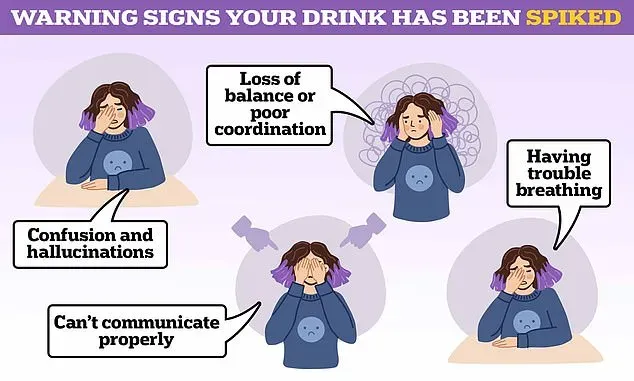
Signs of drink spiking, as shown in the Vikas Nath case, include observing someone adding substances to a drink, unusual behavior in the drink’s appearance or taste, and sudden changes in a person’s state of consciousness or health after consuming a drink. In Nath’s case, staff noticed strange actions where he was seen using a straw to add GBL to a woman’s margarita.
What was the role of Annabel’s staff in the drink spiking incident involving Vikas Nath?
The role of Annabel’s staff in the drink spiking incident was crucial; they observed Vikas Nath’s suspicious behavior and promptly intervened to prevent the woman from consuming the spiked drink. Their quick actions not only stopped the immediate threat but also facilitated a police investigation, highlighting the importance of staff vigilance in preventing drink spiking incidents.
How do drink spiking incidents impact nightlife venues like Mayfair clubs?
Drink spiking incidents, such as the one involving Vikas Nath at Annabel’s, significantly impact nightlife venues as they can damage reputations, lead to legal liabilities, and deter patrons. Clubs may need to enhance security measures, train staff on recognizing and responding to such incidents, and implement educational initiatives to raise awareness among customers.
| Key Points |
|---|
| Vikas Nath, a restaurateur, guilty of spiking a woman’s drink with a date-rape drug (GBL) at Annabel’s. |
| Nath used a straw to add GBL to a margarita after experiencing frustration with the woman’s reluctance. |
| He brought GBL in a vanilla extract bottle, intending to use it on the victim to overpower her for sex. |
| Vigilant staff at Annabel’s intervened and prevented the woman from consuming the spiked drink. |
| Nath was caught on CCTV and later found guilty of attempting to administer a substance with intent. |
| The woman expressed feelings of betrayal after the incident and initially defended Nath. |
| Nath’s excuses included claiming he was only trying to ‘relax’ the victim instead of overpowering her. |
Summary
The recent drink spiking incident involving Vikas Nath highlights the alarming reality of such crimes and the importance of vigilance in public spaces. On January 15, 2024, Nath was found guilty of spiking a woman’s drink with GBL at a prestigious establishment, marking a serious breach of trust and safety. The quick action of bar staff prevented a potentially tragic situation, demonstrating the need for constant awareness regarding drink spiking incidents, which can happen anywhere. It serves as a chilling reminder for patrons to remain attentive and for establishments to ensure robust safety measures.