Listen to this article
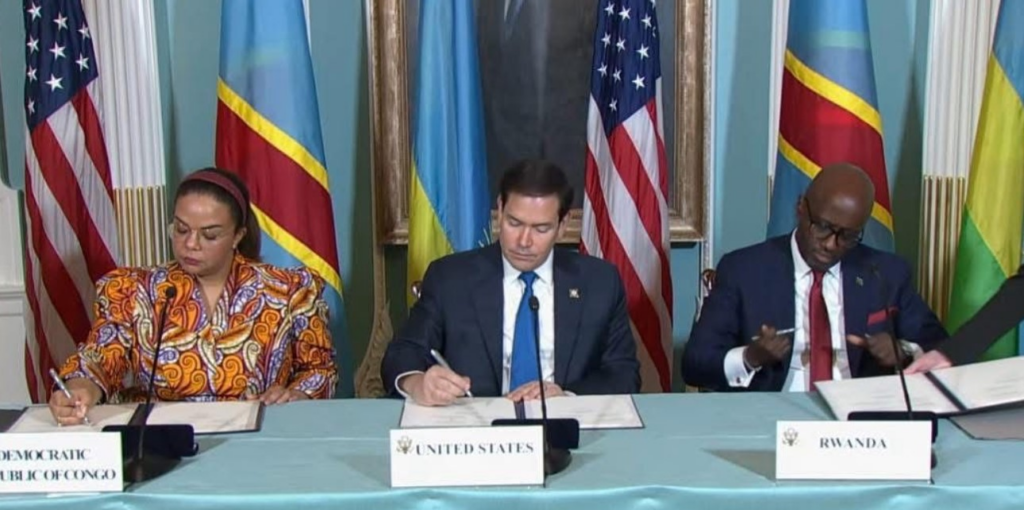
The DRC Rwanda peace agreement marks a significant turning point in the tumultuous relationship between the Democratic Republic of Congo (DRC) and Rwanda, as both nations strive to end years of conflict exacerbated by the presence of M23 rebels. Signed during a high-profile peace summit hosted by U.S. President Donald Trump, this accord aims to establish stability in a region rich in resources yet plagued by violence. Tensions rose recently amidst accusations of military aggression, with DRC forces claiming that Rwandan-backed rebels have been undermining prospects for peace. As leaders Felix Tshisekedi and Paul Kagame exchanged heated words in recent years, this agreement represents a hopeful step towards reconciliation and mutual cooperation. With international eyes on these developments, the potential for lasting peace hinges on the commitment of both countries to respect the terms outlined in the agreement.
Recently, a crucial accord was reached between the Democratic Republic of Congo and its neighbor Rwanda, signifying an effort to resolve ongoing tensions stemming from the Rwanda conflict. This peace treaty was finalized at a significant event, attended by key global leaders and aimed at fostering dialogue and collaboration. Over the years, confrontations involving the DRC’s military and the M23 insurgents have fueled unrest in the region, leading to a complex humanitarian crisis. As this latest peace initiative takes shape, discussions on sovereignty, military presence, and resource sharing remain paramount in addressing historical grievances. The hope now is that this landmark agreement will not only quell the violence but also pave the way for sustained economic development and regional stability.
Understanding the DRC-Rwanda Peace Agreement
The recently signed peace agreement between the Democratic Republic of Congo (DRC) and Rwanda marks a pivotal moment in the longstanding conflict that has plagued the region. This agreement was reached during a peace summit hosted by former U.S. President Donald Trump, indicating a significant international interest in resolving this complex issue. At the heart of the agreement are commitments from both nations to foster dialogue aimed at lasting peace, particularly concerning the activities of the M23 rebels, who have been at the center of the violence in eastern DRC.
While the peace agreement is seen as a hopeful step, the underlying tensions remain high, especially given the historical grievances between the DRC and Rwanda. The DRC government accuses Rwanda of supporting the M23 rebels in their pursuit of territorial gains, a claim that Rwanda vehemently denies. Support from international actors, including the United States and Qatar, underscores the need for a collaborative approach to peacebuilding, challenging both nations to work together toward sustainable solutions rather than resorting to military confrontations.
The Role of the M23 Rebels in Ongoing Conflict
The M23 rebels have played a notorious role in the instability of eastern DRC, capturing key cities and perpetuating cycles of violence. Their resurgence in recent years has not only resulted in significant humanitarian crises, leaving thousands displaced, but has also complicated diplomatic efforts to achieve peace. Despite the recent peace agreement, the M23 remains a formidable force, which raises skepticism among analysts regarding the feasibility of the planned ceasefire and disarmament outlined in the accord.
The unresolved nature of the M23 rebellion is intricately tied to regional dynamics as well. Rwanda’s involvement, characterized by claims of providing ‘defensive measures’ against perceived threats from militias such as the FDLR, adds layers of complexity to the conflict. Accusations of Rwandan support for the M23 have intensified hostilities between the two governments, overshadowing peace negotiations and highlighting the necessity for an effective monitoring mechanism to ensure compliance with the new terms agreed upon.
The Impact of International Negotiations
The involvement of the Trump administration in facilitating the DRC-Rwanda peace agreement symbolizes a strategic approach to U.S. foreign policy in Africa. The U.S. aims to stabilize the region not just for humanitarian reasons but also to unlock its vast mineral wealth, which is crucial in global electronics markets. By fostering diplomatic engagement, the U.S. seeks to encourage economic growth in both nations, positing that a stable DRC and a cooperative Rwanda could signal a new chapter of development in Central Africa.
However, skepticism exists regarding the extent of influence that international leaders can exert over regional conflicts. Critics argue that agreements made at high-level summits are often fraught with challenges on the ground, as local sentiments may not align with the decisions made by their leaders. This dichotomy raises the question of accountability and the role of grassroots movements in ensuring that peace agreements translate into tangible improvements in the lives of ordinary citizens.
Historical Context of DRC-Rwanda Relations
The relationship between the DRC and Rwanda has been tumultuous, rooted in historical tensions that date back decades, including the tragic events surrounding the Rwandan Genocide. The aftermath of this tragedy saw millions of Rwandans fleeing into the DRC, leading to a series of conflicts that have destabilized both nations. Past peace agreements have often failed, primarily due to unmet obligations, such as Rwanda’s demands for disarming hostile groups like the FDLR, which continue to pose a threat to Rwandan security.
The cycle of distrust, blame, and warfare has perpetuated a landscape of violence and suffering in the region. While recent diplomatic efforts appear promising, the historical grievances between the two nations create an uphill battle for peace. The peace agreement must address these historical wounds and provide mechanisms for reconciliation, including thorough processes to address the needs of displaced populations and ensure accountability from both governments.
Future Prospects for Economic Cooperation
As part of the peace agreement, discussions have pointed toward enhanced economic cooperation between the DRC and Rwanda, particularly in sectors such as mining and infrastructure development. U.S. encouragement for collaboration suggests that both nations could potentially harness their rich natural resources, which include an estimated $25 trillion in mineral assets in the DRC, to stimulate economic growth and improve political relations. The vision presented at the summit suggests a framework where mutual economic interests might serve as a catalyst for sustained peace.
However, achieving economic cooperation requires more than just agreements on paper; it demands a fundamental shift in the perceptions and relationships between both nations. For tangible investments to take root, there must be a stable environment free from armed conflict and rebellion. Analysts suggest that economic dividends from collaborations can serve as incentives to maintain peace, but this is contingent on both governments genuinely committing to the terms of the peace accord and ensuring the withdrawal of military forces from contested regions.
Environmental Implications of Conflict
The ongoing conflict in the DRC and its implications on the environment cannot be overlooked. With rich endowments of natural resources, including precious minerals, the raids and skirmishes often lead to environmental degradation as groups exploit resources illegally amidst chaos. This not only impacts biodiversity but also the livelihoods of communities reliant on the land for farming and sustenance. A sustainable peace effort must integrate environmental protections to prevent further ruin and ensure that development processes are ecologically sound.
The DRC’s biodiversity is one of the richest in the world, hosting numerous endangered species that are threatened by persistent human activities exacerbated by conflict. Sustainable resource management should be a central focus in any peace-related agreements, steering clear of history’s mistakes where exploitation prevailed over conservation. A cooperative endeavor between both nations to safeguard the environment would enhance community resilience while also contributing to stability in the region.
Challenges in Implementing the Peace Agreement
While the DRC-Rwanda peace agreement offers hope, it faces significant implementation challenges. Mistrust runs deep, as evidenced by past failures to uphold similar accords. Both nations must translate their commitments into concrete actions, including a credible ceasefire and the disarmament of hostile factions like the M23. This will require robust monitoring and assurances that leaders on both sides will adhere to the peace terms, particularly considering the allegations surrounding Rwanda’s support of the M23 rebels.
Moreover, the absence of the M23 from the peace talks raises questions about their future involvement and compliance with the established agreements. As the conflict evolves, the resistance from armed groups poses a continual threat to any semblance of peace. Therefore, fostering an inclusive dialogue that addresses the concerns of all stakeholders, including various rebel groups and civil society organizations, is vital to creating a comprehensive peace framework.
International Observations and Reactions
The international community has closely observed the unfolding dynamics of the DRC-Rwanda peace agreement, acknowledging it as a critical juncture in regional stability. Various countries and institutions are keen to see positive outcomes, given that the consequences of failure extend beyond the borders of DRC and Rwanda, affecting the broader Great Lakes region. The involvement of the U.S. and its allies signals a strong diplomatic interest in ensuring the agreement’s success, emphasizing that global institutions are watching closely to hold leaders accountable.
Yet, concerns linger about the reliability and motives of external actors in influencing peace agreements. Previous interventions by foreign powers have been met with mixed results, sometimes complicating local dynamics rather than resolving them. Addressing these external perceptions and ensuring that the agency of local actors is respected becomes paramount for building a foundation of trust vital for long-term peace.
Long-Term Implications of the Agreement
The long-term implications of the peace agreement between the DRC and Rwanda remain uncertain but hold potential for transformative change. Should the agreement lead to genuine cooperation, it could pave the way for a focus on reconstruction and development, ultimately benefitting millions who have suffered due to years of turmoil. The promise of economic initiatives tied to the peace process can attract foreign investment, benefiting both nations and creating a collaborative environment.
Conversely, the failure to adhere to the agreement would likely result in further instability, emboldening rebel factions like the M23 and perpetuating cycles of violence. Ensuring the peace process is resilient, inclusive, and tied to concrete benefits for impacted communities is essential for fostering an enduring peace. As both governments navigate these complex challenges, effective communication and commitment to accountability will be crucial for nurturing hope in a future where war no longer defines the region.
Frequently Asked Questions
What is the DRC Rwanda peace agreement?
The DRC Rwanda peace agreement is a recent accord designed to end the longstanding conflict between the Democratic Republic of Congo (DRC) and Rwanda. Signed during a peace summit hosted by U.S. President Donald Trump, it aims to stabilize the region, address issues related to the M23 rebels, and promote cooperation between both countries.
How did the DRC Rwanda peace agreement come about?
The DRC Rwanda peace agreement was forged during a summit facilitated by U.S. President Donald Trump in Washington. Following escalating tensions and violence attributed to the M23 rebels in eastern DRC, Trump brought together leaders from both nations to negotiate a peace accord to resolve their longstanding conflict.
What role did the Trump administration play in the DRC Rwanda peace agreement?
The Trump administration played a crucial role in the DRC Rwanda peace agreement by facilitating diplomatic negotiations between President Felix Tshisekedi of DRC and President Paul Kagame of Rwanda. The administration’s involvement aimed to help both parties resolve their differences and establish a lasting peace.
What are the main issues addressed in the DRC Rwanda peace agreement?
The main issues addressed in the DRC Rwanda peace agreement include the disarmament of the FDLR militia, the withdrawal of Rwandan troops from eastern DRC, and the demand for the M23 rebels to relinquish the territory they seized. The agreement also promotes economic collaboration as part of the peace dividend.
What is the significance of the M23 rebels in relation to the DRC Rwanda peace agreement?
The M23 rebels are a significant factor in the DRC Rwanda peace agreement, as they have been involved in the ongoing conflict between DRC and Rwanda. The peace agreement seeks to address the M23’s territorial claims and ensure a ceasefire, as the group’s activities have contributed to violence and instability in the eastern DRC.
Will the DRC Rwanda peace agreement lead to lasting peace?
While the DRC Rwanda peace agreement is a step towards resolving tensions, experts are skeptical about its potential to create lasting peace. Concerns remain regarding the commitment of both nations to uphold the agreement, especially given past historical grievances and ongoing clashes reported in the region.
What is the international response to the DRC Rwanda peace agreement?
The international response to the DRC Rwanda peace agreement has been cautiously optimistic, with various African leaders endorsing the accord. The involvement of key international figures, including U.S. officials, highlights global interest in stabilizing the region. However, skepticism persists regarding the agreement’s effectiveness due to ongoing conflicts related to the M23.
How could the DRC Rwanda peace agreement impact U.S. investments in the region?
The DRC Rwanda peace agreement could potentially enhance U.S. investments in the region by creating a more stable environment for business operations. The Trump administration indicated plans to engage American companies in mining and infrastructure development, emphasizing the mineral wealth of DRC as a key factor in investment opportunities.
What are the conditions for implementing the DRC Rwanda peace agreement?
The conditions for implementing the DRC Rwanda peace agreement include ensuring that Rwandan troops withdraw from eastern DRC, the disarmament of armed groups like the FDLR, and the cessation of hostilities by the M23 rebels. Both nations must also adhere to the commitments made during the negotiations to foster trust and cooperation.
What are the historical context and challenges surrounding the DRC Rwanda peace agreement?
The historical context of the DRC Rwanda peace agreement includes a series of conflicts that date back to the Rwandan genocide in 1994 and subsequent tensions over resource control and militia movements, particularly the FDLR and M23. Previous peace deals have failed, and challenges remain regarding compliance and trust between the two nations, complicating efforts for sustainable peace.
| Key Points | Details |
|---|---|
| Purpose of the Agreement | To end the longstanding conflict between DRC and Rwanda, particularly in eastern DRC. |
| Leaders Involved | DRC President Felix Tshisekedi and Rwandan President Paul Kagame. |
| U.S. Role | The agreement was signed during a summit hosted by U.S. President Donald Trump, who expressed confidence in the leaders. |
| Recent Conflicts | Fighting between the DRC’s army and M23 rebels, with accusations of Rwandan support for M23. |
| Humanitarian Impact | Thousands have died and many more are displaced due to the ongoing violence. |
| Foreign Ministers’ Participation | Ministers of Qatar, UAE, and U.S. Secretary of State were present at the signing ceremony. |
| Concerns About Lasting Peace | Skepticism remains about whether the agreement will lead to a permanent resolution, as M23 continues to expand. |
| Mineral Wealth | DRC holds approximately $25 trillion in mineral reserves, which the U.S. aims to leverage. |
| Historical Context | Previous deals have failed due to ongoing accusations between countries regarding the disarmament of militias. |
Summary
The DRC Rwanda peace agreement represents a significant attempt to resolve the ongoing conflict that has plagued the region for years. Signed by the leaders of the Democratic Republic of Congo and Rwanda, this agreement aims to foster cooperation and restore peace after a surge in violence, particularly involving the M23 rebel group. With the involvement of U.S. leadership and support from other African nations, there is cautious optimism surrounding the potential for lasting stability in the region. However, challenges remain, including disarmament issues and the presence of Rwandan troops in eastern DRC, which must be addressed to ensure the agreement’s success.