Listen to this article
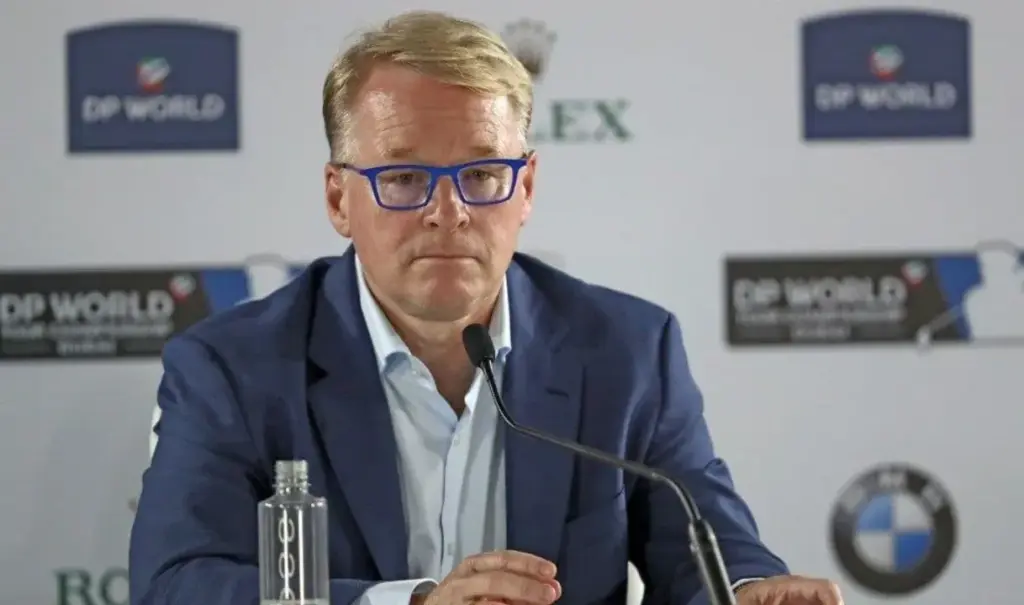
In a shocking turn of events, the resignation of DP World CEO Sultan Ahmed bin Sulayem has sent ripples through the global logistics and shipping industry. His departure follows unsettling revelations about his ties to the notorious Jeffrey Epstein, bringing to light a corporate scandal that has implications for Dubai’s prominent shipping giant. Amidst a backdrop of increased scrutiny in Dubai ports news, the implications for leadership changes at DP World are significant, prompting questions about the integrity and stability of the organization. As the details of numerous emails exchanged between Sulayem and Epstein surface, including their discussions of influential political figures, businesses, and even personal matters, stakeholders are left to reassess their investments amidst these troubling associations. This high-profile resignation not only casts shadows over corporate governance but also evokes broader questions about oversight and ethics within influential global corporations.
The unexpected exit of the top executive at DP World has brought attention to the complexities surrounding corporate leadership and association with controversial figures. Following the release of emails linking Sultan Ahmed bin Sulayem to convicted sex offender Jeffrey Epstein, the company finds itself at the center of a media firestorm, reshaping its reputation and future direction. As the Dubai-based ports giant navigates the fallout from this corporate upheaval, broader discussions on ethical leadership in global businesses are becoming increasingly important. The implications of this development are not just confined to the executives involved but extend to investors and partners questioning their relationships with the firm. As the narrative unfolds, stakeholders are left pondering how this scandal will influence the logistics industry at large and whether it signifies a larger systemic issue within corporate practices.
DP World CEO Resignation Linked to Epstein Controversy
The recent resignation of Sultan Ahmed bin Sulayem as the CEO of DP World has sparked significant discussions across various media platforms. His departure follows troubling revelations regarding his extensive communications with the late Jeffrey Epstein, a convicted sex offender. As the head of a major logistics giant based in Dubai, Sulayem’s association with such a contentious figure raises serious questions about corporate conduct and leadership integrity within global trade organizations.
DP World announced his resignation was effective immediately, indicating a clear response to mounting pressure from investors and partners concerned about Sulayem’s relationship with Epstein. The fall-out from this corporate scandal illustrates the vulnerability of businesses to reputational damage, particularly in light of emerging documents that reveal Sulayem exchanged hundreds of emails with Epstein over several years. Such revelations emphasize the need for transparency and ethical accountability in corporate leadership.
The Fallout of Epstein Emails on Corporate Reputation
The fallout from the released emails between Sultan bin Sulayem and Jeffrey Epstein has not only led to the leadership changes at DP World but has also cast a shadow over the company’s reputation in the international business landscape. Major stakeholders, including La Caisse, Canada’s pension fund, have suspended new investments, fearing that the company’s image has irreparably tarnished. This reaction highlights how corporate scandals can result in immediate financial repercussions, affecting operations and investor confidence worldwide.
Moreover, this situation underscores the interconnectedness of corporate governance and public perception. With the increasing scrutiny placed on leaders’ personal relationships, companies like DP World must reconsider their protocols regarding leadership selection and oversight. Ensuring that corporate leaders align with acceptable ethical standards is critical in maintaining the trust of both stakeholders and the public.
Sultan Ahmed bin Sulayem: A Controversial Business Figure
Sultan Ahmed bin Sulayem has long been a pivotal figure in the global logistics sector. As the former chairman and CEO of DP World, he played a crucial role in expanding the company’s operations across multiple continents, positioning it as a leader in port management. However, recent developments regarding his ties to Jeffrey Epstein have overshadowed his business achievements, sparking debates over how personal relations can impact professional credibility.
Analysts suggest that Sulayem’s connections with influential figures may have once enhanced his standing in the business world, but they now raise ethical questions that could harm his legacy. His previous initiatives, which may have been perceived purely through a business lens, are now viewed with skepticism due to the context provided by the emails with Epstein. This situation presents a complicated narrative of success intertwined with controversy, prompting a reevaluation of leadership in high-stakes environments.
Impacts on DP World’s Future Strategies
As DP World navigates the recent upheaval following bin Sulayem’s resignation, the company faces pivotal choices in its strategic direction. With new leadership under Essa Kazim and Yuvraj Narayan, stakeholders are likely anticipating a change in corporate governance to improve transparency and restore trust. The challenge will be in establishing a clear strategy moving forward that not only addresses operational effectiveness but also prioritizes ethical standards.
This situation reflects a broader trend among corporations facing public scrutiny regarding leaders’ personal associations and their eventual impacts on business viability. For DP World, learning from this experience means potentially reshaping its governance frameworks, investing in reputation management strategies, and ensuring stakeholder interests are safeguarded. Future initiatives may require the integration of more stringent protocols to prevent similar scandals from arising.
Corporate Governance: Lessons from Leadership Changes
The resignation of Sultan Ahmed bin Sulayem has brought corporate governance practices into the limelight, reminding organizations everywhere of the importance of ethical leadership. Companies must prioritize the establishment of robust governance frameworks that can withstand scrutiny from both stakeholders and the public. The implications of Sulayem’s ties to Epstein signal the need for businesses to adopt a proactive stance on ethical conduct and transparency, scrutinizing the associations of their leaders.
Moreover, this incident serves as a crucial lesson for organizations about the potential ramifications of leadership decisions. Going forward, companies like DP World may need to implement more rigorous vetting processes for their executives to ensure that their personal affiliations do not pose a risk to the corporate brand or operational integrity. This focus not only protects the organization’s interests but also helps in garnering continued support from investors and partners.
Investor Confidence and Corporate Scandals
Investor confidence has always played a critical role in a company’s ability to thrive in the competitive landscape, and DP World is no exception. Following the exposure of the correspondence between Sultan bin Sulayem and Jeffrey Epstein, major investors have expressed serious concerns that could hinder the company’s ability to mobilize funds for future endeavors. This illustrates how far-reaching the impacts of personal relationships can be on business operations and reputation.
Investors expect companies to maintain high ethical standards, and any perception of impropriety can lead to swift withdrawal of support, as seen with La Caisse’s recent decision. DP World must now focus on restoring investor confidence through transparent communication and strong leadership, as well as reassessing their business model to reassure stakeholders of their commitment to integrity moving forward.
Revisiting Leadership Ethics in Business
The situation surrounding Sultan Ahmed bin Sulayem’s resignation from DP World effectively sparks a broader conversation about leadership ethics in the business realm. It raises fundamental questions about the moral responsibilities of corporate executives and the expanding measures that companies should take to screen their leaders’ backgrounds thoroughly. The intersection of personal and professional relationships continues to shape how business leaders are perceived and held accountable.
As companies face growing pressure from both investors and the public to uphold ethical standards, revising leadership criteria becomes essential. This reassessment might include stricter guidelines surrounding personal affiliations, ensuring executives do not compromise the corporation’s integrity. Moving forward, ethical considerations in leadership appointments will likely become a crucial factor in safeguarding an organization’s reputation.
Sultan bin Sulayem’s Legacy and Influence in Dubai
Sultan bin Sulayem’s influence in the Emirati business landscape, particularly in logistics, has been significant over the years. With his leadership of DP World, he positioned Dubai as a powerhouse in global trade, delivering transformative projects and increasing the nation’s global competitiveness. However, the recent backlash over his ties to Jeffrey Epstein complicates this legacy, as it interjects narratives of corporate responsibility and personal accountability into the conversation.
The dichotomy between Sulayem’s past success and the controversy now attached to his name illustrates the fragile nature of reputation in the business world. As Dubai navigates the implications of this situation, it highlights the pressing need for business figures to align their endeavors not only with commercial interests but also with ethical considerations that resonate with societal values.
The Role of Media in Corporate Scandals
Media coverage plays a pivotal role in shaping public perception during corporate scandals, as seen in the recent DP World controversy. The revelations surrounding Sultan bin Sulayem and his relationship with Jeffrey Epstein were amplified by investigative journalism, raising awareness and prompting immediate action from stakeholders. This illustrates how media scrutiny can influence corporate governance and accountability, making transparency increasingly vital for businesses.
As the narrative unfolded, various outlets highlighted the urgency of ethical leadership, emphasizing that businesses must be prepared for public scrutiny at any moment. Companies like DP World are now compelled to adopt better public relations strategies and engage proactively with media inquiries, ensuring their side of the story is effectively communicated in times of crisis.
Frequently Asked Questions
What led to the DP World CEO resignation?
The DP World CEO resignation was prompted by Sultan Ahmed bin Sulayem’s association with convicted sex offender Jeffrey Epstein, as revealed in documents showcasing their extensive email correspondence. This revelation caused significant pressure on the company, leading to his immediate resignation.
How did the Jeffrey Epstein emails impact Sultan bin Sulayem’s career at DP World?
The Jeffrey Epstein emails significantly impacted Sultan bin Sulayem’s career at DP World by unveiling a decade-long correspondence that raised concerns about his judgment and associations, ultimately resulting in his resignation as CEO and chairman amid public and investor scrutiny.
What are the implications of the corporate scandal surrounding DP World?
The corporate scandal surrounding DP World, linked to Sultan bin Sulayem’s resignation after the Epstein emails surfaced, has serious implications for the company, including loss of investor confidence, suspension of new investments from key financial partners, and potential damage to its reputation and operational integrity.
Who has replaced Sultan bin Sulayem at DP World after his resignation?
Following Sultan bin Sulayem’s resignation, Essa Kazim has been appointed as chairman, and Yuvraj Narayan has taken over as the new CEO of DP World, marking a significant leadership change within the company.
What kind of relationships did Sultan bin Sulayem have with international figures according to the emails?
According to the emails, Sultan bin Sulayem had extensive relationships with various international figures, including political leaders and prominent business personalities, facilitated by Jeffrey Epstein’s introductions, which have now come under scrutiny due to the context of the corporate scandal.
Has DP World faced any business repercussions following Sulayem’s resignation?
Yes, following Sultan bin Sulayem’s resignation, DP World faced business repercussions, including suspension of new investment by the UK development finance agency and Canada’s La Caisse, signaling a significant response from major financial players in light of the ongoing corporate scandal.
What does Sultan bin Sulayem’s email correspondence with Jeffrey Epstein contain?
Sultan bin Sulayem’s email correspondence with Jeffrey Epstein contains discussions about business ventures, travel plans, personal health inquiries, and social commentary, alongside controversial exchanges, all of which contributed to the scrutiny leading to his resignation from DP World.
What role did DP World play in global trade before Sultan bin Sulayem’s resignation?
Before Sultan bin Sulayem’s resignation, DP World was recognized as a crucial player in global trade, operating port terminals across six continents and significantly contributing to international logistics and supply chain operations.
| Key Points |
|---|
| Sultan Ahmed bin Sulayem resigns from DP World amid scrutiny over Jeffrey Epstein links. |
| Email exchange between Sulayem and Epstein spanned over a decade, revealing a close relationship. |
| DP World’s announcement of Sulayem’s resignation included immediate replacements for the chairman and CEO. |
| UK and Canadian financial institutions suspended new investments in DP World due to controversies. |
| The emails show Sulayem facilitated connections with prominent political figures through Epstein. |
| Epstein’s influence appears evident in DP World’s operations and Sulayem’s dealings in the UK. |
| Contact with Epstein included discussions of personal and business matters spanning from 2007 to 2017. |
| Sulayem’s emails exchanged sexist and racist jokes, raising concerns about his character. |
Summary
DP World CEO resignation marks a significant moment for the global ports operator, as Sultan Ahmed bin Sulayem steps down under pressure from mounting scrutiny connected to his long-term relationship with Jeffrey Epstein. The implications of this resignation extend beyond one individual, impacting DP World’s image and investor confidence, evidenced by major investment suspensions. This incident reflects broader concerns regarding corporate governance and the ethical standards of business leaders.