
Listen to this article
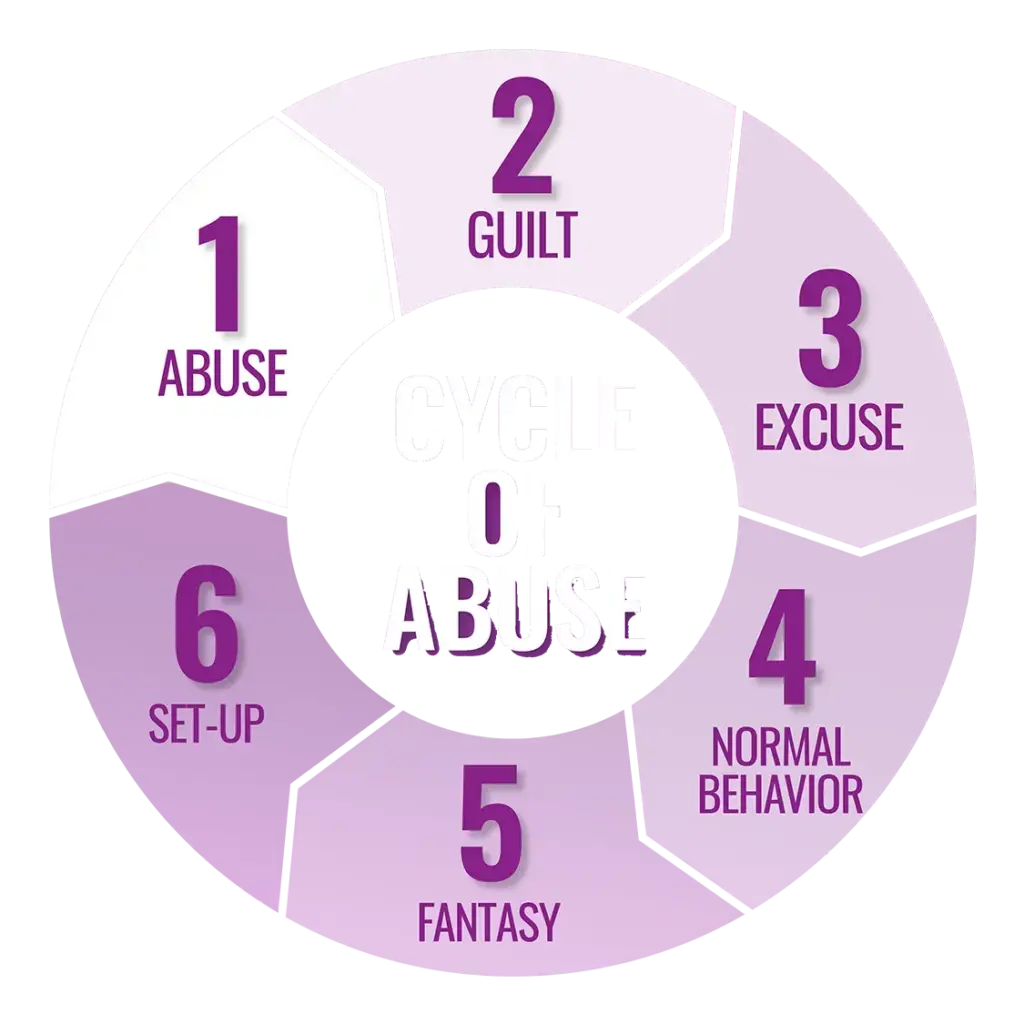
Domestic abuse is a harrowing reality that affects countless individuals, transcending age, gender, and socioeconomic status. The tragic case of James Self highlights the profound impact of domestic abuse, drawing attention to the urgent need for domestic violence awareness and support. Victims, including male victims of domestic violence, often struggle in silence, fearing the stigma associated with seeking help for abuse. The heartbreaking story of James shows how love can be misinterpreted, leading to a cycle of violence that leaves lasting scars. It is crucial to shed light on the resources available for those in need of domestic abuse support, ensuring that tragedies like this do not repeat themselves and that every victim knows they are not alone in their suffering.
Known by various terms such as intimate partner violence or domestic violence, the insidious nature of abuse manifests in myriad forms, profoundly affecting lives. Many individuals are forced to endure the emotional, physical, and psychological ramifications of domestic violence, often without adequate resources to escape their circumstances. In the light of rising domestic abuse cases, especially among overlooked demographics such as male victims, a robust conversation around the impact of domestic abuse is essential. Initiatives focused on domestic violence awareness not only inform potential victims about their rights, but also advocate for services that offer help for abuse victims, fostering a supportive community. Understanding that help is available can empower both survivors and their loved ones to seek the necessary support for healing and recovery.
The Silent Struggle: Understanding Domestic Abuse
Domestic abuse is a pervasive issue that transcends gender, age, and socioeconomic status. While many associate domestic violence primarily with women as victims, it’s crucial to recognize that men can also be victims, as exemplified by the tragic case of James Self. His mother’s poignant words highlight how domestic abuse can transform a loving, kind individual into someone who may feel too ashamed to seek help. The silence surrounding male victims of domestic violence often runs deep, leading to a societal misconception that men cannot be vulnerable or need support, ultimately preventing them from accessing necessary resources.
In James’s case, his struggle illustrates the profound impact of domestic abuse on mental health and emotional well-being. Notably, he had known Murphy for a long time, yet despite the escalating violence, he believed that love would suffice to heal their relationship. This underscores the importance of raising domestic violence awareness—providing education about the signs of abuse, the dynamics of unhealthy relationships, and the fact that reaching out for help is a sign of strength, not weakness.
The Impact of Domestic Abuse: A Personal Reflection
The aftermath of domestic abuse can leave lasting scars not only on the victim but also on their loved ones. Ashe’s experience as a mother of a victim showcases the grief and helplessness felt by family members when they witness someone they love transform under the pressure of abusive relationships. James’s journey serves as a harrowing reminder of how domestic violence can shatter lives and alter family dynamics irreparably. The emotional turmoil endured by victims, even when they survive, is often invisible to outsiders, emphasizing the need for support networks around victims to provide comfort and healing.
Ashe’s statement about living with the aftermath of her son’s death poignantly illustrates the ongoing battle many face after the loss caused by domestic violence. The effects extend beyond immediate physical harm, seeping into the fabric of family life and reshaping relationships. Communities must come together to support domestic abuse victims and their families, offering resources such as counseling, support groups, and crisis intervention services. A united front can help mitigate some of the devastating effects that domestic abuse leaves in its wake.
Seeking Help: Resources for Victims of Domestic Abuse
Finding help after experiencing domestic abuse can seem like an insurmountable challenge for many. Organizations that specialize in domestic abuse support play a vital role in providing safe spaces and resources for victims. Police departments, like Essex Police, have initiatives focused on guiding individuals through the recovery process, regardless of gender. This helps eliminate the stigma faced by male victims, ensuring they understand that they are not alone in their experiences. Educational programs that inform victims about their rights and available services are essential in encouraging them to step forward and seek the support they need.
In addition to police support, helplines, shelters, and advocacy groups serve as crucial lifelines for victims. These organizations can connect victims with counseling, legal assistance, and safety planning. As evidenced by James’ story, timely intervention is critical in preventing further violence and ensuring that victims do not suffer in silence. It is crucial for society to dismantle the barriers that prevent individuals from seeking help, whether through fear, shame, or lack of awareness about available resources.
The Role of Community in Supporting Domestic Abuse Victims
Community involvement is indispensable when it comes to addressing the issue of domestic abuse. Local organizations can serve as a first point of contact for individuals facing domestic violence. By fostering an environment where open discussions about abuse are encouraged, communities can help destigmatize seeking help. This is especially important for male victims, who may feel particularly isolated. Community education and awareness campaigns can further break down stereotypes about domestic violence, ensuring that all victims understand they have a right to safety and support.
Moreover, friends and family members often play a key role in recognizing the signs of domestic abuse and can be instrumental in providing assistance to victims. Creating a network of allies within the community can enhance outreach efforts and provide a robust support system for individuals in need. Training programs for community members on how to respond to signs of domestic violence compassionately can empower them to act as effective advocates, ensuring victims feel supported on their journey towards healing and recovery.
Recognizing the Signs: Early Indicators of Domestic Abuse
Recognizing the early signs of domestic abuse is crucial for prevention. Symptoms can range from physical injuries to changes in behavior, as seen in James’s gradual transformation from sociable to withdrawn. Awareness of these signs can enable friends and family to intervene before situations escalate. Establishing a routine dialogue about healthy relationships can serve as an educational tool, equipping individuals with the knowledge to identify red flags in relationships and seek help sooner.
It’s essential to understand that domestic abuse often evolves gradually, and victims may not initially recognize their partner’s behavior as abusive. Psychological manipulation, gaslighting, and isolation from loved ones are common tactics used by abusers. Establishing a foundation of trust and open communication in relationships can help individuals disclose their experiences more easily. Community awareness programs can enhance understanding and encourage proactive measures for early detection, ultimately saving lives and preventing tragedy.
The Media’s Role in Raising Domestic Violence Awareness
Media coverage of incidents like James Self’s tragic story plays a vital role in raising domestic violence awareness. By bringing these issues to the forefront, the media can help combat the stigma surrounding domestic abuse and encourage more victims to come forward. Highlighting the reality that anyone can be affected by domestic violence—regardless of gender—plays a critical role in catalyzing change within society, inspiring victims to understand that they are not alone.
Furthermore, responsible journalism can shed light on available resources and support systems, educating the public on how and where to seek help. Each story told can serve as a rallying cry for community support initiatives and greater accessibility to services for victims. The media’s power to influence public perception and inform can be harnessed to create a safer environment free from domestic abuse.
Education and Advocacy: Key to Prevention
Education is a powerful tool in combating domestic abuse. Programs focused on educating young people about healthy relationships, consent, and respect can prevent the cycle of violence from continuing into future generations. Schools and community organizations can implement training workshops that raise awareness about the complexities of domestic violence, equipping students and community members with the knowledge to recognize and combat abusive behaviors.
Advocacy groups also play an indispensable role in pushing for policy changes that increase protections for victims and provide more comprehensive support services. By working together to identify legislative gaps and challenges faced by domestic violence victims, advocacy organizations can influence positive change, enhancing access to necessary resources. Equipping communities with the tools to advocate for victims will help create a comprehensive framework for prevention and support that addresses domestic abuse holistically.
Healing and Recovery for Domestic Abuse Survivors
For victims of domestic abuse, the road to recovery can be long and fraught with challenges. Healing involves not only physical recovery from injuries but also emotional and psychological support to overcome trauma. Victims benefit from creating a supportive environment where they can express their feelings, share their experiences, and rebuild their lives. Access to therapy, support groups, and community programs dedicated to survivors can facilitate this healing process considerably.
Moreover, integrating survivors into community activities and support networks fosters resilience and empowerment. Survivors can help one another navigate their journeys, providing hope and motivation to those still struggling. Establishing long-term support systems that include mentorship and community integration can help break the cycle of abuse and promote healthier relationships among future generations.
Bridging the Gap: Addressing Untold Stories of Male Victims
Despite the prevalence of male victims of domestic violence, their stories often go unheard. Bridging the gap entails creating spaces where men can share their experiences without fear of judgment or stigma. By integrating male-centric support systems into existing domestic abuse frameworks, society can better address the unique challenges these victims face. Public campaigns aimed at male victims should emphasize that seeking help is not a sign of weakness, but a courageous step toward healing.
Understanding and discussing male victims of domestic violence opens up crucial dialogues about gender roles and societal expectations. It’s paramount to reshape the narrative around masculinity, allowing men to express vulnerability and seek help for abuse they have endured. Through advocacy, educational initiatives, and support networks, communities can ensure that all victims receive the help they need, creating a unified front against domestic violence that encompasses everyone.
Frequently Asked Questions
What is domestic abuse and how does it impact victims?
Domestic abuse refers to a pattern of controlling, coercive, or aggressive behavior in an intimate relationship, which can take various forms including physical, emotional, and psychological abuse. The impact of domestic abuse on victims can be profound, leading to physical injuries, mental health issues, and long-lasting emotional scars. Victims may feel isolated, ashamed, or fearful of seeking help, which makes it crucial for support systems and awareness campaigns to highlight the effects of domestic violence.
How can I find help for abuse victims experiencing domestic violence?
Help for abuse victims experiencing domestic violence is accessible through various resources. Local shelters, hotlines, and support groups provide immediate assistance and counseling. National organizations like the National Domestic Violence Hotline can also offer support and guidance. It’s important for victims to know they are not alone and that help is available to escape abusive situations.
Are there specific support services for male victims of domestic violence?
Yes, there are specific support services for male victims of domestic violence. Many organizations recognize that men can also be victims of domestic abuse and provide resources tailored for them. These services often include hotlines, counseling, and legal assistance. It’s essential for male victims to seek help and be aware that they have the right to support and protection from violence.
What steps can I take to raise domestic violence awareness in my community?
To raise domestic violence awareness in your community, consider organizing educational workshops, distributing informational materials, or partnering with local shelters and support organizations. Engaging in social media campaigns and encouraging open discussions about domestic abuse can also help break the stigma and prompt more victims to seek help. Community involvement is key to changing perceptions and providing support for victims.
What can family members do to support a loved one facing domestic abuse?
Family members can play a vital role in supporting a loved one facing domestic abuse by showing empathy, listening without judgment, and encouraging them to seek help. It’s important to provide information about domestic abuse support resources while respecting the victim’s choices and timelines. Be patient and understanding, as leaving an abusive relationship can be challenging for many.
How does domestic abuse manifest in relationships, and what are the signs?
Domestic abuse can manifest in various ways, including physical violence, emotional manipulation, verbal threats, and controlling behaviors. Common signs include frequent injuries with vague explanations, withdrawal from social circles, frequent checking in with their partner, or sudden changes in behavior. Recognizing these signs is crucial in understanding and addressing the issue of domestic abuse.
| Key Points | Details |
|---|---|
| Victim Profile | James Self, a London artist, described as kind and gentle. |
| Incident Details | James was assaulted by Polly Murphy in a hotel room on November 8, 2023, resulting in his death six weeks later due to multiple injuries. |
| Perpetrator Profile | Polly Murphy, 42, has a history of volatile behavior and has been convicted of murder after the initial charge of grievous bodily harm was upgraded. |
| Mother’s Statement | Ashe, James’ mother, expressed deep grief over her son’s death and highlighted the challenges men face in acknowledging domestic abuse. |
| Police Statement | Essex Police emphasize that domestic abuse affects everyone, including men, and encourage victims to seek help. |
Summary
Domestic abuse is a critical issue that affects individuals across all demographics, and the tragic case of James Self highlights the severe consequences of this hidden epidemic. James, a talented artist, lost his life at the hands of his partner, Polly Murphy, after enduring tumultuous treatment that escalated to fatal violence. His mother, Ashe, articulates the heart-wrenching pain of losing her son, a pain compounded by the stigma surrounding men’s experiences with domestic abuse. Her call for awareness is a stark reminder that love alone cannot shield individuals from violence, and it is crucial for anyone suffering from such situations to seek help without shame. Society must continue to work towards breaking the silence surrounding domestic abuse to protect those who are vulnerable.