
Listen to this article
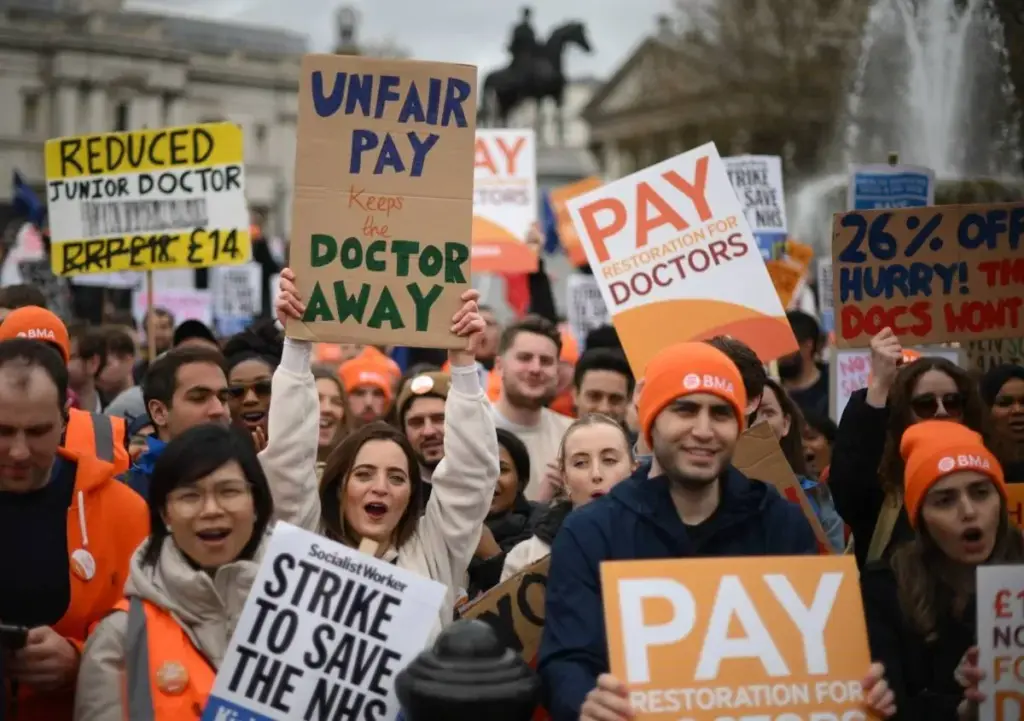
The ongoing doctor strike in England has sparked significant concern among both healthcare professionals and the public alike. Following a decisive vote by the British Medical Association (BMA), 83% of participating members opted to continue the five-day walkout, emphasizing the urgency of their demands in the face of pressing issues like resident doctors’ pay. This strike not only underscores the frustrations of medical staff but also threatens to exacerbate NHS disruptions during a critical flu season, when hospitals are already under immense pressure. Despite a new government offer aimed at increasing specialist training positions, the union deemed it insufficient, particularly regarding the pay negotiations that have lingered unresolved. As healthcare workers strike during such a high-demand period, the repercussions for patient care and hospital operations could be significant.
The current wave of protest among medical professionals in England, known as the doctor strike, has emerged amidst deepening frustrations over compensation and working conditions. The BMA’s recent decision to forge ahead with a five-day walkout reflects widespread discontent among resident doctors, previously referred to as junior doctors, who feel their voices are not being heard in the negotiations. In light of the critical pressures facing healthcare facilities due to an early and severe flu season, the implications of such strikes are substantial, potentially leading to severe NHS disruptions in patient care. The demands of these striking healthcare workers underscore pivotal issues surrounding their pay and working conditions, casting a shadow over the ongoing talks with the government. As these discussions continue, it is clear that the challenges faced by resident doctors will not be easily resolved, leaving many to wonder how this will shape the future of healthcare in England.
Understanding the Doctor Strike in England
The ongoing doctor strike in England represents a significant chapter in the relationship between healthcare workers and the government. Initiated by the British Medical Association (BMA), this five-day strike stems from dissatisfaction regarding resident doctors’ pay. With 83% of BMA members voting in favor of the strike, it’s clear that the sentiments surrounding healthcare worker compensation and working conditions are reaching a boiling point. The strike comes during a critical time, as hospitals grapple with rising patient numbers due to flu season pressures.
This strike, which can be seen as an assertion of the rights of healthcare professionals, highlights the tension in the NHS caused by ongoing disputes over pay and working conditions. With the government proposing a deal that has failed to address fundamental pay issues, the BMA’s decision to carry out this strike is not merely about wage increases but is also a call for respect and recognition of the value that resident doctors bring to the health system. As the healthcare landscape continues to evolve, the outcomes of this strike could set a precedent for future negotiations.
The Impact of NHS Disruptions on Patient Care
As the doctor strike unfolds, NHS disruptions are expected to create significant challenges in patient care and hospital operations. The withdrawal of nearly half the medical workforce, particularly resident doctors who form the backbone of many hospital departments, is poised to affect both emergency and non-urgent care. Patients may face long waiting times, postponed surgeries, and limited access to specialized treatment, as senior doctors are drafted to fill in the gaps left by striking personnel.
Moreover, the timing of the strike coincides with the peak of flu season, exacerbating an already strained healthcare system. With data indicating a steep rise in hospitalized flu cases, the added burden on the NHS, coupled with a diminished workforce, raises concerns about the quality and safety of patient care. The potential implications for public health during such a crucial time cannot be overstated, as the healthcare system desperately tries to manage the wave of illness while simultaneously addressing staff shortages.
Resident Doctors’ Pay and Its Implications
A central issue driving the doctor strike in England is the ongoing debate about resident doctors’ pay. While the government asserts that pay has been significantly increased over the past three years, the BMA argues that these increases fail to account for inflation and the rising cost of living. Adjusting for inflation, resident doctors today earn approximately 20% less than they did in 2008. This discrepancy has fueled frustration among medical professionals and highlights a broader issue within the NHS regarding fair compensation.
The BMA’s stance emphasizes that adequate pay is crucial for attracting and retaining talent in the medical workforce, particularly within a framework that is already under immense pressure. By choosing to strike, resident doctors are making a powerful statement about the importance of their contributions to healthcare and the need for earnest negotiations about pay. It’s a reminder that healthcare workers must be supported not only in their roles but also in their economic well-being.
Flu Season Pressures and Healthcare Challenges
The current flu season has intensified pressures on the NHS, compounding the difficulties posed by the ongoing doctor strike. With flu-related hospitalizations rising sharply, medical facilities are facing a dual crisis: managing a surge in patients while grappling with reduced staffing levels due to the strike. The NHS is historically stretched during winter months, and the situation is exacerbated as patients experiencing serious flu symptoms seek immediate care.
Public health experts have warned that this year’s flu season could be particularly severe, necessitating a robust healthcare response. The ongoing strike during this precarious time adds to concerns about the safety and quality of care that patients receive, highlighting the urgent need for dialogue between healthcare workers and government officials. Addressing these types of crises requires a coordinated effort that considers both immediate threats to public health and long-term solutions for sustainable healthcare provision.
Why the Government’s Offer Was Rejected
Despite the government’s proposal of increasing specialist training positions and addressing examination-related expenses, the BMA rejected this offer primarily due to its lack of commitment to improving resident doctors’ pay. Health Secretary Wes Streeting asserted that current pay rates are adequate; however, many doctors believe these assertions ignore the reality of inflation and its impact on their livelihoods. The unwillingness of the government to negotiate on pay reflects a broader trend in public sector compensation discussions.
This rejection of the offer indicates a deep-rooted mistrust between healthcare workers and the government. A resolution to this strike hinges not only on addressing pay but also on restoring faith in the negotiation process that healthcare workers deserve fair treatment and compensation for their invaluable contributions to public health. The ongoing strike is a manifestation of longstanding grievances that cannot simply be brushed aside with incremental adjustments.
The Role of the BMA in the Strike
The British Medical Association (BMA) plays a crucial role in the ongoing strike, representing the collective voice of doctors across England. The association’s decision to conduct a strike vote and proceed with industrial action underscores the significance of collective bargaining in the healthcare profession. The BMA’s leadership has expressed its commitment to advocating for the rights of resident doctors, emphasizing that their demands extend beyond pay to include respect and recognition in the workplace.
Through the BMA’s efforts, many healthcare professionals are united in their stance against unfavorable working conditions and compensation issues. This organized action reflects a broader movement among healthcare workers, pushing for a reevaluation of their roles and the support they receive. The BMA’s leadership aims to ensure that patient safety remains a priority during the strike while advocating strongly for the issues affecting NHS staff.
Public Response to the Strike Actions
Public response to the five-day doctor strike in England has been mixed, with many citizens expressing concern over the implications for healthcare during the flu season. Some people sympathize with the doctors’ plight, understanding their need for better pay and working conditions, particularly in the context of long hours and rising patient demands. Others, however, worry that the strike will lead to increased suffering for patients, particularly those who require urgent care.
Social media has become a platform for public debate, where individuals and groups voice their feelings about both the strike and its broader implications for the NHS. This public dialogue is vital, as it sheds light on the critical importance of healthcare workers while also recognizing the challenges faced by patients during such tumultuous times. Understanding and addressing public sentiment can play a pivotal role in navigating the ongoing challenges within the NHS.
Negotiation Prospects After the Strike
Looking ahead, the outcomes of the ongoing doctor strike in England will likely shape future negotiations between the BMA and the government. Depending on the strike’s impact on patient care and public opinion, there may be an impetus for more fruitful discussions on resident doctors’ pay and working conditions. Should the government face public pressure due to disruption in healthcare services, it may prompt a reconsideration of their position and openness to dialogue.
Moreover, the lessons learned from this strike may encourage more proactive approaches to workforce issues in the NHS. Ensuring that healthcare workers feel valued and adequately compensated is essential for maintaining a robust healthcare system, particularly in light of ongoing challenges such as those presented by the flu season. The future of negotiations will hinge on the responsiveness of the government to the legitimate concerns raised by healthcare professionals across England.
Ensuring Patient Safety During Strikes
Amid the ongoing strike, the BMA has committed to safeguarding patient safety, vowing to maintain communication with NHS England to manage any emergency concerns. This assurance is essential, as the strike could severely impact patient access to essential healthcare services during a critical time. The BMA aims to highlight that, while the strike is necessary to address underlying grievances, the welfare of patients remains a top priority.
Senior doctors will be brought in to cover gaps left by striking resident doctors, though this is merely a temporary measure to mitigate the impact. The emphasis on patient safety aims to reassure the public that despite the disruptions, measures are being taken to ensure that those seeking care will still receive the necessary attention. Balancing the rights of healthcare workers with the imperative of patient care is a complex challenge but one that must be navigated carefully.
Frequently Asked Questions
What is the current situation regarding the doctor strike in England?
The doctor strike in England is set to proceed as planned, with the British Medical Association (BMA) announcing that 83% of its members voted in favor of continuing the walkout. This five-day strike will begin at 7:00 AM on Wednesday, during a time when NHS disruptions are heightened due to increased flu season pressures.
Why are resident doctors participating in the UK doctor strike?
Resident doctors are striking due to unresolved pay issues with the government. Despite recent increases, their salaries remain approximately 20% lower than in 2008 when adjusted for inflation. The BMA argues that the government’s insistence on not negotiating pay contributes to the ongoing strike.
How might the doctor strike in England affect NHS services?
The five-day doctor strike in England is expected to lead to significant NHS disruptions, with nearly half of the medical workforce, including resident doctors, withdrawing from both emergency and non-urgent care. This is particularly concerning as hospitals are already facing additional pressures from the flu season.
What was the government’s response to the BMA strike vote?
Following the BMA strike vote, the government proposed a new deal that included increasing specialist training positions and covering some out-of-pocket expenses. However, Health Secretary Wes Streeting has reiterated that he will not negotiate on pay, which led to the continuation of the strike.
How does the ongoing doctor strike in England relate to flu season pressures?
Currently, hospitals are under immense pressure due to a sharp rise in flu cases, with hospitalizations exceeding 2,600. Health Secretary Wes Streeting warned that the timing of the doctor strike is particularly dangerous given these flu season pressures, as it could exacerbate the strains on healthcare services.
What actions will be taken to ensure patient safety during the doctor strike in England?
Despite the ongoing doctor strike, the BMA has committed to ensuring patient safety by maintaining close contact with NHS England. Senior doctors will be brought in to provide coverage during the strikes, which should help manage care during this critical time.
What concerns did Rory Deighton from the NHS Confederation express about the doctor strike?
Rory Deighton expressed disappointment that the BMA chose to continue with the strikes despite government proposals. He highlighted that the timing is detrimental, particularly as hospitals cope with surging flu levels which are placing additional stress on healthcare services.
What impact do resident doctors’ pay and the strike have on the NHS workforce?
The ongoing dispute highlights serious concerns regarding resident doctors’ pay, which they claim is inadequate even after recent increases. The strikes reflect a broader discontent within the NHS workforce that could impact patient care and health system functionality if unresolved.
| Key Point | Details |
|---|---|
| Vote for Strike | 83% of BMA members voted to proceed with the five-day strike. |
| Government Proposal | Included offers to increase specialist training positions and cover examination fees, but no pay increases were proposed. |
| Strike Timing | The strike is set to begin at 7:00 AM on Wednesday, amidst high flu cases. |
| Impact on NHS | Nearly half of resident doctors will withdraw from care, affecting both emergency and non-urgent services. |
| Response from Health Secretary | Wes Streeting criticized the strike as irresponsible, especially given rising flu hospitalization numbers. |
| BMA’s Stand | The BMA emphasizes the need for pay discussion and prioritizes patient safety. |
| Previous Strike Context | This strike marks the 14th action in an ongoing dispute since March 2023. |
Summary
The ongoing doctor strike in England highlights significant unrest among medical professionals regarding pay and working conditions. With resident doctors set to commence a five-day strike, the situation underscores deep-seated issues within the NHS. Despite government offers intended to improve specialist training and cover costs, the absence of a commitment to address pay has led to overwhelming support for the strike among doctors. As flu cases surge, the timing of this action raises major concerns about the impact on patient care. The stark realities of this labor dispute reflect the urgent need for a resolution that acknowledges the sacrifices of healthcare workers while ensuring safety for all.