
Listen to this article
The proposed DLR extension is critical for unlocking the potential of Thamesmead, a key area for London’s much-needed housing development. As interest grows in the Thamesmead housing development, the lack of transport links remains a significant barrier preventing access to this promising brownfield site. Currently, with plans to build 15,000 homes, developers emphasize that the DLR extension is essential to connect this area to wider London infrastructure projects, including the Elizabeth Line. Without improved transport connectivity, the Thamesmead regeneration effort risks becoming a missed opportunity for economic progress and urban development. Stakeholders from the local council to business groups are urging action to ensure this vital transportation link is prioritized to facilitate future growth.
Exploring alternatives for expanding London’s transport network, the anticipated Docklands Light Railway expansion presents a transformative opportunity for the Thamesmead region. This enhancement aims to improve accessibility to the Thamesmead housing initiative and stimulate crucial redevelopment of brownfield sites in London. The integration of efficient transport links in Thamesmead is not just a convenience; it is a fundamental ingredient for ensuring the feasibility of large-scale housing projects. Furthermore, this regeneration project represents a significant step in modernizing London’s infrastructure while addressing the urgent need for more homes. With infrastructure like the DLR extension, Thamesmead could emerge as a vibrant community hub, rich in potential and accessibility.
Thamesmead Housing Development Plans
Thamesmead Waterfront represents a pivotal opportunity for urban expansion within London, with plans to develop up to 15,000 new homes. This location is one of the few remaining undeveloped waterfront sites in the city, making it an attractive prospect for housing development. As the demand for housing continues to rise in London, projects targeting brownfield sites provide a sustainable solution while rejuvenating previously utilized land. The Thamesmead housing development encapsulates the essence of modern urban planning, focusing on density and sustainability.
The overarching aim is to create not just homes but a vibrant community that contributes to the local economy and enhances the quality of life for its residents. However, for Thamesmead to reach its full potential, robust infrastructure and essential amenities are critical. The lack of current transport links hampers access to this emerging neighborhood, making it vital for city planners and developers to prioritize connection strategies to integrate Thamesmead effectively into London’s broader urban fabric.
Importance of Transport Links in Thamesmead
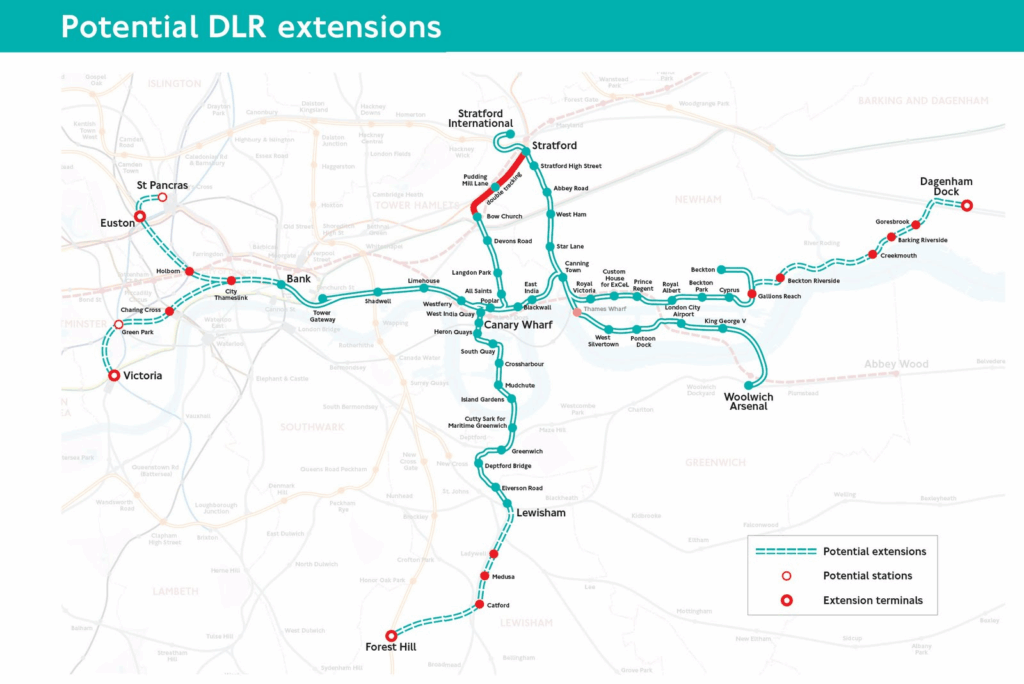
Transport links are the lifeblood of any urban housing development, influencing both the accessibility and desirability of residential areas. In the case of Thamesmead, the absence of adequate public transport options significantly limits the site’s potential to attract new residents and businesses. The proposed Docklands Light Railway (DLR) extension from Gallions Reach would serve as a crucial catalyst for this area, dramatically improving accessibility for commuters and enhancing the overall viability of the housing development.
Enhancing transport links not only facilitates easier movement for residents but also stimulates economic growth within the region. Improved access would connect Thamesmead with key employment hubs across London, thus drawing in a diverse resident demographic and supporting local businesses. The transformation of transport infrastructure is not merely a logistical concern; it plays a central role in the long-term regeneration of Thamesmead and can secure its status as a flourishing part of London.
The Case for DLR Extension
Advocates for the Thamesmead housing project unanimously highlight the critical need for a DLR extension as integral to the success of the development plan. Without this vital transport link, the potential for Thamesmead as a new urban center remains largely unrealized. The cost-benefit analysis suggests that investing approximately £1.7 billion in extending the DLR is not only feasible but strategically vital for unlocking future housing opportunities across the region.
Business leaders and council members alike have expressed concern that failing to pursue this extension would represent a significant missed opportunity for the local community. As housing shortages intensify across London, policymakers must prioritize transport funding to ensure that developments like Thamesmead can progress. The economic implications are far-reaching, impacting both housing density and community potential.
Thamesmead as a Model for New Towns
Thamesmead is poised to become a model for future new towns, as outlined by government advisors aiming to address the housing crisis in London. The New Towns Taskforce’s endorsement of Thamesmead as a potential site for new town development underscores its viability. This initiative aligns with national objectives to generate sustainable communities that can absorb population growth and offer comprehensive infrastructure.
For Thamesmead to successfully transition into a fully realized new town, crucial investments in infrastructure, particularly in transport links, are imperative. The DLR extension is seen as the backbone of this initiative, providing the necessary integration with London’s transportation network. With proper planning and government support, Thamesmead can emerge not only as a new housing solution but also as an exemplary case of successful urban redevelopment.
Challenges of Developing Brownfield Sites in London
While the promise of Thamesmead’s brownfield development is considerable, it is not without challenges. Brownfield sites, by their nature, often require significant remediation and infrastructure upgrades before they can be developed. This can involve complex negotiations regarding land use, environmental assessments, and regulatory approvals. Thamesmead is no exception, as developers must navigate these multifaceted issues to unlock its potential.
Moreover, public perception can also pose a challenge. Many may view brownfield areas as less desirable due to their prior industrial use or perceived isolation from the rest of the city. However, through thoughtful development, branding, and significant investment in transport infrastructure, including the DLR extension, these neighborhoods can be transformed into flourishing, attractive locales that counteract negative perceptions and draw in new residents.
The Role of Government Support in Thamesmead’s Future
Government backing is paramount in shaping the future of Thamesmead’s housing development. As highlighted by various stakeholders, the success of this initiative hinges not only on the approval of the DLR extension but also on the broader commitment from national and local authorities to support infrastructure projects. This requires a harmonious approach between government ambitions for housing delivery and the fiscal policies that enable such developments.
Without definitive government support, the ambitious plans for Thamesmead risk stagnation. Policymakers must recognize the urgent need for improved transport links to connect these underserved areas with the rest of London. Making Thamesmead a focus of infrastructure investment is essential to achieving the prospective housing targets and revitalizing neglected urban spaces within the city.
Community Engagement in the Thamesmead Regeneration Effort
A successful housing development must engage with the community it intends to serve. In Thamesmead, developers and local authorities must prioritize resident involvement in the regeneration process. By integrating community feedback into planning and development efforts, stakeholders can ensure that the emerging neighborhoods not only meet housing needs but also reflect the desires and aspirations of current and future residents.
Community engagement fosters a sense of ownership and pride in the development. This includes not only involvement in the design of new homes but also how public spaces, parks, and facilities are conceived. Regular consultations and transparent communication about the benefits that improved transport links, especially the DLR extension, will bring to the community will be crucial in cultivating support for the regeneration project.
Economic Impacts of the Thamesmead Project
The Thamesmead housing development is expected to render significant economic benefits, not only for the residents but also for the greater London area. By creating thousands of new homes, the project will contribute to alleviating the housing crisis that the city currently faces, providing affordable housing options and thereby drawing new businesses and residents to the area. Economic stimulation also extends to job creation during the construction phase and the long-term employment opportunities that a thriving community will attract.
However, for Thamesmead to be economically viable, it requires comprehensive planning and investment in infrastructure. As noted, the lack of transport links presents a barrier to economic growth, making government and private sector collaboration vital for success. Improved access through the proposed DLR extension will enhance the appeal of the area to prospective investors and businesses, generating sustainable development that benefits all stakeholders.
Ensuring Sustainable Development at Thamesmead
Sustainability is at the forefront of modern urban planning, and Thamesmead’s development aims to incorporate environmentally friendly practices at its core. With plans to create new parks, waterways, and community spaces, the project intends to not only provide housing but also preserve natural assets and promote biodiversity along the Thames waterfront. Sustainable development involves a commitment to both environmental stewardship and social responsibility, ensuring that regeneration efforts uplift both the physical and cultural landscape of Thamesmead.
Furthermore, the integration of sustainable transport solutions, such as the DLR extension, plays a significant role in promoting eco-friendly commuting options and reducing reliance on personal vehicles. By prioritizing public transport infrastructure, Thamesmead aims to establish a balanced urban environment that supports active transportation and reduces carbon footprints, aligning with broader environmental objectives and fulfilling the city’s sustainability goals.
Frequently Asked Questions
How will the DLR extension benefit the Thamesmead housing development?
The DLR extension is crucial for the Thamesmead housing development as it will significantly improve transport links to central London. By providing access to the Elizabeth line, residents could reach the West End in approximately 35 minutes, making the 15,000 planned homes more accessible and attractive to potential buyers.
What is the cost associated with extending the DLR to Thamesmead?
The estimated cost to extend the DLR from Gallions Reach to Thamesmead is around £1.7 billion. This investment is essential to improve the local infrastructure and facilitate the development of thousands of homes on this strategic brownfield site.
Why is the DLR extension considered essential for Thamesmead’s regeneration?
The DLR extension is deemed essential for Thamesmead’s regeneration because it would unlock the necessary infrastructure to support new housing developments and economic growth. Without this transport link, the potential for Thamesmead as a significant new town is greatly hindered.
What impact does the DLR extension have on London’s infrastructure projects?
The DLR extension is a vital component of London’s broader infrastructure projects, as it supports the government’s housing mission to build 1.5 million new homes by 2029. By enhancing connectivity to areas like Thamesmead, it plays a key role in addressing London’s housing crisis while promoting sustainable urban development.
How does the DLR extension relate to the need for new brownfield sites in London?
The DLR extension directly relates to the development of new brownfield sites in London, such as Thamesmead. By providing essential transport links, it enables previously underutilized areas to be transformed into vibrant communities with housing, jobs, and amenities, thus maximizing land use potential while minimizing urban sprawl.
What are the potential consequences of not funding the DLR extension for Thamesmead?
Failing to fund the DLR extension could result in a significant missed opportunity for Thamesmead, as it would limit the area’s regeneration potential and hinder the delivery of essential housing. Without proper transport links, the development of high-density homes and infrastructure necessary for a thriving community will not materialize.
Why is local government support important for the DLR extension in Thamesmead?
Local government support is crucial for the DLR extension in Thamesmead because it advocates for the infrastructure improvements needed to facilitate housing development. Support from councils like Greenwich emphasizes the community’s commitment to transforming Thamesmead into a sustainable and accessible area, which is vital for attracting government funding and resources.
What role does the DLR extension play in achieving London’s housing targets?
The DLR extension plays a pivotal role in achieving London’s housing targets by ensuring that new developments, particularly in areas like Thamesmead, are accessible and connected to the city’s transport network. This accessibility is essential for meeting the demand for housing and reaching the government’s goal of building 1.5 million new homes by 2029.
| Key Points About Thamesmead Waterfront and DLR Extension | |
|---|---|
| Location | Thamesmead Waterfront, southeast London. |
| Potential Development | 15,000 new homes. |
| Current Transport Issues | No existing transport links to central London. |
| DLR Extension Cost | Approximately £1.7bn. |
| Economic Impact | Essential for accessing the West End and supporting housing growth. |
| Government Perspective | Supported by the New Towns Taskforce, but conditional on DLR extension. |
| Local Council Support | Greenwich Council emphasizes the need for infrastructure to realize potential. |
Summary
The DLR extension is crucial for the development of Thamesmead Waterfront, without which this significant opportunity may slip away. With a potential for 15,000 new homes and strong support from local businesses, government, and the community, the case for the DLR extension underscores the importance of sustainable infrastructure in driving economic and social growth. Securing the necessary funding will not only help fulfill government housing targets but also transform an overlooked area into a vibrant community.