
Listen to this article
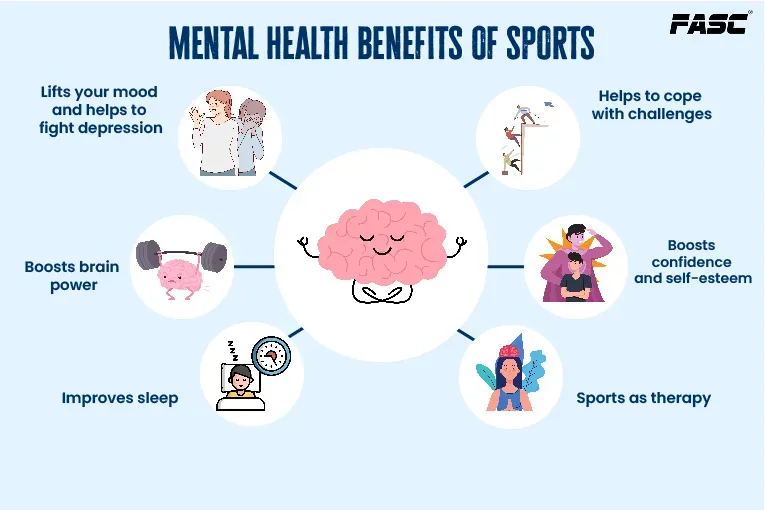
The **benefits of sports for mental health** are profound and multifaceted, making physical activity an essential component of well-being in today’s fast-paced world. Participating in sports not only helps with physical fitness but also serves as a significant boost to one’s mental health by alleviating anxiety and enhancing overall mood. As individuals engage in various physical activities, they experience the release of endorphins, leading to feelings of happiness and reduced stress levels. Moreover, the structure and social interaction that come from team sports provide a vital framework for building resilience against feelings of isolation and depression. Overall, embracing sports can unlock numerous physical activity benefits that enhance mental well-being through sports, creating a pathway to a happier life.
When we talk about the positive impacts of athletic pursuits on psychological wellness, it is essential to acknowledge the interconnectedness of exercise with emotional health. Involvement in recreational activities not only promotes better physical fitness but also facilitates a sense of community and belonging through friendship and teamwork. Engaging in these physical exercises can be a potent antidote to anxiety, effectively reducing its effects while fostering a healthier emotional balance. Beyond mere enjoyment, participation in sports often instills valuable life skills, such as discipline and persistence, which can translate into improved mental well-being. Ultimately, the therapeutic potential of sports highlights the importance of incorporating physical movement as a foundational element of emotional health strategies.
The Psychological Benefits of Sports Participation
Engaging in sports is associated with numerous psychological benefits that extend beyond mere physical fitness. One of the most significant advantages is the boost in self-esteem that comes from mastering skills and achieving personal goals. As individuals challenge themselves through sports, they often find that their confidence grows, leading to an overall improved self-image. This is crucial for mental well-being, as higher self-esteem can act as a buffer against the stresses of daily life.
Moreover, sports foster social connections, which are vital for emotional health. By participating in team sports or local clubs, individuals can meet new people and form meaningful relationships, which are essential for combating feelings of isolation and loneliness. These social interactions not only enhance one’s sense of belonging but also provide support systems through shared experiences, further promoting mental stability.
Benefits of Sports for Mental Health Improvement
Sports play a critical role in the improvement of mental health by offering numerous psychological benefits. Engaging in physical activity releases endorphins known as ‘feel-good’ hormones that can significantly reduce anxiety and depression. This natural enhancement of mood makes sports an effective method for improving mental well-being. Additionally, sports encourage the practice of mindfulness and focus, as athletes often need to concentrate on their performance and engagement in the activity, allowing them to escape from negative thoughts.
Participating in sports also provides a structured routine that can be particularly helpful for those struggling with mental health issues. Having regular practices, games, or training sessions can create a sense of purpose and stability, essential for those feeling lost or overwhelmed. This structured environment not only encourages discipline but also fosters resilience as individuals learn to set and achieve goals.
How Exercise Contributes to Anxiety Relief
The relationship between exercise and anxiety relief is a well-documented phenomenon. When individuals engage in sports or physical activities, their bodies release a cocktail of neurochemicals that help alleviate feelings of anxiety. Additionally, the rhythmic and repetitive nature of physical activities can have a meditative effect, encouraging a reduction in anxious thoughts and promoting overall relaxation.
Moreover, regular participation in sports can increase an individual’s tolerance to stress, equipping them with the tools to better handle anxiety in other areas of their life. This transformation occurs as the body adapts to the physical demands of sports, ultimately leading to enhanced mental resilience and coping strategies that can be applied outside of the sporting environment.
Team Sports and Mental Wellbeing
Team sports provide immense benefits not only for physical fitness but also for mental health. The collaborative nature of team sports allows participants to build camaraderie and develop social skills. Engaging in activities like soccer or basketball helps individuals to feel connected to others, which can significantly reduce feelings of loneliness and create a supportive community.
Moreover, team sports are often linked to improved mood and reductions in stress levels. The collective experience of working toward a common goal can create a sense of belonging and achievement. As team members celebrate victories together, they solidify their bonds and enhance their interpersonal relationships, which are crucial for maintaining good mental health.
Individual Sports for Self-Discipline and Confidence
Individual sports, such as running, swimming, or cycling, provide unique opportunities for personal growth and mental health benefits. Unlike team sports, individual activities foster a sense of independence and self-discipline. Engaging in these sports allows individuals to set personal goals and track their progress over time, which can greatly enhance self-confidence.
Furthermore, the solitude of individual sports can offer a perfect environment for introspection. Athletes often find clarity and peace during their practice, allowing them to process emotions and thoughts. This personal time spent is invaluable for mental well-being, as it encourages individuals to develop a deeper understanding of themselves and their mental states.
Mind-Body Sports and Emotional Stability
Mind-body sports, particularly practices like yoga and tai chi, blend physical exercises with mental focus and breath control, proving highly beneficial for emotional stability. These activities not only improve physical health through enhanced flexibility and strength but also significantly reduce stress and anxiety levels. Focusing on breath and movement creates a calming effect, perfect for individuals seeking mental tranquility.
Additionally, practitioners often report feeling more centered and capable of managing their thoughts and emotions after engaging in these mind-body disciplines. This connection between physical and mental well-being underscores the importance of including such activities in overall wellness regimens, particularly for those dealing with the pressures of everyday life.
Adventure Sports and Enjoyment of Nature
Adventure sports like rock climbing, mountain biking, and hiking provide exhilarating experiences that can substantially boost mental health. The adrenaline rush associated with these activities promotes a sense of accomplishment and joy, providing a much-needed escape from daily stressors. Immersing oneself in nature has also been shown to improve emotional well-being, enhancing feelings of happiness and contentment.
As participants engage in adventure sports, they also cultivate resilience through overcoming challenges and pushing their physical limits. This process of pushing oneself can bolster confidence and encourage a positive mindset, reinforcing the importance of facing fears and embracing challenges in other areas of life.
Getting Started with Sports for Mental Health
Starting a sports journey to improve mental health does not have to be daunting. The key is to find activities that resonate personally. Whether one opts for a local team or an individual gym routine, enjoying the chosen activity is crucial for long-term commitment. Setting achievable goals can help maintain motivation and gradually increase one’s activity level without feeling overwhelmed.
Joining a community or sports club can enhance this experience by providing social support and additional motivation. Engaging with others not only makes sports more enjoyable but also builds essential social networks, beneficial for mental health. Regular involvement is imperative, so establishing a consistent schedule can help in making physical activity a priority and a rewarding part of daily life.
Setting Goals Through Sports to Enhance Life Skills
Participating in sports inherently involves setting and achieving goals, a process that significantly enhances life skills and mental health. Athletes learn to set realistic targets, develop plans for achieving them, and face challenges along the way. This goal-oriented mindset can translate effectively into other areas of life, promoting resilience and problem-solving skills.
Moreover, the discipline developed through sports fosters a growth mindset, where individuals understand that effort and perseverance can lead to improvement. This perspective not only aids in sports but also enables individuals to apply these skills in personal and professional contexts, helping them navigate life’s challenges with greater ease and confidence.
Frequently Asked Questions
What are the benefits of sports for mental health?
Engaging in sports directly influences mental health by reducing anxiety and depression, boosting self-esteem, and enhancing overall mood through the release of endorphins. Sports provide structure, distraction from stress, and opportunities for social interaction, contributing to improved mental well-being.
How do physical activity benefits contribute to anxiety relief?
Physical activity benefits, particularly from engaging in sports, help relieve anxiety by promoting the release of endorphins, which improve mood. Additionally, the structured routine of sports can provide a sense of control and normalcy, reducing anxiety symptoms.
Can team sports improve mental well-being?
Yes, team sports significantly enhance mental well-being by fostering social connections and promoting teamwork. The bonds formed through collaboration in team sports can combat feelings of loneliness and enhance a sense of belonging.
What role does exercise play in reducing symptoms of depression?
Exercise plays a crucial role in reducing symptoms of depression by encouraging the release of mood-boosting chemicals like endorphins. Regular participation in sports can lead to increased physical health, which is intrinsically linked to improved mental health.
How can mindfulness in sports promote mental health?
Mindfulness in sports, such as yoga or tai chi, encourages individuals to focus on their body and breath, promoting relaxation and reducing stress. This mindful engagement helps mitigate racing thoughts often associated with anxiety and depression.
Do individual sports provide mental health benefits similar to team sports?
Absolutely, individual sports also offer significant mental health benefits. Activities like running or swimming foster independence and self-discipline, empowering individuals and boosting confidence, much like team sports.
What are some examples of adventure sports and their mental health benefits?
Adventure sports, such as rock climbing or hiking, provide an adrenaline rush and a connection with nature. These activities can enhance mood and reduce stress through physical exertion and therapeutic exposure to natural environments.
How can someone get started with sports for mental well-being?
Starting with sports for mental well-being involves choosing enjoyable activities, setting realistic goals, joining communities or clubs for motivation, and scheduling regular participation to establish a routine.
How does participating in sports create a distraction from negative thoughts?
Participating in sports shifts focus away from negative thoughts by immersing individuals in physical activity and the enjoyment of the sport. This distraction can help cultivate a positive mindset and improved emotional resilience.
What impact does regular sports participation have on self-esteem?
Regular participation in sports enhances self-esteem by providing opportunities for skill development and achievement. Successfully mastering new sports skills or meeting personal fitness goals boosts confidence and fosters a positive self-image.
| Key Point | Explanation |
|---|---|
| Engagement in Sports | Participating in sports releases endorphins, boosting mood and reducing stress. |
| Routine and Structure | Provides a framework that supports mental health recovery. |
| Boosted Self-Esteem | Achieving sports goals can enhance confidence and self-worth. |
| Social Connections | Team sports encourage interaction and help combat loneliness. |
| Reduced Anxiety and Depression | Regular physical activity can alleviate symptoms of these conditions. |
| Coping Mechanism | Sports provide healthy ways to deal with life’s challenges. |
| Mindfulness and Focus | Sports require concentration which can promote presence and calm. |
| Goal Setting | Setting sports goals translates to personal life achievements. |
Summary
Benefits of sports for mental health are numerous and impactful. Engaging in physical activities not only encourages physical fitness but also plays a crucial role in enhancing mental well-being. By participating in sports, individuals can experience significant reductions in anxiety and depression levels, boosted self-esteem, and increased social connections, all of which contribute to improved mental health. Moreover, sports serve as effective coping mechanisms, fostering mindfulness and focus while promoting healthy goal-setting practices. Whether through individual efforts or team collaborations, incorporating sports into your daily routine can forge pathways toward resilience, happiness, and a more fulfilling lifestyle.

