
Listen to this article
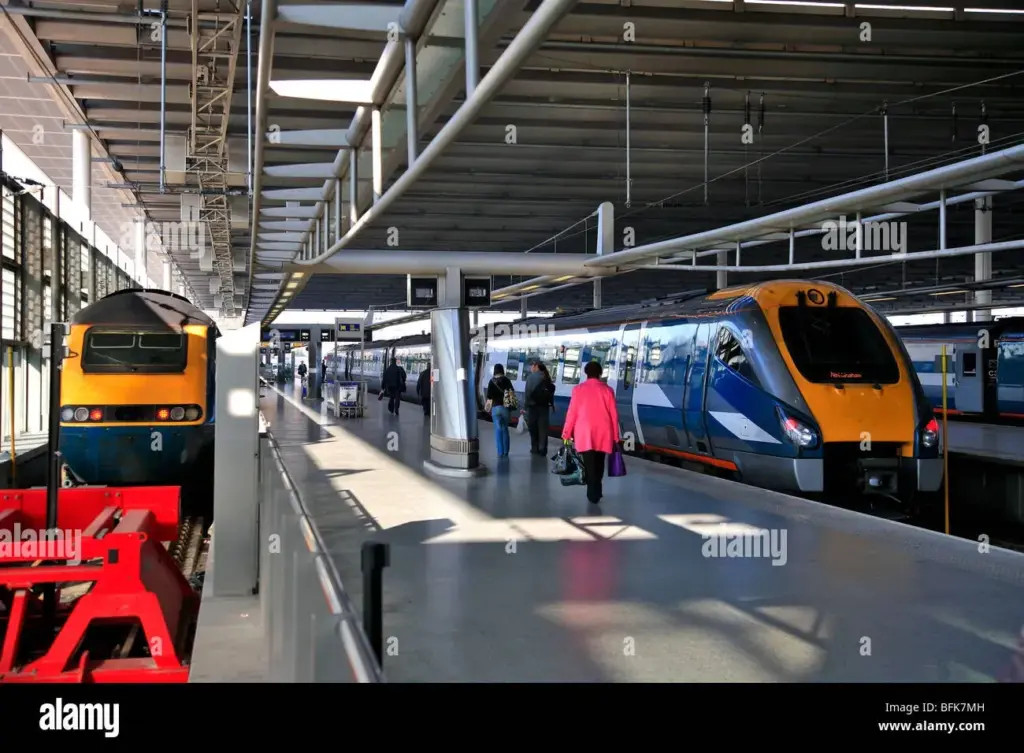
The arrival of diesel trains at London St Pancras is set to mark the end of an era as East Midlands Railway prepares to phase out these older models in favor of exciting bi-mode trains. These new bi-mode Aurora trains are not just designed for enhanced efficiency; they represent a significant leap forward in reducing emissions and minimizing noise pollution in the bustling capital. As part of the ongoing effort to decarbonise the railway, the transition to electric trains is expected to drastically reduce the harmful train emissions that have long plagued urban environments. Passengers traveling to destinations such as Derby and Sheffield will soon enjoy a more sustainable journey, leading the way toward a greener future for rail transport. With the electrification projects underway, London St Pancras is poised to become a beacon of innovation in the railway sector.
At the forefront of London’s transport evolution, the transition from fossil-fuel-dependent locomotives to bi-mode and electric alternatives underscores an industry-wide commitment to sustainability. This shift is particularly evident at St Pancras, where modern train technology is being embraced by operators like East Midlands Railway, marking a step towards cleaner and more efficient travel options. The integration of advanced trains not only aims to reduce environmental impact but also enhances passenger experience through improved comfort and connectivity. With pressing issues like air quality and climate change influencing transport policies, the focus on decarbonising the railway heralds a new chapter in urban mobility. As we look ahead, the railway’s future hinges on innovative strategies and technologies that will redefine how we travel across city landscapes.
The Transition to Cleaner Trains at London St Pancras
The move towards decarbonizing the railway is taking a significant step forward at London St Pancras, where the introduction of bi-mode trains marks the end of diesel emissions from this pivotal transport hub. East Midlands Railway’s new Aurora fleet, designed for improved efficiency and reduced environmental impact, is set to replace the aging diesel units by the end of 2026. This shift not only enhances passenger experience but also reflects a commitment to sustainable travel practices that align with broader goals of reducing train emissions across the UK.
As the new bi-mode trains operate on electricity in the southern sections and switch to diesel in less electrified areas further north, they promise a dramatic reduction in carbon emissions—up to 66% where possible. This transition showcases the railway industry’s effort to modernize while addressing the urgent need for effective decarbonizing strategies. With London St Pancras being a critical terminal, the elimination of harmful diesel fumes is a pivotal moment that exemplifies the shift towards a greener future for train travel.
The Role of Bi-Mode Trains in Emission Reduction
Bi-mode trains are quickly becoming a crucial part of the United Kingdom’s strategy to decarbonize the railway system. With only about 39% of the rail network electrified, the introduction of bi-mode trains like the Aurora fleet allows for a flexible approach that can adapt to the existing rail infrastructure while significantly cutting emissions. These trains provide the ability to run on cleaner electric power where available and switch to diesel only when necessary, minimizing reliance on fossil fuels.
East Midlands Railway’s initiative to incorporate bi-mode technology not only addresses emissions but also tackles noise pollution, enhancing the travel experience for passengers and those living near railway lines. As the industry grapples with improving the sustainability of rail travel, bi-mode trains offer a practical solution to bridge the current gaps in electrification, particularly in areas where full electrification is economically or logistically challenging.
Challenges and Opportunities in Electrifying Railway Lines
Electrification remains a cornerstone of the UK’s ambition to decarbonize train travel, yet it presents significant challenges. Delays in projects, spiraling costs, and complex engineering requirements have hindered progress, particularly for the Midland main line where electrification plans have been curtailed. Policymakers face difficult decisions on where to direct investment, weighing the costs against the potential emissions savings that electrified lines could yield.
Despite these hurdles, electrification poses opportunities for enhancing the reliability and efficiency of rail travel. The recent emphasis on battery technology and alternative energy sources highlights innovative solutions that could complement traditional electrification efforts. As trials for battery-hybrid systems expand, there is a growing belief within the industry that selective electrification combined with enhanced train technology will pave the way for a greener future.
The Impact of Train Emissions on Urban Air Quality
Train emissions have long been a concern for urban environments, especially in densely populated areas like London. The nitrogen oxide emissions from diesel trains can pose health risks comparable to those from congested roadways, leading to increased public awareness and concerns over urban air quality. Reports have indicated that some of the worst diesel trains can exceed pollution levels experienced on busy roads, prompting urgent action from both transport authorities and health officials.
Through the deployment of cleaner technologies, such as electric trains and bi-mode systems, cities like London are making strides to improve air quality and reduce public health risks associated with diesel emissions. The transition away from diesel units not only aims to enhance local environments but also sets a precedent for other urban rail networks grappling with similar challenges. As awareness continues to grow, the push for cleaner rail options reflects a broader societal commitment to sustainability and health.
Why Electric Trains Are Essential for the Future
Electric trains are pivotal to the long-term vision of a decarbonized rail network. Their inherent efficiency, reduced operating costs, and significant reductions in emissions compared to their diesel counterparts make them the preferred choice for future rail transport. With 70% of Britain’s passenger rolling stock already operating on electric power, there’s a major incentive to increase this percentage through expanded electrification efforts.
Moreover, electric trains contribute less to noise pollution, offering a smoother and quieter ride for passengers. Their ability to enhance connectivity in densely populated regions without the burdens of diesel emissions places them at the forefront of rail transport innovation. As railway organizations continue to invest in electrification and new technologies, the future of rail travel is set on a path that prioritizes efficiency and environmental sustainability.
Emerging Technologies in the Railway Sector
The railway sector is entering a transformative phase with the introduction of emerging technologies aimed at improving energy efficiency and reducing emissions. Alongside bi-mode and battery-hybrid trains, developments in energy management systems and advanced maintenance practices are revolutionizing the way rail operators approach environmental sustainability. Investments in such technologies not only enhance the passenger experience but also allow operators to manage resources more effectively.
The potential for innovations like fast-charge technology and enhanced battery solutions could bridge existing gaps in electrification, especially in areas where traditional overhead electrification is not feasible. The railway industry’s commitment to innovation is demonstrated by ongoing trials and collaborations with tech developers to pioneer solutions that will shape the future of rail transport.
The Role of Government in Electrifying the Railway
Government involvement plays a critical role in advancing the electrification of the UK railway system. As the Department for Transport works closely with Network Rail, there is an increasing focus on creating an updated electrification strategy that prioritizes cost-effective schemes for maximum impact. The pressure to balance budgets with ambitious environmental goals has necessitated a re-evaluation of past plans to completely eliminate diesel trains by 2040.
This shift in strategy acknowledges the complexities surrounding electrification projects while underscoring a commitment to progress. By fostering innovation, the government can create an environment where railways are transitioned to cleaner alternatives that meet both economic and environmental objectives. The path towards a fully decarbonized railway requires coordinated efforts to ensure that electrification remains a priority in infrastructure development.
Future Prospects for Rail Travel in the UK
The future of rail travel in the UK appears promising as the industry adapts to challenges posed by climate change and urban air quality. With increasing public demand for more sustainable transportation options, railways are uniquely positioned to capitalize on their reduced emissions per passenger compared to cars or planes. Investment in electric trains and improved infrastructure will be pivotal in capturing this potential market.
Advancements in technology and government policy are likely to create a more extensive railway network that prioritizes environmental sustainability while meeting the needs of an evolving public. As new fleets like the Aurora trains roll out, blending innovation with tradition, the outlook for rail travel points towards a cleaner, more efficient future conducive to economic growth and ecological responsibility.
Integrating Sustainability into Transport Policies
The integration of sustainability into transportation policies is becoming increasingly critical as climate concerns rise. Strategies to decarbonize the railway not only target emissions but also encompass wider benefits, such as improving public health and enabling cleaner urban environments. As policymakers rethink approaches, incorporating initiatives such as electrification and innovative train technologies will rely on comprehensive planning and investment.
By fostering collaboration between government bodies, transport agencies, and technology providers, meaningful progress can be made towards achieving sustainable transport solutions. This holistic approach can ensure that the transition to cleaner, electric-powered trains is not just a phase, but a lasting commitment to an environmentally friendly future for rail travel across the UK.
Frequently Asked Questions
What is the status of diesel trains at London St Pancras?
As of 2026, the operation of diesel trains at London St Pancras is set to end with the introduction of the new bi-mode Aurora fleet by East Midlands Railway. This transition is aimed at reducing emissions and noise, reflecting a significant step towards a cleaner rail system.
How do bi-mode trains reduce emissions at London St Pancras?
Bi-mode trains operate on electricity in sections where the rail is electrified, such as the area south of Leicester, which can reduce carbon emissions by up to 66%. This approach allows East Midlands Railway to cut down on emissions while still providing service on non-electrified lines further north.
What impacts do diesel trains have on air quality in London St Pancras?
Diesel trains contribute nitrogen oxide (NOx) emissions, which pose health risks. Although most stations in London have transitioned away from diesel, the remaining diesel services at St Pancras have been under scrutiny due to their negative impact on local air quality.
Are there plans to electrify more lines serving London St Pancras?
While electrification of the Midland main line was halted south of Leicester, there is an ongoing effort by the Department for Transport and Network Rail to develop electrification strategies. This is part of a broader initiative to decarbonise the railway system and reduce reliance on diesel trains.
How do the new trains improve the travel experience from London St Pancras?
The new Hitachi-built Aurora trains feature enhanced capacity, improved comfort, and technological advancements such as better mobile connectivity. This upgrade will provide passengers on routes to Derby, Leicester, and beyond with a smoother, quieter ride and greater amenities.
What are the benefits of transitioning from diesel trains to electric or bi-mode trains?
Transitioning to electric and bi-mode trains offers substantial environmental benefits, including reduced carbon emissions and lower noise levels. Electrification is essential for decarbonising the railway and making rail travel a more sustainable alternative to cars and planes.
How does East Midlands Railway plan to address the challenges of electrification at London St Pancras?
East Midlands Railway is investing in bi-mode trains to navigate the limitations of electrification. While full electrification has faced delays and budget issues, the bi-mode fleet will help bridge the gap and move towards lower emissions while improving service quality.
What role does battery technology play in the future of diesel trains at London St Pancras?
Battery technology is being explored as a viable solution for routes that cannot be fully electrified, allowing for cleaner operations where overhead electric lines are not feasible. This innovation could enhance the sustainability of services originating from London St Pancras.
How does rail travel compare to other transportation modes in terms of emissions?
Rail travel, particularly with electric and bi-mode trains, generally emits less carbon per passenger compared to petrol cars. Approximately 94% of rail journeys are greener than traveling by car, highlighting the potential for rail to lead in sustainability, especially with reduced reliance on diesel trains.
When is the final diesel service expected to operate from London St Pancras?
The last diesel services operated by East Midlands Railway from London St Pancras are expected to end by the close of 2026, marking a significant transition towards a cleaner rail travel experience.
| Key Point | Details |
|---|---|
| Transition from Diesel to Bi-mode Trains | East Midlands Railway (EMR) will phase out diesel trains in London St Pancras by the end of 2026, introducing cleaner bi-mode Aurora trains. |
| Environmental Impact | The Aurora trains will reduce carbon emissions by 66% on electric routes compared to diesel. |
| Challenges in Electrification | Electrification of the Midland Main Line has been scaled back, and new developments in technology and funding are required for further electrification. |
| Health Concerns | Diesel trains contribute to nitrogen oxide (NOx) emissions, posing health risks, especially in urban areas. |
| Future of Rail Technology | Investment in battery-hybrid train technology and sustainable fuels is seen as a viable way to transition from diesel. |
| New Train Features | The new Aurora trains include more seating, better connectivity, and accessibility improvements. |
Summary
Diesel trains London St Pancras are nearing the end of an era as they are being replaced by environmentally friendly bi-mode trains. This transition, led by East Midlands Railway, is a significant step towards reducing emissions and improving air quality in one of the busiest stations in London. The newly introduced Aurora trains promise a quieter, cleaner, and more comfortable travel experience for passengers. Meanwhile, the government is facing challenges in electrifying the railway lines fully, emphasizing the gradual shift towards a greener rail system.