
Listen to this article
Diageo’s recent dividend cut has sent ripples through the investment community, as the renowned spirits producer reduced its annual sales and profit forecast for the second time in just four months. The decision underscores significant capacity issues that have impacted the availability of iconic brands like Guinness in London pubs. Under the leadership of new CEO Sir Dave Lewis, who has a reputation for implementing drastic cost-cutting measures, the company is facing challenges head-on, attempting to navigate weak demand in key markets such as the US and China. As Diageo grapples with a decline in profits, investors are closely monitoring the performance of its flagship brands, looking for indications of recovery amidst changing consumer habits. With the Guinness brand’s performance central to its strategy, this dividend cut marks a pivotal moment for stakeholders and signals a critical shift in Diageo’s operational approach as it strives to enhance profitability.
The reduction of Diageo’s dividend marks a significant turn in the company’s financial strategy, as it seeks to recalibrate amidst numerous market hurdles. With Sir Dave Lewis at the helm, the global beverage giant is confronting various operational challenges, particularly its capacity constraints that have been affecting its prized offerings like Guinness. This adjustment, made against a backdrop of fluctuating consumer preferences and intensified competition, highlights the urgency for Diageo to innovate and adapt. Investors and analysts alike are scrutinizing the company’s revised sales forecast to assess its trajectory in an ever-evolving marketplace. As Diageo navigates these tumultuous waters, understanding the dynamics of its brand performance will be crucial for future growth.
Diageo Dividend Cut: The Impact on Shareholders
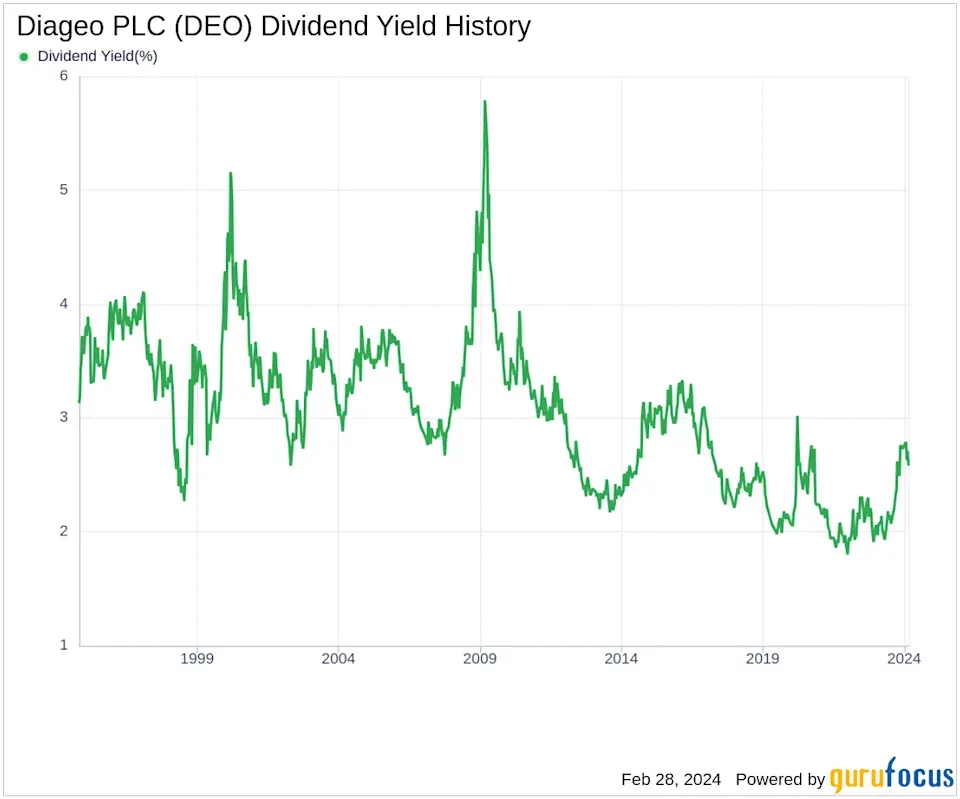
Recently, Diageo made headlines by announcing a significant cut to its shareholder dividend, reducing it to just 20 cents a share from 40.5 cents in the prior year. This decision aligns with the company’s struggling financial performance, which has seen two downgrades to its annual sales and profit forecasts within the span of four months. The move is particularly noteworthy given the company’s stature as the world’s largest spirits producer, and it has understandably raised concerns among investors about the sustainability of their returns. As Sir Dave Lewis, the new CEO, navigates through these turbulent times, shareholders are keenly watching how these decisions will affect the company’s long-term viability and growth prospects in an increasingly competitive landscape.
The implications of the dividend cut extend beyond just immediate financial returns; they symbolize a strategic shift within Diageo aimed at addressing underlying issues such as capacity limitations and changing consumer preferences. By reallocating funds that would have bolstered shareholder returns, Lewis aims to invest in the company’s operational capabilities and better position Diageo for future growth. However, this has led to a decline in share prices, reflecting market apprehension regarding Diageo’s ability to recover amidst increased competition and evolving customer habits, particularly evident with the rise in GLP-1 weight loss medications affecting alcohol consumption.
Sir Dave Lewis: Navigating Challenges as Diageo’s New CEO
Sir Dave Lewis’s recent appointment as CEO of Diageo has come at a critical juncture for the company, marked by operational challenges and shifting market dynamics. Known for his decisive leadership style from his previous tenure at Tesco, Lewis, often dubbed ‘Drastic Dave’, has already taken significant steps to reshape the company’s strategic direction. His focus is not only on rectifying the current sales forecast but also on implementing necessary cuts and reallocating resources to enhance Diageo’s capacity. This proactive approach is essential, especially as the company continues grappling with weak demand in key markets like the US and China, which have significantly impacted profits over recent months.
Lewis’s swift actions are reflective of a leader acutely aware of the intricacies of the global marketplace and consumer habits. In his recent remarks, he highlighted the necessity for investment in Diageo’s portfolio to ensure it remains competitive against rising market challengers. His leadership will also be under scrutiny as he tackles the critical issue of capacity constraints that have been affecting the availability of brands such as Guinness across popular venues such as London pubs, where consumer demand remains high despite the broader market uncertainties.
The Challenges of Diageo’s Capacity Issues
As Diageo navigates its current financial landscape, one of the most pressing issues it faces is its capacity constraints. These limitations hinder the company’s ability to meet growing consumer demand, particularly for flagship brands like Guinness, which is rapidly gaining popularity. During his first weeks in charge, Sir Dave Lewis acknowledged that the company must address these capacity challenges urgently to maximize profitability and market share. Failure to do so could mean losing potential sales as consumers turn to competitors who can offer more reliable availability.
The capacity issues are further compounded by external factors, including Donald Trump’s tariffs and the changing habits of consumers influenced by health trends such as the adoption of weight loss medications. The company must invest significantly in expanding its production capabilities while also exploring more agile supply chain strategies that can better respond to fluctuations in consumer demand. Without these changes, Diageo’s capacity challenges could continue to stall its recovery and affect its overall market positioning.
Guinness Brand Performance Amidst Market Pressures
Guinness has emerged as a pivotal asset for Diageo, especially in the North American market, where it is reported to be the fastest-growing beer brand. However, despite this positive momentum, the brand is not immune to the broader challenges facing the company. With capacity constraints affecting its availability in high-demand areas like London, the performance of Guinness is a double-edged sword. While brand loyalty remains strong, the current limitations hinder Diageo’s ability to capitalize on Guinness’s potential growth, especially in a market increasingly driven by consumer preference for premium beverages.
To navigate these performance pressures, Diageo is considering strategies that could enhance brand accessibility while maintaining quality. Offering smaller packaging options, as mentioned by Lewis, may cater to changing consumer preferences for moderation, especially among younger demographics. Ensuring that Guinness remains a top choice in social settings while addressing supply limitations will be crucial for sustaining its growth trajectory and reinforcing Diageo’s status in the competitive beverage landscape.
Diageo’s Profits Decline: Factors and Future Outlook
Diageo’s recent profits decline has been attributed to several interrelated factors, including decreased demand in critical markets and internal capacity challenges. The company’s expectation for organic sales to decrease by 2% to 3% in 2026 highlights an unsettling trend that demands urgent attention from leadership. As the market evolves, factors such as inflation and shifts in consumer behavior—especially towards lower alcohol consumption—have taken their toll on traditional spirits sales. Investors and analysts are closely monitoring these developments, as they could fundamentally alter Diageo’s operational strategy.
Looking ahead, the future of Diageo’s profitability will heavily rely on its ability to adapt to these changes. Sir Dave Lewis’s focus on fortifying the company’s portfolio with investments and innovative offerings may stabilize profits in the long run. However, the current climate necessitates a swift response to market pressures, and how effectively Diageo addresses these challenges will determine its financial trajectory. Engaging consumers through strategic marketing and product innovation will be essential to reversing the current sales decline and restoring investor confidence.
The Role of LSI in Understanding Diageo’s Market Strategies
Latent Semantic Indexing (LSI) plays a crucial role in the modern marketing landscape, particularly for global companies like Diageo that require a nuanced understanding of consumer behavior and preferences. By analyzing related terms and concepts, Diageo can tailor its marketing strategies to effectively resonate with its target audience, ensuring that messaging aligns with current trends. This strategic use of LSI helps Diageo stay relevant in an increasingly competitive environment where consumers are bombarded with choices and messages that may influence their buying decisions.
In light of Diageo’s recent challenges, particularly concerning its sales performance and profits decline, leveraging LSI can provide insights into optimizing product positioning for brands such as Guinness. By correlating market data with consumer search behavior and preferences, Diageo can enhance its engagement efforts and refine its offerings to better meet the demands of its evolving customer base. This data-driven approach, aligned with effective leadership from Sir Dave Lewis, could facilitate a more structured path toward recovery and growth.
Strategic Investment and Future Growth Potential for Diageo
The strategic investment decisions made by Diageo under Sir Dave Lewis are pivotal for the company’s potential return to growth. Understanding the need to modernize production processes and expand capacity is critical for meeting ever-increasing consumer demand, particularly for high-value brands like Guinness. With Lewis’s commitment to investing in capacity and capability, Diageo aims to not only rectify its current operational challenges but also position itself for future growth in the competitive spirits market.
Moreover, Diageo’s approach to investing in product range and smaller packaging options reflects an acute awareness of current consumer trends, particularly among younger demographics seeking more mindful consumption habits. By addressing both the operational setbacks and aligning its product offerings with consumer desires, Diageo has the potential to cultivate a more resilient business model. Sustaining its market leadership will depend on how well the company adapts its investment strategies to accommodate the evolving landscape of consumer preferences and competitive pressures.
Analyzing Consumer Behavior Trends Affecting Diageo
Consumer behavior trends are rapidly evolving, directly impacting companies like Diageo as they strive to engage with their target markets effectively. The rise of health consciousness among consumers has led to increased scrutiny of alcohol consumption, with many opting for lower or no alcohol alternatives. This shift poses a significant challenge for Diageo, compelling the company to not only focus on premiumization in their product offerings but also to innovate in how they market their alcoholic beverages. Understanding these trends through tools like LSI will help Diageo align its strategies with consumer preferences.
Furthermore, as younger consumers increasingly favor lifestyle choices that emphasize moderation and health, Diageo must adapt its marketing to resonate with these changing values. This could involve shifting messaging to emphasize the quality and experience associated with its brands, rather than solely the alcohol content. By being attuned to these trends, Diageo can enhance engagement with its consumers and potentially mitigate the impact of declining profits in key markets.
Navigating Global Market Challenges: Diageo’s Strategic Response
Diageo operates in an increasingly complex global market, facing challenges that range from economic shifts to geopolitical tensions affecting supply chains and tariffs. The company’s response to these challenges under Sir Dave Lewis emphasizes a robust strategy to not just weather the storm, but to emerge as a stronger player in the spirits industry. With insights gained from market trends and consumer behavior analyses, Diageo’s approach reflects a commitment to agile operational practices and strategic foresight.
Addressing these global challenges requires a comprehensive understanding of the risks involved—be it changes in international trade regulations or fluctuations in consumer spending. By leveraging data-driven insights and enhancing its operational capabilities, Diageo could position itself to navigate through these complexities effectively. The company’s success in this endeavor will ultimately hinge on its ability to innovate and adapt to a rapidly changing global landscape.
Frequently Asked Questions
What led to the Diageo dividend cut announced by Sir Dave Lewis?
The Diageo dividend cut to 20 cents per share was primarily driven by weak demand in key markets like the US and China, alongside capacity issues affecting the Guinness brand. Under the new CEO, Sir Dave Lewis, the company is reallocating resources to improve its competitive edge and address declining profits.
How is the Diageo sales forecast being impacted by the recent dividend cut?
The recent Diageo dividend cut reflects a revised sales forecast indicating an expected organic sales decrease of 2% to 3% for 2026. The cut signifies a strategic pivot to invest in capacity enhancement and respond to current market challenges.
What are the implications of Diageo’s profits decline on shareholders?
Diageo’s profits decline has direct implications for shareholders, as evidenced by the dividend reduction. Investors may feel the strain from decreased returns and increased uncertainty about future profit recovery, particularly as consumer behavior shifts towards lower alcohol consumption.
What capacity issues is Diageo facing with the Guinness brand?
Diageo is experiencing capacity issues that affect its ability to meet the growing demand for Guinness, particularly in London. These constraints hinder the company’s operational capabilities and are critical for addressing consumer demand effectively.
How is Sir Dave Lewis planning to address the challenges leading to the Diageo dividend cut?
Sir Dave Lewis plans to address the challenges that prompted the Diageo dividend cut by investing in the company’s capacity and capabilities, while also adapting to changing consumer preferences by offering smaller packaging options and enhancing brand competitiveness.
What consumer trends have impacted Diageo, prompting the recent sales and dividend adjustments?
Changing consumer trends, including the rise of GLP-1 weight loss medications and a shift towards fewer alcoholic drinks per occasion, have significantly impacted Diageo’s market performance, prompting both sales reductions and the decision to cut the dividend.
How has Diageo’s stock performed following the announcement of the dividend cut and leadership changes?
Diageo’s stock experienced a 6% decline in early trading following the announcement of the dividend cut and new CEO Sir Dave Lewis’s leadership, marking the company’s largest drop on the FTSE 100 in response to investor concerns.
| Key Point | Description |
|---|---|
| Dividend Reduction | Diageo has halved its dividend from 40.5 cents to 20 cents per share. |
| Sales and Profit Forecast | The company lowered its annual sales and profit forecast for the second time in four months. |
| Leadership Changes | Sir Dave Lewis, former Tesco CEO, took over in January and implemented cost-cutting measures. |
| Market Challenges | Diageo faces weak demand in the US and China and challenges in the North American market. |
| Consumer Behavior | Shifts in consumer behavior with younger consumers opting for less alcohol and leveraging GLP-1 medications. |
| Company Strategy | Diageo plans to introduce smaller packaging options to address consumer financial pressures. |
| Capacity Limitations | The company has capacity constraints affecting production, particularly for Guinness in London. |
Summary
The Diageo dividend cut marks a significant shift for the company, reflecting its current struggles with market pressures and changing consumer behavior. As Sir Dave Lewis navigates his new role, the decision to halve the dividend is a response to ongoing challenges in sales and capacity, indicating a need for strategic realignments within this leading spirits producer.