
Listen to this article
Demand-driven pricing is making waves in the theatre industry, particularly with esteemed venues like the Royal Ballet and Opera in London leading the charge. This innovative model adjusts ticket prices dynamically based on audience demand, aiming to maximize revenue while keeping customer satisfaction in check. Recently, ticket prices for popular performances, such as Wagner’s Siegfried, have seen significant fluctuations, highlighting the impact of this pricing strategy on London theatre pricing. By monitoring theatre audience demand in real-time, the Royal Ballet ensures that ticketing aligns with market conditions, striking a balance between accessibility and financial sustainability for the arts. This shift not only reflects broader trends in performing arts ticketing but also introduces an exciting yet intricate layer to the ticket buying experience for patrons.
Also referred to as variable pricing or dynamic ticketing, the concept of demand-driven pricing is not entirely new in the landscape of performing arts. By leveraging audience behavior and ticket availability, venues can adjust costs to meet fluctuations in interest, which is particularly relevant in vibrant theater markets like London. The Royal Ballet’s recent implementation of this adaptive pricing method emphasizes a strategic approach to enhancing both profitability and audience engagement. This adaptive framework allows organizations to navigate the complexities of ticket sales while catering to diverse audience segments, enabling them to make informed choices when attending cultural events. As this model evolves, it promises to reshape how the performing arts sector approaches ticketing, ensuring that performance enthusiasts can find suitable options at various price points.
Understanding Demand-Driven Pricing for Theatre Tickets
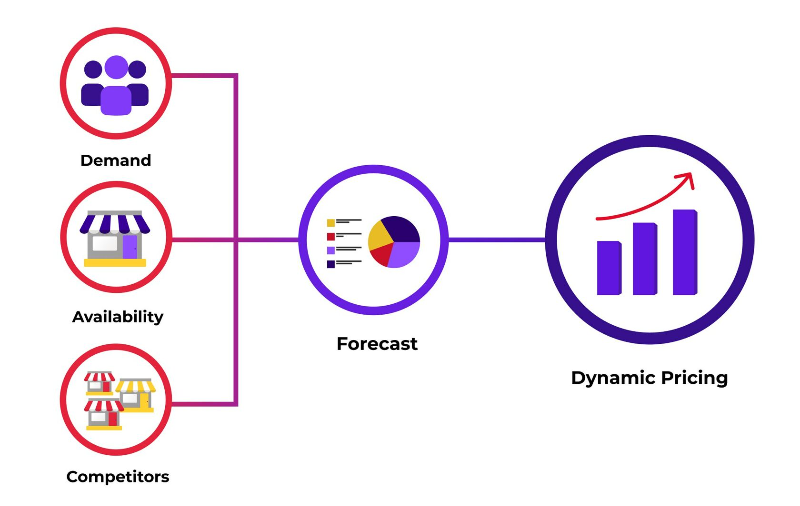
Demand-driven pricing is an innovative ticketing strategy that adjusts prices based on real-time audience demand for performances. Unlike traditional pricing models, where ticket prices remain static regardless of how many seats are sold, demand-driven pricing allows theatres like the Royal Ballet and Opera (RBO) to maximize their revenue by responding directly to market conditions. This means that as popular shows sell out, ticket prices can increase, reflecting the urgency and desirability of attending that performance.
The implementation of such pricing strategies has made a significant impact in the London theatre scene, where ticket prices have become increasingly dynamic. Attendees may find that if they wait too long to purchase a ticket for a high-demand show, such as Wagner’s Siegfried, they risk facing higher costs. Although the initial marketing prices are displayed upfront, adjustments later reflect the actual demand for tickets, providing both opportunities and risks for potential buyers.
Frequently Asked Questions
What is demand-driven pricing and how does it relate to dynamic ticket pricing in the Royal Ballet and Opera?
Demand-driven pricing is a pricing strategy that adjusts ticket prices based on the current audience demand. At the Royal Ballet and Opera (RBO), this model aims to maximize revenue by allowing ticket prices to fluctuate as the show date approaches, similar to dynamic ticket pricing. This means that popular performances may see price increases, reflecting high demand while providing a sustainable financial strategy for the venue.
How will demand-driven pricing impact ticket prices for shows at the Royal Ballet and Opera?
The implementation of demand-driven pricing at the Royal Ballet and Opera means that while ticket prices may increase for high-demand performances, prices displayed in shopping baskets will remain unchanged until the show nears. This approach allows RBO to respond to market demand effectively, maximizing revenue while keeping ticket prices accessible for various audience segments.
What are the potential benefits of demand-driven pricing for London theatre pricing?
Demand-driven pricing offers numerous benefits for London theatre pricing, including increased revenue for performances with high demand. It allows venues like the Royal Ballet and Opera to adjust prices in real time, ensuring that they capitalize on audience interest. Additionally, this model supports financial sustainability and can enhance overall audience engagement by providing a range of pricing tiers.
Are there any exemptions from demand-driven pricing at the Royal Ballet and Opera?
Yes, certain tickets at the Royal Ballet and Opera are exempt from demand-driven pricing. Specifically, lower-priced tiers, Young RBO tickets, and access programs will not be subject to the fluctuating prices associated with this pricing model, ensuring that some options remain affordable for all audience members.
How does the Competition and Markets Authority (CMA) influence demand-driven pricing practices in performing arts ticketing?
The Competition and Markets Authority (CMA) provides guidance to venues like the Royal Ballet and Opera on fair pricing practices, ensuring transparency in ticketing. As RBO shifts to demand-driven pricing, it has incorporated CMA guidelines to prevent misleading pricing strategies, thereby enhancing consumer trust in the ticket purchasing process.
What concerns have been raised regarding dynamic ticket pricing in performing arts ticketing?
Concerns regarding dynamic ticket pricing in performing arts ticketing often stem from consumer experiences with unexpected price increases, as highlighted by previous investigations involving Ticketmaster. Critics fear that such pricing strategies could deter audience attendance due to perceived unfairness or high costs, especially when prices for popular shows surge unexpectedly.
What does the recent trend in London theatre pricing indicate about the market’s direction?
The recent trend in London theatre pricing, particularly with rising costs for the cheapest tickets, indicates a tightening market where the gap between affordable and premium pricing is narrowing. As demonstrated by surveys, it points to a growing reliance on demand-driven pricing strategies, which may lead to higher overall ticket prices as theatres adapt to increased audience demand.
How can concert-goers benefit from demand-driven pricing and dynamic ticket pricing models?
Concert-goers can benefit from demand-driven pricing as it creates opportunities to find affordable tickets for less popular shows or performances that have not yet sold out. By planning ahead, audience members can take advantage of pricing fluctuations, ultimately accessing a range of performances at competitive prices, even amidst a market that may see higher costs for popular events.
| Key Point | Details |
|---|---|
| Implementation of Demand-Driven Pricing | Royal Ballet and Opera (RBO) has adopted this model to adjust ticket prices based on audience demand. |
| Purpose of Demand-Driven Pricing | To maximize ticket revenue and support a financially sustainable future for the venue. |
| Impact on Ticket Prices | For example, ticket prices for Wagner’s Siegfried increased from £370 to £425 for the highest tier. |
| Exemptions to Pricing Model | Lower-priced tiers, Young RBO tickets, and access programs are exempt from demand-driven pricing. |
| Funding and Compliance | RBO receives £22 million funding annually from Arts Council England and follows guidance from the Competition and Markets Authority. |
| Dynamic Pricing Concerns | There are risks that high prices may deter some audience members, even though prices may fluctuate downwards too. |
| Market Trends | Surge in prices observed in West End theatre, with a significant increase in more expensive tickets. |
Summary
Demand-driven pricing is a revolutionary model being utilized by the Royal Ballet and Opera to maximize ticket revenue and ensure sustainability in the competitive arts landscape. With the implementation of this strategy, ticket prices can rise based on audience demand, allowing the venue to respond to market trends effectively. However, this approach also raises concerns, as seen in recent ticketing chaos involving other events, emphasizing the need for transparency in pricing strategies. As the cultural landscape evolves, demand-driven pricing continues to shape the ticketing experience for audiences, balancing affordability with the operational needs of performance venues.