Listen to this article
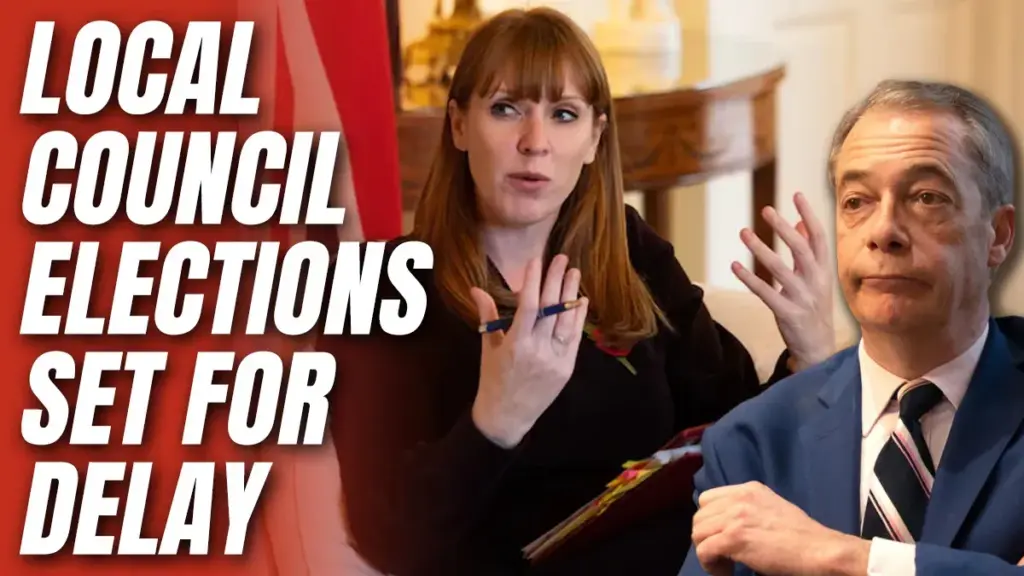
Delays to local elections have sparked intense debate across England, raising serious concerns about the future of democracy at the grassroots level. With nearly 10 million citizens potentially facing the loss of their voting rights, Liberal Democrat leader Sir Ed Davey has voiced alarm over what he describes as the government’s reckless approach to election protocols. This postponement of local elections could lead to significant political ramifications, particularly as councils grapple with major reforms and restructuring. Advocates for change, such as Reform UK’s Zia Yusuf, argue that these government election delays threaten the foundation of democratic representation. Furthermore, the Electoral Commission has highlighted potential conflicts of interest, urging caution in the decision-making process surrounding council election reform.
The ongoing discussions around the postponement of local electoral activities reflect broader concerns about civic engagement and representation in communities across England. Authorities are facing pressure as various councils request authorization to delay their elections, stirring fears of disenfranchisement among voters. The situation raises critical questions about the accountability of elected officials and the necessity of reform in light of impending changes to local governance structures. As political leaders like Sir Ed Davey and Zia Yusuf rally against the notion of delaying these significant democratic processes, the implications for future elections could profoundly affect public trust in governmental institutions. The tension between preparing for council reforms and ensuring the integrity of electoral participation is at the forefront of this pivotal moment in local politics.
The Dangers of Delays to Local Elections
The proposed delays to local elections in England raise significant concerns, particularly for democracy and voter engagement. Sir Ed Davey, leader of the Liberal Democrats, has poignantly pointed out that nearly 10 million people could find their democratic rights compromised if these postponements proceed. Such an unprecedented interruption could set a dangerous precedent, undermining the principle of regular electoral accountability that governs our democratic system. This situation is further exacerbated by government statements suggesting delays are acceptable if councils express concerns over their capacity to conduct elections amidst major reforms.
Additionally, these delays carry the potential to affect local governance adversely. As councils navigate significant local government reforms, the last thing they should contend with is uncertainty regarding election timelines. The implications of not holding elections could mean that certain councillors end up serving extended terms without electoral feedback from constituents, which contradicts the very ethos of leadership accountability in a democratic society. This scenario paints a troubling picture of a government willing to sidestep electoral integrity under the guise of administrative efficiency.
Sir Ed Davey’s Election Concerns and Government Accountability
Liberal Democrat leader Sir Ed Davey’s call for an investigation by the Equalities and Human Rights Commission underscores the urgency of the matter. In his letter, he articulated concerns about the government’s cavalier approach to postponing elections, highlighting a potential violation of the right to free elections as outlined in the Human Rights Act. Davey’s position resonates with many who fear that the government’s rationale for the delays risks disenfranchising voters and undermining public trust in the electoral process. He firmly believes that maintaining regular elections is fundamental to ensuring that voters can hold their representatives accountable.
Moreover, the implications of these election delays extend beyond immediate electoral concerns. They symbolize a broader issue regarding governmental transparency and accountability. Critics, including representatives from Reform UK and other political parties, argue that deferring elections could be perceived as an attempt by the ruling parties to retain control while dodging potential electoral backlash. This perception only intensifies questions about the legitimacy of the government’s actions and further inflames the debate about the health of democracy in the UK.
Council Election Reform: A Necessary Discussion
The calls for council election reform have never been more critical, especially in light of the proposed delays impacting numerous councils. With the government’s introduction of extensive reforms over the past year aimed at reorganizing local governance, there is a pressing need to ensure that these changes are paired with appropriate electoral processes. Reforms must be designed to increase efficiency and representation without compromising the democratic rights of constituents. As local authorities work to adapt to these changes, having timely elections will allow voters to have a say in the direction their councils are taking.
Furthermore, the growing unease among councils regarding the financial implications of conducting elections for positions that may soon be abolished highlights the urgency for clear guidelines. Transparency in how councils make decisions about possible delays should be prioritized to avoid allegations of political maneuvering. Establishing a framework that balances necessary reforms with unwavering commitment to democratic practices is vital. As local elections approach, the demand for accountability and fair representation becomes increasingly apparent in discussions among political leaders and the public.
Electoral Commission Response to Proposed Delays
The Electoral Commission’s response to the potential delays in local elections adds another layer of complexity to this situation. Chief Executive Vijay Rangarajan articulated concerns regarding the conflict of interest inherent in allowing current councils to determine the timing of their elections. This acknowledgment emphasizes the necessity for independent oversight in electoral matters, especially when delays could enable sitting councillors to avoid scrutiny from voters. The Commission’s insights reflect a crucial perspective that warrants consideration amidst the cacophony of political opinions surrounding this issue.
Moreover, the Commission’s stance also highlights a fundamental principle of democratic governance: elected officials must remain accountable to their constituents in a timely manner. The apprehensions raised by the Commission suggest that local authorities may not be in an ideal position to evaluate their ability to hold elections fairly. As discussions about postponements continue, the government must heed these warnings and prioritize measures that uphold electoral integrity while navigating the complexities presented by local government reforms.
Public Reaction to Potential Postponements
Public sentiment regarding the proposed delays to local elections has been one of concern and frustration, as many citizens feel their rights could be undermined. As local elections have significant implications for representation at the grassroots level, postponing them seems to many like an attempt to stifle democratic participation. The critical views shared by voices such as Lib Dem home affairs spokesperson Lisa Smart resonate with constituents who demand their right to elect representatives who reflect their interests and values. The potential for councillors to serve extended terms without electoral mandates raises fears that voters may feel distanced from their elected officials.
Moreover, discussions surrounding these delays have ignited a wider debate about government legitimacy and accountability. Many voters are wary of political maneuvers that could prevent them from expressing their preferences in the polling booth. The perception that parties may be colluding to extend their tenures, as Reform UK’s Zia Yusuf suggests, intensifies public anxiety and could lead to disillusionment with the political process. As the political landscape evolves, ensuring that citizens feel both heard and represented will be vital to maintaining public trust and engagement.
The Importance of Timely Elections in a Democracy
Timely elections are the cornerstone of any robust democratic system, providing citizens with the opportunity to voice their preferences and hold their leaders accountable. The discussions surrounding potential delays to local elections signify a critical juncture where democracy could face significant challenges. Regular electoral cycles ensure that the government remains responsive to the changing needs of its constituency, reflecting the dynamic nature of societal priorities. Any attempt to postpone elections risks alienating voters and may generate wider discontent toward the political system.
Furthermore, maintaining a predictable electoral schedule is essential for fostering civic engagement. When citizens know when elections will take place, they are more likely to participate actively, whether through voting, campaigning, or engaging in local politics. This engagement is key to ensuring that representatives genuinely reflect the electorate’s wishes and concerns. As we approach pivotal elections, safeguarding the principle of timely elections will be crucial for reinforcing democratic values and ensuring public trust in the political process.
Council Concerns Over Election Funding
Many councils have expressed apprehension regarding the funding necessary to conduct elections amidst significant administrative reform. This concern is particularly pronounced as councils grapple with the dual pressures of preparing for elections while also navigating comprehensive restructuring processes. The potential for unnecessary financial strain has led some councils to request delays, arguing that resources could be better allocated elsewhere. Such concerns underscore the complex interplay between financial management and electoral responsibilities that local authorities face.
In navigating this financial conundrum, councils are forced to weigh the costs of conducting elections against the impending structural changes that may render those elections less relevant. This dilemma raises important questions about the role of the government in ensuring that councils have the necessary resources to fulfill their electoral obligations without compromising the democratic rights of their communities. As discussions about elections unfold, it is vital that the government guarantees support for councils while emphasizing the importance of timely elections for maintaining public trust and accountability.
Potential Implications for Voter Turnout
The potential postponement of local elections could have detrimental effects on voter turnout and civic engagement. Historical data suggests that the longer gaps between elections may lead to diminishing interest among voters, who may feel disconnected from the political process when their ability to choose representatives is compromised. If the local elections are delayed, especially for extended periods, the conversation around participation becomes increasingly significant. Citizens may lose faith in their electoral process, leading to lower turnout rates and less engagement in the democratic process.
Diminished voter turnout poses long-term challenges for the health of democracy, as it could result in a lack of representation for diverse community interests. A disengaged electorate may lead to a concentration of power within those who still engage, further alienating those marginalized by the electoral system. To combat the negative implications of potential delays, political leaders and electoral bodies must work collaboratively to address citizens’ concerns and to re-ignite interest in the electoral process, ensuring that all voices are heard and represented.
Next Steps for Local Councils Amidst Proposed Delays
As local councils prepare to respond to the government’s call for election postponements, it is crucial for them to establish transparent processes for decision-making. Councils must weigh the need for delays against the imperative of maintaining democratic accountability. Engaging with community stakeholders and facilitating public discourse will be vital in ensuring that their decisions reflect the collective voice of their constituents. As we approach critical deadlines, councils should prioritize open communication and collaboration with the local population.
Furthermore, local councils should consider leveraging expert opinions and collaborating with organizations like the Electoral Commission to inform their decisions regarding potential delays. By grounding their choices in evidence-based practices, councils can work towards minimizing the risks associated with postponing elections while tackling the challenges presented by local government reform. Establishing frameworks for regular communication can help foster trust between councils and citizens, ultimately contributing to a more robust and responsive democratic process.
Frequently Asked Questions
What are the proposed delays to local elections in England and why are they being considered?
Proposed delays to local elections in England stem from the government’s local government reforms. Councils may request postponements if they feel unable to conduct elections while undergoing significant changes, such as restructuring into more efficient authorities. The government stated that any delay would be temporary, lawful, and scrutinized closely.
How might council election reform affect the postponement of local elections?
Council election reform is central to the postponement of local elections, as many councils are undergoing reorganization with positions being eliminated. This has led councils to consider delaying elections to avoid the expense and logistical challenges of conducting elections that may not be relevant due to imminent changes in local governance.
What concerns has Sir Ed Davey expressed regarding government election delays?
Sir Ed Davey, the leader of the Liberal Democrats, has voiced strong concerns that proposed delays to local elections could disenfranchise nearly 10 million voters, violating their democratic right to vote. He criticized the government’s approach as ‘cavalier’ and urged an investigation by the Equalities and Human Rights Commission.
What actions is Reform UK taking in response to local elections postponement?
Reform UK is introducing a Private Members’ Bill to compel the government to proceed with the local elections as scheduled in May. The party believes that delaying the elections is inappropriate and dangerous, as it deprives voters of their democratic rights for a second consecutive year.
What is the Electoral Commission’s stance on the proposed delays to local elections?
The Electoral Commission has expressed concerns about potential conflicts of interest in allowing current councils to decide on their election postponement. The commission emphasizes the importance of accountability and transparency in the electoral process and urges that genuine democratic engagement should not be compromised.
Why have some councils in England requested delays for their elections?
Some councils have requested delays for their elections due to concerns about their capacity to manage elections while undergoing significant restructuring as part of local government reforms. They are worried about the resource implications and the appropriateness of holding elections that could soon result in council positions being abolished.
How will delays to local elections impact the political landscape in England?
Delays to local elections are expected to have profound impacts on the political landscape, potentially allowing current councillors to serve unusually long terms and affecting the balance of power among political parties. Election results in May could significantly influence future leadership challenges, adding urgency to the debates surrounding these delays.
What criteria must councils meet to justify delays to local elections?
Councils seeking delays for local elections must demonstrate ‘exceptional reasons’ for their requests. The government has stated that such requests will be carefully scrutinized by ministers, ensuring that any delay is justified and consistent with clear statutory safeguards, maintaining the integrity of the electoral process.
| Key Point | Details |
|---|---|
| Proposed Delays | Almost 10 million voters could be affected by the proposed delays to local elections in England. |
| Liberal Democrats’ Reaction | Sir Ed Davey has urged investigations into the government’s approach, claiming it undermines democratic rights. |
| Government’s Position | The government has indicated that delays may be allowed if councils can prove their need due to reorganization efforts. |
| Council Concerns | Many councils are worried about funding elections for positions soon to be eliminated in the proposed overhaul. |
| Legislative Response | Reform UK is proposing a Private Members’ Bill to mandate May elections, aiming to prevent the delay. |
| Human Rights Implications | Sir Ed Davey argues that postponing elections violates the right to free elections as outlined in the Human Rights Act. |
| Party Perspectives | Labour, Conservative, and Liberal Democrat parties show varying levels of support and opposition regarding the proposed delays. |
| Next Steps | Councils have until January 15 to decide on requesting a delay, impacting the upcoming May 2026 elections. |
Summary
Delays to local elections in England have raised major concerns about democratic rights, with nearly 10 million people potentially facing the loss of their voting rights. The Liberal Democrats and other political parties are vehemently opposing the proposed postponements, indicating that these changes undermine the democratic process. Sir Ed Davey has highlighted the human rights implications, urging investigations into these delays, while councils grapple with the consequences of government reforms. As decisions are awaited from various councils, the situation represents a pivotal moment in the political landscape that could shape forthcoming elections.