Listen to this article
Credit card interest rates often leave many consumers scratching their heads, caught in a web of confusion and common myths. Understanding how credit card interest works is crucial for making informed financial decisions, especially as these rates can significantly impact your overall debt. While many believe that all credit cards come with high-interest rates, the reality is much more nuanced, with variations depending on the card issuer and the individual’s credit score and interest history. In this guide, we will debunk prevalent credit card myths that contribute to misunderstanding interest rates, ultimately empowering you to better manage your finances and lower credit card interest. By separating fact from fiction, you’ll have the tools you need to navigate the complexities of credit card fees and enjoy the benefits of responsible card use.
When it comes to understanding the costs associated with credit lines, many people might refer to them as potential expenses tied to borrowing. These borrowing costs fluctuate based on a myriad of factors including promotional offers, outstanding balances, and the individual’s creditworthiness. Individuals often grapple with beliefs regarding their borrowing charges, and many misconceptions circulate about how these rates operate. It’s essential to explore this subject to clarify misconceptions—such as the assumption that all cards inherently have steep borrowing costs. This overview will shed light on various aspects of borrowing expenses, helping you develop a more robust financial strategy.
Understanding Credit Card Interest Rates: The Basics
Credit card interest rates can be perplexing for many consumers, yet grasping the basics is essential for financial health. At its core, a credit card interest rate is the cost of borrowing money on your card, expressed as an annual percentage rate (APR). This rate determines how much you’ll be charged if you do not pay off your balance in full each month. Interest rates can vary widely based on factors such as the type of card, issuer, and your own credit history.
Moreover, interest rates can be categorized as variable or fixed. A variable interest rate means it can change over time, often in response to fluctuations in the market or your credit score. Understanding whether your card has a fixed or variable rate is crucial for managing your credit card effectively, and this knowledge can help you make informed decisions about when and how much to pay.
Debunking Myths: All Credit Cards Do Not Have High-Interest Rates
A common myth about credit cards is that they all come with excessively high-interest rates. In truth, interest rates can differ significantly based on factors like card type, issuers, and the applicant’s creditworthiness. For instance, secured credit cards designed for individuals aiming to rebuild credit often feature lower rates compared to premium rewards cards.
Before choosing a credit card, it’s prudent to research and compare various options. Some cards even offer promotional rates that can be significantly lower than average rates, providing consumers with a great opportunity to save on interest charges, especially if one plans to carry a balance for a short period.
The Dangers of Paying Only the Minimum Due on Your Credit Card
Many consumers mistakenly believe that paying only the minimum amount due each month is a safe strategy for managing their credit card debt. While doing so may keep accounts from becoming delinquent, it’s often a pitfall that leads to spiraling debt. Most of that minimum payment goes towards interest, rather than reducing the principal balance, resulting in prolonged repayment periods and higher overall costs.
To effectively manage credit card debt, it’s advisable to pay down more than the minimum whenever possible. This strategy not only shortens the debt repayment timeline but also reduces the total interest paid over time. Understanding how credit card interest works can motivate consumers to prioritize higher payments and mitigate long-term debt consequences.
The Truth Behind Fixed and Variable Interest Rates
Credit card interest rates are often perceived as fixed; however, many cards come with variable rates that can change based on market conditions or the cardholder’s behavior. For instance, late payments may trigger a higher interest rate, which can have lasting effects on finances. Consumers should always review the terms and conditions to fully understand how their interest rates may vary over time.
By staying informed about whether their credit cards feature fixed or variable rates, consumers can better strategize payments and anticipate potential increases in interest charges. This knowledge empowers cardholders to manage their accounts more effectively and possibly negotiate better rates with strong payment histories.
Balance Transfers: A Quick Fix or a Financial Trap?
Transferring a balance from a high-interest credit card to one with a lower promotional rate can seem like an appealing solution, but this practice is often surrounded by misconceptions. While promotional rates can initially appear beneficial, consumers must be wary of the terms. After the promotional period ends, many cards revert to higher standard rates that can exceed the original rate on the previous card.
Additionally, balance transfers may incur fees that can offset any potential savings. Before committing to a balance transfer, it’s critical to calculate the total costs involved and assess whether the lower interest rate will provide substantial benefits in the long run. Taking the time to understand these implications can prevent deeper financial issues down the line.
The Impact of Credit Scores on Interest Rates
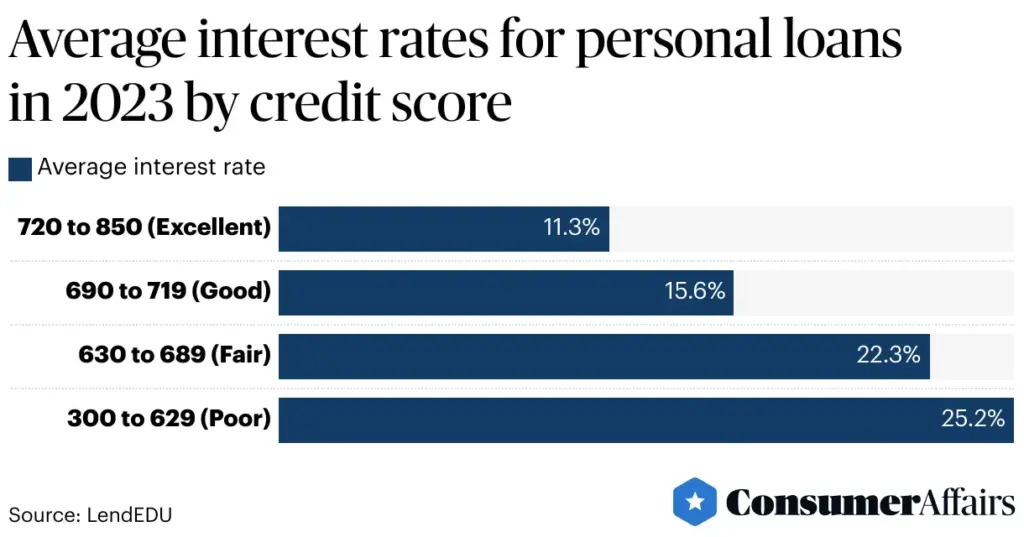
Many people believe that interest rates are the same for all credit cardholders, but in reality, this is far from the truth. Lenders evaluate each applicant’s credit history and score to determine the level of risk involved in granting credit. Generally, those with higher credit scores qualify for lower interest rates, while those with lower scores may face much higher rates.
Improving your credit score can, therefore, lead to favorable interest rates, ultimately lowering the costs associated with carrying credit card debt. This is why it’s vital for consumers to monitor their credit scores and take steps to improve them, such as making timely payments and minimizing credit utilization.
Frequently Asked Questions
What are common myths about credit card interest rates?
Common myths about credit card interest rates include the belief that all cards carry high rates, that only minimum payments are required, and that closing accounts can lower interest rates. Understanding these myths can help consumers make informed decisions and manage their credit more effectively.
How do credit card interest rates work?
Credit card interest rates are typically calculated as annual percentage rates (APRs). These rates can be variable, meaning they can change based on your payment history or market conditions. It’s essential to know whether your card has a fixed or variable rate and how interest accrues over time.
Can I lower my credit card interest rates?
Yes, you can lower your credit card interest rates by negotiating with your credit card issuer, improving your credit score, or applying for a new card with better rates. Additionally, making timely payments and reducing your outstanding balance can also lead to lower interest rates.
How do credit scores affect credit card interest rates?
Your credit score plays a crucial role in determining your credit card interest rates. Higher credit scores generally qualify you for lower interest rates, while lower scores can result in higher rates. Maintaining a good credit score can help you secure better financial terms on your credit cards.
Do balance transfers lower credit card interest rates automatically?
Not necessarily. While many credit cards offer promotional rates for balance transfers, it’s crucial to understand the terms. After the promotional period, your interest rate may increase significantly, and there may be fees associated with the transfer. Always evaluate the overall benefits before proceeding.
Are all credit card interest rates the same for every cardholder?
No, credit card interest rates vary among cardholders based on individual creditworthiness and history. Each issuer determines rates based on assessments of risk, which often means those with better credit scores receive more favorable rates compared to those with poorer scores.
| Myth | Fact |
|---|---|
| All Credit Cards Have High-Interest Rates | Interest rates vary significantly depending on the card type and issuer; not all cards have high rates. |
| Paying the Minimum Due Is Enough | Paying only the minimum leads to more interest paid over time; it’s better to pay more than the minimum. |
| Interest Rates Are Fixed | Many credit cards have variable rates that can change based on creditworthiness. |
| Closing a Credit Card Reduces the Interest Rate on Remaining Cards | Closing a credit card can negatively impact your credit score, potentially increasing rates. |
| Balance Transfers Automatically Lower Your Interest | Promotional rates may end, and fees can offset any savings from transferring balances. |
| Credit Card Interest Is Always Compounded Daily | Some cards charge monthly, so check your card’s compounding method. |
| Using a Credit Card Means You’ll Go into Debt | Managed correctly, credit cards can build credit without leading to debt. |
| Interest Rates Are the Same for All Cardholders | Rates vary based on individual credit histories; better scores lead to lower rates. |
Summary
Credit card interest rates often foster confusion due to numerous myths surrounding them. One common misunderstanding is that all credit cards come with high-interest rates, while in reality, many offer lower rates depending on the card type and the user’s creditworthiness. Clarifying these misconceptions allows consumers to make informed decisions about credit card usage. Understanding how payments, interest calculations, and credit history affect credit card interest rates can empower individuals to manage their finances more effectively. By being aware of the facts and keeping informed about credit terms, one can leverage credit cards as beneficial financial tools without falling into the traps of high-interest debt.