
Listen to this article
David Lammy, the esteemed Justice Secretary, has made headlines recently by blocking the transfer of a notorious killer, Jake Fahri, to an open prison. Fahri, who was sentenced to life for the tragic murder of 16-year-old Jimmy Mizen, has been accused of creating rap music glorifying violence and crime. With public safety at stake, Lammy’s decision is being hailed as a crucial move amidst ongoing debates in justice news UK regarding open prison policies. Critics have argued that allowing such individuals to transition to a less secure environment could endanger the community. As reactions unfold, the music and crime narrative intertwined with Fahri’s case continues to provoke widespread discussion about the consequences of criminal behavior on public perception and safety.
In the realm of criminal rehabilitation, the recent actions of David Lammy have sparked significant dialogue surrounding the treatment of violent offenders. Following the news involving Jake Fahri, who infamously gained notoriety for his involvement in the Jimmy Mizen case, questions about justice and societal reintegration surface. The decisions made by authorities regarding open prison placements for serious offenders raise concerns about public perception and the implications of their past actions. With growing attention on how music may relate to crime, Lammy’s stance emphasizes a broader inquiry into the policy measures that govern such delicate circumstances. This ongoing discussion of justice and rehabilitation remains critical in ensuring the safety and well-being of communities throughout the UK.
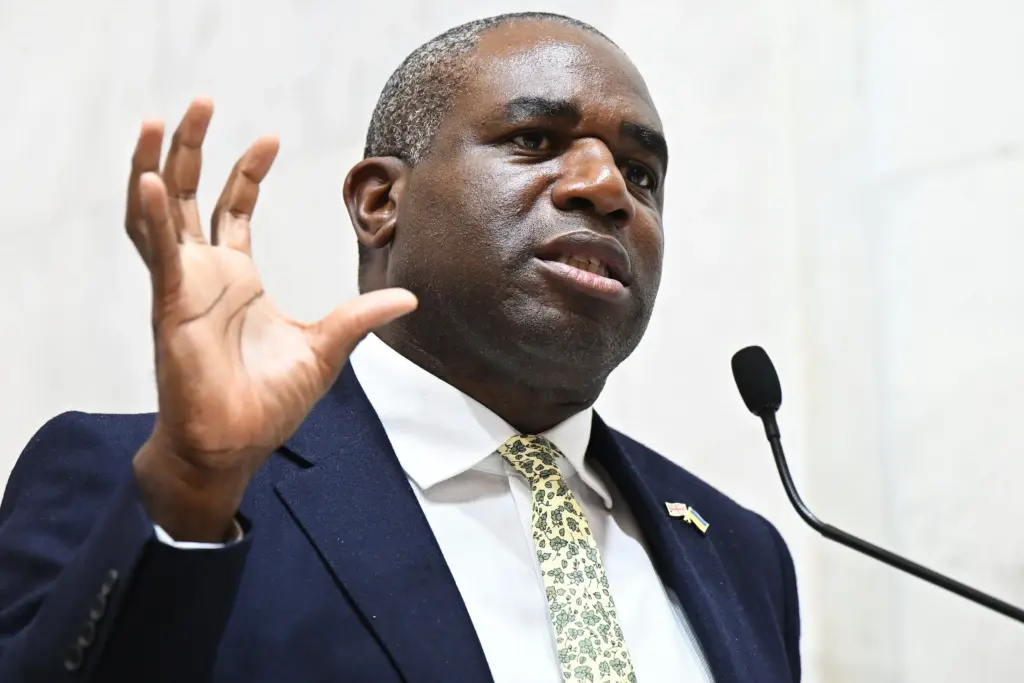
David Lammy Takes a Stand Against Open Prison Transfer
Justice Secretary David Lammy recently made headlines by blocking the transfer of convicted murderer Jake Fahri to an open prison. Fahri, who is notorious for his role in the tragic murder of 16-year-old Jimmy Mizen, has been under scrutiny for his decision to produce rap music about the incident. Lammy’s intervention underscores the importance of public safety in the context of justice news in the UK, as it reflects a growing concern over how the criminal justice system manages offenders who continue to glorify their past actions through music and media.
By halting Fahri’s potential move to an open prison, Lammy aims to protect the community and set a precedent for handling similar cases. The decision to deny Fahri this opportunity has sparked significant discussions about the risks associated with open prison policies, especially for individuals with violent histories. Lammy’s approach not only brings attention to the concerns surrounding public safety but also emphasizes the importance of accountability for past crimes, especially in light of the emotional impact on victims’ families.
Frequently Asked Questions
What recent news involves David Lammy and Jake Fahri’s prison transfer?
Justice Secretary David Lammy recently intervened to block the transfer of killer Jake Fahri to an open prison after it was discovered that Fahri had been producing rap music about the murder of 16-year-old Jimmy Mizen. Lammy’s decision was motivated by concerns for public safety.
Why did David Lammy refuse to allow Jake Fahri’s transfer to an open prison?
David Lammy refused to permit Jake Fahri’s transfer to an open prison due to ongoing concerns for public safety, particularly after Fahri was found creating drill music referencing his crime, which raised alarms about his rehabilitation and attitude towards his past actions.
How does the case involving David Lammy relate to the Jimmy Mizen case?
David Lammy’s decision regarding Jake Fahri directly connects to the Jimmy Mizen case, as Fahri was sentenced for Mizen’s murder in 2008. Lammy emphasized public protection in his ruling, reflecting the ongoing impact of the tragic crime on Mizen’s family and community.
What are the implications of the Parole Board’s recommendation regarding Jake Fahri’s transfer?
The Parole Board’s recommendation to transfer Jake Fahri to an open prison, which David Lammy ultimately blocked, was based on their belief that he needed to reflect on his past behaviors. However, Lammy’s reversal highlights the justice system’s complex balance between rehabilitation and public safety.
What was the public reaction to David Lammy’s intervention in the Fahri case?
David Lammy’s intervention received support from the family of Jimmy Mizen, especially his mother Margaret Mizen, who appreciated the decision to prevent Fahri’s transfer to an open prison. She expressed that this move was necessary given Fahri’s apparent lack of remorse and unchanged attitude.
What issues have arisen regarding open prison policies following Lammy’s decision?
David Lammy’s blocking of Jake Fahri’s transfer to an open prison raises significant questions about open prison policies and their effectiveness in ensuring public safety. This case highlights potential flaws in how dangerous individuals are assessed for rehabilitation within the open prison system.
How does the music produced by Jake Fahri impact the public’s perception of his rehabilitation?
The rap music created by Jake Fahri, particularly tracks about the murder of Jimmy Mizen, negatively impacts public perception regarding his rehabilitation. David Lammy’s actions indicate a broader concern that such music could glorify violence and undermine the seriousness of his past crime.
What lessons can be learned from the David Lammy and Jake Fahri case regarding justice and public safety?
The case involving David Lammy and Jake Fahri illustrates the need for careful consideration of public safety in the justice system, particularly in how individuals like Fahri are managed post-release. It emphasizes the importance of accountability and transparency in rehabilitation efforts.
| Key Points | Details |
|---|---|
| Blocked Transfer to Open Prison | Justice Secretary David Lammy intervened to block the transfer of Jake Fahri, a murderer, to an open prison. |
| Background of the Case | Fahri was sentenced to life for the murder of 16-year-old Jimmy Mizen in 2008 and received a minimum term of 14 years. |
| Musical Controversy | Fahri was found to be releasing drill music about his crime under the name Ten, leading to public outrage. |
| Parole Board Recommendation | Despite the controversy, the Parole Board had recommended a transfer to open prison, citing a need for reflection. |
| Public Response | Margaret Mizen, Jimmy’s mother, welcomed Lammy’s decision, emphasizing Fahri’s lack of change and dishonesty. |
| Current Status | Fahri remains under recall with ongoing discussions about his music and behavior while on license. |
Summary
David Lammy has taken decisive action to block the transfer of convicted murderer Jake Fahri to an open prison, highlighting the importance of public safety in matters of justice. This intervention comes amidst serious concerns over Fahri’s continued engagement with music that glorifies violence and his previous failure to be honest with authorities. The decision reflects a commitment to upholding justice and protecting the community, especially given the tragic backstory involving the young victim, Jimmy Mizen. Public reactions, particularly from Mizen’s family, underscore the emotional weight of this decision and its broader implications for how serious offenders are treated in the justice system.