Listen to this article
One of Britain’s greatest living artists is coming back to London — and his return to the capital’s gallery scene is one of the most anticipated cultural events of 2026. David Hockney, the Bradford-born painter, draughtsman, printmaker, and polymath, will have a major new exhibition of recent works displayed at the Serpentine North gallery in Kensington Gardens, marking the Serpentine’s first-ever dedicated Hockney show.
At an age when most people have long since retired, Hockney continues to create prolifically, with an enthusiasm and curiosity about the world that shows no sign of dimming. The new London exhibition will showcase recent work — colourful, joyful, and technically inventive — that demonstrates exactly why Hockney remains one of the most important and beloved artists in the world.
Who Is David Hockney?
For those who need a brief introduction to one of the twentieth and twenty-first century’s towering creative figures: David Hockney was born in Bradford in 1937 and studied at the Royal College of Art in London during the early 1960s — a period of extraordinary creative ferment that also produced the British Pop Art movement with which Hockney is often, if somewhat reductively, associated.
His career spans more than six decades and encompasses an extraordinary range of work — from the iconic swimming pool paintings of his California years (among which A Bigger Splash is perhaps the most famous painting by a living British artist), to his experimental photo collages of the 1980s, his exuberant landscapes of his native Yorkshire, his Opera designs, and his groundbreaking iPad drawings that demonstrated how a 70-something artist could embrace and transform new technology.
Hockney has lived and worked in California, London, and Normandy over the course of his career. Now approaching his late eighties, he remains — by every account — creatively hyperactive, intellectually curious, and absolutely committed to the act of looking at and representing the world around him.
What Will Be in the Exhibition?
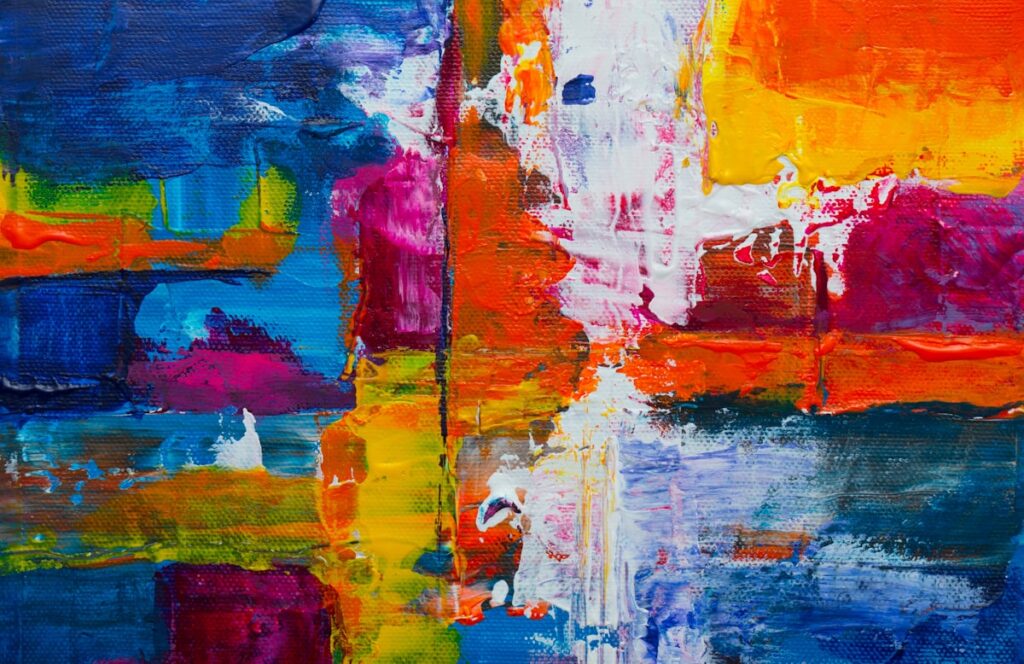
The Serpentine exhibition will feature recent works — paintings, drawings, and digital works created in the past few years, many of which have not previously been exhibited in the UK. Hockney has spoken extensively in recent years about his interest in light — specifically the quality of light in different seasons and at different times of day — and many of his most recent works engage with this theme in his characteristically vivid, luminous way.
The Serpentine North gallery — the former tea pavilion in Kensington Gardens — is an intimate and architecturally distinctive space that provides a wonderful backdrop for work on this scale. Unlike the vast white-cube spaces of some London galleries, the Serpentine’s pavilion setting brings the outside world — the trees, light, and landscape of one of London’s finest royal parks — into dialogue with the work on display.
The Serpentine’s First Hockney Show
It is, on the face of it, surprising that it has taken the Serpentine this long to mount a Hockney exhibition. The artist’s connection to London is deep and long-standing, and the Serpentine is one of the city’s most beloved and adventurous galleries. That this is the Serpentine’s first dedicated Hockney show makes the occasion all the more significant — and suggests that both the artist and the institution have been waiting for exactly the right moment and the right body of work to make it happen.
Why Hockney Still Matters
In an art world that can sometimes seem obsessed with the new — with shock, with conceptual complexity, with work that prioritises intellectual provocation over visual pleasure — Hockney represents something genuinely radical: the belief that looking closely at the world and representing what you see with skill, intelligence, and joy is one of the most profound things an artist can do.
His work is not simple — Hockney has always been a deeply thinking artist, engaged with the history of painting, with questions of perspective and perception, with the ways in which different pictorial traditions have represented the world. But it is also accessible: warm, colourful, full of light and pleasure, inviting viewers in rather than keeping them at a baffled distance.
That combination — intellectual seriousness and genuine visual delight — is rarer than it should be, and it is one of the reasons Hockney’s audiences span generations, backgrounds, and levels of art historical knowledge in a way that very few artists can claim.
Visiting the Exhibition
The Serpentine North gallery is located in Kensington Gardens, W2, easily accessible from Hyde Park Corner (Victoria, Piccadilly lines) or Lancaster Gate (Central line) Tube stations. Entry to Serpentine exhibitions is always free — one of London’s most generous cultural offerings. The gallery is open Tuesday to Sunday.
Given the anticipated popularity of this exhibition, early visits are recommended to avoid the largest crowds. The Kensington Gardens setting also makes a visit a wonderfully pleasant experience in spring — combine it with a walk through the park and the season’s first blooms for one of London’s great affordable pleasures.
Hockney at the Serpentine is not to be missed. Go early, go often, and take the people you love.