
Listen to this article
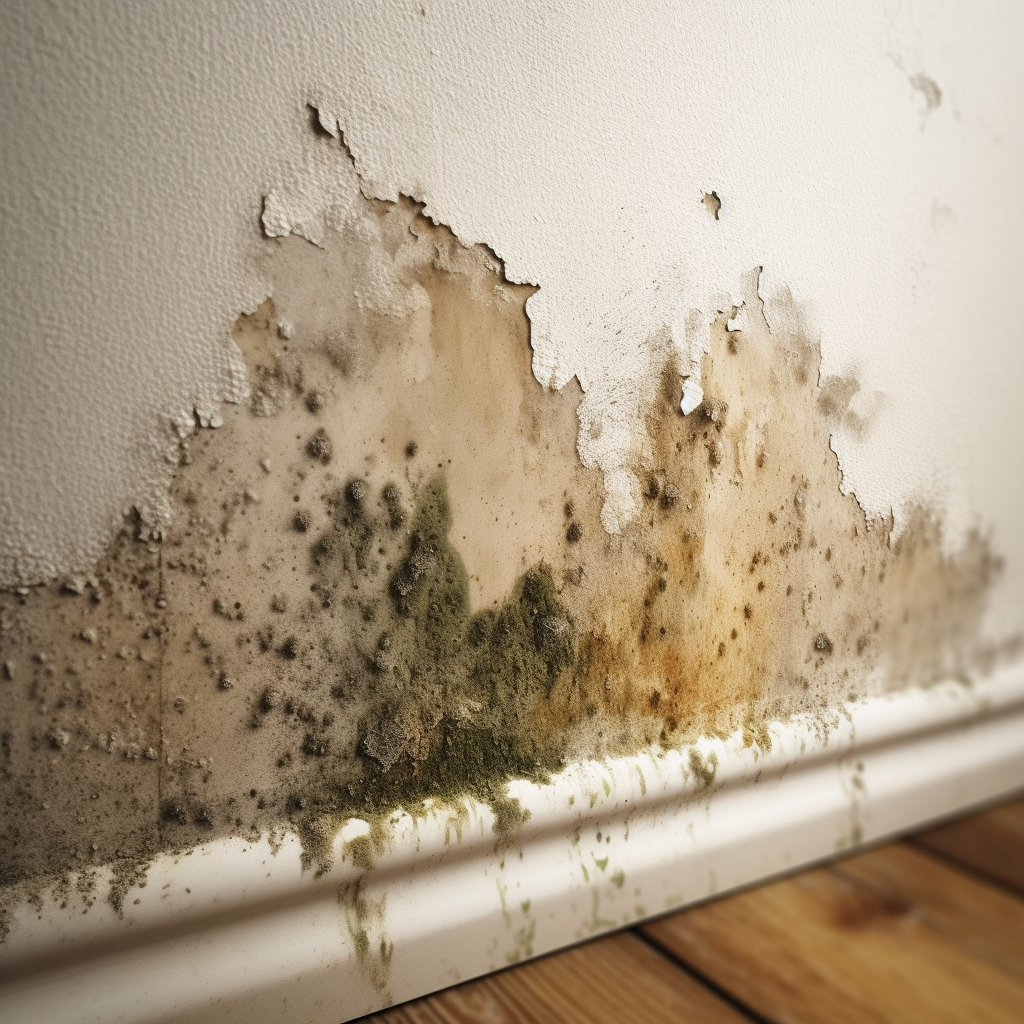
Damp and mould issues are becoming an increasingly urgent concern for tenants and families living in inadequate housing across London, particularly in communities like Hackney. This topic gained heightened attention following a coroner’s investigation into the tragic death of a six-month-old infant, which underscored the harsh realities of property disrepair and poor living conditions. The coroner called for private landlord accountability, highlighting the dangerous prevalence of mould in dwellings that could lead to severe health risks, particularly among vulnerable populations such as infants. As stated in the coroner’s report on housing conditions, the need for improved housing standards is critical to prevent further tragedies. With rising demands for safer and healthier homes, it is vital for local authorities and property companies to take immediate action against damp and mould issues to ensure the well-being of all residents.
Contaminants like mould can lead to serious health complications, especially in children, which makes addressing property disrepair imperative. The dire living conditions often reflect broader issues within urban housing systems, pointing to the necessity for urgent reform in private rental policies. In many cases, families face significant obstacles when seeking assistance from local authorities, as seen in recent reports involving housing crises tied to inadequate living environments. The implications of poor housing extend beyond mere discomfort; they can influence family health and safety drastically. Therefore, understanding the broader context of housing disrepair is essential to fostering better outcomes for those affected.
Understanding the Impact of Damp and Mould Issues in Housing
Damp and mould issues are increasingly recognized as significant health risks in residential properties, especially in areas like Hackney where housing conditions often fall short of acceptable living standards. These conditions can cause a multitude of health problems, particularly in vulnerable populations such as infants and young children, who are more susceptible to respiratory issues and allergies. The recent case involving the tragic death of baby Abdullah Ali highlights the severe implications of neglect in property management when it comes to damp and mould. The coroner’s emphasis on the need for action from property companies reminds us that effective regulation and maintenance are critical to safeguarding tenant health.
Moreover, prolonged exposure to damp and mould can lead not only to physical ailments but also to psychological distress among occupants. The stress of living in environments rife with disrepair impacts the mental well-being of families, further exacerbating their already challenging situations. With landlords like Granddwell Estates owning multiple properties in areas like Hackney, the accountability of private landlords comes into question, as their failure to maintain suitable living conditions can lead to devastating consequences for the most vulnerable tenants.
The Urgent Need for Private Landlord Accountability
The accountability of private landlords has become a pressing issue in the context of deteriorating housing standards in cities like London. The coroner’s report on baby Abdullah’s death serves as a wake-up call for landlords who prioritize profit over tenant welfare. With properties often left in disrepair, as highlighted by the pest infestations and structural issues found in Abdullah’s home, it is vital for regulatory bodies to impose stricter measures on landlords. Failure to comply with health and safety regulations not only endangers tenants but can also have broader implications for public health.
Local authorities, such as Hackney Council, are taking steps to address these systemic issues through enforcement of landlord licensing schemes. These initiatives aim to ensure that landlords are held accountable for the conditions of their properties and required to undertake necessary repairs. By expanding these measures, local governments can better protect vulnerable families from the consequences of property disrepair and enhance overall housing standards across the community.
Investigating the Coroner’s Report on Housing Conditions
The coroner’s report regarding the housing conditions faced by Abdullah Ali’s family sheds light on the alarming reality of many privately rented homes in Hackney. While the coroner concluded that the cause of death was not directly linked to the poor housing conditions, the observations made during the inquest serve as a critical reminder of the interconnectedness between housing quality and tenant health. The report illustrates the inadequate living environments that many families endure, highlighting pressing issues like overcrowding, unhealthy mould levels, and the ongoing challenges of living in disrepair.
Furthermore, the findings prompt further inquiry into the broader implications of inadequate housing conditions on public health. In cases like this, where an infant’s life was lost amid systemic failures, there is an urgent need for ongoing evaluation and reform of housing policies. Local authorities, in collaboration with public health officials, must address these pressing issues to prevent future tragedies and ensure that all residents have access to safe, healthy living conditions.
Housing Demand and its Impact on Vulnerable Families
The housing demand in Hackney currently stands at a crisis point, with many families struggling to find safe and suitable homes. This situation is exacerbated by the lack of available social housing, leading to families being forced into substandard private rentals. The plight of Abdullah’s family, denied the opportunity to relocate to a council home due to residency regulations, underscores the significant barriers vulnerable families face when seeking stable housing solutions. The entanglement of policy constraints with the realities of private landlord neglect creates an untenable situation for many.
Moreover, the rising competition for limited housing resources often results in families making compromises on living conditions, tolerating issues like damp and mould simply because they are out of options. The lack of alternatives forces many residents to endure deteriorating living conditions, which can have long-term physical and mental health consequences. To effectively address these challenges, it is imperative for local authorities to adapt their housing policies to ensure fair access and protect residents from the inadequacies of private rental markets.
The Role of Hackney Council in Addressing Housing Disrepair
Hackney Council plays a crucial role in combating the issues surrounding property disrepair and substandard housing conditions in the area. Their commitment to enhancing housing standards included issuing notices to landlords like Granddwell Estates to rectify the disrepair and unhealthy living situations noted in the coroner’s findings. This proactive approach aims to mitigate the impact of inadequate housing on tenants and establish a framework for responsible property management among landlords in the borough.
Additionally, the Council’s pledge to strengthen enforcement of housing standards through licensing schemes demonstrates their dedication to protecting vulnerable residents. By increasing scrutiny on private landlords, Hackney Council seeks to foster a more accountable rental market and prevent incidents like the one that led to Abdullah’s tragic death. Continuous efforts to review and improve support for families facing housing crises are essential to creating a safer, healthier living environment for all residents.
Advocating for Families in Housing Crisis Situations
Advocating for families, particularly those facing severe housing crises, is vital to fostering a supportive community environment. Nonprofit organizations and community groups can play an essential role in raising awareness about tenant rights and the resources available for families living in disrepair. By mobilizing community support and resources, families can be empowered to advocate for themselves, ensuring that their voices are heard in discussions surrounding housing policy and local governance.
In addition, successful advocacy can also shine a spotlight on systemic issues related to housing disrepair and push for comprehensive reform. Engaging residents in community dialogues allows for shared experiences to be communicated and offers a platform for proposing strategic changes to local housing policies. Ensuring that families are not only protected but have agencies to influence the conditions under which they live is crucial for long-term improvement in housing quality.
The Importance of Regular Property Maintenance
Regular property maintenance is a fundamental responsibility for landlords, particularly in private rental markets where tenants often depend on their landlords for safe living conditions. Neglecting routine checks for issues such as damp and mould can lead to significant health risks and costly repairs down the line. As demonstrated in the case of Abdullah Ali, the ramifications of failing to address these issues can result in tragic outcomes. Landlords must prioritize maintenance to not only protect their investments but also safeguard the health and well-being of their tenants.
Incorporating regular inspections and improvements into a property’s management plan is essential for prudent property management. By proactively addressing maintenance concerns, landlords can prevent small issues from escalating into major health risks, ultimately benefitting both tenants and their own financial interests. Building a transparent communication channel between landlords and tenants also ensures that any issues reported are promptly taken care of, demonstrating a commitment to tenant welfare and responsible property management.
Legislative Changes to Improve Housing Standards
There is an increasing call for legislative changes aimed at improving housing standards and holding landlords accountable for property conditions. The tragic inquest into Abdullah’s death serves as a critical reminder of the urgent need for reforms that protect tenants from unsafe housing situations. Lawmakers and housing advocates must collaborate to reshape policies that currently hinder effective accountability measures for private landlords and improve living standards across the board.
Comprehensive reforms could include enforcing stricter guidelines for maintaining rental properties, introducing harsher penalties for landlords who fail to comply, and ensuring that tenants have clear channels through which to report issues. Legislative changes must aim not only to protect individual families but also to elevate the overall quality of housing within communities, particularly in high-demand areas like Hackney where tenants often feel the brunt of inadequate housing policies.
Moving Towards Safer Housing Solutions in Hackney
Safer housing solutions in Hackney require a multi-faceted approach that incorporates community engagement, local authority intervention, and active landlord accountability. The community must come together to advocate for better living conditions, while local authorities like Hackney Council improve support systems to assist families in need. By working collaboratively, these entities can create a more robust framework for tackling damp and mould issues, ensuring that future generations do not suffer the same fates as those like baby Abdullah.
Furthermore, expanding affordable housing options is paramount to addressing the crisis. Local authorities should consider innovative solutions to increase the number of safe homes available to families, which includes enhancing social housing opportunities and ensuring that vulnerable populations have access to adequate support resources. Together, these measures will pave the way for significant improvements in housing conditions and foster healthier living environments for the residents of Hackney.
Frequently Asked Questions
What are the implications of damp and mould issues in private rental properties?
Damp and mould issues in private rental properties can lead to serious health concerns, particularly for vulnerable populations such as infants and children. The presence of mould often indicates underlying property disrepair, which can also contribute to respiratory problems and skin irritation. It’s essential for landlords to address these issues promptly to ensure tenant safety and compliance with housing regulations.
How can tenants hold private landlords accountable for damp and mould issues?
Tenants can hold private landlords accountable for damp and mould issues by documenting the conditions in their rental property, including taking photographs of any visible mould or signs of damp. They should report these issues to their landlord in writing, referencing property disrepair laws. If unresponsive, tenants may contact local housing authorities or advocacy groups for support in enforcing housing standards.
What role does local government play in addressing damp and mould issues in housing?
Local governments play a critical role in addressing damp and mould issues by implementing housing standards and conducting inspections. They also assist families facing severe disrepair, such as excessive mould or overcrowding, to ensure safe living conditions. In Hackney, for instance, the council has been proactive in enforcing regulations against private landlords to protect tenants from unhealthy living environments.
How do damp and mould issues relate to health investigations in housing cases?
Damp and mould issues have been linked to health investigations in cases like that of the unfortunate passing of Abdullah Ali. While the coroner concluded that his death was due to natural causes, the investigation into his home’s conditions highlighted serious concerns about health impacts related to housing disrepair. The presence of mould can exacerbate health conditions and is often scrutinized in cases of unexplained health incidents.
What steps can landlords take to prevent damp and mould issues in their properties?
Landlords can prevent damp and mould issues by conducting regular property maintenance, ensuring proper ventilation, and addressing leaks and water ingress promptly. They should also implement energy-efficient measures to reduce condensation and monitor humidity levels within properties. By being proactive, landlords can mitigate the risk of tenant health issues while maintaining property standards.
What are the legal obligations of landlords regarding damp and mould issues?
Landlords are legally obligated to ensure their properties meet health and safety standards, which includes addressing damp and mould issues. Under the Housing Health and Safety Rating System (HHSRS), landlords must take action to rectify conditions that may pose a risk to tenant health. Failing to remedy such disrepair can lead to penalties and further legal action.
What support is available for families living in properties with damp and mould issues?
Families residing in properties with damp and mould issues can seek assistance from local housing authorities, who may provide guidance on securing emergency housing if conditions are deemed unbearable. Additionally, organizations focused on housing rights can offer legal advice and support to advocate for healthier living environments. Local councils also provide resources to help families navigate their housing options.
Why is there a rising concern about damp and mould issues in Hackney housing conditions?
The rising concern about damp and mould issues in Hackney housing conditions stems from a significant increase in demand for housing coupled with a shortage of available safe accommodations. Many families are forced into poorly maintained rental properties, which leads to health risks and advocacy for better standards. The tragic incident involving Baby Abdullah illuminated these challenges, pushing for stronger accountability from private landlords.
| Key Point | Details |
|---|---|
| Coroner’s Urging Action | A coroner urged a property company in London to address damp and mould following the inquest into an infant’s death. |
| Infant’s Death Circumstances | Six-month-old Abdullah Ali died from encephalitis after contracting chickenpox; the death was ruled natural causes. |
| Conditions of the Home | The infant’s home was found with significant damp and mould issues, with the family living in overcrowded conditions. |
| Landlord’s History of Disrepair | The landlord, Granddwell Estates, had a history of not addressing property disrepair, including mould and a mouse infestation. |
| Support from Hackney Council | After the incident, Hackney Council stated their commitment to enforcing housing standards and support for families living in unacceptable conditions. |
Summary
Damp and mould issues are serious concerns in housing that can lead to significant health impacts, as highlighted by the tragic case of infant Abdullah Ali. The coroner’s inquest revealed not only the circumstances surrounding his death but also the dire living conditions posed by damp and mould within the home. This case underscores the urgent need for accountability among landlords to ensure safe living environments for families, as both the local council and the coroner have called for improvements in housing standards to prevent similar tragedies in the future.