Listen to this article
The customs union is a pivotal concept in discussions surrounding post-Brexit Britain, particularly as economic growth remains a key concern for policymakers. Prominent figures, like Labour Party leader Sir Keir Starmer, have reaffirmed their stance against rejoining the EU customs union, despite arguments suggesting that such alliances can bolster economic performance. Deputy Prime Minister David Lammy highlighted Turkey’s successful economic growth by being part of the EU customs union, illustrating the potential benefits that opponents of Brexit frequently cite. While Labour maintains its position against this notion, focused instead on developing bespoke side-deals with the EU to address specific needs, the conversation around customs unions continues to heat up. This ongoing discourse is critical as the government navigates the complex waters of trade relations and economic strategy in the wake of the Brexit impact.
When examining the framework of trade relationships, the notion of a trade partnership akin to a customs union plays a significant role in forming economic policies. This relationship often leads to improved trade efficiency and can be seen as an avenue for enhancing national prosperity. As discussions unfold regarding Brexit and its consequences, the focus on creating effective economic policies without rejoining existing unions helps define the Labour Party’s strategy. Politicians are exploring alternative agreements that could result in significant rewards for the UK economy, emphasizing the necessity of tailored trade arrangements and strategic partnerships with EU counterparts. The evolving dialogue around trade integration is essential for understanding how the UK will approach its economic future post-Brexit.
The Significance of the EU Customs Union for Economic Growth
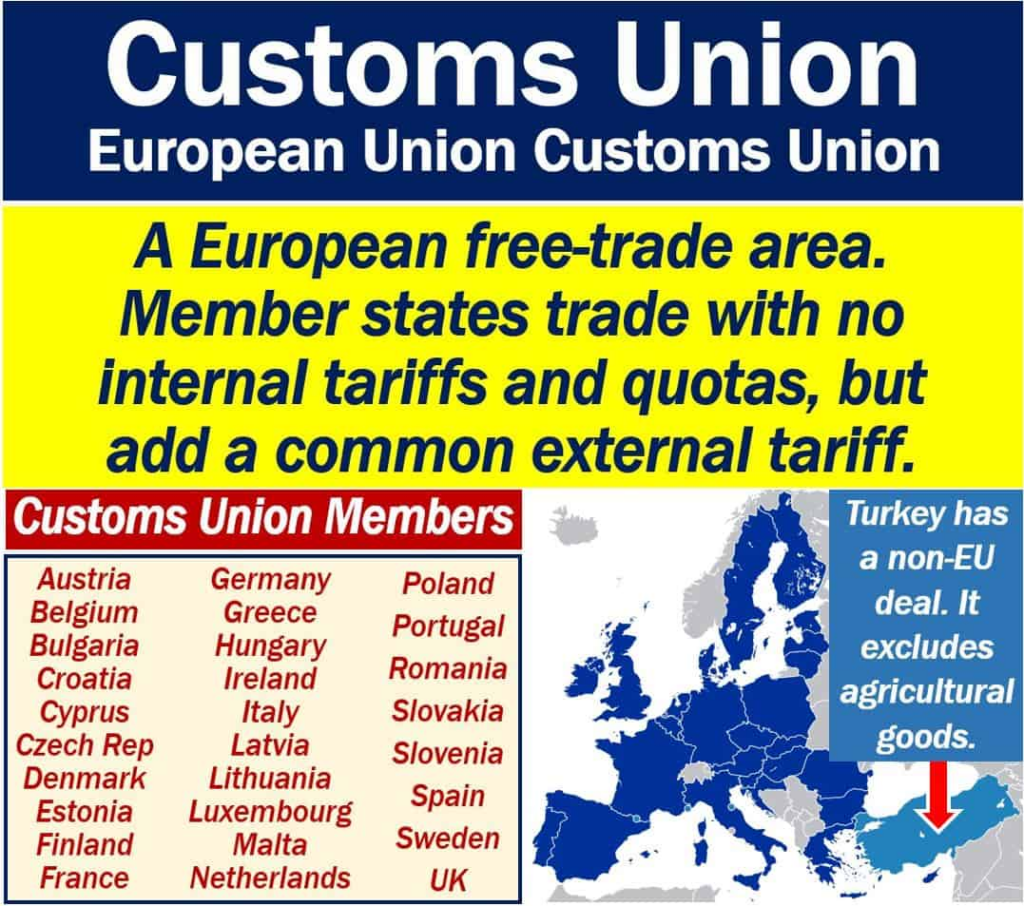
The EU customs union is an essential framework that facilitates seamless trade between member states by removing tariffs and standardizing regulations. Countries within the customs union typically enjoy increased economic growth as they benefit from easier access to markets, bolstered competitiveness, and an influx of investments. For instance, Turkey’s economic progress is often cited as an example of how participation in a customs union can stimulate growth, showcasing the potential advantages for the UK if it reevaluates its current stance on trade relationships in the post-Brexit landscape.
Acknowledging these economic benefits, there is an ongoing debate about the implications of Brexit on the British economy. Proponents of rejoining the customs union argue that it could mitigate the adverse effects Brexit has had on trade and economic stability. However, Labour leader Sir Keir Starmer remains firm that rejoining the customs union is not part of Labour Party policy, emphasizing the need for strategic side-deals with the EU to navigate the complexities of post-Brexit trade.
Frequently Asked Questions
What are the implications of the EU customs union on economic growth?
The EU customs union facilitates trade among member states by removing tariffs and standardizing regulations, which can enhance economic growth. This has been highlighted by figures such as Deputy Prime Minister David Lammy, who noted that countries within customs unions often experience economic benefits. However, the UK government, under Labour’s current policy, does not plan to rejoin the EU customs union.
How does Brexit impact the UK’s relationship with customs unions?
Brexit has fundamentally changed the UK’s relationship with customs unions, specifically the EU customs union, from which it has officially withdrawn. This shift has sparked discussions about the economic repercussions and potential alignment through alternative agreements or side-deals, as Labour’s policy emphasizes creating new economic ties without rejoining the customs union.
What is Labour’s policy regarding the EU customs union post-Brexit?
Labour leader Sir Keir Starmer has reiterated that the party’s current policy explicitly rules out rejoining the EU’s customs union or the single market. Instead, Labour is focusing on negotiating side-deals with the EU to establish favorable terms on issues like food standards and trade.
What are side-deals with the EU in relation to customs unions?
Side-deals with the EU refer to specific agreements outside the main customs union arrangements that the UK government is exploring to maintain beneficial trade relations. These may cover areas like carbon pricing and electricity trading, aimed at addressing economic concerns arising from Brexit without fully rejoining the EU customs union.
Are there calls for a customs union vote in the UK Parliament?
Yes, the Liberal Democrats are advocating for a parliamentary vote on the customs union, leveraging comments made by Deputy Prime Minister David Lammy about economic growth linked to customs unions. This proposal aims to address the pressing economic challenges Britain faces post-Brexit.
What are the potential economic benefits of rejoining the customs union?
Rejoining the customs union, such as the EU customs union, could theoretically reinstate tariff-free trade and streamline regulations, which may boost economic growth. However, current political leadership, including Labour’s Sir Keir Starmer, has ruled out this option, focusing instead on creating other economic ties and partnerships.
How does the Labour party view customs unions in their economic strategy?
The Labour party, under Sir Keir Starmer’s leadership, views the customs union as a concern that is settled by their commitment to not rejoin it. The party is working on alternative strategies, such as side-deals with the EU to foster economic growth and address specific trade concerns without full membership in the customs union.
What benefits could Turkey’s customs union with the EU provide as an example for the UK?
Turkey’s customs union with the EU has allowed for increased economic growth due to reduced trade barriers. This example is often cited in discussions about the potential benefits of customs unions. However, for the UK under current Labour policy, rejoining such a union is not in the plans, but the government is interested in forming new types of agreements.
| Key Points | Details |
|---|---|
| Keir Starmer’s Position | Sir Keir Starmer has reiterated that Labour does not plan to rejoin the EU’s customs union. |
| Comments from David Lammy | Deputy Prime Minister David Lammy stated that countries in customs unions benefit from economic growth, using Turkey’s customs union with the EU as an example. |
| Labour’s Current Policy | Starmer confirmed that Labour’s election manifesto rules out rejoining the customs union and single market. |
| Focus on New Economic Ties | The government aims to create economic links through side-deals, particularly regarding food standards, visas, carbon pricing, and electricity trading. |
| Political Dialogue | The Liberal Democrats are pushing for a customs union vote, urging Lammy to support their proposal to address economic challenges. |
| Government’s Response | A Downing Street spokesperson affirmed their goal of enhancing economic relations while maintaining established red lines. |
Summary
The topic of customs union has garnered significant attention in the political landscape, particularly in the context of Labour’s ongoing discussions about the UK’s relationship with the EU. Despite the call for rejoining from some members of the political spectrum, Keir Starmer has firmly reiterated that Labour’s official stance rejects the notion of rejoining the customs union. This position aligns with their election manifesto and emphasizes the creation of tailored economic ties with the EU, aiming for open trade while navigating existing agreements. As debates on customs union continue, the government’s approach appears focused on forging practical side-deals that could benefit the economy without compromising their key objectives.