Listen to this article
In a dramatic escalation of tensions, the recent US attack on Venezuela has resulted in significant Cuban casualties, with 32 reported deaths of Cuban nationals during air strikes targeting high-value locations linked to Venezuelan President Nicolás Maduro. This military intervention has sparked widespread condemnation from Cuba, which maintains a close alliance with Venezuela and has invested heavily in Maduro’s security apparatus. The Cuban government responded with a declaration of national mourning, underscoring the deepening ramifications of this conflict, not just for Venezuela’s military but also for the geopolitical landscape of the region. As the smoke clears from these US air strikes in Venezuela, analysts are questioning the future of Cuban involvement in Venezuelan security and the implications for US-Cuba relations. With each passing day, the situation remains precarious, raising concerns about further military actions and the fate of the Venezuelan leadership under Maduro’s regime.
In light of the recent hostilities, the US military’s intervention into Venezuelan territory has highlighted the complexities surrounding Cuba’s involvement in Venezuelan affairs. As Cuban forces suffered losses during the offensive against Maduro’s compound, the repercussions extend beyond the immediate violence, shedding light on the fragile relationship between the US and Cuba. The Cuban leadership’s swift condemnation of the attacks reflects not only a commitment to their ally but also raises questions about future military strategies and diplomatic negotiations. As the tensions heighten, the international community watches closely to see how this conflict might influence broader geopolitical dynamics within Latin America. This situation emphasizes the urgent need to address the implications of military actions on national security and foreign relations.
The Recent US Attack on Venezuela: A Closer Look
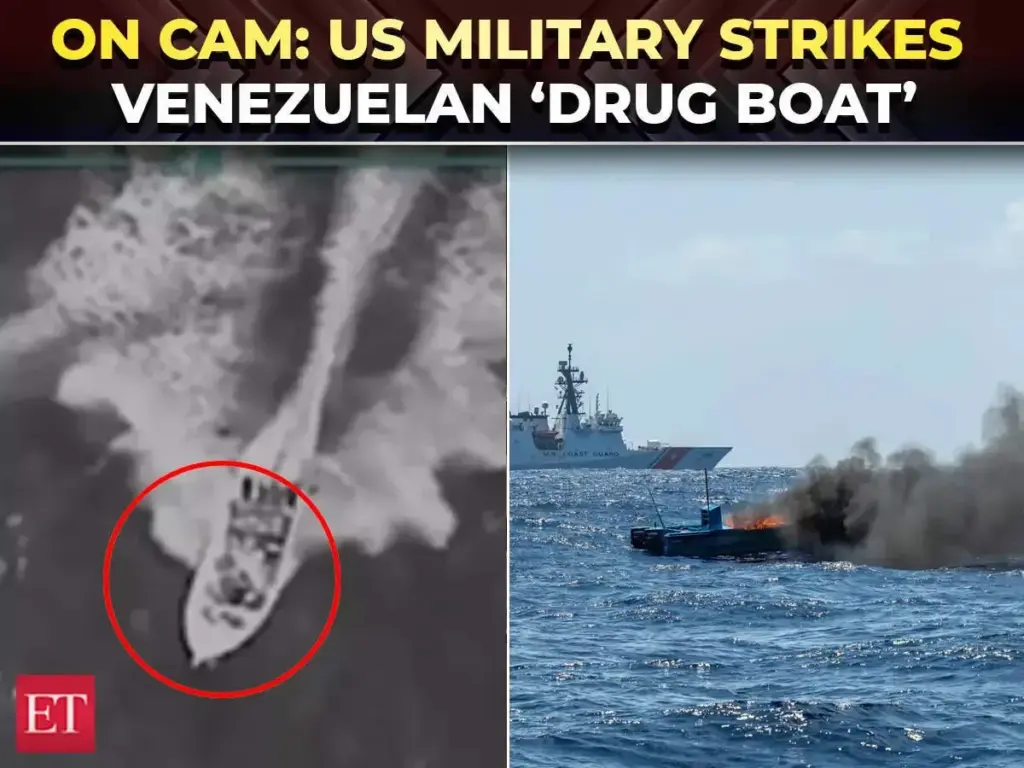
The recent US air strikes on Venezuela, specifically targeting the compound of Nicolás Maduro, marked a pivotal moment in the escalating tensions between the two nations. The operation not only aimed to capture Maduro but also resulted in significant Cuban casualties, with 32 reported fatalities among Cuban military personnel integrated into Venezuelan forces. This sudden and aggressive maneuver raised alarms about the implications for regional stability and the historical ties between Cuba and Venezuela, as Cuban troops have long provided crucial support to Maduro’s regime.
In the aftermath of the strikes, the Cuban government declared a national mourning period, emphasizing the sacrifices made by its citizens who fought valiantly alongside their Venezuelan allies. The conflict highlights the dangers of military intervention in sovereign nations, especially when foreign forces engage with local militias and security entities, which can lead to a tragic loss of life and complicate international relations. The attack is seen as part of a broader strategy by the US to destabilize governments it views as hostile.
Cuban Government Response to Military Casualties
In light of the heavy losses suffered, the Cuban government has reacted with a strong condemnation of the US military actions, framing the deaths of its citizens as martyrdom in the fight against imperialism. President Miguel Díaz-Canel expressed pride in the bravery and commitment of the fallen soldiers, reinforcing Cuba’s narrative that their involvement in Venezuela is a mission to uphold sovereignty against external threats. This incident could potentially rally support for the regime back home, as patriotic sentiments often surge in response to perceived outside aggression.
Furthermore, the Cuban government is likely to use this tragedy to bolster its internal narrative about the dangers posed by US intervention. They point to the long history of US sanctions and military actions that have directly and indirectly affected the Cuban populace. In this context, the government’s statements are designed not only to honor the deceased but also to strengthen their position domestically by portraying the US as a formidable adversary that threatens Cuba’s security and future.
Implications of US Intervention on Cuba’s Military Strategy
The US intervention in Venezuela has raised significant concerns about the possibility of an escalation of military action in the Caribbean, particularly with Cuba. Analysts suggest that such actions could lead to a reevaluation of strategies employed by the Cuban military, which has historically been a key ally of Venezuela. Cuban security officials might accelerate efforts to reinforce their military capabilities, with a focus on intelligence and defense to preempt any potential threats stemming from the US.
Additionally, the reaction from the Cuban government could lead to tighter collaborations with other allied nations. The argument can be made that Cuba might seek to deepen its ties with countries that oppose US foreign policy, thus creating a unified front against perceived aggressors. This dynamic could potentially draw more direct involvement from Cuba in regional conflicts, reflecting a shift in its traditionally defensive military posture.
Nicolás Maduro’s Security: A Target of Foreign Aggression
Nicolás Maduro’s regime has always been under scrutiny, and the recent US airstrikes underscore the precariousness of his security situation. With the US identifying key vulnerabilities, including Maduro’s close security network comprised of Cuban military personnel, these events highlight the risks for authoritarian regimes reliant on foreign military support. The loss of key members of Maduro’s personal security team not only jeopardizes his personal safety but also weakens the overall command structure of the Venezuelan military.
Moreover, as Maduro’s security comes under increasing threat from external forces, it raises critical questions about his government’s stability. The reliance on Cuban military support has historically bolstered Maduro’s regime; however, the current situation necessitates a reassessment within Venezuelan security circles regarding their ability to sustain control without such substantial allyship. As both nations react to this crisis, the future security of Nicolás Maduro remains uncertain.
The Impact of US Airstrikes on Venezuelan Military Morale
Following the airstrikes that claimed the lives of Cuban personnel, the morale of the Venezuelan military is likely to take a hit. With many in Maduro’s security detail now casualties, there will inevitably be a ripple effect on the confidence and resolve of Venezuelan soldiers who have been steadfast supporters of the regime. The strikes serve as a stark reminder of the realities of military engagement and the risks involved for individuals closely affiliated with Maduro’s leadership.
As Maduro reassesses his military’s performance in the wake of such traumatic losses, he may also face internal pressures to initiate changes within the military command or to rethink defense strategies. This situation poses a double-edged sword; while it could galvanize loyalists who view the US intervention as an attack on sovereignty, it could equally provoke dissent within the ranks of the Venezuelan armed forces that may question the efficacy of their strategies or alignments.
Cuba’s Long-standing Military Relationship with Venezuela
The military alliance between Cuba and Venezuela has been a topic of discussion for many years, significantly impacting political dynamics in the region. This relationship originated from Fidel Castro’s support for Hugo Chávez, which has continued under Maduro’s regime. The integration of Cuban military personnel within Venezuelan security services has allowed for significant sharing of tactics, training, and resources, but it also puts Cuban lives at risk when conflict arises, as evidenced by the recent airstrikes.
As the US continues its military pressure on Maduro’s government, Cuba’s commitment to support Venezuela is likely to be tested. The current situation raises questions about the longevity and dependency of this partnership. The Cuban government must navigate the complex landscape of international relations while maintaining its support for Maduro, which involves balancing national interests and the safety of its military personnel integrated overseas.
International Repercussions: US Aggression Against Venezuela
The US strikes on Venezuela not only challenge the regional dynamics of power but also have global repercussions. International reactions will vary, with countries like Russia and China likely to condemn the unilateral action taken by the US, citing sovereignty violations. This incident could alter diplomatic relations, giving rise to new alliances among nations seeking to counter US influence in Latin America.
The broader implication of such military interventions can also lead to increased tensions and a potential arms race within the region, as countries may feel compelled to bolster their defenses against perceived US aggression. Additionally, NGOs and human rights organizations could respond by calling for accountability, voicing concerns over the collateral damage and loss of civilian lives as a result of such military actions.
Cuban Casualties and Their Historical Context
The tragic loss of Cuban lives during the recent US attacks highlights a recurrent theme in the historical context of Cuban military involvement abroad. Since the days of the Cold War, Cuba has often deployed its forces to support allied governments in Latin America and Africa, a practice that has sometimes resulted in heavy casualties. These sacrifices are framed within the narrative of defending socialism and anti-imperialism, creating a complex relationship between Cuba and its allies.
However, the current casualty list may deepen critiques of the Cuban government’s foreign engagements. Detractors may argue that the Cuban leadership prioritizes its ideological commitments over the safety of its military personnel, raising critical questions about the ethics of sending troops into conflicts where the stakes are extraordinarily high. The implications of these actions could resonate domestically, potentially leading to increased scrutiny of the government’s foreign policy choices.
Future of Cuba-Venezuela Relations Post-Attack
The future of Cuba-Venezuela relations is poised for significant transformation in the aftermath of the US attacks and subsequent Cuban casualties. While historically strong, this partnership may need recalibrating, especially as both nations navigate the consequences of US aggression. The Cuban government may intensify diplomatic efforts to reinforce ties with other allies while reassessing its commitment to Venezuelan security, thereby ensuring national interests are preserved amidst mounting pressures.
Moreover, the direct threat posed by US actions will likely cause both nations to seek closer cooperation within their military and intelligence frameworks. The tragedy of the recent airstrikes may lead to a more militarized stance within the Caribbean region as both governments rally their respective populations around a shared narrative of resistance against external influence. In the long run, how Cuba and Venezuela adapt their relationship in light of these challenges will be crucial for understanding future political developments in Latin America.
Frequently Asked Questions
What caused the recent US air strikes on Venezuela and the Cuban casualties?
The recent US air strikes on Venezuela targeted locations associated with Nicolás Maduro’s regime, resulting in the tragic deaths of 32 Cuban nationals. These individuals were reportedly members of the Cuban armed forces and intelligence agencies who were providing support and security to Maduro. The air strikes were part of a military operation aimed at capturing Maduro.
How did the Cuban government respond to the US attack in Venezuela?
In response to the US attack on Venezuela, the Cuban government declared two days of national mourning for the 32 casualties it reported. They characterized the deceased as having fallen in combat and emphasized their dedication to protecting Nicolás Maduro and his administration.
What is the relationship between Cuba’s military and Nicolás Maduro’s security?
Cuba has maintained a close relationship with Nicolás Maduro’s regime, providing military assistance and personal security to Maduro and his family. Many of the Cuban casualties during the US air strikes were part of Maduro’s close security detail, highlighting the integrated military cooperation between Cuba and Venezuela.
Has there been any discussion about a US military intervention in Cuba following the attack on Venezuela?
Following the US air strikes in Venezuela, there has been speculation regarding potential military intervention in Cuba. However, US President Donald Trump indicated that such action was unnecessary, suggesting that the situation in Cuba would naturally resolve itself without direct military involvement.
What impact did the US air strikes have on the public perception of the Cuban government?
The US air strikes have intensified scrutiny on the Cuban government, especially regarding its involvement in Venezuela. US officials have criticized the Cuban regime, describing it as a disaster managed by incompetent leadership, which may heighten concerns among Cuban authorities about their stability and future.
What were the broader implications of the US attack on Venezuela for US-Cuba relations?
The US attack on Venezuela marks a significant escalation in tensions that could further strain US-Cuba relations. Given historical conflicts and the US’s long-standing embargo against Cuba, military actions like these may lead to a reevaluation of US policies towards both Venezuela and Cuba, despite statements suggesting no immediate military actions against Cuba.
How did the US gather intelligence for the operation against Nicolás Maduro in Venezuela?
The US gathered intelligence for the operation against Nicolás Maduro by tracking his movements through spy networks. US military and intelligence officials reported that they had monitored Maduro’s activities for months, and even utilized a informant within Venezuela to pinpoint his location during the attack.
What are the casualties reported after the US air strikes in Venezuela?
Reports following the US air strikes indicate a death toll of at least 80 individuals, with many believed to be part of Nicolás Maduro’s security forces. Cuban sources confirmed that 32 Cubans lost their lives in the operation, underscoring the heavy toll on both nationalities involved in the conflict.
| Key Point | Details |
|---|---|
| US Air Strikes on Venezuela | The US launched air strikes aimed at capturing Nicolás Maduro, resulting in significant casualties. |
| Cuban Casualties | 32 Cubans, mostly military and intelligence personnel, were confirmed dead during the operation. |
| Cuban Government Response | Cuba announced two days of national mourning and spoke of the fallen as having served with honor. |
| Intelligence and Preparation | US General Dan Caine revealed that extensive tracking of Maduro’s movements preceded the attack. |
| Trump Administration’s Stance | President Trump dismissed the need for military action against Cuba, claiming it would fall on its own. |
| Strained US-Cuba Relations | The US has maintained economic sanctions on Cuba, limiting interactions and enforcing travel restrictions. |
Summary
The recent US attack on Venezuela, which resulted in the death of 32 Cubans, raises significant concerns surrounding US involvement in Latin America. This escalation marks a critical moment in the historically strained relations between Cuba, the US, and Venezuela, hinting at potential future operations and the geopolitical ramifications that could unfold as the situation develops.