
Listen to this article
Croxted Road history traces its roots back to medieval pilgrimage routes, offering a fascinating glimpse into South London’s past. Once known as Crokestrete, this winding lane served as a thoroughfare for pilgrims journeying from London to Canterbury, showcasing the rich tapestry of historical roads in London. As travelers navigated through Herne Hill and onto Gipsy Hill, they would have encountered the picturesque scenery that now encompasses modern-day South London landmarks. Today, touring Croxted Road invites visitors to step back in time, pondering the countless stories that echo through its storied path. The road continues to captivate those interested in both local history and the allure of exploration in this vibrant area.
The narrative of Croxted Road serves as a testament to the historical pathways that shaped South London. Referred to in the past as Crokestrete, this ancient route symbolizes much more than just a connection to Gipsy Hill; it represents a journey steeped in tradition and pilgrimage. Local exploration of such thoroughfares not only reveals insights into the past but also highlights the significance of the roads that historically linked communities. Those who seek to discover South London’s hidden gems are drawn to this remarkable thoroughfare, which stands as a gateway to understanding the area’s medieval heritage and its evolution over the centuries. As modern travelers traverse this road, they are reminded of the historical significance that continues to resonate through the landscape.
The Rich History of Croxted Road
Croxted Road holds a special place in the historical roads of London, tracing back to a time when it served as a quaint pilgrimage route. Known as Crokestrete in medieval times, this road provided wandering travelers a path from London to Canterbury. Unlike the bustling streets of today, Croxted Road would have echoed with the sounds of horses’ hooves and the soft murmurs of weary pilgrims. Its history is not merely a tale of a bygone era; it reflects the cultural exchanges and the spiritual journeys that shaped this region of South London.
As we delve deeper into Croxted Road’s past, it reveals connections to significant historical figures and events. Notably, this route was often frequented by generations of pilgrims making their way to Canterbury, a journey that was both a physical and spiritual quest. By following the route, travelers would not only witness the beautiful landscapes but would also immerse themselves in the rich tapestry of South London’s history, making it a landmark of both historical and cultural importance.
Exploring Gipsy Hill: A Historical Landmark
Just beyond Croxted Road lies Gipsy Hill, a location steeped in legend and intrigue. Historically known for its colorful association with the Norwood Gypsies, this hill attracts explorers who are eager to uncover stories of fortune tellers and wanderers from the past. The picturesque views from Gipsy Hill add to its allure, offering a vista that overlooks bustling urban areas whilst retaining a touch of nature’s serenity. For those touring Croxted Road and its surroundings, Gipsy Hill encapsulates the essence of South London’s charm.
Gipsy Hill was not only a gathering place for travelers but also an inspiration for many writers and artists throughout the centuries. Its enchanting landscapes and historical roots serve as a backdrop for creative imaginations. In modern times, it has maintained significance as a residential area and a community hub, where the history meets contemporary life. Exploring Gipsy Hill today allows one to appreciate the juxtaposition of historical pilgrimage pathways with the vibrant community it is today.
Medieval Pilgrimage Routes in South London
The medieval pilgrimage routes are an integral part of South London’s cultural heritage, where every road tells a story of faith and journey. These pathways, including Croxted Road, were essential for pilgrims who sought to connect with their spirituality while navigating the landscapes of the past. Adorned with historical landmarks, these routes are not only important for understanding the spiritual practices of the past but also provide insights into the daily lives of those who traveled them long ago.
Travelers taking the medieval pilgrimage routes today can still experience a sense of the ancient journey. The remnants of these roads, lined with historic architecture and nature, bring to life the experiences of those who sought redemption or enlightenment. In tracing these pilgrimage paths, visitors are afforded a unique perspective on South London’s evolving history, inviting them to reflect on how these roads have transcended time to remain relevant in contemporary exploration.
Landmarks Along Croxted Road
As one journeys along Croxted Road, it becomes evident that this historic thoroughfare is dotted with notable South London landmarks. The road is flanked by impressive Victorian homes, creating a picturesque environment that marries history and architecture. In addition to its residential character, Croxted Road also serves as a conduit to various parks and green spaces, making it a beautiful area for both locals and tourists.
Exploring the landmarks along Croxted Road can be a delightful experience. Historical markers, quaint cafes, and community venues showcase the vibrancy of life along this road, reminiscent of its day as a major route for travelers. Whether one is walking, cycling, or driving, the landmarks and scenery along Croxted Road provide ample opportunity to appreciate the unique tapestry that South London has to offer.
The Scenic Beauty of Croxted Road
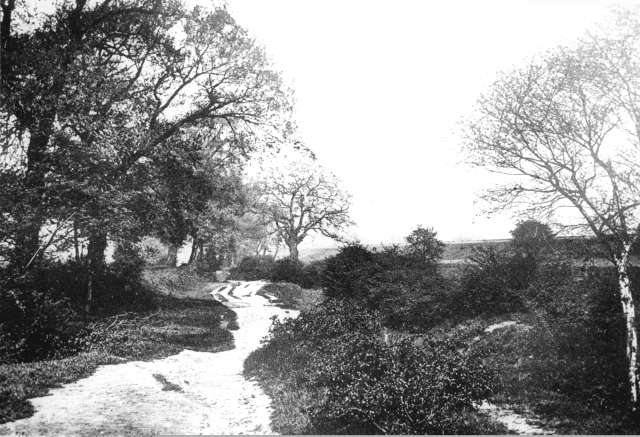
Croxted Road offers a scenic voyage through the heart of South London, where urban life intersects with nature. This road, famed for its distinctive tree canopies and Victorian architecture, creates a quintessential London experience. As one strolls along Croxted Road, the sights, sounds, and scents of the area envelop you, showcasing the region’s rich diversity and aesthetic appeal. From herons fishing by the river to lush greenery, the natural beauty is striking.
Visitors and residents alike can find pockets of tranquility along this road, making it a desirable location for leisurely walks or reflective moments in nature. The juxtaposition of historical elements with modern life enhances the scenic allure of Croxted Road, inviting travelers to slow down and engage with South London’s unique environment. It’s a reminder that amidst the hustle and bustle of urban living, beautiful landscapes are often just a walk away.
Croxted Road: A Route of Reflection
Traveling down Croxted Road is not just a physical journey; it’s an opportunity for reflection on the history and stories that have traversed this path. From its origins as a pilgrimage route to its current status as a residential area, every curve and landmark evokes memories of those who have walked before. For residents, Croxted Road can represent continuity and a connection to the past, emphasizing the importance of preserving such historical trails.
As individuals reflect on their journeys along Croxted Road, they may connect more deeply with their surroundings and the collective history of South London. Each step taken resonates with stories of hope, adventure, and discovery. In this way, Croxted Road serves as a constant reminder of the intertwining of personal stories with the broader narrative of the city.
A Journey Through History on Croxted Road
Embarking on a journey through Croxted Road is an invitation to step back in time. Walking this road allows one to experience the historical significance it has carried over the centuries. Once traversed by pilgrims and travelers, Croxted Road is now a living monument that narrates the evolution of South London from its medieval roots to its contemporary identity. The road serves as a reminder of the importance of preserving these historical pathways in our rapidly changing world.
Exploring the history embedded in Croxted Road reveals layers of cultural interactions. Every building, tree, and pathway holds stories waiting to be uncovered. As modern travelers traverse this road today, they, too, become part of its narrative, interconnected with the generations that came before them, shaping a dialogue between the past and present.
Connecting with Nature on Croxted Road
Croxted Road is uniquely situated to offer both a historical and a natural experience. The areas surrounding the road are rich with parks and green spaces that entice nature lovers and outdoor enthusiasts. Visiting Croxted Road is an opportunity to engage with nature while appreciating the historical context that frames the area. Trails leading into lush greenery echo tales of the past amidst the calming presence of nature.
The blend of historical elements and natural beauty makes Croxted Road a perfect destination for those looking to escape the urban bustle. People can enjoy peaceful walks, reflecting on the history while surrounded by serene landscapes. Whether it’s watching birds in the trees or appreciating the greenery that frames the historical homes, Croxted Road is a place where history and nature exist harmoniously.
Engaging with Local Culture on Croxted Road
Visiting Croxted Road is not only about the scenic and historical significance; it’s also an opportunity to engage with local culture. The road is home to various community activities and events throughout the year, acting as a hub for local gatherings. From artisan markets to cultural festivals, Croxted Road pulses with life, making it an exciting place for visitors and residents alike to immerse themselves in the vibrant South London community.
As travelers explore Croxted Road, they can interact with local vendors and artisans who contribute to the cultural tapestry of the area. This engagement allows individuals to experience South London’s history and contemporary life firsthand, forging connections that transcend the mere act of visiting. Engaging with the local culture enriches the journey and instills a deeper appreciation for the history that has shaped the very fabric of Croxted Road.
Frequently Asked Questions
What is the historical significance of Croxted Road in London?
Croxted Road holds historical significance as it was known as Crokestrete during medieval times, a key route for pilgrims traveling from London to Canterbury. This winding lane was part of the journey that shaped many historical roads in London, connecting important landmarks and reflecting the area’s rich heritage.
How does Gipsy Hill relate to Croxted Road’s history?
Gipsy Hill is directly connected to Croxted Road as it marks the endpoint of the historic path. Once a notorious area for the Norwood Gypsies, Gipsy Hill was a significant landmark for travelers and pilgrims who ventured along Croxted Road during their explorations.
What medieval pilgrimage routes included Croxted Road?
Croxted Road was part of the medieval pilgrimage routes that led to Canterbury. Pilgrims traveling these routes would have navigated along Crokestrete, experiencing the landscape of South London, including historical sites and natural landmarks.
What South London landmarks can be seen along Croxted Road?
Along Croxted Road, you can see a variety of South London landmarks, including Victorian houses and remnants of the natural landscape that once supported local wildlife, such as herons by the river Effra. This area represents the blend of historical and contemporary sites in South London.
How can I explore the history of Croxted Road?
To explore the history of Croxted Road, consider touring the area to appreciate its Victorian architecture and historical context. Visiting nearby landmarks like Gipsy Hill and learning about the medieval pilgrimage routes can also enrich your understanding of its historical significance.
| Key Point | Details |
|---|---|
| The Historical Significance of Croxted Road | Croxted Road, once known as Crokestrete, served as a pilgrimage route to Canterbury. |
| Victorian Development | Today, Croxted Road is lined with Victorian houses, reflecting the architecture of South London. |
| Natural Landscape | The current scene includes plane trees and glimpses of wildlife, hinting at its historical environment. |
| Cultural References | The road’s past includes connections to figures like Mrs. Pepys and George III, adding depth to its history. |
| Surrounding Areas | Nearby Herne Hill and Gipsy Hill are important locations within the narrative of the road’s history. |
Summary
Croxted Road history offers a fascinating glimpse into the past, revealing the evolution of this significant route from a medieval pilgrimage path to its current status as a vibrant South London thoroughfare. Originally known as Crokestrete, the road played a vital role in connecting London to Canterbury, exposing travelers to the rich natural surroundings that once thrived along its path. Today, while a charming array of Victorian houses now embellish its sides, the echoes of history remain palpable as one ventures along Croxted Road, reflecting on the countless journeys that have taken place here.