
Listen to this article
Crohn’s disease is a chronic inflammatory bowel disease that can significantly impact daily life, as evidenced by Lucy Dare’s experiences. After years of struggling with unexplained symptoms, Lucy was finally diagnosed with Crohn’s disease in 2019, marking the beginning of a challenging journey with this unpredictable condition. Symptoms of Crohn’s can vary widely but often include severe abdominal pain, weight loss, and fatigue, which Lucy faced during her teenage years. Living with Crohn’s has proven to be a tough battle for Lucy, as she navigates the complexities of chronic illness management while looking for effective Crohn’s disease treatment options. Despite the hurdles, she is determined to find ways to regain control and improve her quality of life.
Crohn’s disease, a type of inflammatory bowel disease, manifests as recurrent inflammation of the digestive tract affecting various age groups. Also recognized as a chronic gastrointestinal condition, it poses a series of challenges such as extreme discomfort and dietary restrictions for those living with it. Individuals, like Lucy, often endure symptoms that lead to misdiagnoses, highlighting the illness’s elusive nature. This condition, paired with its debilitating symptoms, requires ongoing care and specialized treatments to manage effectively. As awareness of this chronic illness grows, it emphasizes the vital need for robust support systems and comprehensive strategies for effective chronic illness management.
Understanding Crohn’s Disease: A Comprehensive Overview
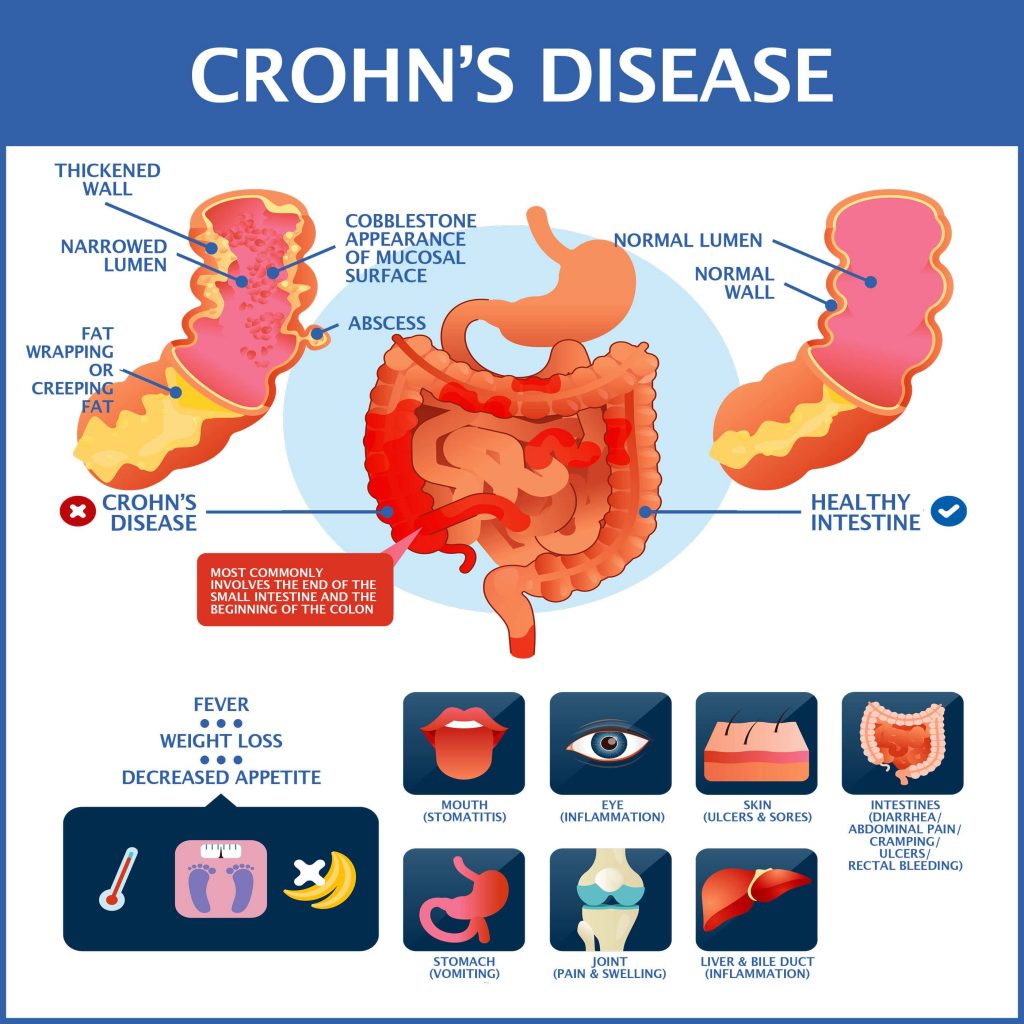
Crohn’s disease is a chronic inflammatory bowel disease that leads to inflammation of the digestive tract, and it significantly impacts the quality of life of those who suffer from it. The cause of Crohn’s is still not completely understood, but it involves a complex interplay between genetics, the immune system, and environmental factors. Symptoms often begin in adolescence or early adulthood, making it crucial for early detection and management. Lucy Dare’s experience, having been misdiagnosed for years, highlights the challenges many face in obtaining a proper diagnosis. Understanding the full spectrum of Crohn’s symptoms—ranging from severe abdominal pain to fatigue, is essential in paving the way for effective treatment and support for those affected.
Treatment for Crohn’s disease typically involves a combination of medication to suppress inflammation, dietary adjustments, and in some cases, surgery. Since Lucy was diagnosed, she has had to navigate these treatment options, which can include immunosuppressants and corticosteroids to help manage flare-ups. This complex disease requires ongoing chronic illness management, as patients often experience fluctuating symptoms that can be unpredictable. Moreover, lifestyle changes and coping strategies play key roles in managing Crohn’s, as patients like Lucy often find themselves adapting to new diets and routines that help alleviate their symptoms.
Symptoms of Crohn’s Disease: What to Look Out For
Identifying the symptoms of Crohn’s disease is vital for early diagnosis and effective management. Common symptoms, as articulated by Lucy Dare, include severe abdominal pain, persistent diarrhea, rectal bleeding, and weight loss. These symptoms can significantly disrupt daily life, leading to issues like anxiety and avoiding social situations, as seen in Lucy’s struggle. It’s essential to recognize these signals early and consult healthcare professionals, as this can often lead to quicker diagnosis and subsequent treatments, minimizing the invasive procedures that some patients, like Lucy, have had to endure.
Additionally, symptoms can vary widely among individuals, which is partly what makes Crohn’s disease so challenging to diagnose and manage. Patients may also experience fatigue and loss of appetite, which can lead to severe nutritional deficiencies over time. Keeping a symptom diary can help individuals and their doctors identify patterns and triggers, allowing for smarter management routines. Regular check-ups and communication with healthcare providers are fundamental in navigating life with Crohn’s, ensuring that individuals are receiving the care they need.
Living with Crohn’s Disease: Challenges and Triumphs
Living with Crohn’s disease is a journey filled with ups and downs, as Lucy’s ongoing struggles illustrate. For many, the chronic nature of the illness affects not just physical health but mental well-being as well. With symptoms like frequent, unpredictable gastrointestinal distress, individuals often face challenges in maintaining employment, attending social gatherings, or even performing daily tasks. Lucy’s experience of losing a job due to her condition is a common narrative among Crohn’s patients, as workplace accommodations can be limited and awareness of the disease is often lacking.
Despite these challenges, many individuals, including Lucy, find strength and coping mechanisms to navigate their lives. Lucy mentions that fitness has played a significant role in helping her manage her symptoms and regain a sense of control. This highlights an important aspect of living with a chronic illness—the need to find balance and pursue activities that foster both physical and mental health. Establishing a support system, engaging in open dialogue about the struggles faced, and embracing fitness or hobbies can empower those living with Crohn’s disease to thrive, rather than just survive.
Treatment Options for Crohn’s Disease: Finding What Works
Treating Crohn’s disease is a multifaceted approach that often requires collaboration with healthcare professionals, including gastroenterologists, dietitians, and mental health experts. Lucy’s lengthy journey through misdiagnosis and her ultimate treatment plan reflects the trial-and-error nature of managing this complex disease. Many patients may start on anti-inflammatory medications that are designed to reduce symptoms and promote remission. However, the challenge lies in finding the right combination of treatments that work specifically for each individual, as responses can vary widely.
In addition to medications, dietary management plays a crucial role in controlling symptoms. Many patients find relief through tailored diets that eliminate specific triggers and focus on nutrient-dense foods. Lucy’s experiences serve as a reminder that treatment isn’t just about medication; lifestyle and dietary changes are integral to managing Crohn’s disease effectively. It’s critical for patients to work closely with healthcare providers to develop a personalized treatment plan that includes both medical therapies and lifestyle adjustments.
The Importance of Support Systems in Crohn’s Disease Management
For individuals living with Crohn’s disease, having a strong support system can make a substantial difference in day-to-day management and overall well-being. Lucy recognizes that her journey has been much tougher without understanding friends or family members who can empathize with her struggles. Creating an environment where individuals feel supported and understood is crucial for mental health, especially for those who face stigma or misconceptions about their chronic illness.
Support groups—whether in-person or online—can also provide a platform for sharing experiences, advice, and coping strategies. These communities allow individuals to connect with others facing similar challenges, fostering a sense of camaraderie and understanding. As Lucy’s experiences illustrate, navigating the journey with Crohn’s can be profoundly influenced by the strength of one’s support system. Embracing connections with others can empower patients, encouraging them to advocate for themselves and seek the help they need.
Mental Health and Crohn’s Disease: The Overlooked Connection
Managing the emotional impact of Crohn’s disease is just as crucial as addressing the physical symptoms. Chronic illnesses like Crohn’s often come with significant psychological implications. Lucy’s experiences of pain, anxiety, and social withdrawal demonstrate the mental toll that such conditions can take. It’s vital for individuals to prioritize their mental health alongside their physical treatment, utilizing therapy, counseling, or support groups as necessary to help navigate the emotional complexities of living with a chronic illness.
Additionally, coping strategies such as mindfulness, meditation, and exercise can be beneficial in managing anxiety and depression that may arise from living with Crohn’s. Engaging in these activities provides a sense of control and stability amidst the unpredictability of the disease. Patients like Lucy can benefit from learning coping tools and seeking professional help to cultivate resilience, ensuring that they find ways to live fulfilling lives despite the limitations imposed by Crohn’s disease.
Aiming for Awareness: Understanding Crohn’s Disease
Raising awareness about Crohn’s disease is essential in fostering empathy and understanding within society. Many people, like Lucy, face stigma and misconceptions about their condition, which can lead to feelings of isolation. Educational campaigns and personal stories can shine a light on the reality of living with Crohn’s, dismantling the myths surrounding the illness and encouraging supportive environments both in social settings and workplaces.
Moreover, awareness initiatives can promote early diagnosis and improve healthcare responses to patients presenting with gastrointestinal symptoms. By sharing experiences and information about Crohn’s disease, communities can cultivate a more informed public that better understands the challenges faced by those living with chronic illnesses. As seen through Lucy’s journey, increased awareness and knowledge can have a significant impact on individual experiences and can ultimately lead to improved patient care.
Fitness as a Tool for Managing Crohn’s Disease
Incorporating fitness into the routine of someone with Crohn’s disease can offer both physical and mental benefits. As Lucy points out, physical activity can foster a sense of control and empowerment amid the challenges posed by her chronic illness. Exercise may help in managing symptoms, reducing stress, and improving overall mood, which is vital for those grappling with fluctuating health conditions. Finding the right exercise regimen tailored to personal needs is key, as different forms of activity can yield varying benefits.
Additionally, fitness can aid in rebuilding strength and improving stamina after illness or surgery. Engaging in activities like yoga or moderate aerobics can also promote gastrointestinal health. By focusing on fitness and wellness, individuals like Lucy may find greater flexibility in their lives, enabling them to manage their symptoms more effectively and reclaim some normalcy in their daily routines. Ultimately, fitness can serve as a powerful adjunct in the comprehensive management of Crohn’s disease.
Navigating Life After a Crohn’s Disease Diagnosis
Receiving a diagnosis of Crohn’s disease can be overwhelming, but navigating life post-diagnosis can lead to growth and self-discovery. For individuals like Lucy, adapting to this new reality involves not just physical adjustments but also emotional resilience. It may require finding new ways to cope with the unpredictability of symptoms while still pursuing personal and professional goals. Over time, many individuals learn to advocate for themselves, teaching loved ones how to provide meaningful support and understanding.
Establishing a new routine that accommodates medical appointments, medication schedules, and symptom management can also be pivotal. Lucy’s journey underscores the importance of finding strategies that work for her unique situation, and seeking guidance from others who have experienced similar challenges can be beneficial. Ultimately, this experience can foster a sense of empowerment, as individuals learn to take ownership of their health, making informed choices that support their overall well-being and quality of life.
Frequently Asked Questions
What are the common symptoms of Crohn’s disease?
Common symptoms of Crohn’s disease include severe abdominal pain, diarrhea, fatigue, rectal bleeding, weight loss, and urgency to use the bathroom, often escalating to multiple visits per day. These symptoms can significantly impact the quality of life, as experienced by patients like Lucy Dare.
How is Crohn’s disease diagnosed?
Diagnosing Crohn’s disease typically involves a combination of endoscopy, colonoscopy, and imaging tests to examine the intestines. In the case of Lucy Dare, a long history of misdiagnosis led to confirmatory procedures that finally identified her condition.
What treatment options are available for Crohn’s disease?
Crohn’s disease treatment options vary and can include medications like anti-inflammatories, immunosuppressants, and biologics. Some patients, like Lucy, may require surgery if complications arise, such as bowel perforation, which can necessitate removing affected sections of the intestine.
How can one manage living with Crohn’s disease?
Living with Crohn’s disease requires ongoing management strategies, which can include diet adjustments, regular medical check-ups, and stress management techniques. Patients like Lucy have found fitness beneficial for maintaining physical and mental well-being amidst the challenges of this chronic illness.
What impact does Crohn’s disease have on daily life and employment?
Individuals with Crohn’s disease may face significant challenges in daily life and employment due to symptoms like pain and frequent toilet use. As Lucy Dare shared, the unpredictable nature of Crohn’s can lead to job loss and difficulties in finding stable work.
Is Crohn’s disease a lifelong condition?
Yes, Crohn’s disease is a lifelong chronic illness without a cure. Management focuses on controlling symptoms and preventing flare-ups through lifestyle changes and appropriate treatments, as highlighted by Lucy’s ongoing struggle with her condition.
Can individuals with Crohn’s disease lead an active lifestyle?
Many individuals with Crohn’s disease can lead an active lifestyle, although it may require adaptations. As Lucy notes, fitness can provide clarity and strength, proving beneficial for managing her condition despite the inherent challenges.
What are the mental health effects of living with Crohn’s disease?
Living with Crohn’s disease can significantly affect mental health, leading to anxiety and depression due to the chronic discomfort and social limitations of the illness. Support from healthcare professionals, peer networks, and mental health resources can be vital for patients like Lucy.
| Key Point | Details |
|---|---|
| Diagnosis History | Lucy was diagnosed with Crohn’s disease in 2019 after being misdiagnosed for years. |
| Initial Symptoms | Symptoms included rectal bleeding, severe abdominal pain, weight loss, fatigue, and frequent toilet use. |
| Misdiagnosis | Initially misdiagnosed with an eating disorder due to low weight and symptoms. |
| Treatment Journey | Spent months being treated for eating disorders before receiving the correct diagnosis. |
| Surgery | Underwent life-saving surgery to remove part of her intestine due to complications. |
| Current Challenges | Lucy continues to struggle with job security and chronic pain caused by Crohn’s disease. |
| Benefits of Fitness | Lucy finds fitness helps her manage the challenges of her illness. |
| Overview of Crohn’s Disease | Crohn’s is a long-term inflammatory condition of the gut, requiring life-long management. |
Summary
Crohn’s disease is a complex and challenging condition that Lucy Dare has been bravely battling since her diagnosis in 2019. Despite the setbacks that have marked her journey, including misdiagnosis and surgeries, Lucy continues to seek ways to manage her symptoms and maintain some quality of life. With the correct information and support, it’s crucial for those affected by Crohn’s disease to understand their condition and explore treatment options available to them.