Listen to this article
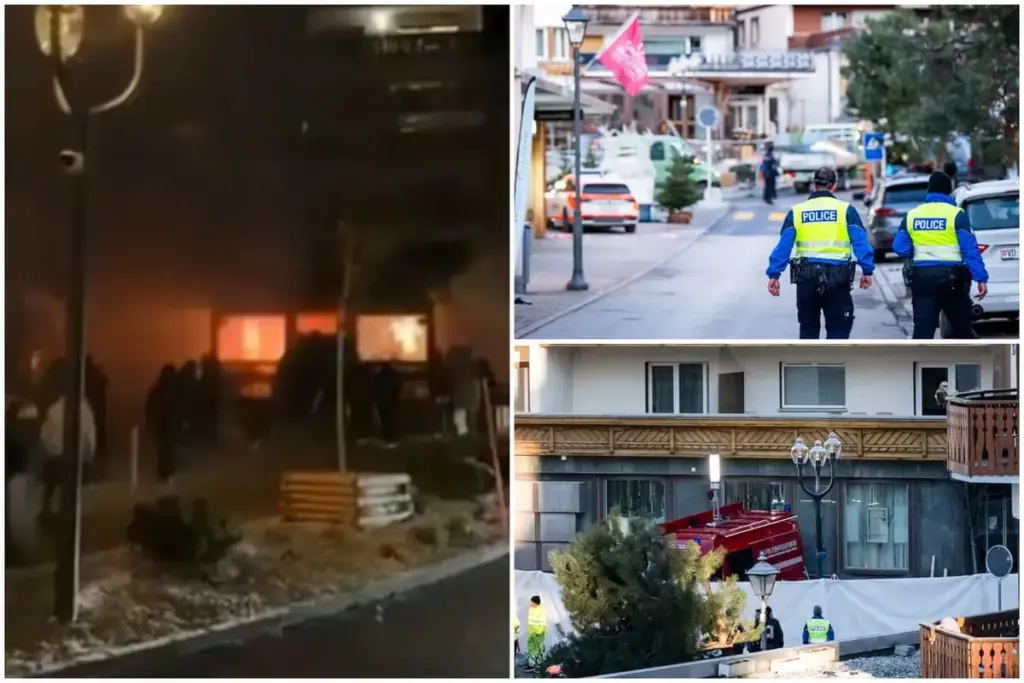
The Crans-Montana fire has tragically claimed the lives of around 40 individuals following an intense blaze that erupted at the Le Constellation bar during New Year celebrations. This Switzerland ski resort tragedy struck at approximately 01:30 AM, leaving over 115 others injured, many with severe burns. The horror of the fire at the ski bar has reverberated across nations, as news of the Crans-Montana incident victims continues to emerge. Investigators are currently working to determine the cause of this devastating fire, which has been officially ruled out as an attack. As families grieve, authorities are prioritizing the identification of victims to ensure their swift return to loved ones.
In recent days, a catastrophic fire incident has shocked the resort town of Crans-Montana, Switzerland, where a celebratory night turned deadly. Known for its picturesque ski slopes and vibrant nightlife, the area witnessed an unexpected tragedy as flames engulfed the Le Constellation bar amidst jubilant New Year festivities. Reports of injuries and fatalities, particularly among the patrons—a diverse mix of young revelers—have led to an urgent response from emergency services. Investigative efforts are underway, focusing on understanding the circumstances that led to this heartbreaking event, which has left many families and communities reeling. As the situation unfolds, the collective grief of a country mourning its lost and injured is palpable.
Understanding the Crans-Montana Fire Tragedy
The Crans-Montana fire tragedy harkens back to a horrific night during New Year celebrations, where the joyful atmosphere turned into chaos. This devastating incident, igniting at the popular Le Constellation bar, has claimed the lives of around 40 individuals, with more than 115 others suffering serious injuries. Many of those hospitalized are in critical condition, showcasing the dire consequences of the fire, which erupted rapidly and with extreme intensity. With Swiss authorities working tirelessly to identify victims, their efforts signify the emotional toll this tragedy has taken on families and the community.
As investigations progress, authorities have ruled out terrorism but are probing into various theories surrounding the blaze’s cause. Understanding the factors leading up to the incident is crucial, especially as they relate to safety protocols in public venues like ski bars. The impact stretches beyond geographical borders, affecting people from multiple nationalities, drawing attention to the need for improved safety measures in tourist hotspots.
The Aftermath: Responses and Investigations
In the aftermath of the fire, local and national authorities have mobilized an extensive response team, dispatching helicopters, ambulances, and health professionals to assist. The intense demand on healthcare facilities has led to some patients being transferred to specialized hospitals across Switzerland, amplifying concerns regarding public safety in crowded environments. As the region reacts to this tragedy, community support schemes are being implemented to aid the families of victims during this harrowing time.
Investigations into the incident have prompted discussions surrounding fire safety regulations in high-occupancy venues, especially during festive occasions. Eyewitness accounts provide clues into the conditions inside the Le Constellation at the time, describing a vibrant but dangerous environment as people celebrated the New Year. With the attorney general emphasizing the need for thorough investigation, it becomes paramount to ensure that similar tragedies do not occur in the future.
The Role of Community in Healing
Following the tragic fire at the Crans-Montana resort, the local community has rallied together to offer support and condolences for the victims and their families. Vigils have been organized outside the site of the fire, where residents and visitors alike pay their respects and share in collective mourning. This show of solidarity highlights the community’s resilience and the importance of coming together during tough times to heal and support one another.
In addition to memorial services, local authorities have set up helplines and support networks for those directly affected by the tragedy. These services provide crucial mental health resources to help individuals cope with loss and trauma. As the community seeks healing, the need for continued dialogue about public safety and emergency preparedness remains a focal point.
Safety Protocols in Tourist Venues
The Crans-Montana fire incident underscores the need for stringent safety protocols in tourist destinations, particularly those that host large gatherings. With numerous individuals present during the New Year celebrations, the rapid spread of the fire has raised important questions about emergency preparedness. Following the incident, experts are calling for a thorough review of safety regulations across similar establishments, demanding higher standards for fire safety measures, and better evacuation plans.
Inspiration can be drawn from other countries that have faced similar tragedies, leading to comprehensive safety reforms in public spaces. The conversations surrounding safety in tourist venues need to expand beyond immediate reactions, focusing instead on implementing long-term, effective safety measures that prioritize the well-being of all guests.
Grief Across Borders: The International Impact
The ramifications of the Crans-Montana fire tragedy extend well beyond the Swiss borders, as individuals from various nations find themselves affected by this catastrophic event. Reports indicate that victims include nationals from Italy, France, and beyond, illustrating the widespread impact of such tragedies. International responses have come quickly, with various governments offering support to their citizens caught in the aftermath, demonstrating the solidarity experienced in times of crisis.
As countries unite in mourning, the tragedy has sparked a worldwide conversation about emergency preparedness in tourist hotspots, showcasing the interconnected nature of global travel. The loss felt by families and friends around the globe underscores the need for proactive measures to ensure the safety of individuals visiting destinations renowned for their hospitality.
Health Implications for Burn Victims
The health implications for those injured in the Crans-Montana fire are grave, with many burn victims facing extensive medical treatments and rehabilitation. Hospitals across Switzerland have activated their emergency burn units, treating patients with varying degrees of burn injuries, some of which are critically life-threatening. Experts indicate that burns can lead to both physical and psychological effects, making comprehensive care essential.
Furthermore, the presence of toxic smoke inhalation during the fire adds another layer to the health implications for survivors. The medical community is mobilizing support to ensure the best care for victims as they navigate this challenging recovery process. Addressing both immediate health concerns and long-term support will be crucial for those whose lives have been irrevocably altered by this tragic incident.
Lessons Learned from the Le Constellation Bar Fire
As authorities investigate the cause of the fire at the Le Constellation bar, critical lessons are emerging regarding fire safety measures in crowded venues. Understanding the conditions that contributed to the fire’s rapid spread is paramount in preventing future tragedies. Eyewitness accounts suggest that safety protocols may not have been adequately implemented, prompting calls for a reassessment of regulations governing public spaces in tourist areas.
This tragic event also highlights the importance of ongoing training and preparedness for emergency personnel responding to unforeseen disasters. By learning from such incidents, stakeholders can work collaboratively to enhance safety standards, ensuring a safer environment for both locals and tourists alike.
Future of Tourism in Crans-Montana
The Crans-Montana fire marks a significant turning point for tourism in this picturesque Swiss ski resort. Once celebrated for its vibrant nightlife and luxurious accommodations, this tragedy may alter the perception of the destination among potential visitors. However, there is an opportunity for the local tourism board and stakeholders to reassess and strengthen safety measures to build confidence and restore the area’s reputation in the wake of such devastation.
While immediate challenges are apparent, longer-term recovery strategies must focus on restoring faith in the destination’s hospitality. Engaging with the community, improving safety protocols, and highlighting emergency preparedness can help rejuvenate Crans-Montana as a safe and enjoyable tourist attraction for families and adventurers alike.
Official Reactions and Condolences
In the wake of the Crans-Montana fire, condolences have poured in from officials and leaders around the globe, expressing solidarity with the victims and their families. leaders, from Swiss President Guy Parmelin to foreign dignitaries, have addressed the tragedy, emphasizing the grief felt not just locally but internationally. This rallying cry for compassion serves as a reminder that even in times of crisis, human connection transcends borders.
Amidst the sorrow, discussions surrounding support for those affected remain a priority. Governments are mobilizing resources to assist families during this profoundly difficult time, demonstrating a united approach to recovery and healing. This tragedy has not only touched the hearts of individuals but has also initiated a collective commitment to enhancing safety in public spaces.
Frequently Asked Questions
What caused the Crans-Montana fire at Le Constellation bar during New Year celebrations?
The cause of the Crans-Montana fire at Le Constellation bar has not been confirmed yet, but authorities have ruled out an attack. Investigators are exploring multiple theories, including the possibility of a general fire, and are analyzing evidence from the scene.
How many casualties were reported in the Crans-Montana incident?
The Crans-Montana incident resulted in the tragic death of around 40 people, with over 115 others injured. Many of the injured are suffering from severe burns and other critical conditions requiring hospitalization in specialized units.
Are there any reports on the nationalities of the victims from the Crans-Montana fire?
Yes, the Crans-Montana fire affected nationals from multiple countries. Reports indicate that several Italian and French citizens are among the missing and injured, highlighting the international impact of the tragedy.
What safety measures are being investigated in relation to the Crans-Montana fire?
Investigations into the Crans-Montana fire are examining the safety measures at Le Constellation bar, including the design of staircases which some witnesses noted appeared narrow. Authorities are assessing whether safety protocols were adhered to during the New Year celebrations.
What actions are being taken to support the victims of the Crans-Montana fire?
A helpline has been established for families impacted by the Crans-Montana incident, and local authorities are working tirelessly to identify victims and provide necessary support for the injured, including transferring patients to specialized burn units across Switzerland.
How did the Crans-Montana fire escalate so quickly?
Experts believe that a ‘flashover’ effect may have contributed to the rapid spread of the fire during the New Year celebrations at Le Constellation bar. Flashover describes how fire spreads quickly under conditions where flames reach the ceiling and ignite surrounding materials.
What has been the community response to the Crans-Montana fire tragedy?
The community response to the Crans-Montana fire tragedy has included vigils and gatherings to honor the victims. Floral tributes and moments of silence have been observed as locals pay their respects.
Are there any ongoing investigations related to safety violations at Le Constellation bar?
Yes, an investigation is underway to determine potential safety violations that may have contributed to the Crans-Montana fire disaster. Authorities are looking into the overall safety compliance and possible negligence pertaining to crowd management during the event.
What support measures are being implemented by foreign governments in response to the Crans-Montana incident?
Foreign governments, including those of Italy and France, are providing support for their nationals impacted by the Crans-Montana incident. This includes medical assistance for the injured and coordination with Swiss authorities to facilitate care.
How are emergency services responding to the Crans-Montana fire aftermath?
Emergency services, including 13 helicopters and 150 responders, quickly mobilized during the initial Crans-Montana fire outbreak. They are now continuing efforts to provide medical support and assist in identifying the victims.
| Key Point | Details |
|---|---|
| Casualties | Approximately 40 people dead, 115 injured, many seriously. |
| Location & Timing | Le Constellation bar, Crans-Montana, during New Year celebrations around 01:30. |
| Emergency Response | Thirteen helicopters, 42 ambulances, and 150 emergency responders deployed. |
| Injured Patients | 60 people transported to Sion hospital, with additional patients being transferred to hospitals with burn units. |
| Possible Causes | Investigation ongoing; preliminary hypothesis suggests a general fire caused extensive damage. |
| International Impact | Multiple nationalities affected, with 16 Italians and 8 French missing. |
| Government Response | Swiss President described the incident as one of the worst tragedies; investigations are underway. |
Summary
The tragic Crans-Montana fire has left approximately 40 people dead and over 115 injured at a ski resort in Switzerland. As investigations continue, this incident highlights the importance of emergency preparedness and safety regulations in public spaces, particularly during large gatherings. The community’s response and support for the victims’ families demonstrate the resilience and compassion that emerges in the face of such devastating events.