Listen to this article
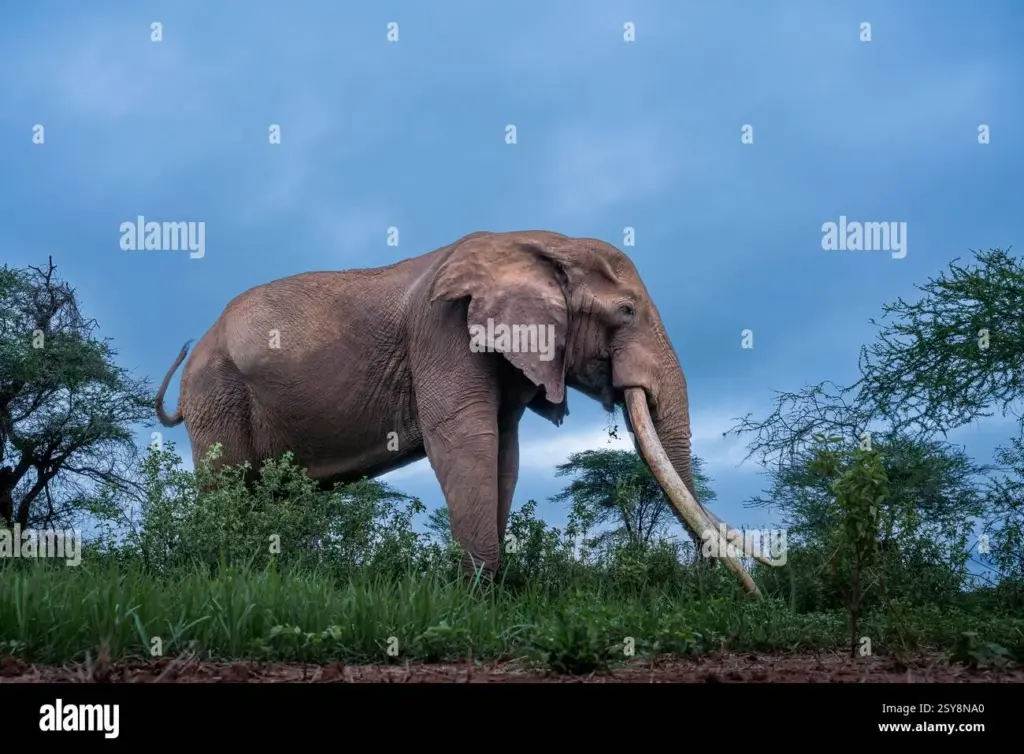
Craig the elephant, a beloved figure at Amboseli National Park, has captured the hearts of many during his remarkable 54-year life. Known as one of Africa’s largest male tuskers, Craig played a significant role in elephant conservation efforts across the region. His impressive tusks made him a symbol of strength, beauty, and ecological heritage, drawing attention from tourists and conservationists alike. In 2021, the iconic Kenyan elephant was proudly named the brand ambassador for Tusker, a recognition that underscored his importance beyond the wild. As a member of the rare class known as super tuskers, Craig reminds us of the delicate balance of nature and the ongoing need for conservation efforts in places like Amboseli National Park.
The story of Craig, a majestic ambassador of wildlife in Kenya, illuminates the significance of tuskers and their role in ecological preservation. Revered not just for his physical grandeur, this extraordinary elephant symbolized the enduring legacy of African elephants and the necessity of protecting their habitats. His association with the Tusker brand elevated public awareness regarding the fragile state of elephant populations and the importance of supporting wildlife conservation initiatives. In the broader context of Kenya’s tourism, Craig served as a reminder of the interconnectedness of wildlife conservation and economic sustainability, particularly in renowned regions like Amboseli National Park.
The Legacy of Craig the Elephant at Amboseli National Park
Craig the elephant, hailed as one of the largest male tuskers in Africa, leaves behind a remarkable legacy at Amboseli National Park. Known for his impressive tusks and gentle demeanor, Craig became an iconic figure not only within the park but throughout the Kenyan wildlife conservation community. His presence attracted thousands of tourists eager to witness his magnificence and contribute to the local economy, highlighting the importance of protecting natural habitats and their inhabitants. As a symbol of wildlife conservation, Craig represented the dedication of experts and organizations who have devoted their lives to safeguarding the country’s rich biodiversity.
Having spent 54 years roaming the landscapes of Amboseli, Craig was part of a highly endangered class of elephants known as super tuskers. These magnificent creatures, whose tusks weigh more than 45kg each, are becoming increasingly rare due to poaching and habitat loss. Craig’s long life and successful breeding history have underscored the vital role elephants play in their ecosystems, helping to maintain the delicate balance of the environments they inhabit. Despite Craig’s passing, his influence as a conservation ambassador will continue to inspire efforts aimed at preserving Kenya’s elephants for future generations.
Understanding the Importance of Elephant Conservation
Elephant conservation is crucial for maintaining healthy ecosystems, particularly in regions like Amboseli National Park where these majestic animals roam freely. Elephants act as ecosystem engineers, shaping their habitats through their feeding habits and movements. By uprooting vegetation and creating water holes, they facilitate the survival of numerous other species and contribute to the overall health of the environment. The loss of bulls like Craig not only diminishes the gene pool of super tuskers but also disrupts these ecological processes, highlighting the importance of ongoing efforts to protect these magnificent mammals.
Organizations like the Amboseli Trust for Elephants focus on monitoring elephant populations and their behaviors, ensuring they remain protected from threats such as poaching and habitat encroachment. The legacy of Craig the elephant serves as a poignant reminder of the responsibilities we hold to safeguard these giants and their environment. By investing in conservation initiatives, we can ensure that future generations will have the opportunity to witness the grandeur of elephants while supporting the biodiversity that sustains them.
Craig the Elephant: A Symbol of Santa Tusker Brand
In 2021, Craig was honored to become the brand ambassador for Tusker, a popular Kenyan lager, further entwining his legacy with Kenya’s cultural heritage. The Tusker brand, which shares its name with the adult male elephants that display impressive tusks, utilized Craig’s calm and approachable nature to promote both the brand and the importance of elephant conservation. This partnership not only served to elevate Craig’s status but also raised awareness about the challenges facing elephants, especially super tuskers, and the importance of supporting conservation efforts.
The collaboration between Tusker and Craig highlighted the unique relationship between wildlife and local communities in Kenya. By featuring Craig, a beloved ambassador of Amboseli National Park, the brand fostered a deeper connection between consumers and the majestic wildlife that inspires their products. This kind of marketing underscores the significance of responsible tourism and how it can contribute to elephant conservation and the economies of communities living alongside these gentle giants.
Tourism and Wildlife Conservation: A Symbiotic Relationship
Tourism plays a vital role in Kenya’s economy, with the wildlife sector accounting for 10% of national GDP. The allure of attractions like Amboseli National Park, where visitors can observe iconic figures such as Craig the elephant, drives millions of tourists to the country each year. This influx of visitors not only supports local businesses but also emphasizes the significance of preserving wildlife habitats and ensuring that unique species thrive. For many, seeing majestic elephants in their natural habitat is a once-in-a-lifetime experience that fosters a growing interest in conservation.
As more tourists flock to witness the wonders of Kenyan wildlife, the momentum behind conservation efforts continues to build. The story of Craig and the elephants of Amboseli highlights the interconnection between tourism and the efforts to protect these animals. It’s a powerful reminder that each ticket purchase contributes to the preservation of the ecosystems that support not just elephants but an entire array of wildlife. By embracing sustainable tourism practices, visitors can contribute to the ongoing conservation of Kenya’s rich natural heritage.
The Emotion of Farewell: Craig the Elephant’s Passing
The news of Craig’s passing resonated deeply within the conservation community and among wildlife enthusiasts around the globe. His gentle spirit and iconic presence have left an indelible mark on those who had the privilege of encountering him at Amboseli National Park. As an emotional farewell, conservationists expressed gratitude for the life that Craig led—a life spent as a beacon of hope for elephant conservation in Kenya. The Amboseli Trust for Elephants shared a heartwarming tribute, reflecting on Craig’s calming influence and the joy he brought to visitors and researchers alike.
Craig the elephant’s death signifies not just the loss of an individual, but also a call to action for conservation efforts aimed at ensuring the survival of super tuskers and their habitats. As fewer of these majestic creatures roam the wild, the urgency to protect them becomes more pivotal. His story sheds light on the broader challenges facing elephants in Africa, reminding us of the significance of maintaining their populations as integral components of our global ecosystem.
Education and Awareness in Elephant Protection
Educating people about the realities of elephant conservation is essential in the fight against poaching and habitat destruction. Organizations focused on wildlife conservation often conduct awareness campaigns to highlight the plight of elephants and the ecological contributions they make. In the wake of Craig’s passing, such educative initiatives can inspire stronger support for conservation policies and practices aimed at protecting elephants and preserving their habitats, like those found in Amboseli National Park.
By integrating education into tourism experiences, visitors can learn not only about the majesty of elephants but also the threats they face. This knowledge empowers tourists to become advocates for wildlife preservation, encouraging responsible behavior while traveling. By fostering a sense of stewardship, we can create a collective effort to protect Kenya’s elephants, ensuring that the legacy of remarkable individuals like Craig continues long into the future.
The Role of Conservationists in Protecting Elephants
Conservationists play a critical role in the protection and management of elephant populations, ensuring that these magnificent animals thrive within their natural habitats. With Craig’s story as a poignant example, the work done by organizations like the Amboseli Trust for Elephants is vital. By researching elephant behavior, health, and population dynamics, these dedicated individuals are on the front lines of wildlife conservation, implementing strategies to safeguard the future of super tuskers and the ecosystems they inhabit.
Through their efforts, conservationists have pioneered successful initiatives that help protect elephant corridors, reduce human-wildlife conflict, and promote sustainable tourism. By advocating for effective policies and community involvement, they create a network of support that amplifies conservation efforts. The legacy of Craig serves as a motivating force for ongoing work in the field, highlighting the need for collective action in preserving Kenya’s invaluable wildlife resources.
Remembering Craig: What His Life Represents
Craig the elephant’s life and legacy encompass far more than his impressive tusks and gentle demeanor; he embodies the ongoing struggle for elephant conservation in Africa. As one of the last remaining super tuskers, Craig’s existence highlighted both the beauty and fragility of wildlife in Kenya. His journey through life serves as a powerful reminder of the interconnectedness of all living organisms and our responsibility to protect them. For many, he will always be remembered as a symbol of strength, resilience, and hope for the future of elephants.
Reflecting on Craig’s life invites us to consider the broader landscape of conservation efforts that bridge the gap between protecting wildlife and promoting responsible tourism. As advocates for nature, we must continue to honor Craig’s memory by supporting initiatives that ensure the survival of Kenya’s elephants and their ecosystems. Moving forward, let us celebrate the impact of individuals like Craig—ambassadors for not only their kind but also for the lasting beauty of our planet.
Frequently Asked Questions
Who was Craig the elephant, the famous Kenyan elephant and Tusker brand ambassador?
Craig was a renowned Kenyan elephant, recognized as one of Africa’s largest male tuskers. He lived at Amboseli National Park and served as the Tusker brand ambassador, promoting elephant conservation through his celebrity status.
What made Craig the elephant a super tusker?
Craig was classified as a super tusker due to his exceptionally large tusks, which each weighed over 45 kg (100 lbs). This rare classification highlights his significance in the elephant conservation efforts in Kenya.
How did Craig the elephant contribute to elephant conservation in Kenya?
As a living symbol of successful conservation, Craig raised awareness about the importance of protecting elephants and their habitats. His role as a Tusker brand ambassador helped promote elephant conservation efforts globally.
What was the significance of Amboseli National Park for Craig the elephant?
Amboseli National Park was home to Craig the elephant, where he lived for most of his life. The park is known for its stunning views of Mount Kilimanjaro and is a vital habitat for many elephants, making it a key location for conservation efforts.
Why is Craig the elephant remembered as an icon of successful conservation?
Craig the elephant is remembered as an icon of successful conservation because he exemplified the rare super tuskers and symbolized the efforts made in Kenya to protect wildlife, inspiring tourists and locals alike to engage in conservation.
How did Craig’s status as a Tusker brand ambassador impact elephant conservation awareness?
Craig’s status as a Tusker brand ambassador significantly impacted elephant conservation awareness by leveraging his popularity to educate the public about the threats facing elephants and the need for their protection.
What legacy did Craig the elephant leave in Amboseli National Park?
Craig’s legacy in Amboseli National Park includes being a symbol of resilience and conservation success. As one of the last super tuskers, he helped highlight the importance of preserving such magnificent creatures for future generations.
What was Craig the elephant’s role in promoting tourism in Kenya?
Craig the elephant played a crucial role in promoting tourism in Kenya by drawing attention to Amboseli National Park. His status as a famous tusker enabled visitors to connect with wildlife conservation and encouraged tourism, which is vital to Kenya’s economy.
How did Craig the elephant become an ambassador for the Tusker beer brand?
Craig became an ambassador for the Tusker beer brand in 2021, symbolizing strength and heritage, while promoting awareness around elephant conservation efforts in Kenya.
What can be learned from Craig the elephant’s life and death regarding elephant conservation efforts?
Craig the elephant’s life and peaceful death highlight the importance of effective conservation measures in protecting elephants. His story encourages ongoing efforts to support wildlife preservation and the vital role that iconic animals play in fostering eco-tourism.
| Key Points |
|---|
| Craig the elephant, aged 54, died of natural causes in Amboseli National Park, Kenya. |
| He was one of Africa’s largest male tuskers, known for his impressive long tusks. |
| Craig served as a brand ambassador for Tusker, a popular Kenyan lager, highlighting the connection between wildlife conservation and tourism. |
| He was recognized as an icon of successful conservation and a symbol of Africa’s natural heritage, being one of the last super tuskers. |
| Visitors admired Craig for his calm nature, making him a beloved attraction in Amboseli National Park. |
| Kenya’s tourism sector, where attractions like Craig draw millions of visitors, contributes significantly to the national economy. |
Summary
Craig the elephant was not just a remarkable animal; he was a beloved figure whose legacy lives on in Amboseli National Park. At 54 years old, his life represented the beauty and majesty of Africa’s wildlife. His passing serves as a poignant reminder of the importance of conservation efforts in protecting such extraordinary creatures. Remembering Craig brings into focus the vital role that elephants play in our ecosystems and the necessity to ensure their survival for future generations.