
Listen to this article
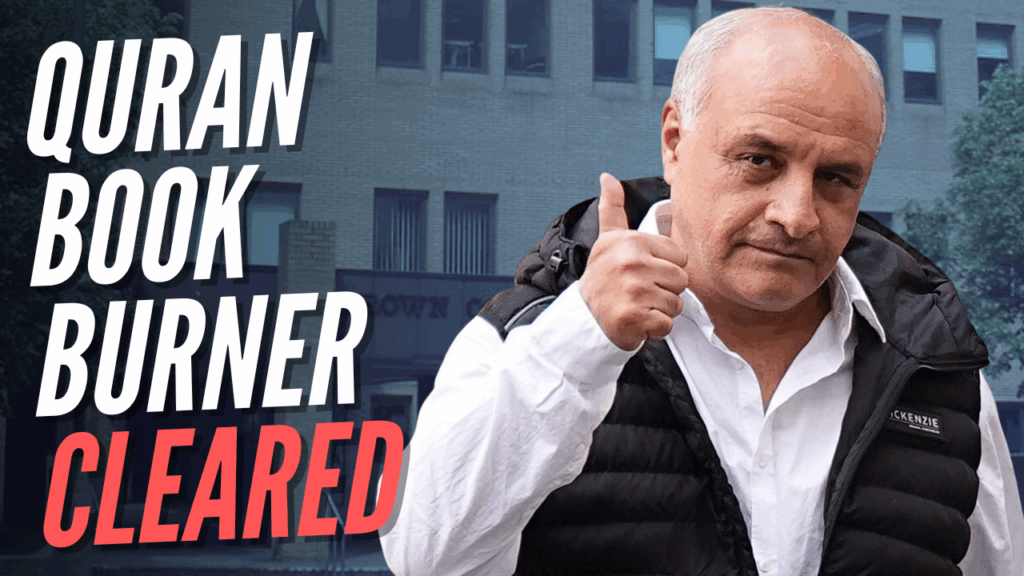
The CPS appeal regarding the Quran burning conviction has sparked significant debate over the limits of free speech and the implications of religious offense laws in the UK. This case centers around Hamit Coskun, who was initially convicted for burning a Quran outside the Turkish consulate in London, while making inflammatory statements about Islam. His conviction was recently overturned, igniting discussions surrounding freedom of expression and whether or not actions taken in the name of free speech should be protected, especially when they provoke strong objections from religious communities. The Crown Prosecution Service argued that though burning a religious text is not inherently criminal, Mr. Coskun’s behavior reflected hostility against a religious group, warranting their appeal. As this legal battle unfolds, it raises critical questions about the balance between protecting free expression and ensuring respect for religious beliefs in contemporary society.
The ongoing legal proceedings concerning the overturning of a conviction related to the burning of a Quran have ignited widespread discussions on the boundaries of expression and societal values. Central to this issue is the case of Hamit Coskun, whose public demonstration in London has challenged prevailing notions of acceptable protest and subverted traditional interpretations of free speech. Following a controversial ruling from a High Court judge, the Crown Prosecution Service has decided to contest this decision, citing concerns over hostility directed towards specific religious communities. As debates emerge regarding these serious allegations and the nature of public order offenses, the implications of such rulings resonate deeply within both legal frameworks and cultural norms. This situation not only questions the thresholds of speech but also reflects broader societal tensions afflicting discussions surrounding freedom of expression and religious sensitivities.
Understanding the CPS Appeal in the Quran Burning Case
The CPS appeal following the overturning of Hamit Coskun’s Quran-burning conviction brings to light important issues surrounding freedom of expression in contemporary society. The case, which unfolded outside the Turkish consulate in London, highlighted the fine line between provocative speech and criminal behavior. While it is acknowledged that burning a religious text might not be inherently illegal, the CPS argues that Mr. Coskun’s actions demonstrated a significant level of hostility towards a specific religious group, thereby falling under public order offenses. This appeal raises questions regarding the implications of such actions on community safety and the boundaries of free speech in a multicultural society.
Supporters of the CPS position assert that Mr. Coskun’s choice to publicly burn the Quran while making inflammatory statements about Islam constitutes a potential incitement to violence. They argue that while freedom of expression is vital, it must also be matched with a sense of responsibility to avoid actions that could escalate tensions among diverse ethnic and religious groups. As the High Court considers the CPS appeal, the broader discussions about the limits of free speech and the role of law in protecting the rights of individuals versus societal harmony will be crucial.
The Implications of Religious Offense Laws on Free Speech
The debate surrounding the CPS appeal taps into wider conversations about religious offense laws and their compatibility with principles of free speech. While UK law has removed formal blasphemy laws, the resonance of such historical precedents persists in public discourse. The claim by the CPS that Mr. Coskun’s actions were disorderly suggests a need to explore how current laws address provocative behavior that offends religious sentiments without directly criminalizing offensive speech. This intersection raises concerns that could further complicate interpretations of what constitutes acceptable public discourse.
Moreover, as various groups defend their perceived right to free speech, incidents such as the Quran burning appear to challenge the balance of protecting societal peace while upholding individual liberties. As legal experts and advocacy groups analyze the implications of the CPS appeal, it becomes increasingly clear that safeguarding freedom of expression must also involve mechanisms to curb the potential for hate speech. The outcomes of this case could influence future cases related to free speech issues and religious sensitivities across the UK.
Public Reaction to the Quran Burning Incident
The incident involving the burning of the Quran has incited a strong public reaction, reflecting the diverse beliefs held within the UK’s multicultural demographic. Many individuals and organizations have voiced their displeasure at the actions of Mr. Coskun, condemning the protest as an affront to religious beliefs. This backlash is countered by free speech advocates who argue that the right to express controversial opinions is fundamental and must be protected. The polarizing nature of the event emphasizes the challenges that arise when practicing free speech intersects with deeply held religious convictions.
Furthermore, the physical attack on Mr. Coskun during the protest underlines the dangers that such acts can evoke, particularly in areas where religious sentiments run deep. The reaction from both sides exemplifies the broader societal conflicts surrounding freedom of expression and religious tolerance. As communities navigate these complex interactions, the CPS appeal becomes not only a legal matter but also a critical moment for societal introspection about how to honor both free speech and respect for diverse spiritual beliefs.
Crown Prosecution Service’s Role in Upholding Public Order
The role of the Crown Prosecution Service (CPS) has come under scrutiny following its decision to appeal the overturning of Mr. Coskun’s conviction. The CPS maintains that allegations of hostility, despite the absence of direct blasphemy laws, are essential to ensuring that public order is upheld. By appealing the High Court’s ruling, the CPS aims to highlight the necessity of legal frameworks that can govern actions perceived as inciting hatred or disorder within a community. This initiative stresses the importance of protecting individual rights while also managing the collective safety and dignity of all individuals, regardless of their faith.
Critics argue that the CPS’s pursuit of this appeal could set a precedent for overreach in regulating speech that is offensive. They contend that the legal action taken against Mr. Coskun risks inadvertently promoting a chilling effect on lawful discourse. With the CPS advocating for strict scrutiny over public expressions of dissent that may offend religious observers, it is imperative for society to evaluate the balance between protecting free expression and preventing societal unrest.
The Responses From Advocacy Groups and Public Figures
The appeal by the CPS has drawn responses from various advocacy groups, including the National Secular Society (NSS) and the Free Speech Union, both of which have criticized the appeal as a threat to free expression. These organizations assert that prosecuting individuals like Mr. Coskun for expressing views that many might find offensive undermines the fundamental principles of free speech. They argue that allowing the CPS to dictate what constitutes acceptable speech could lead to a slippery slope where religious sentiments are given precedence over the rights of individuals to speak truthfully about their experiences and beliefs.
Public figures have also entered the debate, with varying opinions shaping the discourse. Some emphasize the importance of maintaining lawful discourse free from fear of repercussions, while others stress the need for sensitivity towards religious beliefs that could be harmed by extreme expressions of dissent. The discussions ensuing from the CPS’s appeal are critical for understanding how societies can navigate the intersection of free speech, religious offense, and public order, especially as they relate to increasingly polarized attitudes within a diverse population.
The Legal Framework Surrounding Free Speech and Religious Offense
To fully grasp the implications of the CPS appeal, it is crucial to analyze the legal framework surrounding freedom of expression in the UK. Following the abolishment of blasphemy laws, courts must rely on existing legislation to balance individual rights against public order considerations. The Crime and Disorder Act of 1998 and Public Order Act of 1986 provide the legal basis for prosecuting actions fueled by racial or religious hostility. As such, the CPS’s argument is grounded in the assertion that Mr. Coskun’s behavior falls under this legal purview, asserting that societal repercussions arise from incendiary public displays.
Moreover, the legal discourse surrounding this case has reiterated the ethical obligation that comes with freedom of expression. The ongoing debates about whether incendiary actions like Quran burning should be permissible serve to remind the public that legal protections are intricately balanced with community responsibility. Each successful prosecution or overturned conviction holds the potential to define the boundaries of acceptable speech, and the CPS appeal will play a significant role in setting these vital precedents.
Examining the Broader Context of Freedom of Expression
The discussion surrounding the Quran burning and the CPS appeal invites a broader examination of freedom of expression in a global context. Across numerous countries, different legal systems wrestle with the relationship between free speech and religious respect, often facing similar struggles as encountered in the UK. The complexities of addressing hostile actions against a backdrop of cultural sensitivity exemplify the delicate situation many democracies face in protecting dual principles of free expression and respect for diverse beliefs. This case is emblematic of those cross-cultural tensions, faced by societies where varying interpretations of freedom and safety coexist.
Furthermore, global incidents of religious extremism and the resultant conflicts surrounding freedom of speech highlight the urgent need for nuanced discussions and policies. Advocates for free expression fear that prioritizing religious sensitivity over free speech could ultimately undermine democratic freedoms. As observers recognize the potential implications of the CPS appeal to set foundational precedents for balancing these rights, the outcome may contribute to shaping international norms regarding the intersection of free speech and religious observance.
The Impact of the CPS Appeal on Future Cases
As the CPS proceeds with its appeal, the decision reached by the High Court will likely have ramifications far beyond this single case. Should the court decide to reinstate Mr. Coskun’s conviction, it could signal a more restrictive interpretation of permissible speech regarding religious affiliations, giving weight to public feeling over factual expressions. On the other hand, affirming Mr. Coskun’s right to burn the Quran as a legitimate exercise of free speech could further empower voices from marginalized communities advocating for their beliefs, even if deemed provocative or offensive.
This case could also inspire similar legal actions, as different groups seek clarity regarding what constitutes acceptable forms of protest and expression. As societal dynamics evolve, informed discussions prompted by the CPS appeal will be critical in shaping future policies surrounding freedom of expression. The outcome may set a significant benchmark, influencing how other legal challenges pertaining to freedom versus societal norms will be approached.
Conclusion: Navigating Faith, Free Speech, and the Law
The CPS appeal and the circumstances surrounding Mr. Coskun’s conviction provoke vital discussions about the role of law in managing the delicate balance between faith and free speech. As debate intensifies over contentious issues, the legal landscape is tasked with protecting the rights of all parties involved while fostering an environment where debates can occur without fear of repercussions. The implications of this case reach far and wide, especially given the complex fabric of contemporary British society.
Ultimately, both the CPS and Mr. Coskun find themselves at the center of a profound examination into the limits and rights encompassed within free expression and religious tolerance. As the legal proceedings unfold, they will underscore the pressing need for continued dialogue that respects diverse perspectives while safeguarding someone’s right to challenge prevailing norms, a cornerstone of any democratic society.
Frequently Asked Questions
What is the CPS appeal regarding the Quran burning conviction in London?
The Crown Prosecution Service (CPS) is appealing against a High Court decision that overturned the conviction of Hamit Coskun, who burned a Quran outside the Turkish consulate in London. The CPS argues that, although no laws exist against burning a religious text, Coskun’s actions demonstrated hostility towards a religious group, which is a prosecutable offense.
What were the details of the Quran burning incident in London?
The incident occurred when Hamit Coskun burned a Quran while shouting “Islam is a religion of terrorism” in February outside the Turkish consulate in London. He was initially convicted of a religiously aggravated public order offense for his disorderly behavior.
How does the CPS appeal connect to free speech issues?
The CPS appeal in the Quran burning conviction raises complex free speech issues, as the High Court ruled that Mr. Coskun’s offensive conduct falls under the protection of freedom of expression. The court emphasized that even shocking speech must be defended to maintain a free society.
What are the implications of the CPS appeal for religious offense laws?
The CPS appeal may have significant implications for religious offense laws as it challenges the boundaries between free expression and hate speech. Legal experts are closely monitoring how this case will shape future interpretations of regulations surrounding religious expressions and public order.
What did Mr. Justice Bennathan say about freedom of expression in relation to the Quran burning case?
Mr. Justice Bennathan highlighted that while the burning of a religious book might offend many, freedom of expression must include the right to express views that some may find shocking or disturbing. This ruling reflects ongoing debates about the limits of free speech in relation to religious sensitivities.
What reactions have emerged in response to the CPS appeal of the Quran burning conviction?
Responses include support from free speech advocates like the National Secular Society (NSS) and the Free Speech Union, who argue that the CPS’s actions threaten free expression. Critics express concerns that the appeal could create a de facto blasphemy law and empower those who wish to silence dissenting voices.
Was there any physical confrontation related to the Quran burning incident?
Yes, during a related protest, Hamit Coskun was attacked by Moussa Kadri, who used a knife while claiming to defend his religion. Kadri received a suspended sentence following his actions, highlighting the tensions surrounding the incident.
Why was Hamit Coskun initially convicted before the CPS appeal?
Hamit Coskun was initially convicted for engaging in disorderly behavior that caused likely harassment, alarm, or distress to others, motivated by hostility towards followers of Islam, under the Crime and Disorder Act 1998 and the Public Order Act 1986.
What is the significance of the CPS’s appeal regarding the concept of blasphemy laws in the UK?
The CPS’s appeal is significant as it might signal a re-evaluation of the legal standards surrounding blasphemy and public order. The discussion resurfaces concerns over free expression rights post the abolition of formal blasphemy laws in England and Wales in 2008.
How can the CPS appeal influence the future of freedom of expression in the UK?
The CPS appeal regarding the Quran burning conviction may set important precedents for how freedom of expression is understood in conjunction with religious beliefs, potentially impacting future legal interpretations and societal attitudes towards controversial expressions.
| Key Point | Details |
|---|---|
| CPS’s Appeal | The Crown Prosecution Service has appealed the overturning of Hamit Coskun’s conviction for burning the Quran outside the Turkish consulate. |
| Conviction Details | Coskun was initially found guilty of a religiously aggravated public order offense, expressing hostility towards Islam. |
| Freedom of Speech | Mr. Justice Bennathan asserted that protected freedom of expression includes offensive speech, even when it disturbs others. |
| CPS’s Position | CPS argues Coskun’s actions amounted to disorderly conduct, not blasphemy, as current law does not allow for prosecuting blasphemy. |
| Protest Incident | During the protest, an individual attacked Coskun, claiming defense of his religion; the attacker received a suspended sentence. |
| Support for Coskun | The appeal was financed by the National Secular Society and Free Speech Union, concerned about the implications for free expression. |
Summary
The CPS appeal regarding the Quran burning conviction highlights the tensions between free speech and religious sensitivities. With the CPS arguing against the High Court’s decision to overturn the conviction, the case raises critical questions about the boundaries of expression in democratic societies. This situation underlines the need for a careful balance between allowing individuals to express controversial views and protecting communities from hate speech. How this appeal unfolds will have significant implications for the future of free expression and the legal treatment of such acts in the UK.