
Listen to this article
Council elections in England are poised at a critical juncture, as the potential for further election delays casts a shadow over the upcoming democratic process. The Electoral Commission England has expressed concerns that postponing local council elections could severely undermine public confidence in the electoral system. Concerns grow even more significant as some councils consider delaying their elections scheduled for this May amid a backdrop of local government reorganisation. Despite calls from councils for the option to postpone local elections, the Electoral Commission insists that capacity issues should not be a reason to derail well-planned elections. As the deadline approaches for councils to decide, all eyes are on the implications of these election delays in England and the impact they will have on local governance and accountability.
Local government elections across England are at a pivotal moment, with discussions around the timeline and execution of these elections growing increasingly contentious. As various councils contemplate the feasibility of holding elections amidst a significant restructuring of local authorities, the issue of election delays becomes more pressing. The implications of postponing these crucial local elections extend beyond immediate logistics; they touch on the broader public’s trust in local democracy. The Electoral Commission, responsible for overseeing fair electoral practices, has raised alarms about the negative impact such delays could have not only on public confidence but on the legitimacy of decision-making at the local level. As councils grapple with their future amidst upcoming administrative changes, the pressing question remains: How will these local elections unfold?
The Current Landscape of Council Elections in England
Council elections in England face a precarious future, with potential delays looming on the horizon. The Electoral Commission has underscored the importance of conducting elections as planned, stating that any postponement could erode public confidence in local governance. The government’s consideration of postponing elections, particularly in the face of extensive local government reorganisation, raises critical questions about accountability. When existing councils are allowed to determine their own timelines for elections, it creates a conflict of interest that could undermine the democratic process and jeopardize the legitimacy of local decision-making.
As various councils prepare for the possibility of delaying their elections until 2027, discussions surrounding the implications of such actions are vital. Concerns arise not only from the need for representative governance but also from the financial implications these disruptions can have on taxpayers. The history of election delays in England, particularly during periods of local government reorganisation, further complicates the situation. Councils are balancing their responsibilities while adjusting to structural changes, making it imperative to handle the decision-making process transparently and fairly to uphold public trust.
Understanding the Electoral Commission’s Position
The Electoral Commission plays a crucial role in overseeing the integrity of the electoral process in England. Its insistence that elections should proceed unless there are exceptional circumstances highlights the underlying principle of maintaining consistent democratic practices. The Commission has pointed out that capacity constraints, cited by some councils, should not serve as justifiable reasons for postponing elections that have been long-planned. The call for accountability rings especially true in an era where public engagement and trust in local governance are more important than ever.
Chief Executive Vijay Rangarajan’s remarks underscore the urgency of conducting elections on schedule. He pointed out that delays could create an environment of uncertainty that hampers effective campaigning and civic engagement. As local leaders prepare for potential elections, procrastination in decision-making could disenfranchise voters. Hence, the Commission’s advocacy for timely elections is aimed at preserving the democratic framework and ensuring that local voices are heard in the governance of their communities.
Impacts of Local Government Reorganisation on Elections
Local government reorganisation presents significant challenges to the electoral landscape in England. With a major overhaul slated for 2028, councils face the dual task of preparing for elections while navigating impending structural changes. The local government department has cited precedents for election postponements during times of reorganisation, drawing from experiences in previous years. However, this sets a concerning precedent where elections become subject to the whims of bureaucracy rather than the will of the people. Postponements may lead to a disconnect between councils and constituents, further embedding the unease about governance.
Moreover, when councils request postponements, it can reflect broader issues of capability and readiness. Instances where councils claim difficulties in managing elections due to resource overextension must be critically analyzed, as they could lead to systemic vulnerabilities in future electoral processes. As local authorities prepare to centralize governance, the implications of these delays must be weighed against the democratic need for accountability, thereby challenging councils to strike a balance between local administration and public expectation during the re-organization.
Political Reactions to Potential Election Delays
Potential delays to council elections in England have spurred a whirlwind of political reactions, particularly from opposition parties. Critics argue that the Labour party aims to maintain control over councils by delaying elections, depriving citizens of their right to elect local leaders. The political implications are profound; if these elections are postponed, certain councillors could remain in office for extended periods without facing their constituents. This situation has triggered accusations of collusion among parties, driving public sentiment against perceived manipulations of the electoral calendar.
Furthermore, the blame game among political factions highlights the contentious nature of governance in these critical times. As each party seeks to position itself favorably in the eyes of the electorate, concerns about the legitimacy of local leadership continue to grow. With various councils like East Sussex opting to focus resources on service delivery over electioneering, the narrative of accountability is being rewritten to accommodate electoral strategy rather than genuine public service.
Voter Concerns Amidst Delays and Reorganisations
Amidst potential delays to local council elections in England, public concerns are mounting about the implications for voter engagement and accountability. Many constituents feel disenfranchised when elections are postponed, as the wait may undermine the connection between voters and their elected representatives. The notion that councillors could serve extended terms without seeking re-election could signal a recipe for complacency within councils, further alienating local populations. Consequently, the impact of such delays threatens to diminish civic participation and public trust.
Moreover, voters are becoming increasingly aware of the complexities surrounding local government reorganisation. The intricate balance between effective local service delivery and the electoral timetable poses a unique challenge for engagement. It is crucial for councils to communicate effectively with their constituents about the reasons behind postponements and the timeline for future elections. Building trust through transparency and engagement is essential for maintaining a healthy democratic process and ensuring that voters believe their voices are being acknowledged.
The Path Forward for Local Elections
The path forward for local council elections in England hinges on balancing the demands of governance with the democratic rights of citizens. As councils grapple with impending structural changes, it is imperative that they prioritize holding elections to uphold public trust in local democracy. This may require an honest assessment of capacity and resources while considering the needs of constituents. Timely elections allow for voter engagement and accountability, fostering an environment where public officials are held accountable for their actions.
Additionally, the cooperation between the government and the Electoral Commission will be critical in ensuring that elections are conducted fairly and transparently. Clear communication about potential delays and the rationale behind them will help prevent public frustration and political fallout. Moving forward, local councils must remain committed to upholding the integrity of the electoral process, ensuring that the voices of their constituents are heard and respected in local decision-making.
Precedents for Election Postponements
Historically, the postponement of local elections during significant governmental reorganisations in England raises questions about the integrity of future elections. Notably, examples from 2019 and 2022 highlight patterns where elections were delayed due to local government reformatting. While this approach has been deemed necessary by some councils, it sets a precedent that risks normalizing election delays as a reliable solution to administrative challenges. Such precedents may inadvertently erode public trust and confidence in the electoral system and its stakeholders.
Furthermore, while the justification for postponement might stem from operational limitations, it is essential that councils remain cautious in their decisions. With each delay, there can be potential ramifications on public perception regarding elected officials and their commitment to representation. Therefore, thorough analysis and dialogue surrounding these precedents must continue to be engaged. Striving for a balance between necessary reforms and the preservation of the election cycle is crucial for maintaining confidence in local governance.
Future of Local Governance Post-Reorganisation
The future of local governance in England will undoubtedly be shaped by the ongoing reorganisation set to take place in 2028. As many councils prepare for significant structural changes, the implications for democratic processes, including elections, are profound. New authorities are expected to take on the responsibilities of local service provision, fundamentally shifting the landscape of governance. In moving towards a streamlined model of local government, it is crucial that electoral integrity remains at the forefront of community discussions and implementations.
Moreover, ensuring that local elections are not forgotten in the midst of bureaucratic reforms is vital. Voter representation should be prioritized even amidst major transitions, highlighted by public sentiment regarding their elected leaders. Local councils need to re-establish their relations with constituents, assuring them that democratic processes will remain intact amidst impending changes. Maintaining a healthy balance between governance reform and electoral accountability is essential for fostering vibrant local communities in the years to unfold.
The Role of Citizens in Council Elections
The role of citizens in council elections cannot be understated—particularly in times of reorganisation and potential delays. Voter participation is essential in shaping local decision-making and ensuring that the concerns of the community are addressed. Citizens must remain engaged and vocal about their expectations from elected officials throughout the electoral process. Empowering community members to hold their local councils accountable is crucial, especially as discussions surrounding election postponements unfold.
Moreover, citizens can play a proactive role in advocating for their right to timely elections. Public forums, town hall meetings, and civic engagement initiatives can serve to amplify community voices, ensuring that elected officials understand the importance of maintaining legitimacy through regular electoral cycles. Ultimately, a resilient democracy relies on informed and active citizens who are willing to participate in shaping their local governance.
Frequently Asked Questions
What are the current concerns regarding council elections in England?
The Electoral Commission has raised significant concerns about potential delays to council elections in England, emphasizing that such postponements could harm public confidence in local governance. The government is contemplating postponing local elections scheduled for May until 2027 as some councils express difficulty conducting elections due to local government reorganisation.
How might local government reorganisation affect council elections in England?
Local government reorganisation could lead to delays in council elections in England, as some councils may struggle to prepare for elections amid significant structural changes. The government is allowing councils to request postponement, highlighting a locally-led approach to assess the impact of these delays on their communities.
What has the Electoral Commission said about postponing local council elections?
The Electoral Commission has stated that capacity constraints should not justify the postponement of long-planned local council elections in England. They believe delaying elections could undermine the legitimacy of decision-making and accountability to the public.
Are there any examples of postponing local elections in England?
Yes, precedents for postponing local elections in England exist, with similar delays occurring during reorganisation periods in 2019 and 2022. The local government department cited this as a clear precedent when discussing potential election delays.
What is the deadline for councils to request a delay for the May elections?
Councils affected by the planned local government reorganisation in England are required to indicate whether they need to postpone the May elections by January 15.
What are the political implications of delaying council elections in England?
Delaying council elections in England may lead to political tensions, as opposition parties criticize Labour for attempting to maintain control over councils. Moreover, with Labour holding the majority in many councils, the postponement could significantly impact local governance and election dynamics.
What will happen if councils decide to postpone the elections?
If councils opt to postpone the elections, some councillors could remain in office without facing voters for an extended period, potentially leading to widespread dissatisfaction among the electorate and concerns about democratic accountability.
What preparations are being made for the upcoming council elections in England?
Many political parties and candidates are currently making preparations for the upcoming council elections in England, including campaign strategies and outreach, while awaiting clarity on whether the elections will proceed as planned.
How do election delays affect candidates and campaigners?
Election delays create uncertainty for candidates and campaigners, as they require time to prepare for the elections. Prolonged indecision regarding postponements can lead to difficulties in organizing campaigns and mobilizing voters.
What stance has the government taken regarding the potential for election delays?
The government appears to support a locally-led approach to evaluating requests for postponement, while facing criticism for potentially undermining public voting rights. Some government figures indicate a preference for proceeding with planned elections rather than further delays.
| Key Points |
|---|
| The Electoral Commission is alarmed by possible delays to council elections in England, fearing damage to public confidence. |
| Ministers are considering postponing local elections until 2027 if requested by councils. |
| Concerns about conducting elections alongside structural reforms and the financial burden on taxpayers. |
| The Electoral Commission believes capacity issues are not a valid reason to delay elections. |
| Calls for postponements have been made by several councils, with a deadline of January 15 for responses. |
| Opposition parties criticize the government for denying residents the chance to vote. |
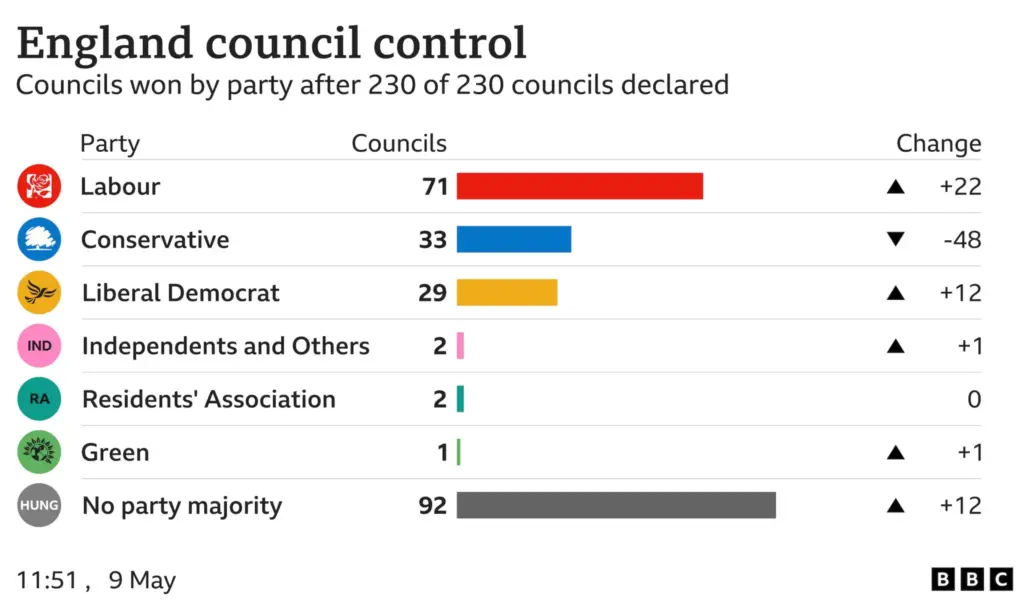
| The political balance may shift significantly, as Labour controls 18 councils, while Conservatives hold nine. |
| Elections set for May 2025 have already been postponed once; further delays may prevent local accountability. |
| The situation showcases tension between Labour and Conservatives, with accusations of collusion. |
| Electoral preparations are advancing, but uncertainty looms over potential delays affecting campaign strategies. |
Summary
Council elections in England are at risk of significant delays that could undermine public trust in local governance. The Electoral Commission has highlighted the dangers of postponements, stating these elections should occur as scheduled unless exceptional circumstances arise. As the government weighs requests from local councils to delay elections until 2027, opposition parties express concern over transparency and voter engagement. The ongoing debate reflects broader political tensions, especially as various parties position themselves ahead of an uncertain electoral landscape. Striking a balance between local needs and democratic principles will be critical in the upcoming council elections in England.

