Listen to this article
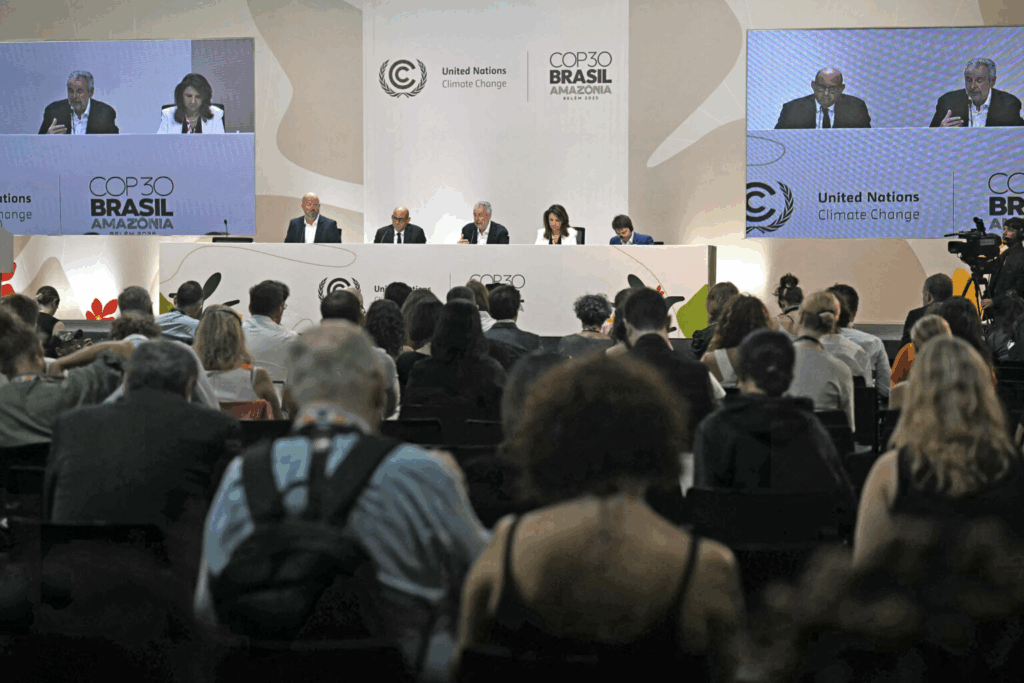
The COP30 climate talks, currently taking place in Belém, Brazil, have been thrown into disarray due to an unexpected fire at the venue. This incident not only led to a chaotic evacuation but also raised alarms about safety at such large-scale UN climate talks. As flames engulfed part of the pavilion, panic ensued among delegates and journalists alike, leading to reports of smoke inhalation incidents. With representatives from nearly 200 countries present, the disruption threatens to delay crucial negotiations aimed at advancing global climate action. The incident underscores the urgent need for effective safety protocols in climate change conferences and raises significant questions about the overall organization of such high-stakes events.
The climate change conference known as COP30 has sparked intense discussions in Belém, Brazil, following a dramatic evacuation due to a fire outbreak. As delegates from around the globe gather to deliberate on pivotal issues concerning our planet, this unexpected event highlights the vulnerabilities faced during such large forums. Eyewitness accounts detail a scene of chaos, with individuals fleeing amidst thick smoke and fears of further danger. Meanwhile, the Brazilian authorities have stepped in to manage the situation and ensure the safety of all attendees. This unsettling incident not only interrupts vital climate negotiations but also emphasizes the critical importance of emergency preparedness at international gatherings focused on global sustainability.
Overview of the COP30 Climate Talks Evacuation Incident
The recent evacuation of the COP30 climate talks in Belém, Brazil has raised concerns regarding safety protocols amidst high-stakes negotiations on climate change. As delegates and attendees were nearing the conclusion of their discussions, a fire broke out in the venue, prompting an immediate response from emergency services. Witnesses described the chaotic scene, with fire licking at the walls and a sense of panic gripping the participants. The swift action from the fire brigade, which extinguished the flames within minutes, was crucial in preventing a more severe incident.
This incident not only highlights the unpredictability present during international events such as the UN climate talks but also underscores the critical need for effective emergency preparedness. The rapid evacuation demonstrated the efficacy of security measures, yet the situation left over a hundred participants dealing with anxiety and health concerns stemming from smoke inhalation. The COP30 climate talks, initially seen as a pivotal moment for international climate action, were abruptly halted, leading to uncertainty about the future of negotiations.
Health Risks Associated with Smoke Inhalation during COP30
The emergency response to the fire at the COP30 climate talks focused significantly on the health risks posed by smoke inhalation. Dr. Kimberly Humphrey, an emergency medicine specialist at the event, indicated that many individuals reported symptoms due to exposure to toxic fumes released during the fire. Smoke inhalation can lead to immediate effects such as coughing, shortness of breath, and in severe cases, lung injury, as witnessed by some participants who required urgent medical attention. The health implications highlight the importance of having medical teams readily available at large international conferences.
With over a dozen individuals requiring treatment for smoke inhalation, the incident has brought to light the broader implications of safety during major global summits like the UN climate talks. There is an increasing call for improving safety measures not only to protect participants from physical dangers but also to ensure that discussions about urgent issues such as climate change are not interrupted by unforeseen events. As nations strive toward a collective goal in these negotiations, safeguarding the health and well-being of attendees is paramount.
Impact of Fire Incident on COP30 Climate Negotiations
The fire outbreak at the COP30 climate talks has not only caused immediate disruption but also poses potential long-term effects on the outcomes of the negotiations. With critical discussions around climate change strategies on the table, the sudden evacuation and suspension of talks may hinder decision-making processes that are crucial for advancing global climate commitments. Diplomatic efforts are often built on continuity and momentum, and this incident could delay agreement on vital steps to combat climate change.
In the aftermath of the evacuation, many delegations found themselves seeking refuge outside the venue, some even sheltering under a gas station roof. This scenario exemplifies the unforeseen challenges that can arise during significant international climate conferences. The road to achieving consensus among nearly 200 countries is fraught with challenges, and disruptions such as this fire can jeopardize the collaborative spirit necessary for successful climate agreements. Delegates must not only come together to address climate issues but also ensure the safety and health of all participants moving forward.
Witness Accounts from the COP30 Fire Incident
Eyewitness accounts from the scene of the fire at the COP30 climate talks provide a gripping insight into the chaos that unfolded. Dr. Harshita Umesh, who was presenting nearby, described a harrowing moment as flames threatened to engulf the venue. The fear and confusion that engulfed the hall were palpable, with people scrambling for safety while emergency responders executed their roles under extreme pressure. Such personal experiences underscore the intensity of the situation and the potential risks inherent in large gatherings.
Another participant shared their observation of thick smoke billowing through the air, creating an alarming atmosphere that interrupted critical climate negotiations. These narratives not only reflect the immediate panic but also highlight the need for enhancing security measures at future climate conferences. As the global community convenes to address urgent environmental issues, ensuring the well-being of delegates should remain a priority to enable productive dialogue.
Emergency Response Efforts at COP30 Climate Talks
The quick response from local authorities and emergency services was crucial in managing the fire incident during the COP30 climate talks. With flames reported to be climbing the walls, fire brigades arrived within minutes, effectively extinguishing the fire and allowing for a safe evacuation. Reports suggest that the situation was contained rapidly, showcasing the preparedness of Brazilian security forces and their ability to mitigate such emergencies in high-pressure environments.
However, this incident prompts a reevaluation of safety protocols at large-scale international events like the UN climate talks. While the rapid response helped prevent what could have been a catastrophic event, it also highlights areas for improvement in emergency planning and risk management at future climate conferences. Ensuring comprehensive safety measures will better protect participants and reduce the likelihood of similar incidents, ensuring a focus on addressing the pressing issues surrounding climate change.
Long-Term Consequences for Climate Change Policy After COP30
The unforeseen fire at COP30 may have lasting implications for climate change policies being discussed during the conference. The disruption experienced has the potential to delay vital decisions that could shape international strategies for combatting climate change. As nearly 200 countries attempted to reach consensus on next steps amidst the urgency surrounding global warming, this interruption raises the stakes for future negotiations. Each delay can have cascading effects on timelines and commitments made by participating nations.
Moreover, the incident has drawn attention to the importance of resilience within international climate negotiation frameworks. With extreme weather events and accidental incidents becoming more common, the ability to adapt and respond to interruptions is vital. COP30 serves as a lesson in the necessity for flexible policies and procedures, enabling countries to navigate both planned and unforeseen challenges in their pursuit to establish effective climate action.
Importance of Safety Measures in Global Climate Conferences
The recent fire incident at the COP30 climate talks underscores the critical importance of safety measures in large global gatherings. As countries convene to discuss significant issues like climate change, it becomes evident that adequate safety protocols must be in place to protect all participants. The chaos that ensued following the fire highlights the need for comprehensive planning not only for the negotiations themselves but for ensuring the safety and health of delegates and attendees.
Building upon lessons learned from incidents like the one at COP30, organizers of international climate conferences must prioritize safety in their planning processes. This includes conducting thorough risk assessments, implementing robust emergency response plans, and ensuring access to medical support. By investing in these measures, the focus can remain firmly on the important discussions surrounding climate change rather than distractions caused by safety lapses.
Reflections on COP30 Climate Talks Post-Incident
In the wake of the fire evacuation at the COP30 climate talks, reflections from delegates reveal a mix of concern and determination. While the fire significantly disrupted discussions, participants are now faced with the challenge of recommitting to their goals on climate change. Many are emphasizing the need for resilience and adaptability in the face of setbacks, recognizing that successful climate action requires collaborative efforts despite uncertainties.
The incident may galvanize a renewed focus on the urgency of addressing climate change among nations participating in the talks. As discussions resume, there is a heightened awareness of the vulnerabilities present during international negotiations, prompting delegates to unify in their commitments. Ultimately, the aftermath of the fire could serve as a catalyst for a stronger, more coordinated global response to climate issues, illustrating the spirit of cooperation that defines the COP climate talks.
Belém as a Host City for Climate Negotiations
Belém, Brazil’s selection as the host city for the COP30 climate talks positioned it as a pivotal location for international climate discussions. Known for its rich biodiversity and connection to the Amazon rainforest, Belém is at the forefront of climate issues that resonate globally. Hosting such important negotiations allows the city to showcase both the challenges and opportunities faced by regions significantly impacted by climate change.
The added visibility for Belém during COP30 underscores the importance of regional dynamics in global climate negotiations. As the world turns its attention to climate action, the actions taken within local contexts can shape broader international policies. With the recent fire incident as a backdrop, Belém must demonstrate resilience and commitment to fostering safety and dialogue, encouraging global participation in addressing environmental concerns.
Frequently Asked Questions
What triggered the evacuation during the COP30 climate talks?
The evacuation of the COP30 climate talks in Belém, Brazil, was triggered by a sudden fire that broke out inside the venue. Flames and smoke were reported in the pavilion area, leading to immediate evacuation measures.
How many people were treated for injuries after the fire incident at the COP30 climate talks?
Thirteen individuals were treated for smoke inhalation following the fire incident during the COP30 climate talks. Medical staff indicated that some may have inhaled toxic fumes.
What is the current status of the negotiations at the COP30 climate talks after the fire?
Negotiations at the COP30 climate talks have been suspended due to the fire disruption. Delegates had been in the final hours of discussions aimed at advancing climate change agreements when the emergency occurred.
What safety measures are being taken following the fire at the COP30 climate talks?
Following the fire at the COP30 climate talks, the venue is being assessed for safety by fire brigade teams. The UN has temporarily turned over control of the summit to Brazilian authorities to ensure participant safety.
What types of injuries occurred due to the fire during the COP30 climate talks?
The majority of injuries reported from the fire during the COP30 climate talks were cases of smoke inhalation. There was also at least one reported lung injury attributed to the smoke.
How are delegates managing after the evacuation at the COP30 climate talks?
After the evacuation at the COP30 climate talks, many delegates have found themselves outside in high temperatures, with some taking refuge under roofs of nearby structures like gas stations while awaiting further instructions.
What are the implications of the fire on the COP30 climate negotiations?
The fire at the COP30 climate negotiations is likely to cause delays in reaching a final deal, as urgent discussions to combat climate change were interrupted, impacting the timelines for agreements among nearly 200 participating nations.
How extensive was the fire reported during the COP30 climate talks?
The fire reported during the COP30 climate talks was significant enough to burn a hole through the covering sheeting of the venue, and eyewitnesses described it as climbing the walls and causing considerable panic among attendees.
What actions did the UN take following the fire at the COP30 climate talks?
Following the fire at the COP30 climate talks, the UN cooperated with local authorities, implementing evacuation procedures, and ensured that the fire brigade assessed the safety of the conference venue.
| Key Event | Description |
|---|---|
| COP30 Evacuation | COP30 climate talks were evacuated due to a fire in Belém, Brazil. |
| Fire Incident | A fire broke out in the pavilion area, resulting in smoke and flames, with 13 people treated for smoke inhalation. |
| Eyewitness Accounts | Dr. Harshita Umesh described panic and chaos as flames climbed the walls. |
| Emergency Response | Emergency services attended to individuals with smoke inhalation, one with a lung injury. |
| Negotiations Disruption | The fire occurred in the final hours of negotiations, halting discussions on climate action. |
| Fire Cause | The cause of the fire is currently unknown, but an eyewitness suggested it may have been electrical. |
| Temporary Suspension | Negotiations have been temporarily suspended, and the venue is assessed for safety by Brazilian authorities. |
Summary
The COP30 climate talks were abruptly disrupted by a fire incident that necessitated the evacuation of the venue in Belém, Brazil. This unexpected event not only posed immediate health risks to attendees, resulting in several individuals suffering from smoke inhalation, but also halted crucial discussions aimed at addressing climate change. The chaos impacted nearly 200 nation delegations as they attempted to navigate this alarming situation while aiming to finalize an agreement on climate action. With negotiations at a critical juncture, the COP30 climate talks underscore the urgency and complexity of global efforts to combat climate change amidst unforeseen challenges.