Listen to this article
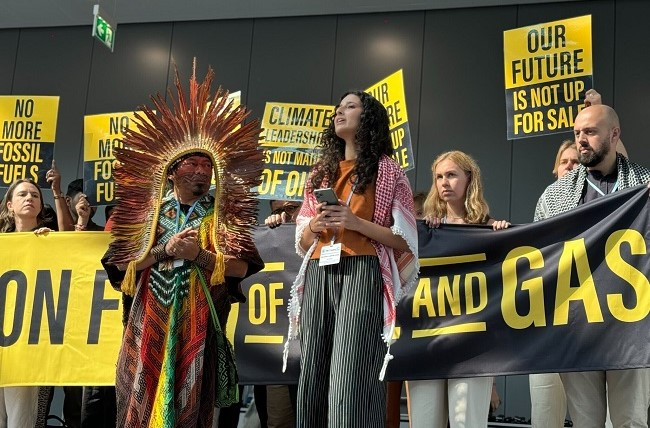
The COP30 climate protests in Brazil have taken the world by storm, drawing thousands of demonstrators to voice their urgent concerns about climate change. These climate change demonstrations brought together a diverse coalition of activists, including indigenous groups advocating for their rights and demanding action against the destructive practices of fossil fuels. Led by powerful chants and vibrant music, participants highlighted the critical state of the Amazon rainforest, calling attention to its preservation and the rights of its custodians. As they marched, protesters showcased their commitment to holding the COP30 negotiations accountable for meaningful action, emphasizing that the future of the planet hangs in the balance. This pivotal moment not only amplifies voices for indigenous rights in Brazil but also urges global leaders to prioritize sustainable solutions over fossil fuel dependency.
In Brazil, the COP30 climate protests have emerged as a rallying point for environmental advocates and climate action supporters alike, uniting voices from various backgrounds against the looming threats of climate degradation. These climate demonstrations resonate with urgency, reflecting widespread dissatisfaction with the ongoing reliance on fossil fuels and the increasing degradation of precious ecosystems like the Amazon rainforest. Activists have taken to the streets not only to demand immediate action on climate issues but also to celebrate indigenous rights, highlighting their crucial role in guardianship of biodiversity. As negotiations at COP30 unfold, demonstrators are pressing for accountability and transparency, urging decision-makers to embrace innovative strategies for combatting climate change and safeguarding our planet’s future.
The Significance of COP30 Climate Protests in Brazil
The recent COP30 climate talks in Brazil witnessed an unprecedented turnout of climate activists and advocates, signaling a pivotal moment for environmental activism. Thousands gathered at the gates of the conference to voice their demands for urgent action against climate change, carrying strong visual symbols, like coffins representing Oil, Coal, and Gas. This collective demonstration underscored the desperate need for transformative solutions to our climate crisis, and the protesters successfully drew international attention to issues surrounding fossil fuels and their impact on climate change.
The diversity of protest participants, ranging from indigenous groups to youth activists, highlighted the global nature of the climate fight. Demonstrators not only focused on fossil fuel use but also brought vital issues such as indigenous rights in Brazil to the forefront. This gathering was a reminder that local communities, especially those from the Amazon rainforest, play an essential role in safeguarding our planet’s biodiversity. Their rights must be recognized and prioritized in the ongoing negotiations, as their insights and needs are crucial for a sustainable future.
Indigenous Rights and the Fight Against Fossil Fuels
At the heart of the COP30 protests was a collective cry for the recognition of indigenous rights, particularly the need for demarcation of their territories. Activists, including many from the Amazon, emphasized that indigenous communities are often the best guardians of the environment, yet they face ongoing threats from exploitation by fossil fuel industries. The call for legal ownership of their lands is essential not only for cultural preservation but also for effective climate change mitigation. People like Brianna Fruean, highlighting the plight of those living on the frontlines of climate change, remind us of the longstanding struggles and sacrifices indigenous peoples have endured.
The presence of indigenous voices at COP30 serves as a powerful reminder of the interconnectedness of social justice and environmental advocacy. As they marched under banners proclaiming ‘the answer is us,’ these groups reinforced the notion that tackling climate change requires uplifting those most affected by it. The protests resonate with the urgent need to not only halt the exploration of fossil fuels but also to engage indigenous perspectives in solutions that will effectively address both climate change and biodiversity loss in the Amazon.
Global Attention on Climate Change Demonstrations
The demonstrations at COP30 were part of a larger narrative of global climate action, with sister protests occurring worldwide, including in the UK. This solidarity among activists reflects a growing awareness that climate change is a cross-border issue that demands a united front. The COP30 protests signified a turning point where communities across various regions are connecting their local struggles with broader climate action efforts, amplifying their messages through coordinated advocacy.
Such global movements not only shift public opinion but also pressure leaders to take meaningful action. The turnout in Brazil exemplified this shift, as activists chanted messages that resonated with everyone involved in the climate battle. The extensive media coverage received by these protests further emphasizes the importance of robust climate demonstrations, reminding policymakers that their constituents demand accountability in addressing climate change and sustainability.
The Role of Music in Climate Advocacy
Music has always served as a vital tool for social movements, and the COP30 protests were no exception. Samba rhythms flowed through the crowd, infusing energy and resilience into the fight for a sustainable future. These cultural expressions not only unite participants but also engage wider audiences in climate advocacy, translating complex issues into relatable, emotional narratives that resonate on a personal level. Songs of hope and resistance remind us that the struggle against climate change is not just about statistics; it’s about people, cultures, and the earth we all share.
Moreover, the use of music fosters a sense of community among protestors, creating an environment where diverse voices can harmonize for a common cause. At COP30, the synergy between protest and performance exemplified the rich cultural tapestry of Brazil and its vibrant activism scene. This integration of art and protest illustrates the multifaceted nature of climate advocacy and reinforces the message that passionate expression is a powerful catalyst for change.
Navigating Challenges in COP30 Negotiations
Negotiations at COP30 have faced notable challenges, particularly with the ongoing influence of fossil fuel companies at the talks. Reports indicating a record presence of these delegates starkly contrast the aspirations voiced by protestors outside. The decision by the Brazilian government to permit oil exploration at the mouth of the Amazon further complicates discussions, raising concerns about the integrity of commitments to reduce fossil fuel dependency. This juxtaposition illustrates the tension between economic interests and environmental responsibility, highlighting the critical need for transparency in the negotiation process.
The absence of key players like the US at COP30 has also slowed progress, calling into question the efficacy of international agreements on climate action. Activists are urging leaders to prioritize factual integrity in these discussions and combat climate disinformation, an initiative underscored by the Declaration on Information Integrity on Climate Change. The protests call for actionable outcomes and robust commitments that reflect the gravity of the climate crisis, emphasizing that now more than ever, decisive action is needed to secure the planet’s future.
The Intersection of Climate Justice and Policy
The protests at COP30 reflect a larger movement toward climate justice, emphasizing that effective policy must address inequalities tied to environmental degradation. As activists rallied for indigenous rights and an end to fossil fuel dependence, they highlighted the importance of inclusivity in climate negotiations. Policymakers must recognize that vulnerable communities often bear the brunt of climate impacts, and failure to include these voices in policy decisions undermines the effectiveness of climate action.
Achieving substantive progress requires that negotiations not only focus on emission reductions but also actively involve those most affected by climate change. The integration of indigenous perspectives can offer valuable insights into sustainable practices, as indigenous peoples have long been stewards of their ecosystems. Moving forward, COP30 must aim to create frameworks that empower these communities while addressing the systemic issues rooted in climate change and fossil fuel dependency.
The Global Response to Climate Disinformation
As climate change becomes an increasingly pressing issue, so does the threat posed by climate disinformation. At COP30, a coalition of climate leaders launched the Declaration on Information Integrity on Climate Change, aimed at confronting misinformation that undermines public understanding and engagement with climate science. This initiative is crucial for maintaining accountability among nations and businesses, ensuring that claims made at international summits align with scientific evidence and community realities.
Addressing climate disinformation is particularly important as misinformation can stall progress on climate policies and public sentiment. The protests served as a reminder that accurate information and grassroots advocacy must go hand in hand to shift the narrative on climate action. By prioritizing factual integrity and transparency in conversations surrounding climate change, COP30 can pave the way for informed decision-making that leads to tangible outcomes for our planet.
Focusing on Solutions for the Amazon Rainforest
The Amazon rainforest, often referred to as the lungs of the earth, was a focal point during the COP30 protests. Activists passionately rallied to highlight the urgent need for actions that protect and preserve this vital ecosystem from further exploitation by fossil fuel industries. The alarming rate of deforestation linked to oil and gas exploration not only threatens global biodiversity but also exacerbates climate change impacts. Advocates assert that concrete solutions must be put forth that both safeguard the rainforest and respect the rights of its indigenous inhabitants.
Addressing the challenges facing the Amazon requires a multifaceted approach, incorporating local knowledge from indigenous groups and scientific expertise to develop sustainable land use and conservation strategies. The protests have re-energized global awareness around these issues, emphasizing that the protection of the Amazon is not just a local concern but a pivotal element in the fight against climate change worldwide. The continued advocacy for robust environmental policies is essential not just for the Amazon, but for the overall health of the planet.
The Future of Climate Action Post-COP30
The discussions and demonstrations at COP30 signal a pivotal moment for climate action, yet they also illuminate the challenges that lie ahead. As negotiations continue, the urgency for comprehensive and inclusive climate policies becomes paramount. The diverse participation at the protests reflects a growing sentiment that any effective climate action must integrate social justice, environmental sustainability, and economic viability. Activists are calling on world leaders to commit to tangible outcomes that address both climate issues and the inequalities stemming from them.
Looking forward, the momentum generated by grassroots movements and international solidarity may play a crucial role in shaping global climate policies. The legacy of COP30 will not only be defined by the agreements reached within conference walls but also by the collective actions and voices ringing outside of them. It is imperative that participants in these negotiations carry the spirit of the protests forward, ensuring that strategies to combat climate change center around community voices and sustained commitments to preserve the earth for future generations.
Frequently Asked Questions
What are the main messages of the COP30 climate protests?
The COP30 climate protests convey powerful messages against fossil fuels, advocating for the end of oil, coal, and gas usage. Protesters marched with poignant symbols like giant coffins labeled with these fossil fuels, calling for immediate action on climate change and emphasizing the importance of protecting the Amazon rainforest.
How did indigenous rights feature in the COP30 climate protests?
Indigenous rights were a central theme at the COP30 climate protests, with demonstrators calling for the legal ownership of indigenous territories. This demand highlights the crucial role indigenous communities play in biodiversity and forest preservation, especially in the Amazon, which is vital for global climate stability.
What role did music and art play in the COP30 climate protests?
Music and art were vital elements at the COP30 climate protests, with activists using samba music and theatrical performances to express their discontent. They chanted slogans like ‘We are holding a funeral for fossil fuels,’ and displayed artistic representations, such as an inflatable elephant and anaconda, to engage and rally support for their cause.
Why have the COP30 climate protests gained international attention?
The COP30 climate protests gained international attention partly because it is the first opportunity for public demonstrations outside UN climate talks since 2021. The presence of diverse groups, including indigenous communities and activists from various countries, alongside dramatic visuals and messages related to COP30 negotiations, has amplified their global impact.
What are the challenges faced during COP30 negotiations related to climate change?
COP30 negotiations face numerous challenges, including a record turnout of fossil fuel company delegates and slow progress on essential commitments to combat climate change. The Brazilian government’s decision to allow oil exploration at the mouth of the Amazon has raised concerns among protesters, who are pressing for meaningful action against fossil fuels.
How are global sister protests connected to the COP30 climate protests?
Global sister protests are an extension of the COP30 climate protests, showing solidarity with movement centers across the world. These demonstrations highlight the urgency of tackling climate change and share the messages of the protests, emphasizing advocacy for indigenous rights and the necessity of diminishing fossil fuel dependency.
What actions do protestors demand in relation to fossil fuels at COP30?
Protesters at COP30 demand a definitive end to fossil fuel reliance, with slogans and performances calling attention to the harmful impact of oil, coal, and gas. They emphasize the urgent need for the global community to transition towards sustainable practices and protect crucial ecosystems like the Amazon rainforest to mitigate climate change.
What impact did the absence of the US have on COP30 negotiations?
The absence of the US at COP30 has contributed to sluggish negotiations, as American leadership has historically played a significant role in international climate agreements. Activists and countries present are expressing concerns over the lack of robust participation from major polluters, which could hinder progress on tackling the climate crisis.
| Key Points | Details |
|---|---|
| Protests at COP30 | Thousands of climate protesters gathered outside the COP30 climate talks in Brazil to voice their concerns. |
| Themes of the Protest | ‘Free the Amazon’, ‘funeral for fossil fuels’, and demands for legal ownership of indigenous territories were central themes. |
| Indigenous Participation | Indigenous groups emphasized their role as protectors of the Amazon and biodiversity. |
| Significant Representation | An estimated 1,600 fossil fuel company representatives attended the COP30 talks. |
| Global Impact | Smaller protests were reported globally, indicating widespread concern for climate issues. |
| Limited Progress | Negotiations at COP30 have not made significant advancements despite Brazil’s promises to tackle fossil fuel use. |
Summary
The COP30 climate protests have highlighted the urgent call for action against the climate crisis, as thousands took to the streets in Brazil to demand accountability from world leaders. This powerful demonstration showcased the collective frustration over the insufficient measures taken to address fossil fuel dependency and protect vulnerable ecosystems like the Amazon. As the world watches, the voices of climate activists, especially from indigenous communities, are critical in pushing for effective solutions to combat climate change.