
Listen to this article
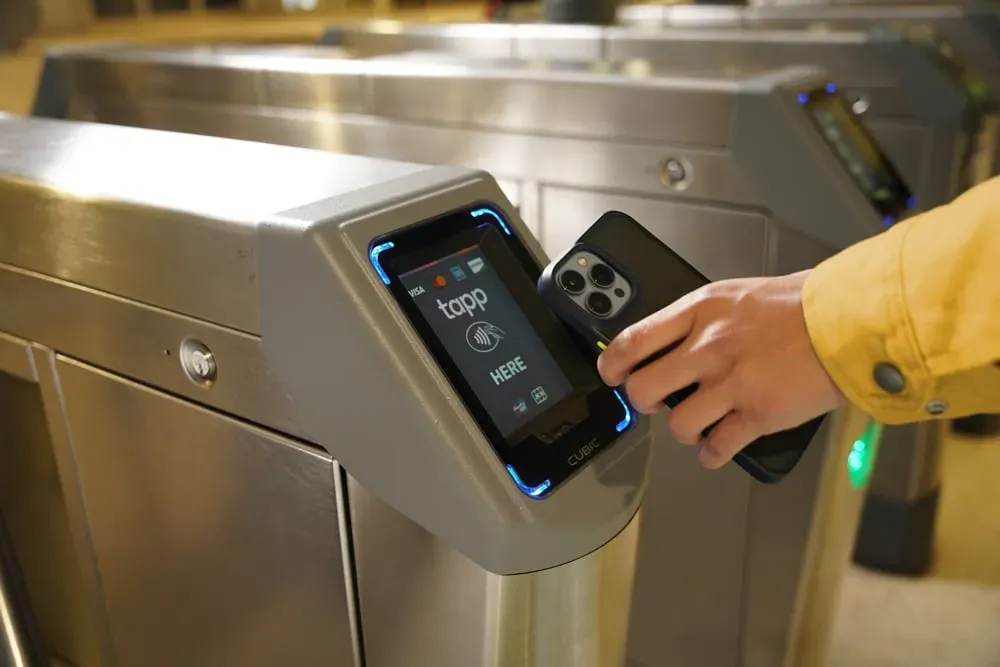
Contactless payments on trains are revolutionizing the way commuters navigate rail travel, providing a seamless transaction experience for purchasing tickets. As rail travel costs fluctuate, especially with the necessity of peak time tickets, the appeal of contactless ticketing becomes increasingly prominent. By tapping a contactless bank card or smart device at station readers, travelers bypass the hassle of buying tickets at kiosks, promoting convenience and efficiency. However, this transition has led to complicated fare structures, with some routes seeing a hike in train ticket prices instead of the anticipated savings. Operators like Govia Thameslink Railway continue to assert that the intent behind these changes is to enhance the overall passenger experience, even as concerns about increased costs linger among rail users.
The rise of digital payment methods on trains signals a shift towards a more modern, user-friendly approach to ticketing. With terms like tap-and-go ticketing and automated fare collection, passengers can benefit from quick and flexible access to their journeys. However, the introduction of these systems is met with mixed reactions, particularly regarding the surge in rail travel expenses due to more stringent peak time ticket requirements. As travelers seek to maximize savings, understanding the intricacies of contactless payments, including the implications on off-peak pricing, becomes increasingly crucial. It’s a complex landscape that reflects both technological advancement and the economic realities of contemporary rail travel.
The Rise of Contactless Payments on Trains
The adoption of contactless payments on trains has transformed the rail travel experience. This innovative method allows travelers to simply tap their bank card or mobile device on payment readers at stations, making the ticket purchasing process both seamless and efficient. However, this convenience has come at a cost. Many rail users are now facing increased travel expenses due to the pricing structure that has shifted towards more expensive peak-time tickets. The implementation of contactless ticketing is part of a broader effort to modernize train travel, but the repercussions on fare structures mean it’s essential for travelers to remain informed about potential cost implications.
One notable development in the expansion of contactless payments is the integration at 30 new stations across south-east England as part of Project Oval by the Department for Transport (DfT). While this move is intended to streamline transportation, it has resulted in some travel routes being more expensive than before. Railway companies like Govia Thameslink Railway (GTR) assert that the adjustments aim to enhance overall passenger savings. Nevertheless, these alterations could inadvertently ‘price passengers out of rail altogether,’ as criticized by local officials like Rebecca Paul, MP for Reigate.
Impact of Contactless Ticketing on Train Ticket Prices
As contactless payment options increase on trains, the immediate impact on ticket prices cannot be overlooked. Travelers who previously utilized off-peak tickets may find themselves forced to purchase more expensive peak-time tickets due to the new regulations, as certain journeys are no longer accessible under the same fare conditions. For instance, changes implemented on Southern services impact commuters’ options significantly, with the first off-peak day travelcard now reflecting a later departure time. This alteration represents not only a shift in scheduling but also an increase in costs for regular travelers who depend on lower fare options.
Moreover, the elimination of affordable super off-peak tickets from certain stations exacerbates the situation for budget-conscious travelers. Reports indicate that passengers using contactless payment systems could end up paying nearly double compared to those who purchase traditional paper tickets. This disparity in pricing raises concerns about the fairness and accessibility of rail travel, particularly for families and regular commuters who rely on various discounts unavailable through contactless options. As these changes unfold, understanding train ticket prices and recognizing potential savings is vital for every passenger.
Navigating Peak Time Tickets and Travel Costs
Understanding peak time tickets becomes increasingly important for passengers who rely on the train system, especially as the landscape for rail travel costs shifts in response to new regulations. Peak time tickets generally carry a higher price, meaning commuters who travel during busy hours will have to pay significantly more. The revised schedule implemented by GTR indicates that the timeframes for off-peak travel have effectively been manipulated, compelling some frequent passengers to reevaluate their daily commuting habits to avoid inflated fares.
Many politicians and consumer advocates argue that the adjustments unfairly burden passengers. For example, if one were to travel during peak hours simply because their schedule has not changed, they might see their travel costs soar without a proportionate improvement in service. This suggests a pressing need for transparency in fare structures and a reevaluation of peak versus off-peak ticket distinctions. As rail travel continues to evolve, discussions around fair pricing and accessibility will be crucial in shaping the future of the industry.
The Role of Govia Thameslink Railway in Ticketing Changes
Govia Thameslink Railway (GTR) has been at the forefront of implementing contactless payments and adapting ticketing policies. The company’s claims about delivering overall savings for passengers have sparked debate, especially in light of contrasting narratives surrounding increased prices during peak travel times. Understanding GTR’s policies on ticket pricing is essential for passengers, particularly as the landscape changes with contactless expansion.
Feedback from commuters highlights frustration over the perceived good intentions of GTR’s initiatives compared to their real-world implications. The perception of rising costs against benefits that seem to favor a select group of travelers often leads to skepticism faced by rail operators. As rail services adapt, it remains essential for GTR to communicate effectively with users to ensure that new policies are understood and are perceived as beneficial enhancements to train travel.
The Evolution of Rail Travel Costs
The evolution of rail travel costs reflects broader social and economic trends that impact daily commuting experiences. With the introduction of contactless payments, there has been a visible move towards modernization, aiming to facilitate smoother transactions and reduce queues at ticket machines. However, this modernization comes with the risk of higher prices that could price lower-income travelers out of the market. Rail travel costs are now being scrutinized more than ever with passengers demanding transparency regarding fare structures.
Economic fluctuations and changing consumer behavior also contribute to this evolution. Many commuters factor in not only the price of travel but the convenience structures that accompany ticket purchasing. The ambitious goal of eliminating cash transactions may streamline operations, but it must also coexist with economic realities faced by everyday travelers. As rail operators adapt, tracking these costs and advocating for more affordable travel options is vital for maintaining public trust.
Exploring the Benefits of Contactless Ticketing
Despite the controversies surrounding price adjustments, the benefits of contactless ticketing should not be overlooked. Enhanced convenience is a significant advantage; passengers can now avoid long queues and purchase their tickets without the hassle of cash or paper. Moreover, the ease of using mobile devices to pay ensures that travelers can access travel services quickly and efficiently. This shift reflects a broader trend towards digital solutions that cater to the needs of modern consumers.
Additionally, contactless payments have the potential to integrate seamlessly with other transport systems, creating a more unified experience for travelers. The ability to utilize one payment method across various forms of transport is an enticing prospect. As cities evolve, embracing connectivity in transportation will become essential to attract and retain commuters. Therefore, the adoption of contactless systems may, in the long run, lead to increased rail usage, potentially offsetting the financial changes and demonstrating a commitment to passenger welfare.
Customer Reactions to Ticket Price Changes
The rollout of contactless payments alongside ticket price changes has generated mixed reactions from customers. Many travelers are expressing frustration at the perceived increase in peak time tickets, which they feel disproportionately affects those who rely on the rail system for daily commuting. As journey costs soar, customers are vocalizing their concerns about how these alterations hinder their ability to afford regular travel, threatening to dissuade them from using rail services.
Customers are often looking for clarity and communication from rail companies in terms of fare changes. They require more than formal explanations—they seek concrete examples showing how these adjustments impact their travel budget. Improved customer service and transparency about ticket pricing can alleviate some of the worry passengers feel when faced with increased rail travel costs. Ensuring that all travelers can voice their opinions and receive responses will be vital to rebuilding trust in the rail network.
Future of Contactless Payments in Rail Travel
The future of contactless payments in rail travel appears to be an upward trend, as agencies continue to push for modernization and efficiency within the industry. As more rail networks adopt contactless ticketing, it is essential that they maintain a balance between ease of access and fair pricing. Managing customer expectations regarding travel costs and encouraging feedback on pricing structures will help rail authorities make adaptations that cater to their core customers’ needs.
Furthermore, the anticipated expansion of contactless payment systems is not just a financial matter, but also an infrastructure evolution. Adopting new technology requires investment but promises long-term benefits for both operators and passengers. Increased data collection on travel patterns could inform better service offerings and fare adjustments both in terms of time and price. Ultimately, fostering a public dialogue about how these systems evolve will benefit all travelers.
Legislative Oversight and Passenger Protections
As the rail industry navigates contactless payments and fluctuating ticket prices, legislative oversight will play a crucial role in ensuring that passenger protections remain in place. Ensuring that pricing changes do not come at the expense of service quality is essential for maintaining a reliable and fair transportation system. Legislators have a responsibility to oversee these transitions, ensuring that operators like GTR maintain a focus on passenger affordability and accessibility.
With growing public dissatisfaction regarding rail pricing, the need for regulatory approaches cannot be understated. Initiatives that protect travelers from sudden fare hikes will help sustain consumer trust and allow the rail market to flourish. Observing how changes are implemented and monitoring customer reactions will be key for policy makers as they advocate for systems that are both fair and innovative, ensuring all passengers are treated equitably.
Frequently Asked Questions
How do contactless payments on trains affect train ticket prices?
Contactless payments on trains can lead to increased train ticket prices, particularly for peak time tickets. While some passengers may experience lower fares during off-peak times, others may find that routes previously accessible with cheaper off-peak tickets now require more expensive peak-time tickets due to recent changes in ticketing rules.
What is contactless ticketing and how does it work on trains?
Contactless ticketing enables passengers to pay for their train journeys by simply tapping a contactless-enabled bank card or device on card readers at stations. This system provides a faster, more convenient way to purchase tickets without the need to manually buy them at ticket machines, although it may affect overall rail travel costs.
Are peak time tickets more expensive since the introduction of contactless payments on trains?
Yes, since the introduction of contactless payments, many trains now require more expensive peak time tickets, especially during busy travel hours. This adjustment aims to align ticketing with Transport for London’s contactless system, which may increase costs for some passengers.
What changes have been made to off-peak tickets with contactless payments on trains?
The new contactless payment system has altered the time restrictions on off-peak tickets, making some journeys that were previously affordable with off-peak tickets now only available at peak prices. Passengers should check their travel costs as these changes may significantly impact their fares.
How does Govia Thameslink Railway view the transition to contactless payments on trains?
Govia Thameslink Railway (GTR) has stated that the transition to contactless payments is intended to benefit passengers by providing lower prices for many single journey tickets. However, they acknowledge that some fare increases may occur, particularly for peak time travel.
What should passengers know about rail travel costs with the new contactless payment system?
Passengers should be aware that while some journeys may have become more expensive with contactless payments, others may offer lower fares than before. It’s essential to review current ticket options and pricing to make informed decisions regarding travel costs, particularly for peak time tickets.
Can I still use railcards and discounts with contactless payments on trains?
Unfortunately, discounts for railcards or children typically cannot be applied when using contactless payments on trains. This limitation may result in higher travel costs for those reliant on these discounts, as some ticket types are excluded from contactless transactions.
What options do I have if I find contactless payments on trains too expensive?
If contactless payments on trains have increased your travel costs, consider exploring traditional paper tickets, which may still offer discounts for railcards and off-peak pricing. Additionally, you might look into alternatives like cycling, as suggested by some passengers, to save money on travel.
| Key Points | Details |
|---|---|
| Expansion of Contactless Payments | Contactless payments are being introduced at 30 more stations in the South East, as part of Project Oval by the Department for Transport. |
| Increased Costs | Some services now require more expensive peak-time tickets, increasing travel costs for passengers. |
| Statements by Officials | Rebecca Paul, Conservative MP, argues that the changes risk pricing people out of rail travel, while GTR insists passengers will benefit from savings. |
| Changes to Ticketing Restrictions | Time restrictions on purpose have shifted, requiring some travelers to now use peak tickets where previously off-peak was valid. |
| Impact on Passengers | Passengers may end up paying higher fares with contactless due to a lack of discounts that apply to paper tickets. |
| GTR’s Claims | Although some fares increase, GTR claims many passengers will find reduced prices, especially during off-peak times. |
Summary
Contactless payments on trains have transformed how passengers purchase tickets, streamlining the boarding process but leading to higher costs for many. Despite claims of convenience and some fare reduction, many travelers are experiencing increased expenses due to the shift toward more expensive peak tickets and the reduction of discounts that could be applied with paper tickets. As contactless payment systems expand, scrutiny around equity and affordability will continue, and stakeholders must address the concerns raised by passengers like Rebecca Paul, to ensure that the future of train travel remains accessible to all.