Listen to this article
Cold weather health alerts have become a crucial public safety measure in the UK, as these alerts signal potential health risks posed by frigid conditions. The UK Health Security Agency (UKHSA) has recently issued amber health alerts covering all of England, indicating that the impact of cold weather may significantly affect health and social care services. Understanding cold weather health risks is essential for safeguarding vulnerable populations, such as the elderly, who may be particularly susceptible to harsh temperatures. These weather alert systems are designed to inform citizens about the potential dangers and provide necessary guidance to reduce illness during cold snaps. By staying informed through cold health alerts, individuals can better prepare themselves for the risks that winter brings, protecting both their health and well-being.
Winter weather warnings play a critical role in safeguarding public health during colder months. As temperatures drop, health advisories are issued to alert the populace about impending cold spells, especially considering the adverse effects these can have on individuals’ physical condition. Authorities like the UK Health Security Agency utilize a structured alert system to inform about the severity of cold situations and their potential health implications. It is vital for communities to heed these warnings, as they provide necessary information on how to stay safe and minimize cold-related health issues. In recognizing the significance of such alerts—often categorized as health advisories or winter weather warnings—residents can take proactive measures to protect themselves from the chilling effects of winter.
Understanding Cold Weather Health Alerts
Cold weather health alerts play a critical role in informing the public about the potential health risks associated with low temperatures. Issued by the UK Health Security Agency (UKHSA), these alerts are designed to proactively warn the population about severe weather conditions and their implications on health and social care services. For instance, amber health alerts, which signify a significant risk to public health, have been issued across England, indicating that the cold is likely to impact not just individuals but also healthcare resources.
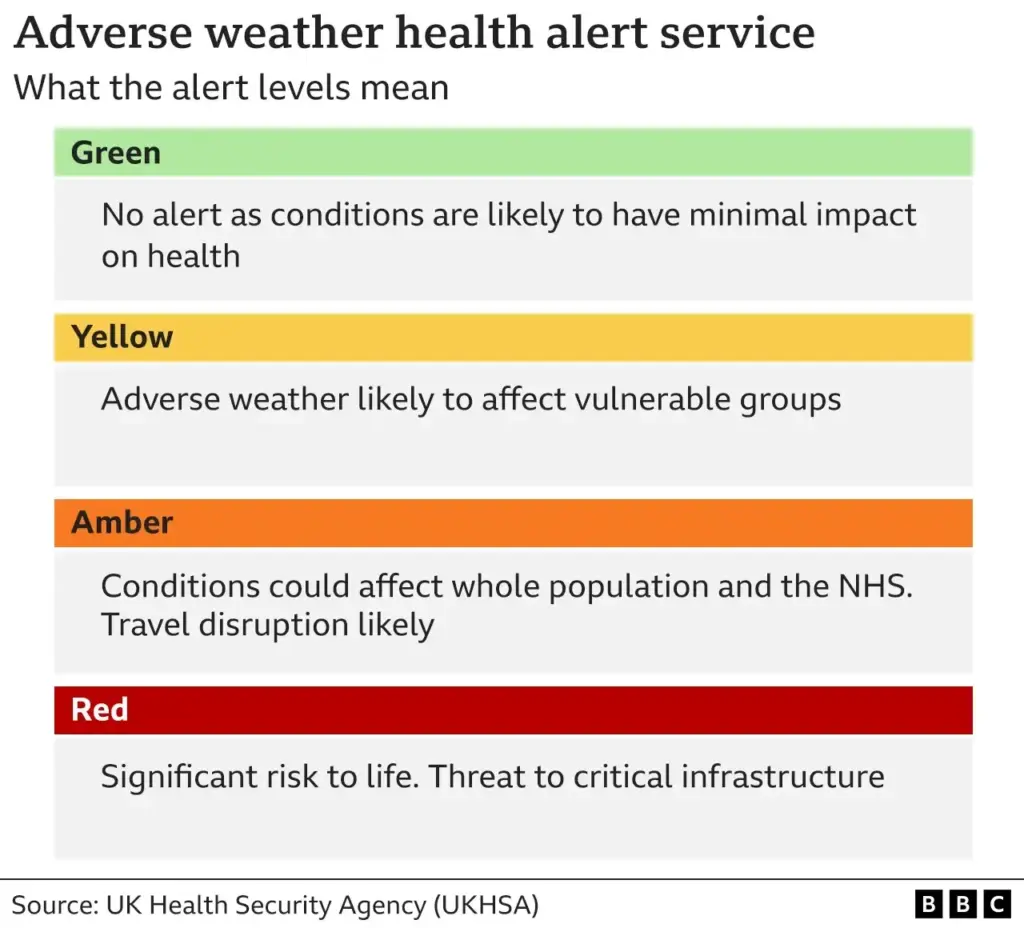
The categorization of these cold health alerts is of paramount importance, as it helps in understanding the level of risk and necessary precautions. Alerts are based on forecasts from the Met Office, with four distinct levels ranging from green to red. Each level provides specific advice and indicates the expected weather conditions. This structured alert system is vital for minimizing health risks during the winter months, especially for vulnerable populations who may be more susceptible to cold-related illnesses.
The Impact of Cold Weather on Health
Cold weather can significantly affect the body, increasing the incidence of respiratory illnesses and cardiovascular issues. For example, the likelihood of flu, colds, and pneumonia rises during the colder months as these diseases spread more easily in low temperatures. Research conducted by experts such as Professor Damian Bailey illustrates how exposure to cold can lead to physiological changes like reduced blood flow to the brain and increased heart rates, which pose further risks to individuals’ health.
Furthermore, cold weather presents specific health risks that may not be immediately apparent. As temperatures drop, the body struggles to maintain its core temperature, particularly when levels fall below 18°C. This struggle creates further challenges, increasing the risk of heart attacks and strokes among even healthy individuals. Understanding these health risks is crucial for effective self-care during the winter, including wearing appropriate clothing, staying active, and consuming a nutritious diet that supports body heat generation.
Navigating the Weather Alert System in the UK
The UK’s weather alert system is a collaborative effort between the UKHSA and the Met Office, providing essential information during adverse weather conditions. From November through March, cold health alerts are particularly significant as they signal potential health hazards to the population. This comprehensive system empowers not only the public but also healthcare providers by distributing guidance on how to act during these periods.
Alert levels within the weather alert system allow residents to gauge the severity of the situation. The green level serves as a baseline for normal conditions, while the higher levels — yellow, amber, and red — indicate increasing severity and requirements for action. Understanding these levels is vital for individuals and families planning their winter months, allowing them to take preventative measures to minimize health risks.
Protecting Yourself from Cold Weather Health Risks
To mitigate the health risks associated with cold weather, it is essential to adopt specific protective measures. Simple actions can be taken to keep warm, such as dressing in layers and consuming warm meals. Additionally, staying indoors during extreme cold spells is recommended, especially for vulnerable populations, including the elderly and those with pre-existing health conditions.
Engaging in regular physical activity is also an excellent way to maintain body heat and overall health during the winter months. It’s important to remain aware of cold weather health alerts issued by the UKHSA, which can guide individuals in understanding risks specific to their regions. This proactive approach can substantially reduce health incidents caused by extreme weather.
The Role of NHS in Cold Weather Alerts
During periods of cold weather, the National Health Service (NHS) plays a pivotal role in responding to increased health risks. The guidance provided through cold health alerts informs healthcare professionals about the potential surge in patients seeking treatment due to cold-related illnesses. Doctors and ambulance services may experience heightened demand, necessitating preparedness to ensure patient safety and effective care.
Moreover, the NHS relies on detailed information from these alerts to implement necessary interventions, such as deploying additional healthcare resources to areas most impacted by cold weather. This ensures that vulnerable people receive the protection they need during harsh weather conditions, ultimately aiming to reduce illness and prevent fatalities related to cold exposure.
Community Awareness and Response to Cold Weather Alerts
Community awareness is crucial when it comes to responding to cold weather health alerts effectively. Local organizations, community leaders, and family networks can extend the reach of these alerts by disseminating information on how to stay warm and safe during extreme cold. Initiatives to ensure that elderly and disabled residents are checked on can be lifesaving, demonstrating the power of community connection.
In addition to direct communication about health risks, communities can organize resources such as warming centers and outreach programs to provide support during severe weather. Monitoring public health protocols and disseminating resources effectively can make a significant difference in minimizing the impact of cold weather on overall community health.
How Cold Weather Affects Vulnerable Populations
Vulnerable populations, including the elderly and those with chronic illnesses, face heightened risks during cold weather. These groups often experience mobility challenges that make it difficult to seek warmth or medical attention, especially when cold health alerts are issued. Their unique health conditions can be exacerbated by extreme temperatures, making proactive measures essential in safeguarding their well-being.
Public health officials stress the importance of targeted interventions for these vulnerable individuals during cold spells. This can include home health visits, distribution of thermal wear, and local outreach campaigns to ensure that they remain safe and informed. Understanding the specific needs of these groups plays a key role in health service delivery and community support strategies.
The Science Behind Cold Weather’s Health Effects
The physiological impact of cold weather on the body is well-documented and highlights the importance of understanding how low temperatures can affect health. Studies show that exposure to cold can lead to stress on the cardiovascular system, including an increase in blood pressure and heart rate. These changes can precipitate serious health events, including heart attacks and strokes, particularly in individuals with pre-existing conditions.
Furthermore, cold weather can also impair the immune system’s effectiveness, increasing the likelihood of respiratory illnesses such as the flu and pneumonia. As such, researchers continue to investigate the biological mechanisms at play, aiming to enhance public health strategies in response to cold weather health risks and improve overall preparedness.
Preparing for Cold Weather Health Alerts
Preparation is key when it comes to mitigating the effects of cold weather on health. When cold weather health alerts are issued, taking preemptive steps can significantly improve resilience against potential health issues. These preparations might include ensuring that homes are well-insulated and that medical supplies are readily available, especially for those with chronic health conditions.
Additionally, community resources can be leveraged to assist individuals in preparation efforts. Workshops on winter health preparedness can educate residents about the risks posed by cold weather, tips for maintaining warmth, and strategies for staying healthy despite harsh conditions. Engaging with local health authorities can provide critical support in responding effectively to health alerts during the winter months.
Frequently Asked Questions
What do cold weather health alerts indicate for the UK health system?
Cold weather health alerts, as issued by the UK Health Security Agency (UKHSA), indicate that low temperatures may significantly impact health services across England. These alerts serve to warn the public and provide guidance to healthcare professionals about potential health risks during cold spells.
How is the weather alert system important for managing cold weather health risks?
The weather alert system, jointly managed by the UKHSA and the Met Office, plays a crucial role in managing cold weather health risks by issuing alerts from November 1 to March 30. These alerts inform the public about expected weather conditions, regional effects on health, and measures to take, ultimately aimed at reducing illness and mortality during extreme weather.
What are the various alert levels in the cold weather health alert system?
The cold weather health alert system categorizes alerts into four levels: Green (normal), Yellow (affects vulnerable individuals), Amber (risk to the whole population), and Red (significant risk to life even among healthy individuals). Each level provides specific guidance on precautionary measures and anticipates increased demand on health services.
What health issues are commonly associated with cold weather, according to health alerts?
Cold weather is associated with an increase in flu, pneumonia, and norovirus infections. Studies indicate that cold temperatures can impair blood flow and increase heart-related issues, making individuals more susceptible to illnesses. Public health advice is to keep warm and take precautions during cold weather health alerts.
What practical steps should individuals take during cold health alerts?
During cold health alerts, individuals should aim to keep indoor temperatures above 18°C when possible. If this is impractical, they should dress warmly in layers, consume a high-carbohydrate diet, and remain active to maintain body heat. Such measures are essential for mitigating the risks highlighted during cold weather health alerts.
| Key Points |
|---|
| Amber health alerts issued across England by UKHSA, indicating significant health impact due to cold weather. |
| Alerts cover November 1 to March 30, warning of potential health risks from temperature changes. |
| The alert system categorizes severity into four levels: Green, Yellow, Amber, and Red, based on forecasts. |
| Cold weather increases the spread of illnesses such as flu, pneumonia, and norovirus. |
| Cold exposure can reduce blood flow, raise blood pressure, and increase the risk of heart issues; maintaining warmth is critical. |
Summary
Cold weather health alerts are crucial for informing the public about potential health risks posed by low temperatures. The UK Health Security Agency issues these alerts to ensure that vulnerable populations are aware and can take preventive measures during extreme cold conditions. Understanding the different levels of alerts and their implications can help mitigate health risks associated with winter illnesses, enhance community preparedness, and protect public health.