Listen to this article
Clydach Terrace flooding has emerged as a pressing concern for residents in Ynysybwl, where the threat of severe water inundation looms large due to the nearby Nant Clydach stream. Following the devastating impacts of Storm Dennis and Bert, many homeowners now find themselves in a precarious predicament, with elevated flood risk Clydach Terrace becoming an ever-present anxiety. Reports indicate that the area faces significant challenges, with discussions surrounding the potential demolition of 16 homes to implement flood defense measures. Climate change flooding is exacerbating these issues, prompting officials to act decisively to safeguard the community. As stakeholders weigh the implications of these decisions, the prospects of flood evacuation Rhondda remain a vital topic of discussion in order to protect lives and property from future disasters.
The flooding issues experienced at Clydach Terrace highlight a growing environmental crisis in the region of Ynysybwl, where aspects of climate-induced weather patterns contribute to the heightened danger. With a history of property damage from severe storm events, local residents are grappling with uncertainty about their futures as flood defense strategies are explored. The dire conditions following significant rainfall have called for urgent discussions on evacuations and potential relocations due to the escalating flood threats. Moreover, the aftermath of storms has prompted local authorities to look into various mitigation solutions to prevent similar disasters in the future. Unless addressed adequately, these challenges will continue to threaten the safety and stability of the community.
Understanding Clydach Terrace Flooding Risk
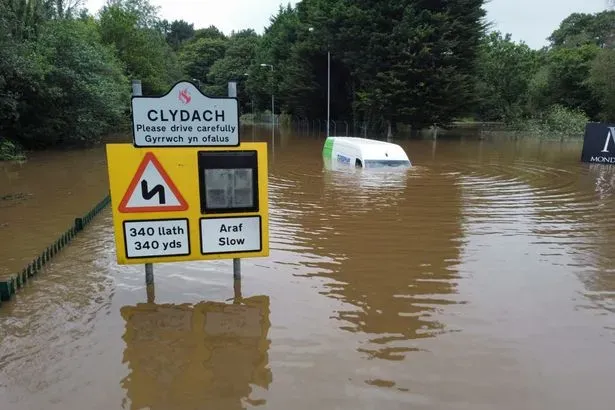
Clydach Terrace is situated in a region that experiences significant flood risks, mainly due to its proximity to the Nant Clydach stream. The neighborhood’s vulnerability to flooding was highlighted during Storm Dennis, where large portions of the street were submerged, resulting in considerable property damage and posing life-threatening risks to residents. Flood risk assessments have shown that this area remains highly susceptible to flooding events, particularly exacerbated by climate change, which has made weather patterns less predictable. As a result, local officials are taking measures to address these hazards and improve safety for the community.
The continuous threat of flooding affects not only the physical safety of residents but also their emotional well-being. Many families in Clydach Terrace have faced anxiety and stress due to regular flood warnings and the potential for evacuation. Residents like Paige Didcote have openly discussed the terror they feel when leaving their homes, worrying about their safety and the safety of their loved ones during adverse weather conditions. As flood events become more frequent, the need for a sustainable solution to mitigate these risks becomes increasingly critical.
The Impact of Climate Change on Flooding in Ynysybwl
The impact of climate change is a pressing concern for communities like Ynysybwl, where flooding is becoming increasingly common. As global temperatures rise, weather patterns shift, leading to more intense rainfall and subsequent flooding in vulnerable areas such as Clydach Terrace. The recent experiences of residents during Storm Dennis and Bert exemplify how changing climate conditions can manifest in severe weather, creating significant challenges for local authorities. These storms have prompted reviews of flood defenses and the necessity for immediate action to protect vulnerable neighborhoods from potential disasters.
Local councils are grappling with the need for effective flood defense measures while being constrained by budgetary limitations. The assessment by Natural Resources Wales that constructing a flood defense wall in Clydach Terrace isn’t financially viable has raised questions about the future of these communities. As significant investments are required to reduce flood risks, the council’s suggestion to purchase and demolish homes to relocate affected families signals a radical approach to addressing the climate-induced crisis. This solution highlights the urgency of the situation and the responsibility of authorities to ensure resident safety amid ongoing environmental changes.
Community Concerns: Flood Evacuation in Rhondda
Residents in Clydach Terrace are acutely aware of the potential need for evacuation during extreme weather events. With historic flooding incidents, such as those experienced during Storm Dennis, residents have expressed their fears of being trapped in their homes if a flood warning is issued. The evacuation procedures in place may seem inadequate given the rapid nature of flooding. Community discussions have focused on the necessity for improved communication and preparation strategies to ensure everyone knows the evacuation routes and safety protocols. Engaging residents in these discussions is vital to enhancing community resilience.
Additionally, the mental health implications of living under constant flood threat cannot be overlooked. Individuals like Paige Didcote reveal the psychological toll of preparations for potential evacuations and the anxiety associated with leaving pets behind. The community’s experiences during disasters underline the urgent need for integrated flood risk management strategies, encompassing emergency preparedness and support for vulnerable populations. Initiatives should focus not only on physical infrastructure but also on the emotional support systems necessary for those living in flood-prone areas.
Storm Dennis and its Consequences
Storm Dennis had a devastating impact on Clydach Terrace, leading to extensive flooding and property damage. Streets were submerged, leaving residents in dire circumstances and sparking discussions about the long-term sustainability of living in such vulnerable areas. Lessons learned from this storm have raised awareness of the urgent need for comprehensive flood management plans. The council’s acknowledgment of the risks indicates a willingness to confront the realities of climate change and its effects on local communities.
In response to the destruction caused by Storm Dennis, residents have begun to demand effective actions from local authorities. The physical damage was only part of the crisis; the psychological ramifications have persisted since the floods. Concerns about losing homes due to anticipated future floods have led to discussions around support programs for families affected by storm damage and potential relocation. The consequences of Storm Dennis serve as a sobering reminder of nature’s unpredictability, reinforcing the necessity for preparation and resilience in the face of climate change challenges.
Moving Forward: Flood Defense Strategies in Clydach Terrace
As conversations around flood defense strategies continue, Clydach Terrace stands at a crossroads. The current plan to potentially purchase and demolish homes signifies a drastic but necessary approach to eliminate extreme flood risks. If approved, the measures would not only alleviate immediate danger but also assist residents in relocating to safer areas. Community feedback is critical during this process, as families share their needs and concerns, ensuring that solutions are tailored to the realities of those most affected.
Looking beyond demolition, residents and local authorities must also explore additional flood defense solutions that can protect the area from future threats. Innovations in flood management, such as natural barriers, improved drainage systems, and sustainable urban planning, could work alongside relocation efforts to create a more resilient environment. Collaboration and investment in future-proof solutions are paramount to ensuring that Clydach Terrace can thrive in an era of increasing climate instability.
The Psychological Toll of Flood Risk
The impact of living in a flood-prone area like Clydach Terrace extends beyond physical threats, affecting residents’ mental health and overall well-being. Concerns about flooding, especially during storm warnings, contribute to significant anxiety levels among community members. People like Paige Didcote highlight how they grapple with the fear of evacuation and the uncertainty of their homes’ safety, leading to heightened stress levels in their daily lives. It is crucial to address these psychological aspects, not just the physical danger of flooding.
Local mental health services and community support groups have an essential role in providing resources to help residents cope with the stress associated with living in a flood risk area. Initiatives focusing on mental well-being that address fears of flooding, evacuation protocols, and community recovery can significantly enhance resilience against emotional trauma. Building strong community networks where residents feel supported can make a substantial difference in the lives of those living under constant threat.
Insurance Challenges for Clydach Terrace Residents
Obtaining home insurance in flood-prone areas like Clydach Terrace can be a formidable challenge. Following severe floods such as those from Storm Dennis, many residents face inflated premiums or even denial of coverage due to the ongoing risk of flooding. This situation places additional financial strain on families already dealing with the prospect of losing their homes. The ramifications of such insurance challenges create a cycle of vulnerability, as families are left to navigate the precarious balance of maintaining property value while ensuring their financial security.
The continuing risk of flooding and subsequent insurance difficulties highlight the importance of transparent communication between insurers and homeowners. Local advocacy for fair insurance practices could provide desperately needed relief to those living in high-risk areas. Engaging with insurance companies to create tailored options for at-risk communities is vital, ensuring that affordable coverage reflects the realities of living in regions like Clydach Terrace.
Community Resilience: Preparing for Future Flood Events
In light of the frequent flooding challenges facing Clydach Terrace, building community resilience has never been more critical. Empowering residents with knowledge of flood risks and preparing them for potential future events can significantly decrease vulnerability. Programs focused on community education about emergency preparedness and the establishment of neighborhood response teams could foster a proactive approach to flooding threats. Involving local citizens in creating disaster response plans will help build trust and ensure that plans are tailored to the community’s unique characteristics.
Moreover, leveraging technology to provide real-time flood alerts through mobile applications or community networks can aid in timely evacuations. Maintaining open channels of communication will keep residents informed and engaged, allowing them to share their experiences and suggestions. By cultivating a sense of unity and preparedness, Clydach Terrace can move toward greater resilience against the inevitable challenges posed by climate change and flooding.
The Role of Local Authorities in Flood Management
In addressing the complex issue of flooding in Clydach Terrace, local authorities must play a proactive role in implementing effective flood management strategies. The decision by Rhondda Cynon Taf council to consider purchasing and demolishing homes signifies an acknowledgment of the severe risks posed to residents. Such actions illustrate a commitment to public safety despite financial constraints and underline the responsibility of local governance in protecting communities from climate impacts.
Furthermore, collaboration between local authorities, environmental agencies, and community members is vital for developing a comprehensive flood management plan. Engaging residents in discussions about potential solutions, such as flood defenses or relocation assistance, ensures that everyone’s voice is heard. As climate change continues to pose challenges to flood-prone areas, coordinative efforts are key in creating sustainable strategies that not only address immediate needs but also secure long-term safety for communities like Clydach Terrace.
Frequently Asked Questions
What is the flood risk for residents of Clydach Terrace in Ynysybwl?
Clydach Terrace is at significant flood risk due to its proximity to the Nant Clydach stream, which has previously caused extensive flooding during events like Storm Dennis and Storm Bert. Residents have expressed anxiety over repeated flood warnings and the potential for evacuation.
How did Storm Dennis impact Clydach Terrace?
Storm Dennis caused severe flooding on Clydach Terrace, submerging roads and pavements and leading to substantial damage to properties. The incident highlighted the area’s vulnerability and has raised concerns about ongoing flood risks due to climate change.
Are there any plans for flood defenses in Clydach Terrace?
Currently, proposals exist for the Rhondda Cynon Taf council to purchase and demolish 16 homes on Clydach Terrace to reduce flood risks. Although a flood defense wall was considered, it was deemed economically unviable by Natural Resources Wales.
What assistance can residents expect if they have to evacuate due to flooding in Clydach Terrace?
Residents facing forced relocation due to flooding in Clydach Terrace will receive assistance from the Rhondda Cynon Taf council, which plans to help those affected by the purchase and demolition of their homes.
How does climate change contribute to flooding in Clydach Terrace?
Climate change is a significant factor contributing to the increased flood risks in Clydach Terrace. Changes in weather patterns are intensifying rainfall events, leading to higher volumes of water in local streams like the Nant Clydach, which can overwhelm the area during storms.
What should Clydach Terrace residents do during a flood evacuation in Rhondda?
During a flood evacuation in Rhondda, residents of Clydach Terrace should follow official flood warnings, prepare an emergency kit, and evacuate to designated safe areas. It is essential to stay informed and have a plan for pets and family members.
What long-term solutions are being considered for flood management in Clydach Terrace?
Long-term solutions for flood management in Clydach Terrace include the relocation of residents and infrastructure improvements to mitigate the effects of future flooding events, considering both the history of flooding and the impacts of climate change.
| Key Points | Details |
|---|---|
| Location | Clydach Terrace, Ynysybwl, Rhondda Cynon Taf |
| Flooding Risk | At severe risk of flooding from the Nant Clydach stream, described as having a ‘unique risk of significant flooding’. |
| Past Flood Events | Submerged during Storms Dennis and Bert, causing extensive damage to homes and infrastructural loss. |
| Resident Concerns | Residents like Paige Didcote express high anxiety over flooding risks and are worried about pets at home during flood warnings. |
| Natural Resources Wales Report | Determined that building a flood defense wall was not financially viable. |
| Council’s Proposal | Rhondda Cynon Taf council recommends purchasing 16 homes for £2.57 million to address flooding concerns. |
| Resident Experiences | Long-time resident Paul Thomas recalls a terrifying personal experience during the flooding, highlighting the grave dangers posed. |
| Health and Insurance Issues | Residents face challenges with high insurance costs and significant health and life risks. |
| Future Actions | The council plans to approve the purchase of homes and will assist in relocating affected residents. |
Summary
Clydach Terrace flooding remains a pressing issue for residents facing significant risks from the Nant Clydach stream. The recent history of extreme weather, particularly during Storms Dennis and Bert, has highlighted the dangers and turmoil caused by flooding in this community. As discussions continue regarding the purchase and demolition of homes to mitigate these risks, residents are left anxious, contemplating their future while grappling with the memories of past flood events. Immediate action from the local council is essential to ensure the safety and well-being of those in the Clydach Terrace area.